Getting Around Pakistan Without a Car: Trains, Buses and Flights
How to link Lahore, Islamabad and Peshawar by rail, road and air, with the stations, terminals and drive times that actually shape a trip.
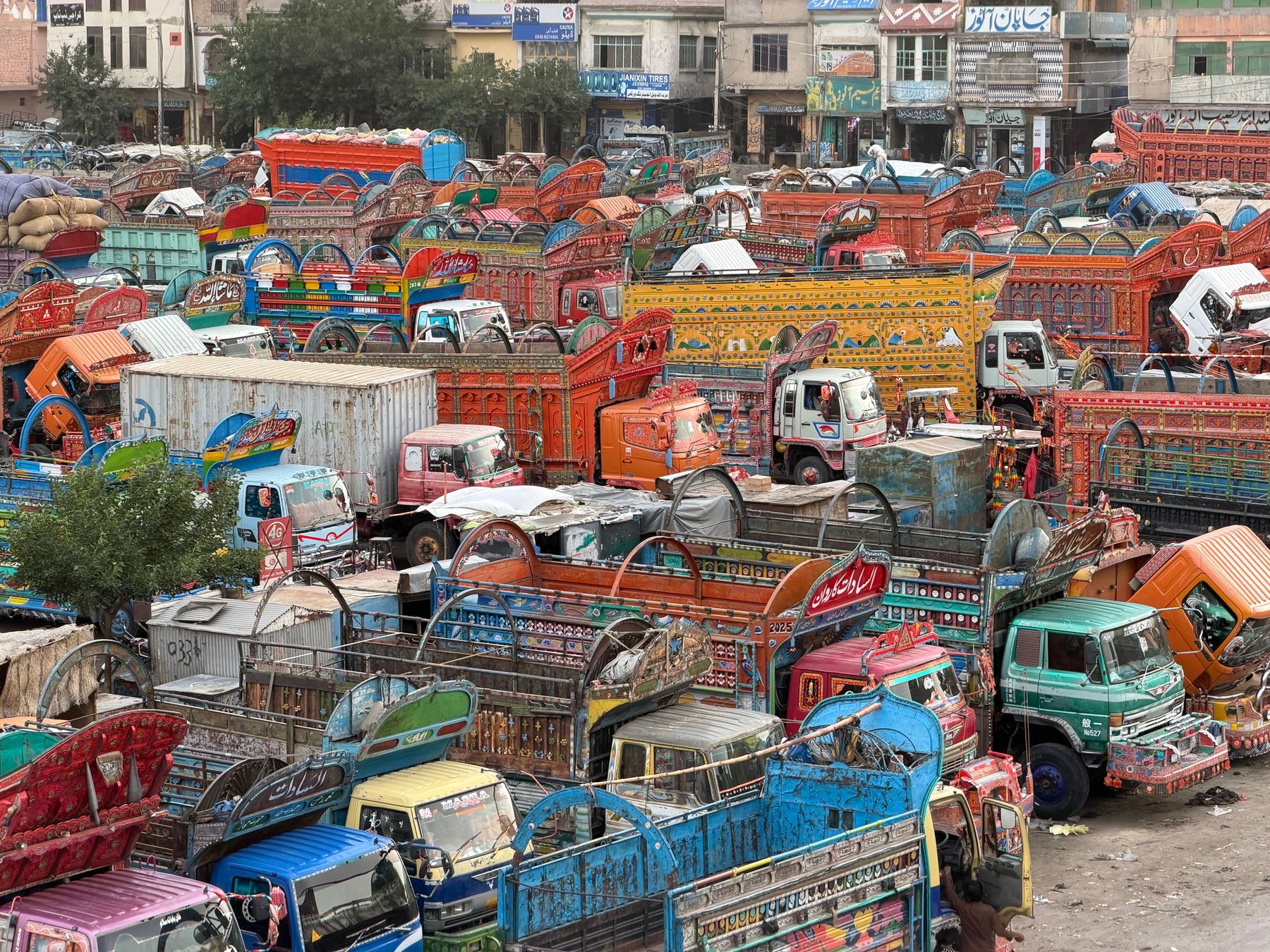
Pakistan Railways connects the big northern cities on the Karachi–Peshawar main line, and for visitors it is the most comfortable budget option between Lahore and Rawalpindi. Lahore's Mughalpura-area station handles the daily services north; the journey to Rawalpindi Cantonment takes roughly four to five hours in air-conditioned class. Book a day train rather than an overnight, since delays are common and daylight makes the flat Punjab farmland worth watching. Fares sit in a modest band — well below a private car and driver — but buy tickets at the counter or through an agent a day or two ahead for the better classes.
Trains: the slow, steady spine
The line from Rawalpindi continues northwest to Peshawar, crossing the Attock bridge over the Indus, a trip of about three hours. This stretch is scenic but slow, and the Peshawar City station drops you a short rickshaw ride from the Saddar bazaar area where most visitors stay. I would take the train for Lahore–Rawalpindi and Peshawar–Rawalpindi, but skip it for shorter hops where a bus or a hired car saves half a day. Check current timetables locally, as services change.
Buses and the motorway network
The M-2 motorway links Lahore, Islamabad and Peshawar through a chain of service areas, and the air-conditioned coach operators that run it are the workhorse of domestic travel. Daewoo and Faisal Movers are the best-known, running from dedicated terminals in Lahore, Islamabad and Peshawar. Lahore to Islamabad takes about four and a half hours; Islamabad to Peshawar about two. Book a seat in the front half of the coach for legroom and quieter riding. Fares are modest and fixed, and you can buy tickets at the terminal or online.
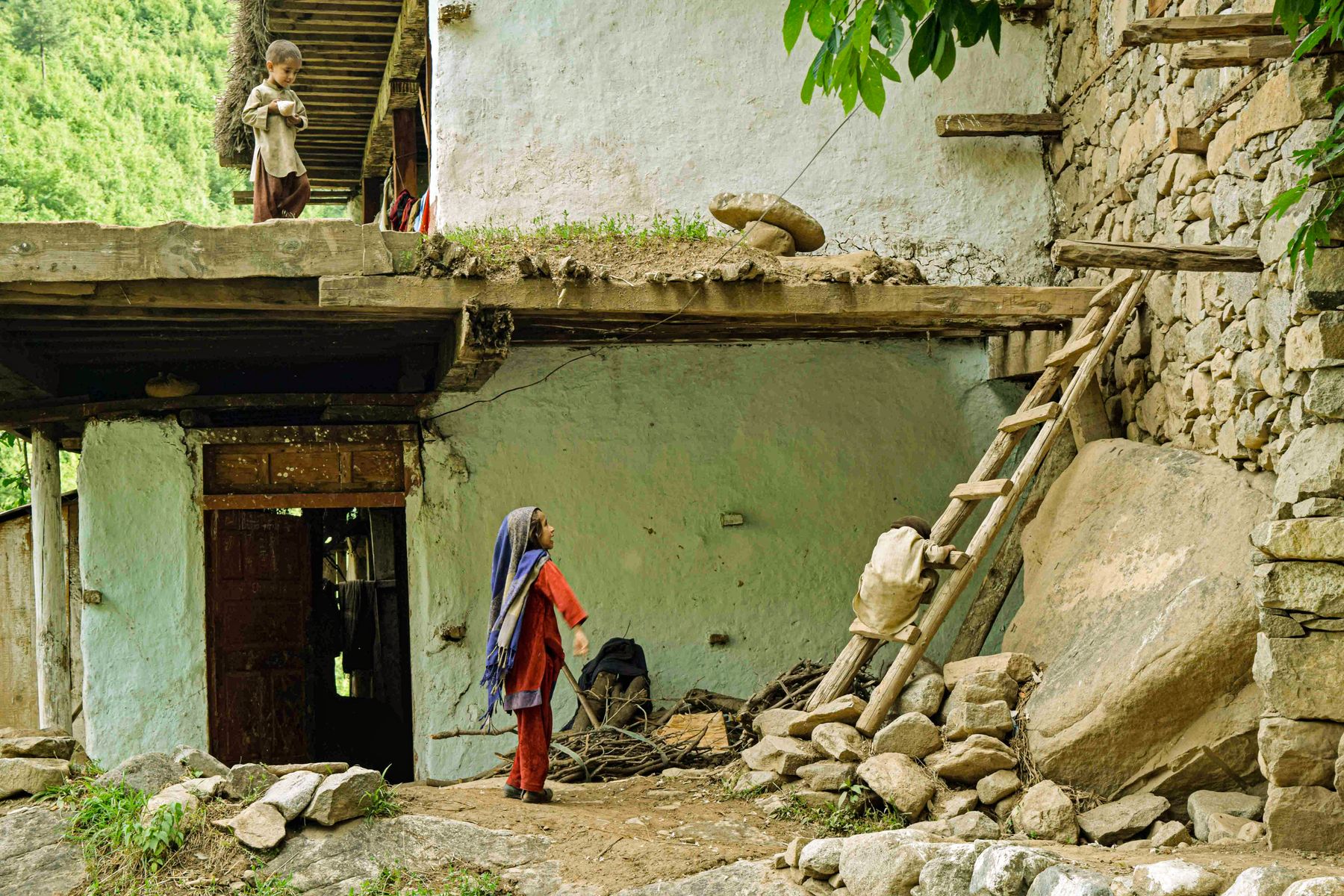
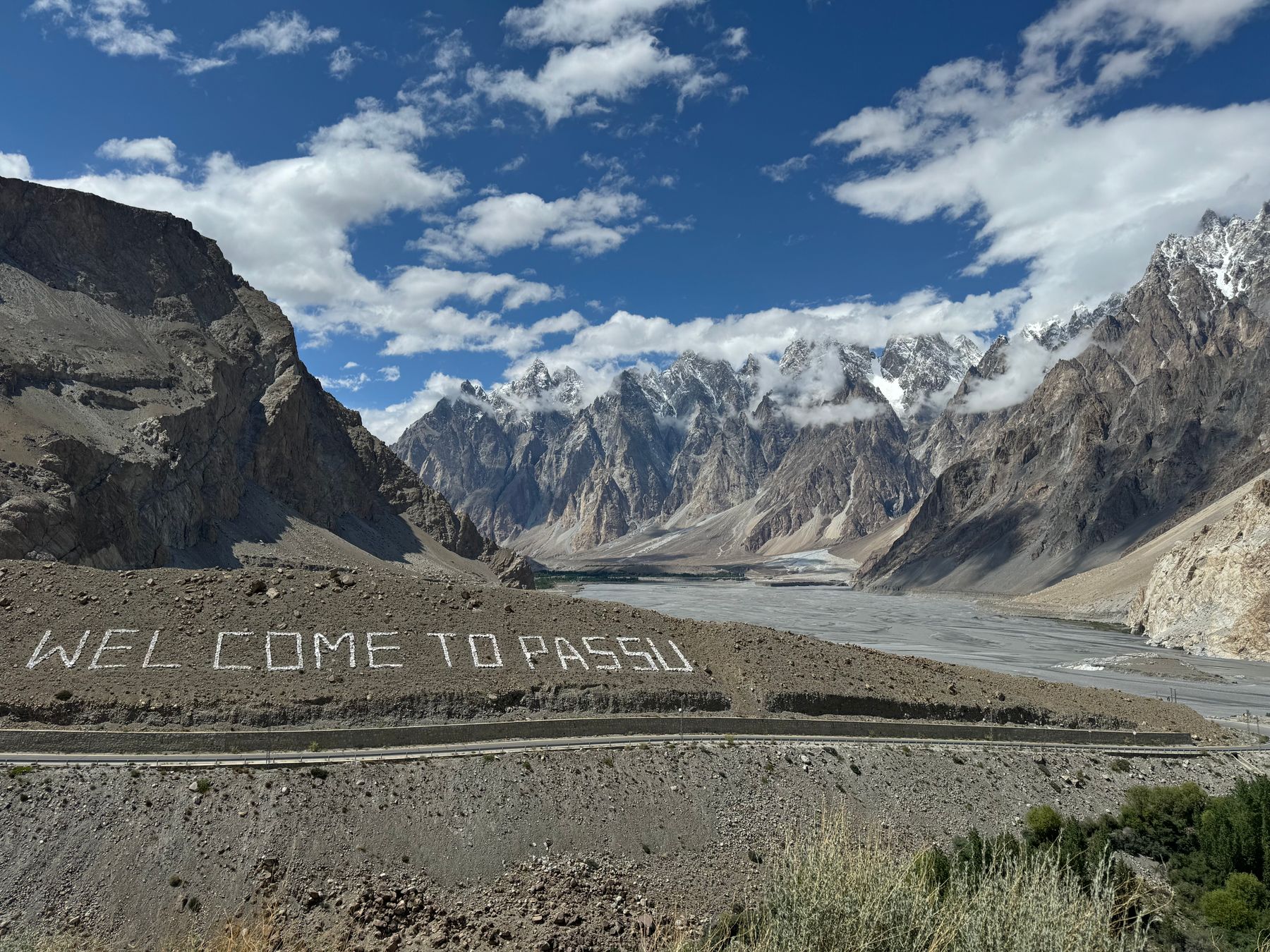
For the mountain routes — the Karakoram Highway toward Gilgit, or the Swat valley — the picture changes. Shared vans and older buses run these roads, but journey times are long, roads can close after heavy rain or landslides, and comfort is basic. If your itinerary includes Hunza or Skardu, a flight or a guided vehicle is the safer plan. Within cities, ride-hailing apps work well in Lahore and Islamabad, and radio-taxi numbers are reliable in Peshawar. I would book a hotel near the bus terminal or station you leave from to avoid a dawn scramble.
Flights and the cities where you will sleep
PIA and the private carriers fly Lahore–Islamabad–Karachi several times daily, and the Lahore–Islamabad hop takes under an hour, which can beat a four-and-a-half-hour coach if you factor in airport transfers. Islamabad's airport sits at Fateh Jang Road, about 30 to 40 minutes from the Blue Area; Lahore's Allama Iqbal airport is close to the Cantonment. Northern destinations such as Gilgit and Skardu have seasonal flights that are heavily weather-dependent and often cancelled — treat them as a bonus, not a plan.
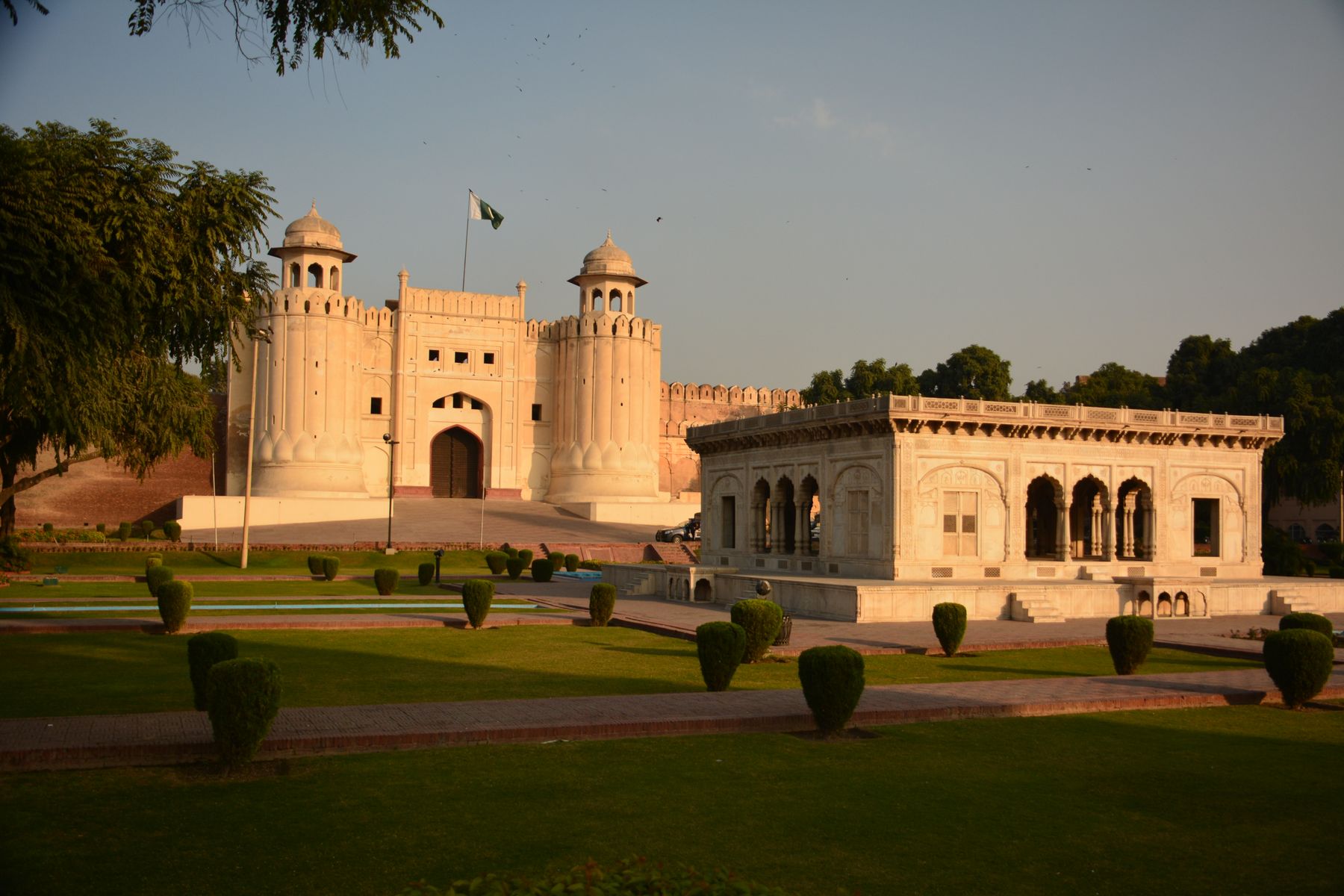
Most bookings on this site cluster around Lahore, Islamabad and Peshawar, and that matches how travellers move. Base yourself in Lahore's Gulberg or the older Walled City edge for food and architecture, in Islamabad's F-6 or Blue Area for transport links, and in Peshawar's Saddar for bazaar access. Early spring and October–November are the best months for comfortable travel before the Punjab heat peaks. My pick for a first trip: fly into Lahore, train to Rawalpindi, coach to Peshawar, and book hotels near each station the night before you move.
What to skip and how to plan
Skip the idea of stringing together too many cities in one week. Distances look short on a map but the M-2 corridor alone eats a full day each way between Lahore and Peshawar, and mountain roads double the estimates. Skip overnight trains unless you have a confirmed sleeper, and skip self-drive: local traffic, left-hand driving and paperwork make a hired car with driver the calmer choice for day trips to Taxila or the Salt Range.
Plan around fixed departures: morning trains and coaches are more reliable than evening ones. Carry cash for terminals and small operators, keep a photocopy of your passport, and confirm the next leg the evening before. If your dates are tight, cluster two cities rather than three and book a hotel with a late check-in near the terminal. For most travellers on a first visit, that means Lahore and Islamabad, with Peshawar as a two-night add-on by coach.
Frequently asked questions
How long does the train from Lahore to Islamabad take?
Roughly four to five hours to Rawalpindi Cantonment on the main line, depending on the service and delays. Air-conditioned class is the most comfortable; book a day train a day or two ahead.
Are buses in Pakistan comfortable for tourists?
Air-conditioned coaches on the M-2 motorway between Lahore, Islamabad and Peshawar are comfortable and run to fixed timetables from dedicated terminals. Mountain routes are slower and basic, so plan flights or a guided vehicle for Hunza and Skardu.
When is the best time to travel around Pakistan?
Spring and October to November give the most comfortable temperatures for the Punjab cities and the motorway corridor. Avoid the peak summer heat in Lahore and check mountain road conditions before any northern trip.
Find a stay in Lahore
Live prices and availability open in the IMPT app, in a new tab.