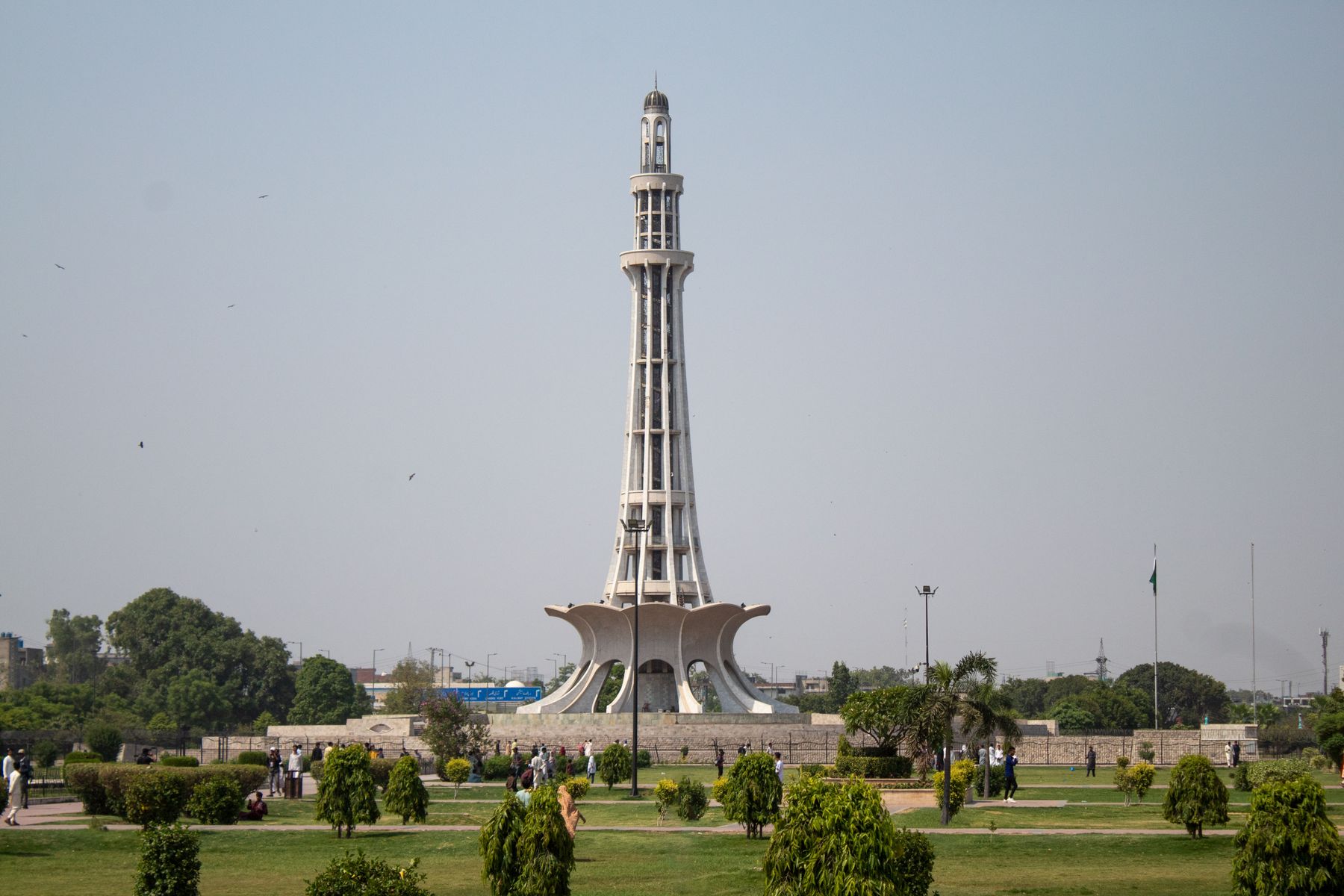
 Photo:

Visiting Lahore
What to see
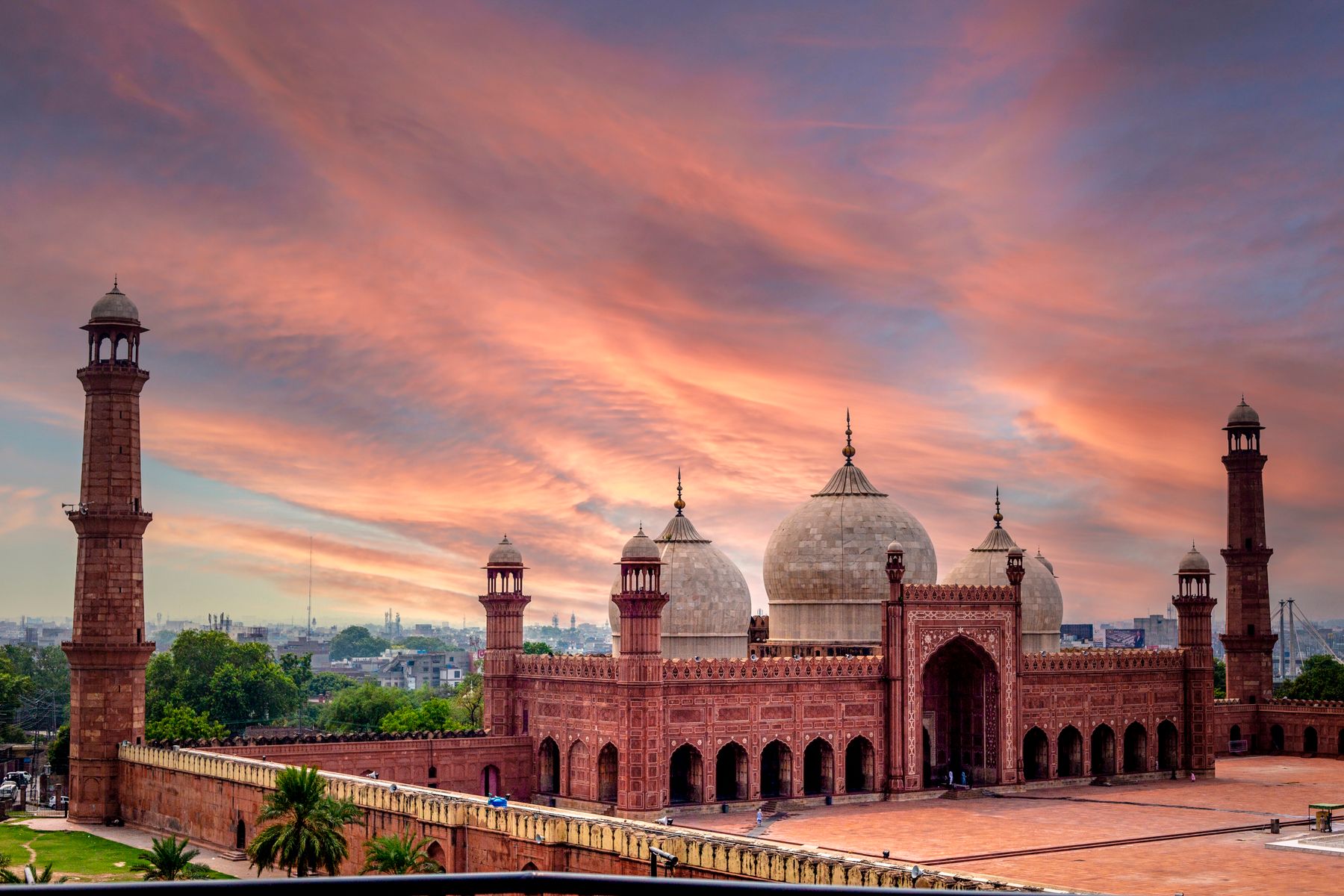
The Mughal monuments are the main reason many travellers come. The Lahore Fort and Badshahi Mosque stand together at the north-west corner of the walled city, and both can be seen in a morning. The fort is large, with courtyards, halls and the marble Sheesh Mahal. The mosque courtyard is vast, and the view from its minarets takes in the old city rooftops.
South of the walled city, Anarkali Bazaar runs for well over a kilometre and is a good place to see everyday commerce. Further south, the Lahore Museum on Mall Road holds Gandharan sculpture and Mughal manuscripts. The Shalimar Gardens lie east of the city centre and are a calm contrast to the traffic.
Walled City gates
The old city was once enclosed by a wall with thirteen gates. Several survive, including Delhi Gate and Bhati Gate, and each leads into a different quarter of narrow lanes, workshops and small shrines.
Colonial architecture
Mall Road and the area around it hold many buildings from the British period, including the Lahore High Court, the General Post Office and the museum. Many are still in public use and can be seen from the street.
A day or two there
Start early at the Badshahi Mosque, then cross to the Lahore Fort before the heat builds. Walk down through the walled city to Delhi Gate and on to Anarkali Bazaar for lunch. In the afternoon, visit the Lahore Museum and take a slow walk along Mall Road. The evening is a good time for food streets near the old city.
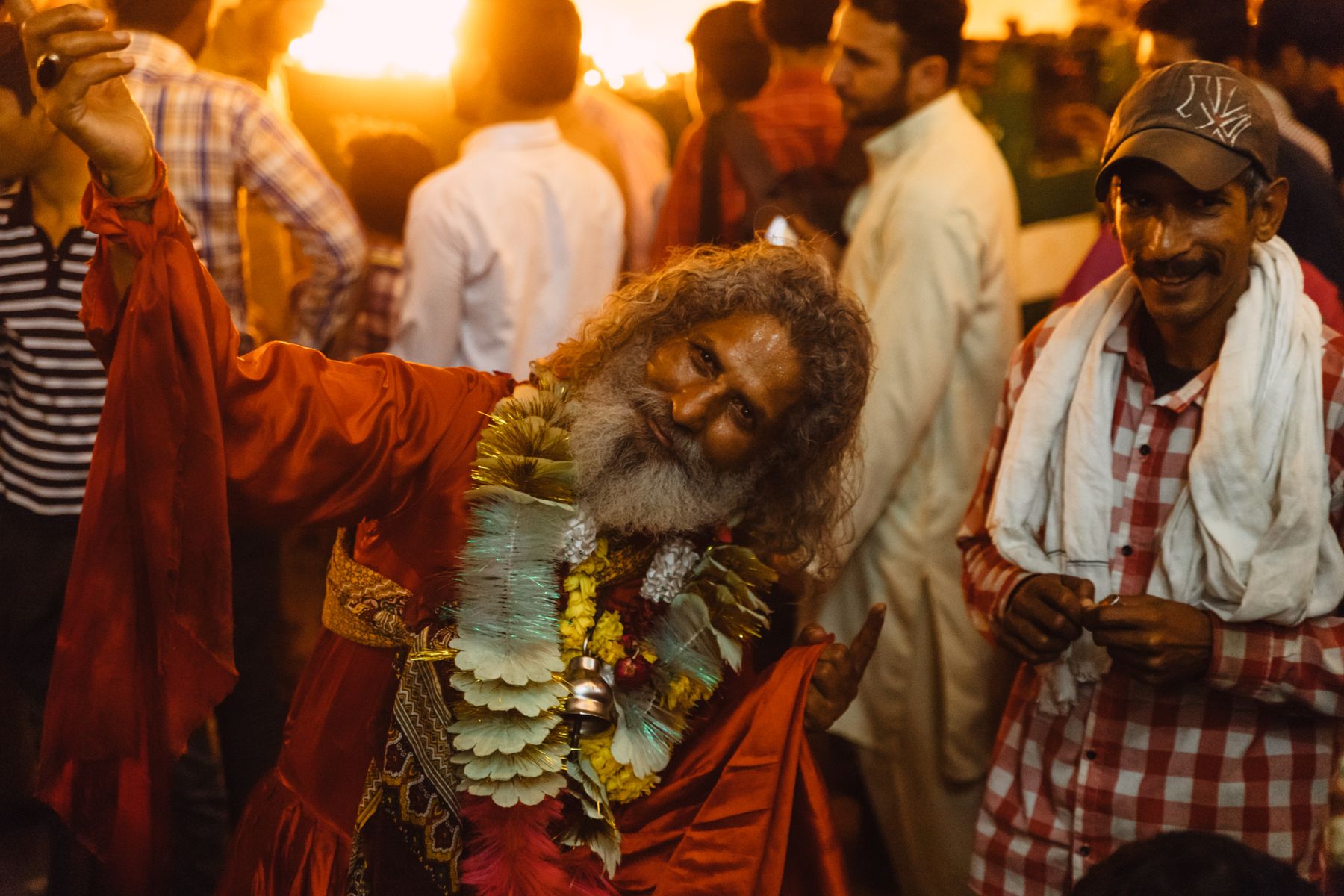
With a second day, go east to the Shalimar Gardens in the morning. Later, visit the shrine of Data Darbar, one of the city's most important Sufi shrines, and the nearby bazaars. If time allows, walk a section of the old city wall and gates that remain.
Food streets
Gawalmandi and Anarkali have long-established food streets that come alive after dark. They serve grilled meats, rice dishes and sweets, and are busy with families through the evening.
Getting there and around
Lahore has an international airport south-east of the city centre, with domestic flights to Karachi, Islamabad and other cities. The main railway station is on Empire Road, west of the old city, and trains connect Lahore with most major cities in Pakistan. Long-distance buses use several terminals around the city.
Within Lahore, taxis and ride-hailing apps are the easiest way to reach the monuments. The metro bus line runs along the main corridors, and auto-rickshaws are common for short trips. Traffic is heavy for much of the day, so allow extra time between sights.
Around the old city
The lanes of the walled city are best explored on foot. Some sections are too narrow for cars, and a walk between the fort and Delhi Gate takes in most of the main bazaars.
Practical notes
Summers from May to September are very hot, with temperatures often above 40°C, and the monsoon brings rain in July and August. The best months are October to March, when days are mild and evenings cool. Winter mornings can be foggy, which sometimes delays flights and trains.
Dress modestly when visiting mosques and shrines, and remove shoes where required. Some monuments charge an entry fee. Photography is usually allowed in public areas, but ask before photographing people. Tap water is not recommended for drinking; bottled water is widely available.
Health and safety
Lahore is a large city with the usual urban risks. Keep valuables secure in crowded bazaars, and use registered taxis at night. Check current official advice before travel, as conditions can change.
Around Lahore
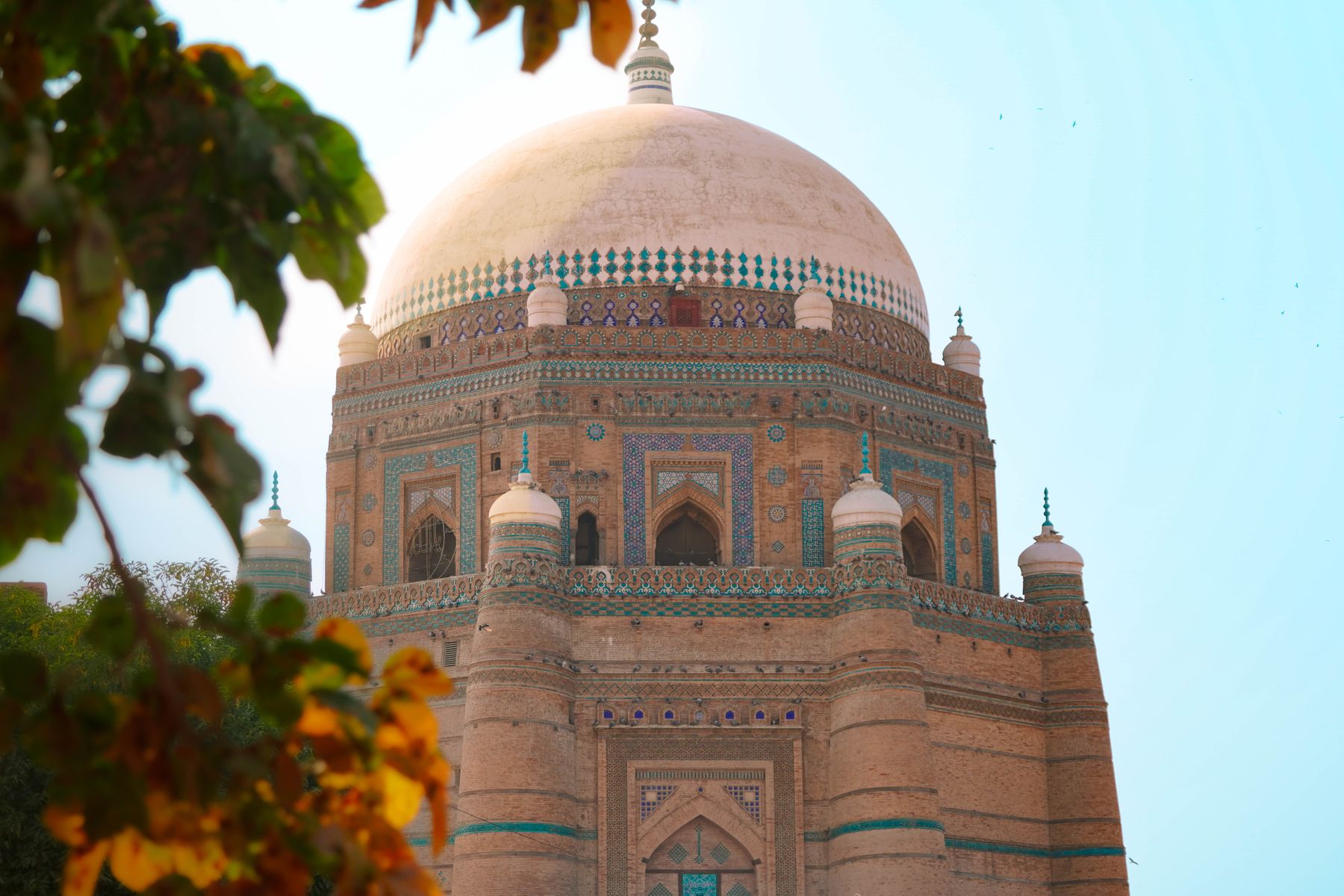
The city is the hub of a wider region. Multan, with its Sufi shrines, lies south-west, while Rawalpindi and the hill station of Murree are north. Bahawalpur and the Cholistan desert are further south. Faisalabad, Gujranwala and Sialkot are all within a few hours by road or rail and make easy onward stops.
For a change of pace, the hill station of Murree is a few hours north of Lahore and is popular in summer. The route passes through Rawalpindi and climbs into the foothills.
Frequently asked questions
When is the best time to visit Lahore?
October to March is the most comfortable period, with mild days and cool evenings. May to September is very hot, often above 40°C, and the monsoon brings rain in July and August. Winter mornings can be foggy, which may affect travel schedules.
What are the main sights in Lahore?
The Mughal monuments of the Lahore Fort and Badshahi Mosque are the best known, along with the Shalimar Gardens. The Walled City, Anarkali Bazaar and the Lahore Museum are also central to a visit. Many colonial buildings line Mall Road.
How do you get around Lahore?
Taxis and ride-hailing apps are the simplest way to reach the monuments, and the metro bus serves main corridors. Auto-rickshaws are common for short trips. The old city lanes are best walked, as many are too narrow for cars. Traffic is heavy, so allow extra time.
Do you need a permit to visit Lahore?
Lahore is a major city and generally open to visitors. Some areas of Pakistan, including parts of Balochistan and districts near the Line of Control, may require a No Objection Certificate. Rules change, so check current official advice before travelling.