 Photo: Jahra Tasfia Reza / Pexels
Walled city food walk
The Walled City of Lahore packs centuries of cooking into a few square kilometres. A food walk here moves between fryers, tandoors and sweet counters, with Mughal gates and havelis as the backdrop.
Lahore's old city is best explored on foot. The lanes inside Delhi Gate and Bhati Gate are dense with food stalls that have served the same neighbourhoods for generations. A walk of a few hours can cover a handful of stops, mixing savoury snacks with sweets and tea. The route is short but the eating is steady.
How the walk goes
- Late afternoonStart at Delhi GateEnter the old city through Delhi Gate and walk north into the lanes. The area is busy with shoppers and schoolchildren.
- First stopFried snacksSamosa and pakora stalls appear within minutes. Portions are small, so pace yourself.
- MiddleParatha and curryDeeper lanes have paratha stalls and small curry houses. Many are simple benches with a single dish.
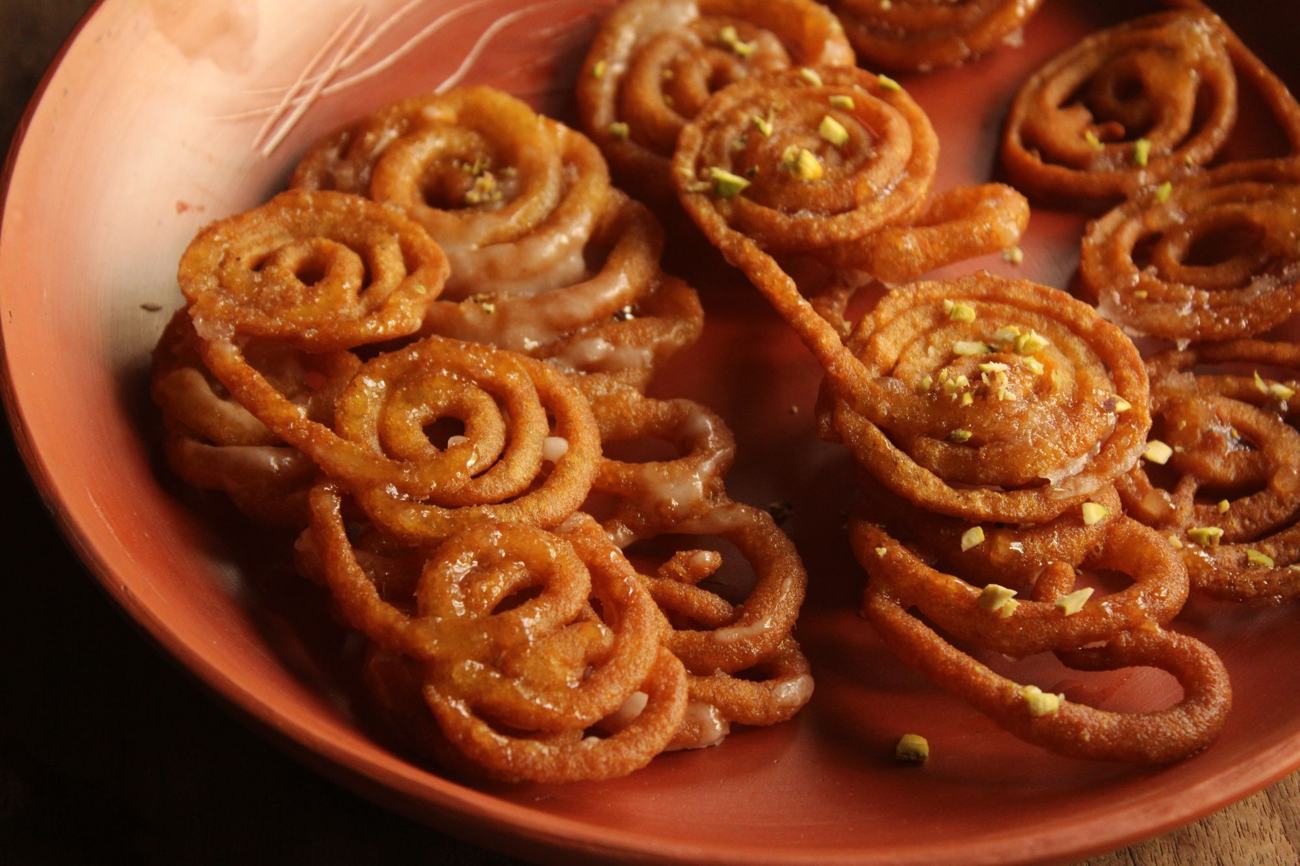
- Sweet stopMithai and teaSweet shops sell barfi, gulab jamun and jalebi by weight. A cup of doodh patti usually follows.
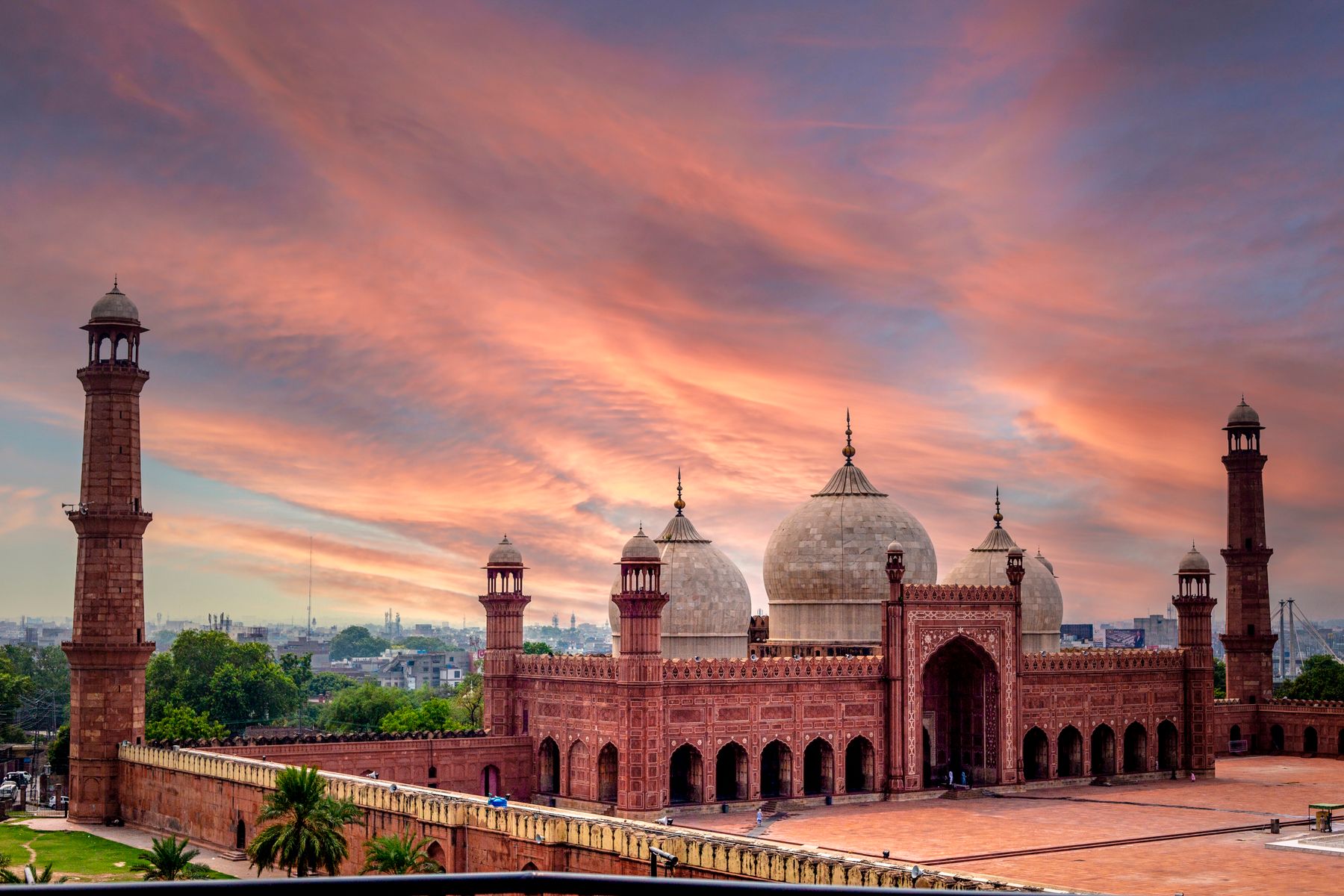
- EndWazir Khan MosqueFinish near Wazir Khan Mosque, whose entrance lane is lined with food sellers in the evening.
What to bring
- Comfortable shoes for uneven lanes
- A refillable water bottle
- Small notes for food purchases
- A light jacket in winter
Know before you go
- The walk is self-guided; travellers often hire a local guide for context.
- Most stalls are busiest from late afternoon until around 10 pm.
- The lanes are narrow and crowded; keep belongings close.
- Some food is fried in reused oil; choose busy stalls with high turnover.
- The area is conservative; dress modestly and ask before photographing people.
Where it starts
The walk begins at Delhi Gate, on the eastern edge of the Walled City. It is a short ride by rickshaw from Lahore's main railway station or the Anarkali area. Several buses stop nearby on Circular Road.
What to eat
The Walled City is known for fried snacks, flatbreads and sweets. Samosas, pakoras and bread rolls are common at street corners. Parathas are cooked on large tandoors and served with curry or egg. Sweet shops sell mithai by weight, including barfi, gulab jamun and jalebi. Doodh patti, a milky tea, is drunk through the day and into the night.
Many stalls specialise in one item and have done so for decades. The food is inexpensive and meant to be eaten standing or on a bench. Hygiene varies, so choose stalls with a steady queue and food that is cooked to order.
Savoury stops
Start with fried snacks, then move to paratha or naan with a simple curry. Some lanes near Bhati Gate are known for chickpeas and fried fish. Portions are small, so try a few.
Sweet stops
Sweet shops are concentrated around the main bazaars. Jalebi is fried fresh in the evening. Gulab jamun and barfi are sold by weight. Many shops also sell savoury snacks, so look before you buy.
Route and sights
A simple route runs from Delhi Gate north through the lanes towards Wazir Khan Mosque. The mosque, built in the 17th century, sits at the end of a narrow bazaar. The lane leading to it is lined with food stalls and shops selling everything from spices to shoes. The mosque courtyard is a quiet place to pause.
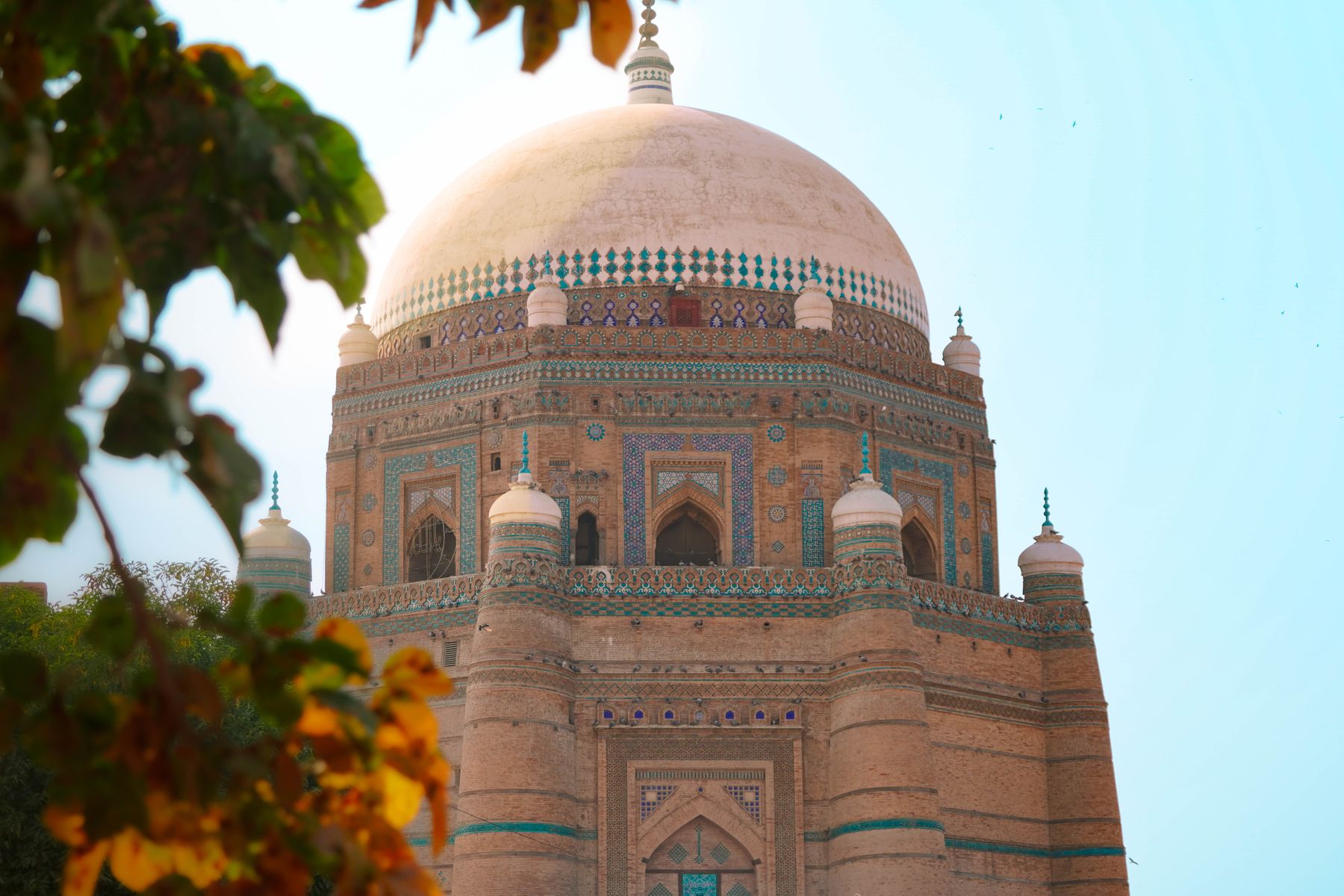
Other landmarks are close by. The Shahi Hammam, a restored Mughal bathhouse, is near Delhi Gate. The Wazir Khan Mosque and the surrounding bazaars are the main draw for most walkers. Sunehri Masjid is also within the old city. The lanes are not signposted, so a map or a local guide helps.
Practicalities
The walk is best done in the cooler months, from October to March. Summer afternoons are hot and humid, and the lanes offer little shade. Evenings are cooler and busier, with more stalls open. Ramadan changes the rhythm: daytime eating is limited, but the evening bazaars are lively after sunset.
Wear comfortable shoes and carry water. The lanes are uneven and crowded, and some are too narrow for cars. Rickshaws can drop you at the gates. Dress modestly, covering shoulders and legs. Ask before photographing people or food stalls.
The Walled City is a residential area, so keep noise down and respect privacy. Some lanes are closed to traffic at peak times. A local guide can help with navigation and context, but the walk is easy to do independently.
Frequently asked questions
Is the Walled City food walk suitable for vegetarians?
Yes. Many stalls sell vegetarian snacks such as samosas, pakoras and parathas. Sweet shops are also vegetarian. Meat dishes are common, but you can stick to vegetarian options without difficulty.
How long does the Walled City food walk take?
A relaxed walk with several stops takes about three hours. The distance is short, but eating and browsing add time. You can shorten or extend the route easily.
Do I need a guide for the Walled City food walk?
No. The walk is self-guided and the lanes are busy with locals. A local guide can add context and help with navigation, but many travellers explore independently.
When is the best time to do the Walled City food walk?
October to March is the most comfortable period. Evenings are cooler and busier. Avoid summer afternoons, when the heat is intense. Ramadan evenings are lively but crowded.
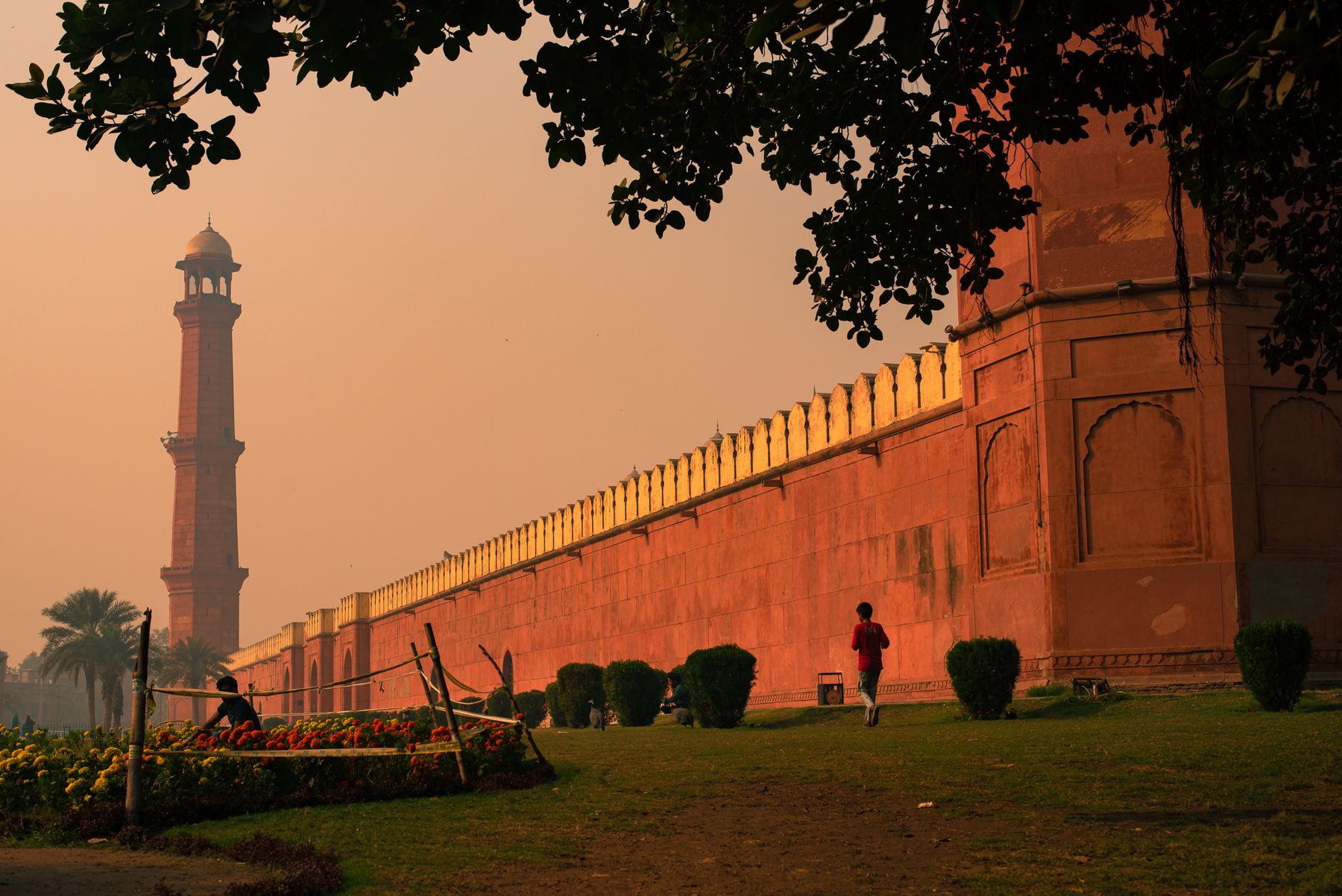 Photo: Wasif Mehmood / Pexels
Where to stay
Most visitors stay in Gulberg or the Mall Road area, a short ride from the old city.