 Photo:
The walled city
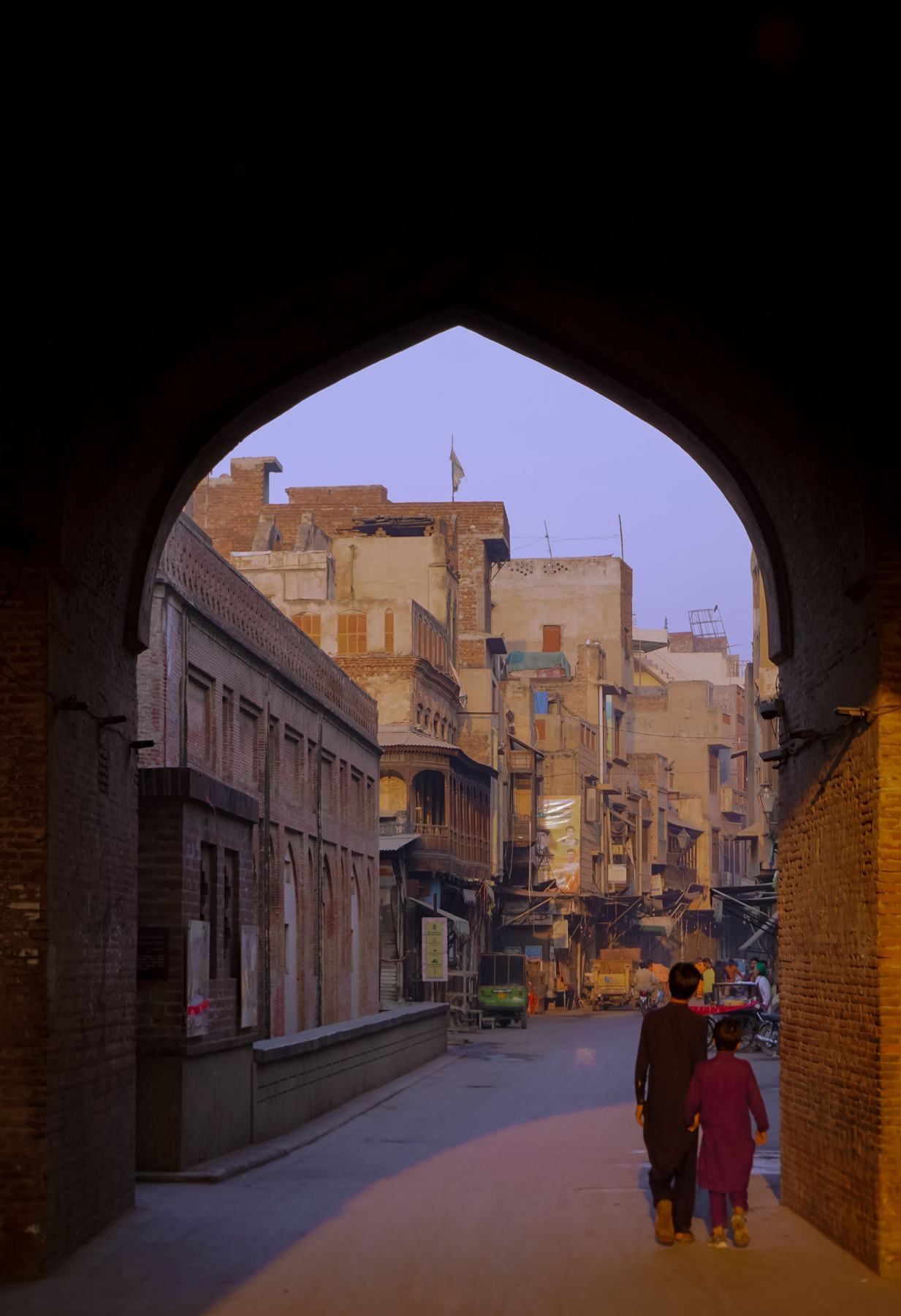
The walled city is the oldest part of Lahore, a dense grid of lanes enclosed by the remains of a brick wall and a ring of gates. Thirteen gates are named, though not all survive intact. Delhi Gate, on the eastern side, is the usual entry point and leads straight into the bazaar that runs towards the fort.
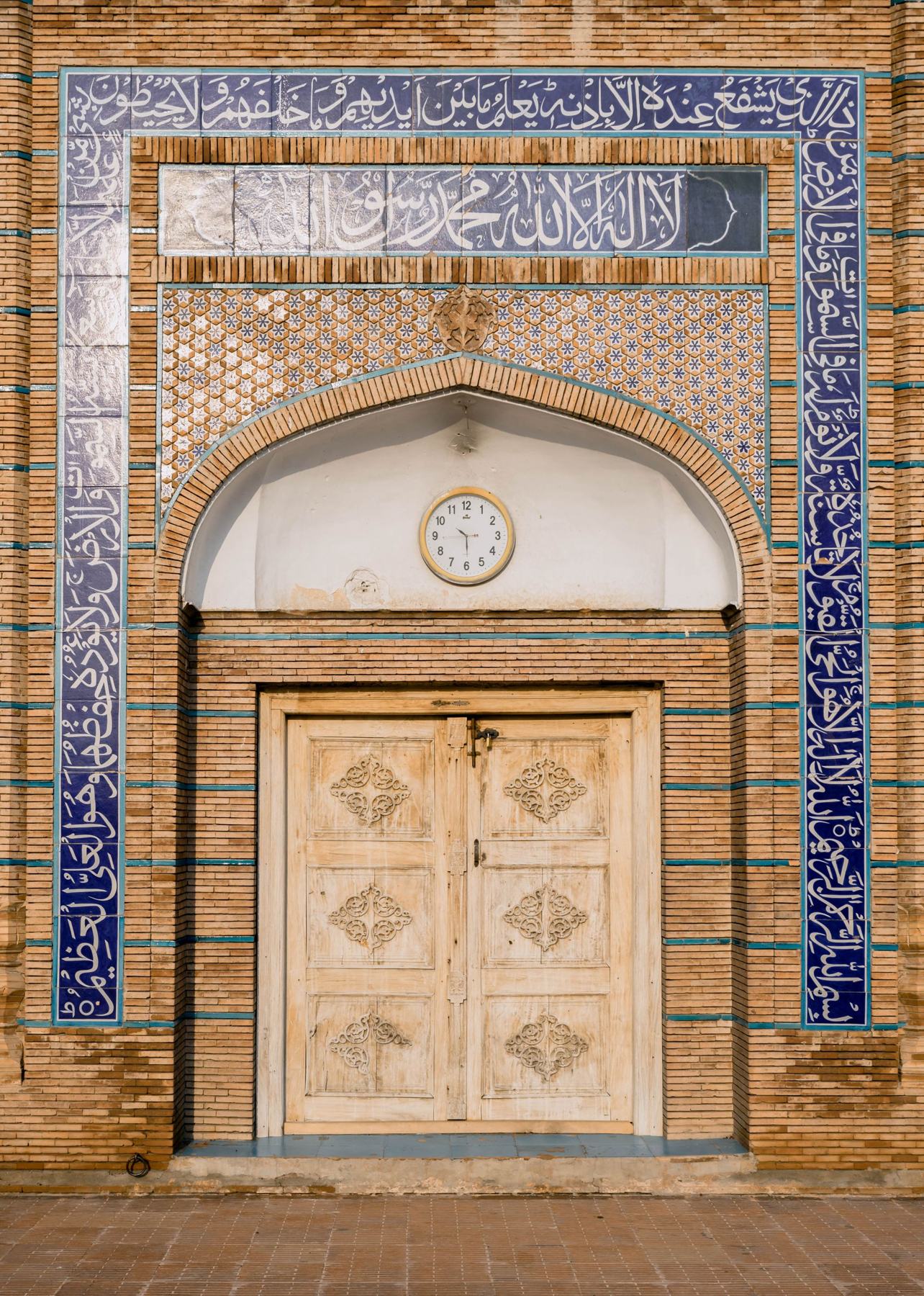
Most of the Mughal monuments stand within a short walk of each other. The Wazir Khan Mosque, built in the seventeenth century, is known for its tilework. The Shahi Hammam nearby has been restored and is open to visitors. A fee is charged at the main monuments.
Walking the bazaars
The lanes are narrow and busy, with shops, carts and handcarts sharing the space. Walk slowly and keep to the side. The route from Delhi Gate to the fort passes through several bazaars, each with its own trade, from cloth to spices to metalwork.
Fort and Badshahi Mosque
The Lahore Fort and the Badshahi Mosque face each other across a wide open space at the north-western edge of the walled city. The fort has been built and rebuilt over centuries, and its standing structures date mainly from the Mughal period. The Sheesh Mahal, or Palace of Mirrors, is among the best known of its halls.
The Badshahi Mosque was completed in the seventeenth century and was long among the largest mosques in the world. Its courtyard is vast and its red sandstone walls are visible from much of the old city. Visitors remove shoes before entering the prayer area, and non-Muslims should check current guidance on access and timing.
Gardens and museums
The Shalimar Gardens lie east of the walled city, laid out in the Mughal era as a terraced garden with water channels and pavilions. The site is a UNESCO World Heritage Site together with the fort. It is a calm place to walk in the cooler hours of the morning.
The Lahore Museum on Mall Road holds a wide collection covering the region's history, art and archaeology. Mall Road itself is lined with colonial-era buildings, including government offices and educational institutions. The area is easy to combine with the museum in a single afternoon.
Practical notes
Lahore has a hot semi-arid climate. Summers from April to June are very hot, and the monsoon from July to September brings rain and humidity. The cooler months from October to March suit walking, though December and January mornings can be foggy and slow road travel.
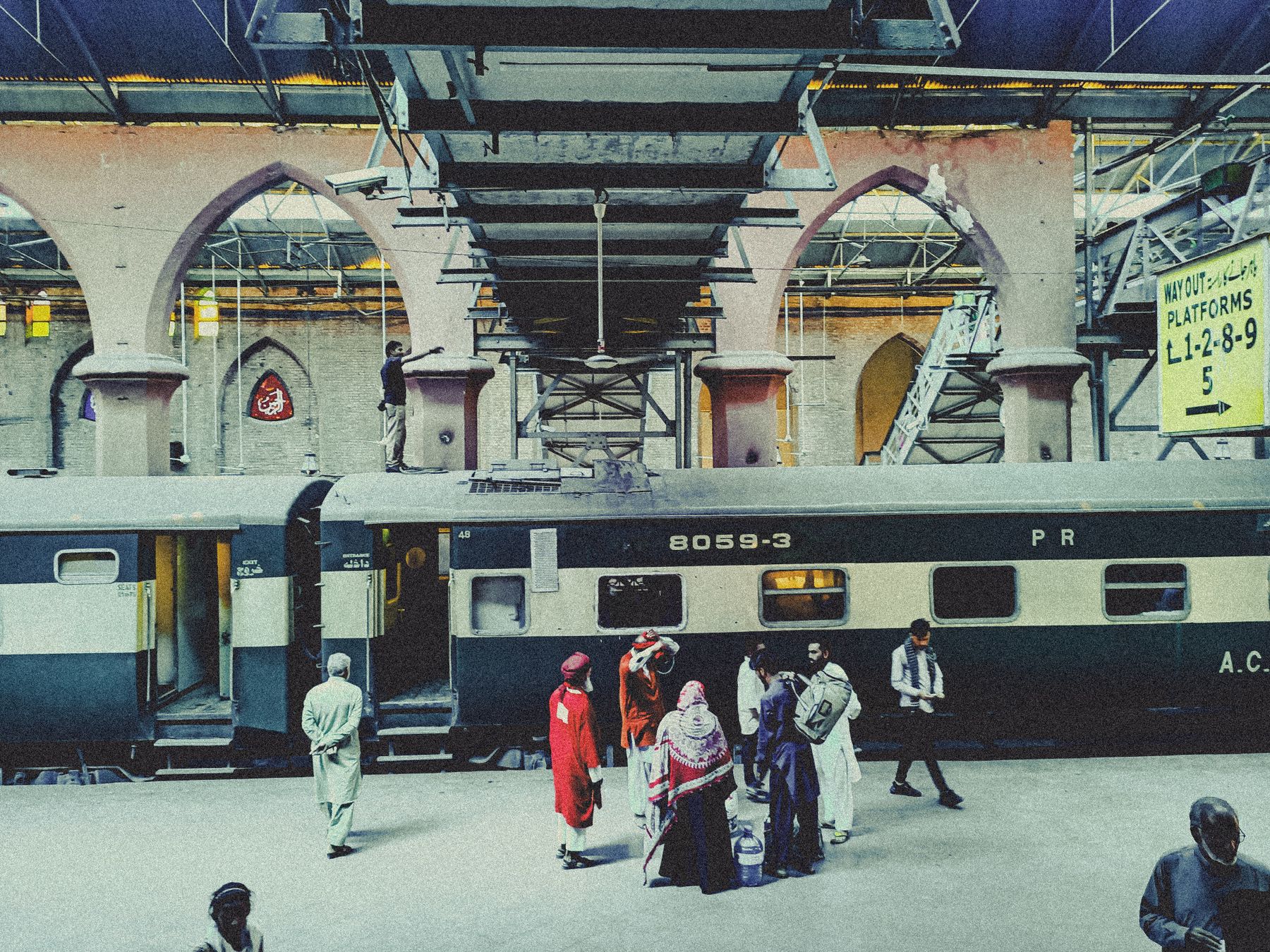
The city is served by an international airport and by rail and road links from the rest of Punjab. Most visitors base themselves in the central districts and travel to the walled city by car or ride-hailing service. Rules on access to monuments and shrines can change, so check current official advice before setting out.
Where to stay
Central districts such as Gulberg and the area around Mall Road put you within reach of both the old city and the gardens. The walled city itself has few places to stay, and the lanes are quiet at night. A central base makes the three-day route easier to follow.
Frequently asked questions
Is three days enough for Lahore?
Three days covers the walled city, the fort and Badshahi Mosque, the Shalimar Gardens and the museum at an unhurried pace. A fourth day allows time for the shrines and food streets. Longer stays suit travellers who want day trips to nearby sites.
When is the best time to visit Lahore?
October to March is the most comfortable window, with mild days and cool nights. Summers are very hot and the monsoon brings heavy rain. December and January can bring morning fog that slows road travel across the city.
Do you need a guide in the walled city?
A guide is not required, but the lanes are easy to get lost in and a local guide can explain the monuments. Walking independently is fine if you keep to the main routes between Delhi Gate and the fort and allow extra time.
What should you wear in Lahore?
Loose clothing that covers shoulders and knees suits most sites. Carry a scarf for mosque and shrine visits, and wear shoes that are easy to remove. Comfortable footwear helps on the uneven lanes of the walled city.