 Photo:
Why the blue tile
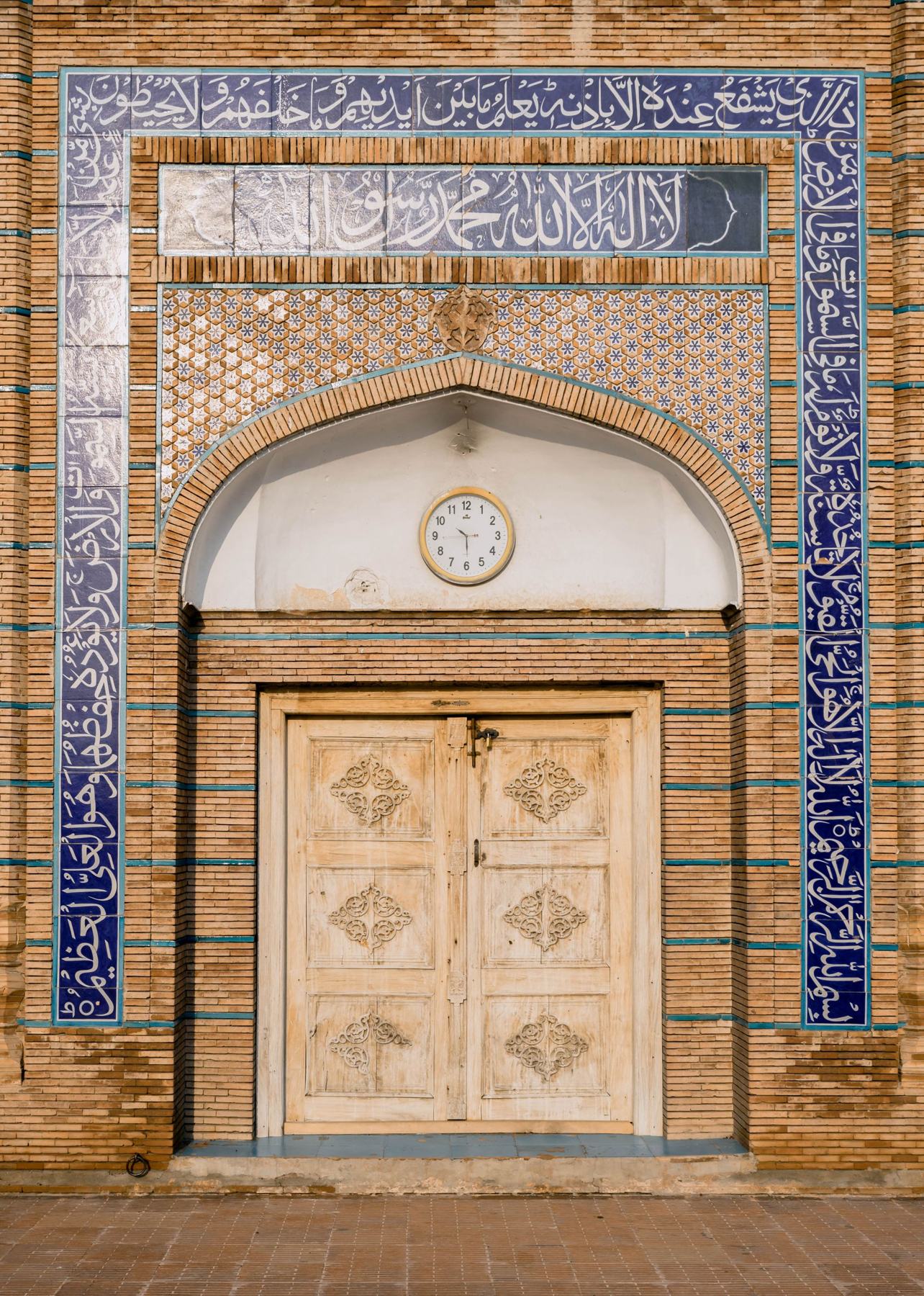
Multan's name is tied to its crafts, and blue pottery and tilework are the most visible. The shrines on the citadel mound carry bands of glazed tile in blue, turquoise and white, set into brick. The effect is strongest in low morning light, when the glaze catches the sun and the colours read clearly against the plain brickwork.
The tilework is not only decorative. It marks the tombs of the city's Sufi figures, and the craft has been maintained by local workshops for generations. Pieces of blue pottery are sold in the bazaars around Hussain Agahi and near the fort, so the same palette appears on the monuments and in the shops.
What to look for
Look at the geometric bands around the doorways and the calligraphy panels above the entrances. On Shah Rukn-e-Alam the tilework runs in horizontal courses around the octagon. Much of the original glaze has worn, and the repaired sections show a slightly different tone.
The old city on foot
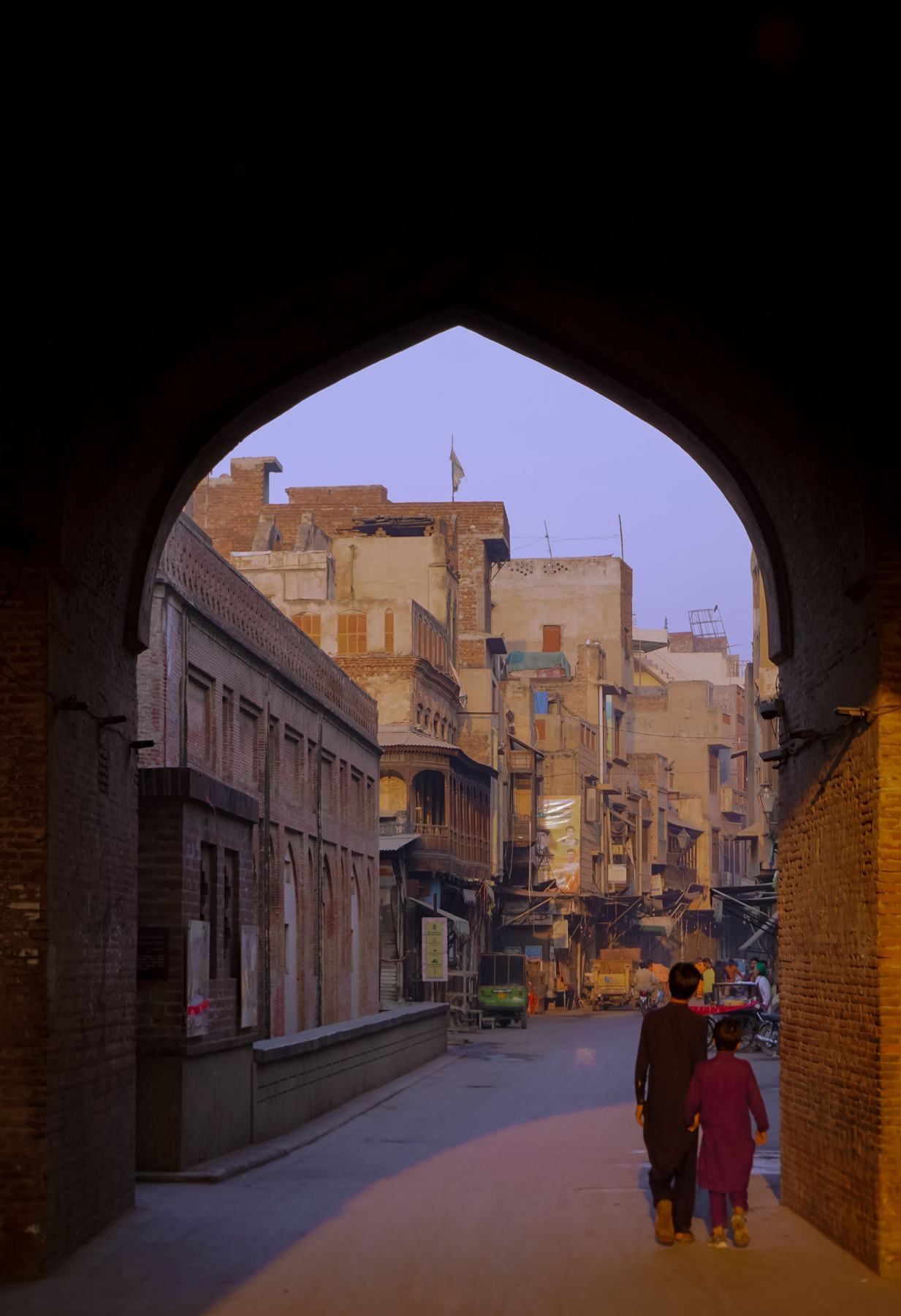
The historic core is compact but dense. Lanes between the bazaars are narrow, often shared with carts, motorcycles and pedestrians, and the route between the main shrines is short enough to walk. Start near the citadel mound, where the two principal tombs stand within a few minutes of each other, then work down towards the bazaars.
Signage is limited and street names change between maps and local use. Asking for the shrine by name works better than following a route. Rickshaws are easy to find at the edges of the old city and are useful for the longer hop to Qasim Bagh.
Getting between sites
Distances inside the old city are short. The walk from the citadel mound to Qasim Bagh takes around twenty minutes at an easy pace. A rickshaw saves time in the heat, and drivers know the shrine entrances.
Qasim Bagh and the fort
Qasim Bagh is the large park below the citadel mound. It holds the remains of Multan's old fort, including a gateway and stretches of wall, and several monuments within its grounds. The tomb of Shah Ali Akbar and the shrine of Musa Pak Shaheed are both here, and the paths between them are flat and shaded in places.
The park is a practical base for the afternoon. It sits within walking distance of the old city and the bazaars, and the open ground gives some relief from the crowded lanes. The fort ruins are fragmentary, so treat them as part of the walk rather than a separate sight.
Timing the visit
Late afternoon suits the park best, when the light softens and the day cools. The grounds are busiest around evening, when local families come out. Allow an hour for the monuments and another for the walk back through the bazaars.
Practical notes
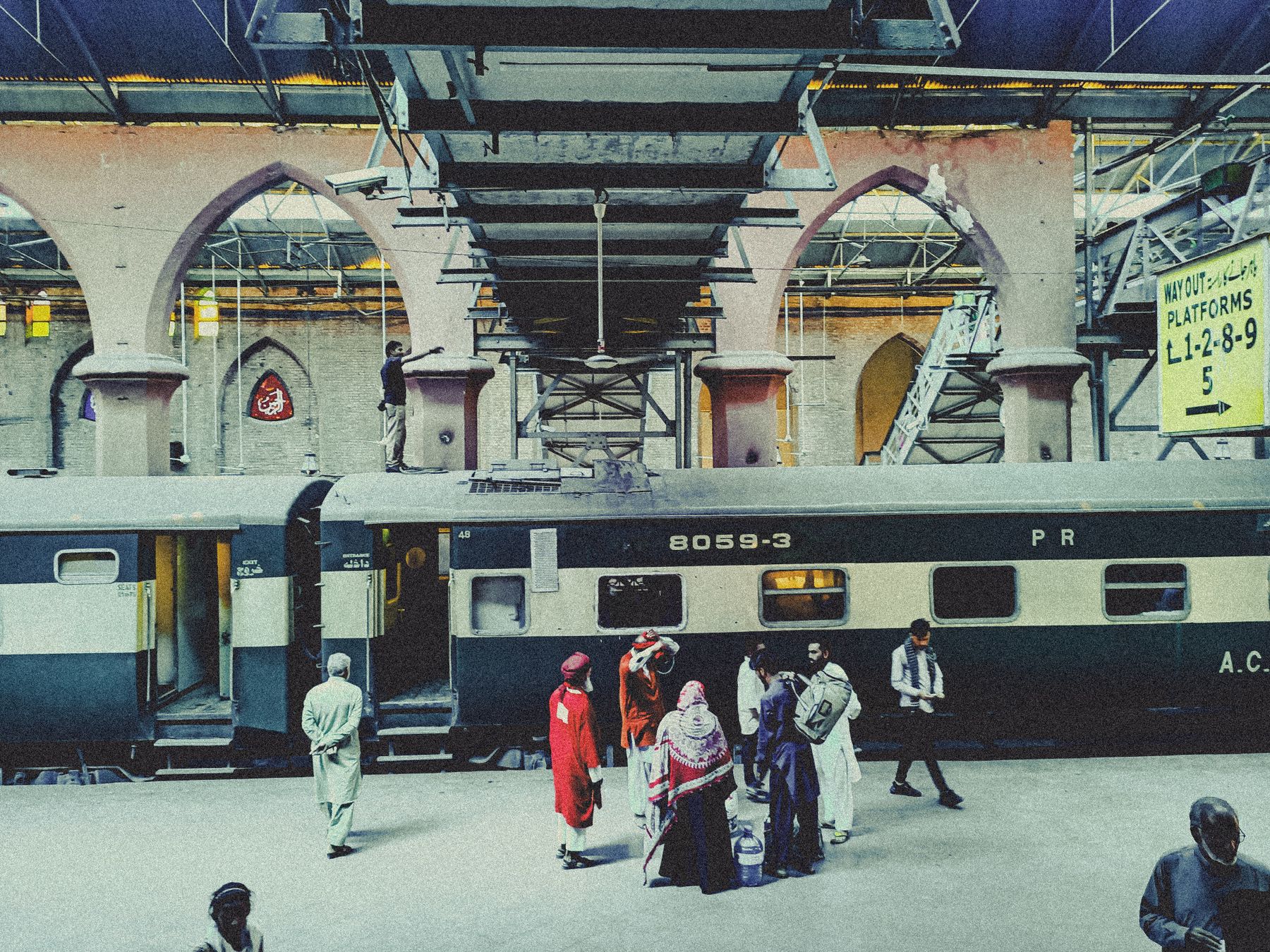
Multan is served by road and rail from Lahore and other Punjabi cities, and the airport lies outside the city centre. The old city and Qasim Bagh are close enough to combine on foot, with rickshaws for the longer stretches. A full day is enough for the main shrines, though a second day allows a slower pace and time in the bazaars.
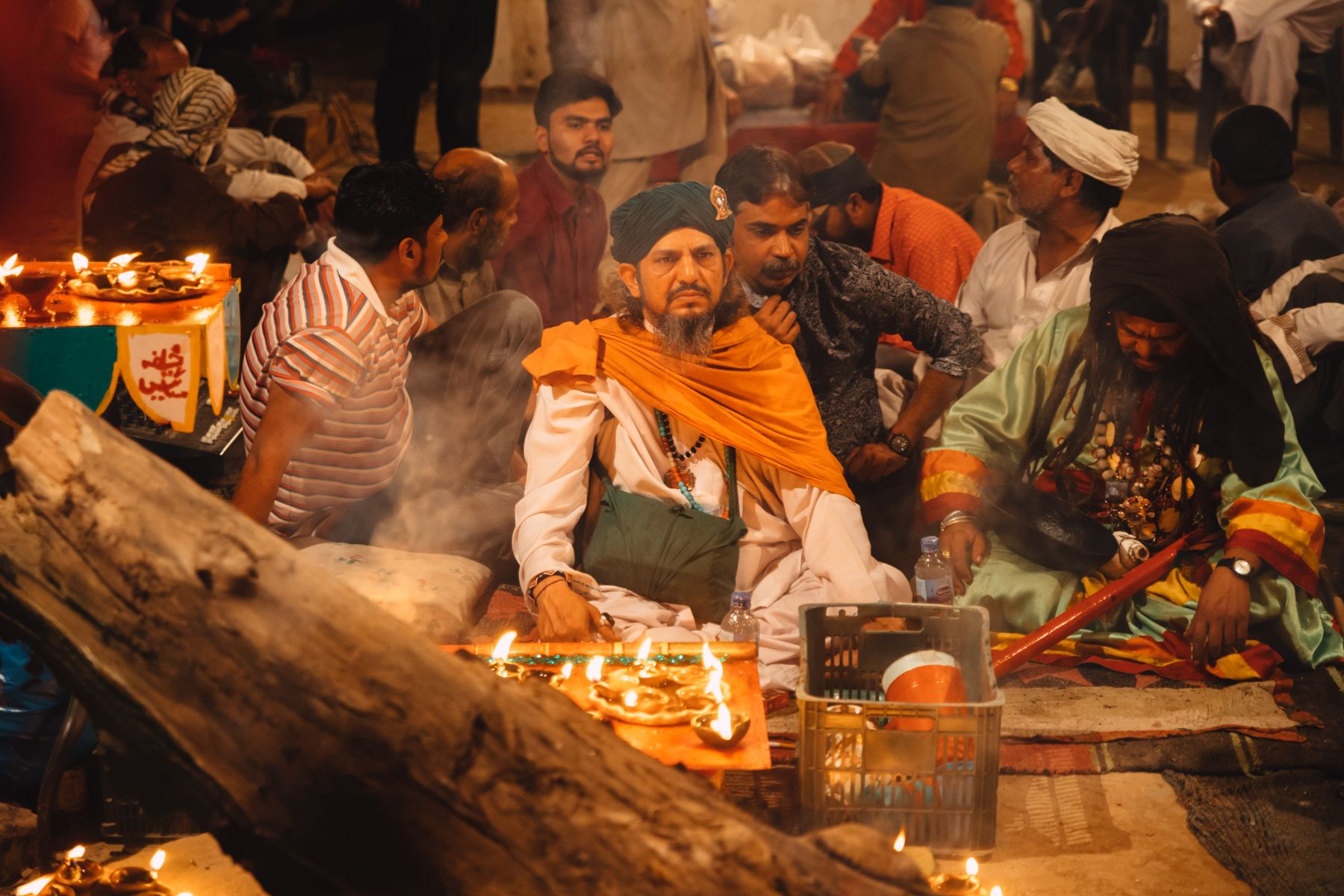
The cooler months from October to March are the most comfortable. Summer temperatures are high and the monsoon brings humidity. Shrine etiquette is straightforward: modest dress, shoes removed at the entrance, and quiet inside the tomb chambers. Some sites charge a small fee for entry or for cameras.
Access and advice
Rules on access and photography can change, and some areas of Pakistan require a No Objection Certificate. Check current official advice before travelling and confirm local conditions on arrival.
Frequently asked questions
How many shrines can you see in one day in Multan?
The main group on the citadel mound, the monuments in Qasim Bagh and the shrine of Shams Tabrez near Hussain Agahi fit into a single day at an easy pace. A second day allows a slower visit and more time in the bazaars.
When is the best time to visit Multan's blue shrines?
October to March brings cooler, drier weather. Summer heat is severe and the monsoon adds humidity. Whatever the season, start early and rest through the early afternoon, when the old city lanes hold the heat.
What should you wear at Multan's shrines?
Modest dress suits the shrine settings. Cover shoulders and legs, and women usually cover their hair inside. Shoes come off at the entrance, so carry a cloth bag to keep them together in the crowds.
Do you need a permit to visit Multan?
Multan itself is a normal city visit with no special permit for the main shrines. Some other districts of Pakistan require a No Objection Certificate, and rules change, so check current official advice before travelling.