 Photo:
Flights across Pakistan
Domestic air services connect Lahore, Karachi, Islamabad, Peshawar and Quetta, with smaller airports serving the north. The flight to Gilgit is short but depends on clear weather, and services are often suspended in poor conditions. Skardu has seasonal links that also depend on visibility. For long north-south journeys, flying saves a day or more compared with road or rail.
Book domestic seats in advance, especially around holidays and in the summer trekking season. Baggage allowances on domestic routes are usually lower than on international flights, so check before packing. Airports in the main cities have cafes and waiting areas, but smaller northern airports are basic. Keep a printed or offline copy of your booking in case mobile coverage is weak.
Mountain flights
Flights into Gilgit and Skardu are among the most weather-sensitive in the country. Morning departures are more likely to go ahead. If a flight is cancelled, road transport is the usual fallback, and that adds many hours to the journey.
Trains and the rail network
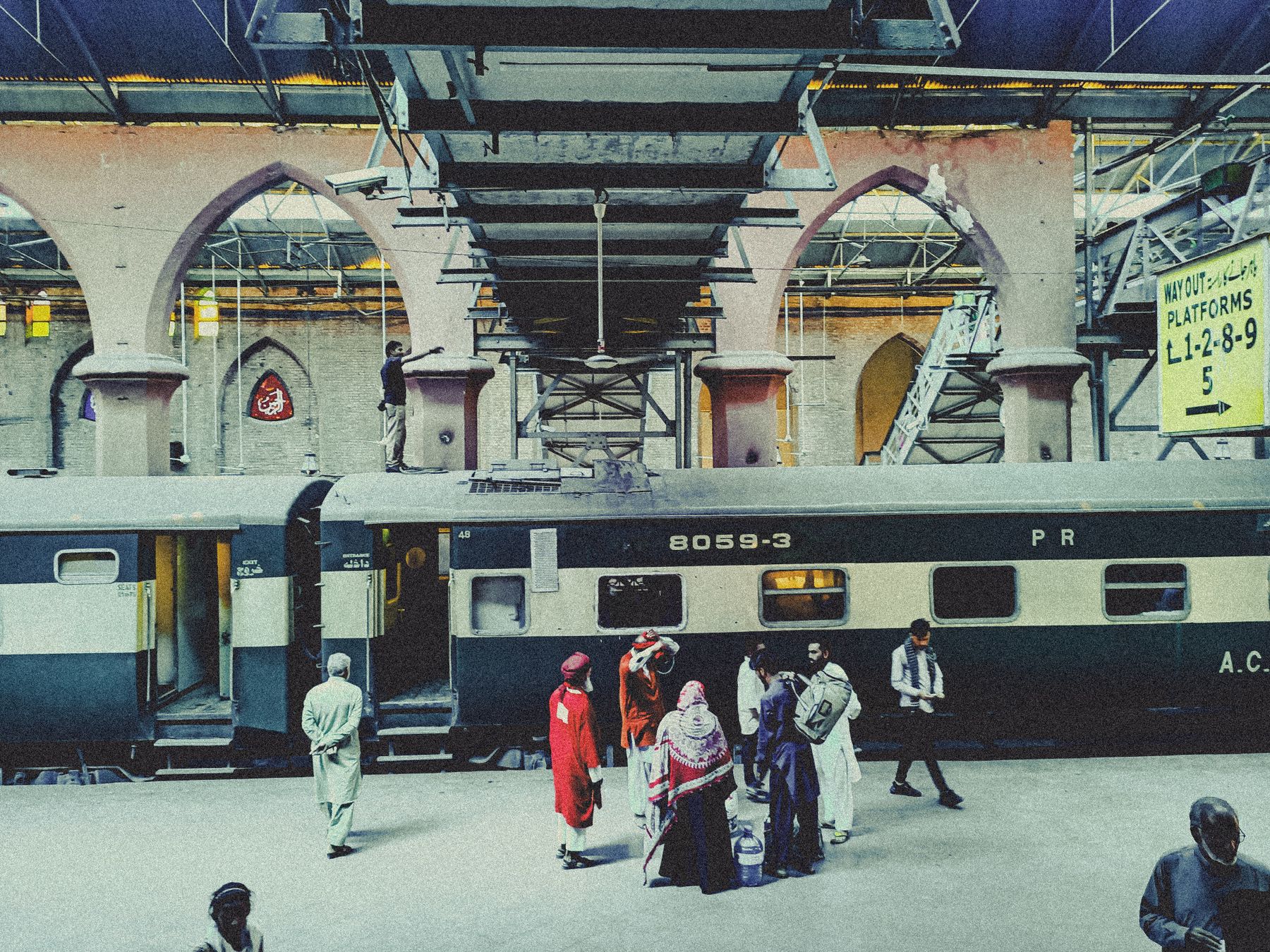
Pakistan Railways links the main cities along north-south corridors. Lahore is a major junction, with services towards Rawalpindi, Peshawar, Multan and Karachi. Overnight trains suit long journeys, and air-conditioned classes are more comfortable than economy. Book berths in advance, particularly for holiday periods.
Branch lines reach smaller towns, but services can be slow and infrequent. Check timetables close to your travel date, as schedules change. Major stations have ticket counters and waiting rooms. For shorter hops, coaches and hired cars often run more frequently than trains.
Roads, coaches and hired cars
The motorway network is the fastest way between the big cities. Lahore connects to Islamabad and onwards to Peshawar, and south towards Multan and Karachi. Coaches use these routes, and hired cars with drivers are common for point-to-point trips. Tolls apply on some sections.
In the north, the Karakoram Highway runs from Islamabad through Gilgit towards the Chinese border. Side roads climb to Hunza, Skardu and Chitral. These routes are slower, and landslides or snow can close them. Allow spare days and check road conditions locally before setting out.
Driving notes
Traffic in Lahore and Karachi is heavy, and driving styles differ from those in Europe. Many visitors prefer a hired car with a local driver. Fuel stations are frequent on the motorways and sparse on mountain roads, so fill up before long stretches.
Planning and permits
Distances in Pakistan are large. A trip that looks short on a map can take most of a day by road. Group nearby places and avoid crossing the country twice. In summer, the northern valleys are the main draw, and transport fills up. In winter, mountain roads can close and some services reduce.
Some districts, including parts of Azad Kashmir, Balochistan and border areas, can require a No Objection Certificate. Rules change, so check current official advice before travelling and allow time for paperwork. Carry identification, keep copies of documents and confirm your route with local contacts before departure.
When to travel
Spring and autumn are comfortable across most of the country. Summer suits the northern valleys but brings monsoon rain to the plains. Winter is mild in the south and cold in the mountains, where some passes close.
Frequently asked questions
How do you travel between Lahore and Islamabad?
The motorway is the fastest link, and coaches and hired cars cover the route in a few hours. Trains also connect the two cities. Flying is possible but usually unnecessary for this distance.
Are flights to Gilgit and Skardu reliable?
Both routes are weather dependent. Morning departures are more likely to operate, but cancellations happen. Many travellers use road transport as a fallback, which adds many hours to the journey.
Do you need a permit to travel in northern Pakistan?
Most of Gilgit-Baltistan is open to visitors, but some border districts and parts of Azad Kashmir and Balochistan can require a No Objection Certificate. Rules change, so check current official advice before travelling.
What is the best way to reach Hunza?
Most visitors travel by road along the Karakoram Highway from Islamabad via Gilgit. The journey takes two days with an overnight stop. Landslides and snow can delay the route, so allow spare days.