 Photo:
Dress code in practice
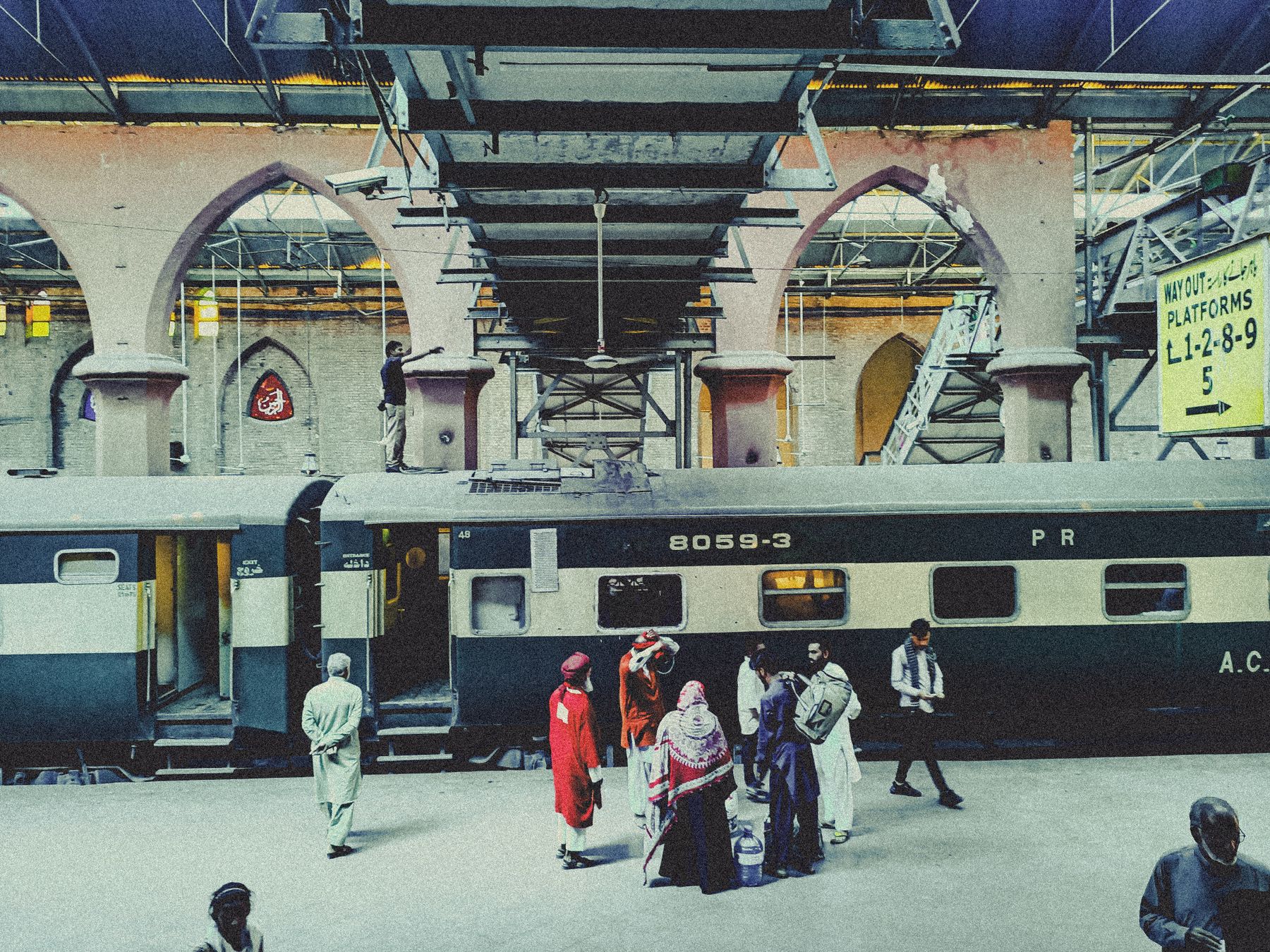
Pakistani dress is modest and practical. Loose clothing that covers shoulders and knees suits most situations. Shalwar kameez, a tunic over loose trousers, is common for both men and women and is comfortable in the heat. Jeans and shirts are normal in cities such as Lahore, Karachi and Islamabad.
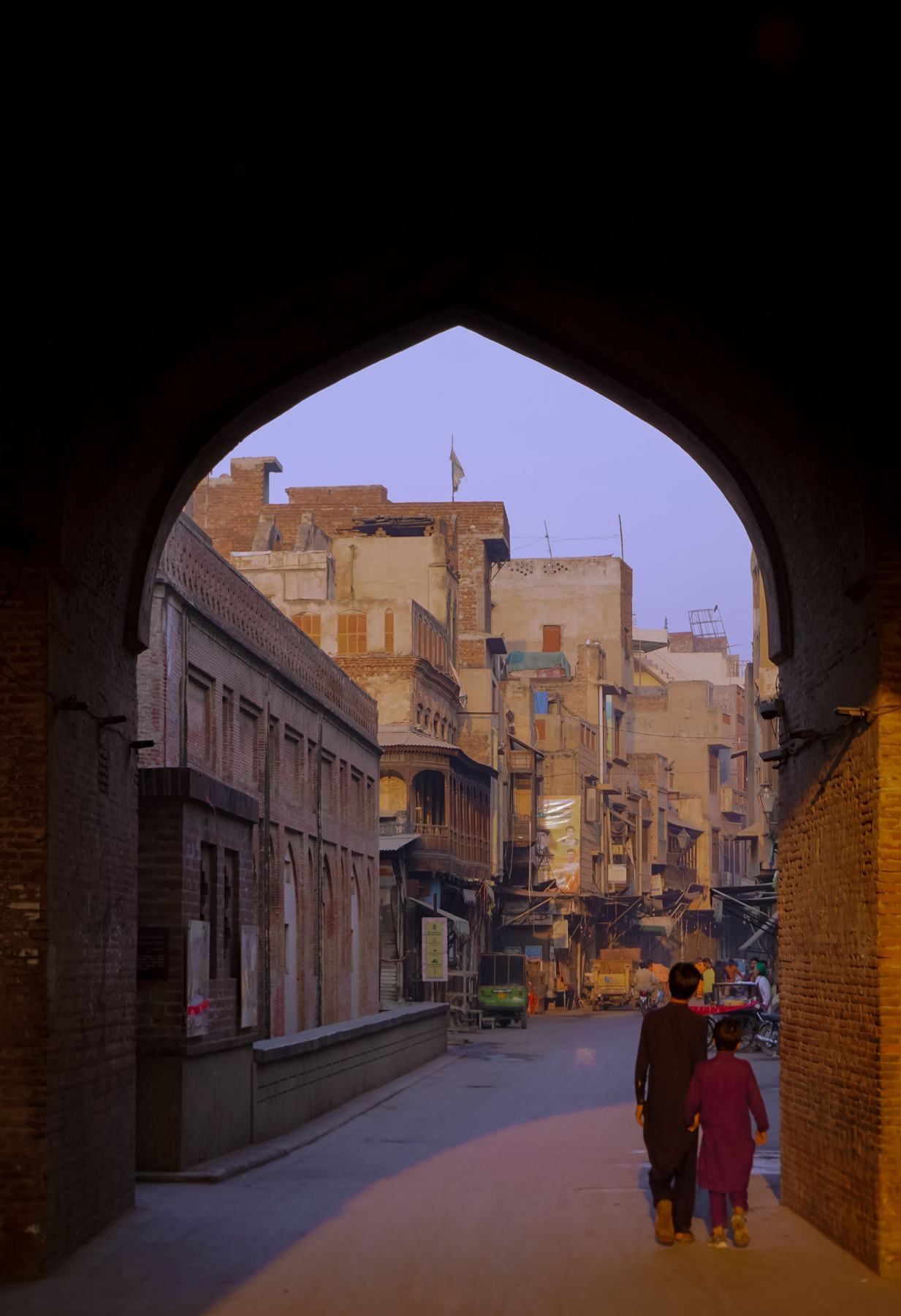
Foreign visitors are treated with courtesy, and modest dress is read as respect rather than restriction. Light cotton works for the plains, and a scarf or dupatta is useful in religious buildings and older quarters. In Lahore, the walled city and its bazaars are busy and dusty, so closed shoes and a hat help.
Beach and pool areas are the exception, where swimwear is fine. Elsewhere, very short shorts or sleeveless tops draw attention. A light long-sleeved shirt and trousers cover most needs, and layers help with air-conditioned buses and buildings.
Women travellers
Many women wear a dupatta over the shoulders or head. Foreign women are not expected to cover their hair in public, but a scarf is useful at mosques and shrines. Loose trousers, long skirts and shirts that cover the upper arms work well. Some women carry a light shawl for evening visits to older quarters.
Men travellers
Trousers and a shirt are fine in cities. Shorts are uncommon outside sports and beach settings. At mosques, cover the shoulders and legs; some sites lend wraps. A cap is useful in the sun, though it comes off indoors at religious sites.
Greetings and everyday manners
Salaam is a common greeting, and the reply is usually the same word. A handshake is usual between men. With women, wait for a hand to be offered. Some people prefer a hand on the heart instead of physical contact, and this is a polite alternative.
Use the right hand to offer and receive food, gifts and money. The left hand is used for personal hygiene. At shared meals, take food from the section nearest you. Shoes come off at mosques, shrines and many homes, and socks help on hot stone floors.
Hospitality is taken seriously. If you are offered tea, accepting is a simple courtesy. Ask before photographing people, especially women and in shrines. Avoid photographing military sites, checkpoints and airports.
At mosques and shrines
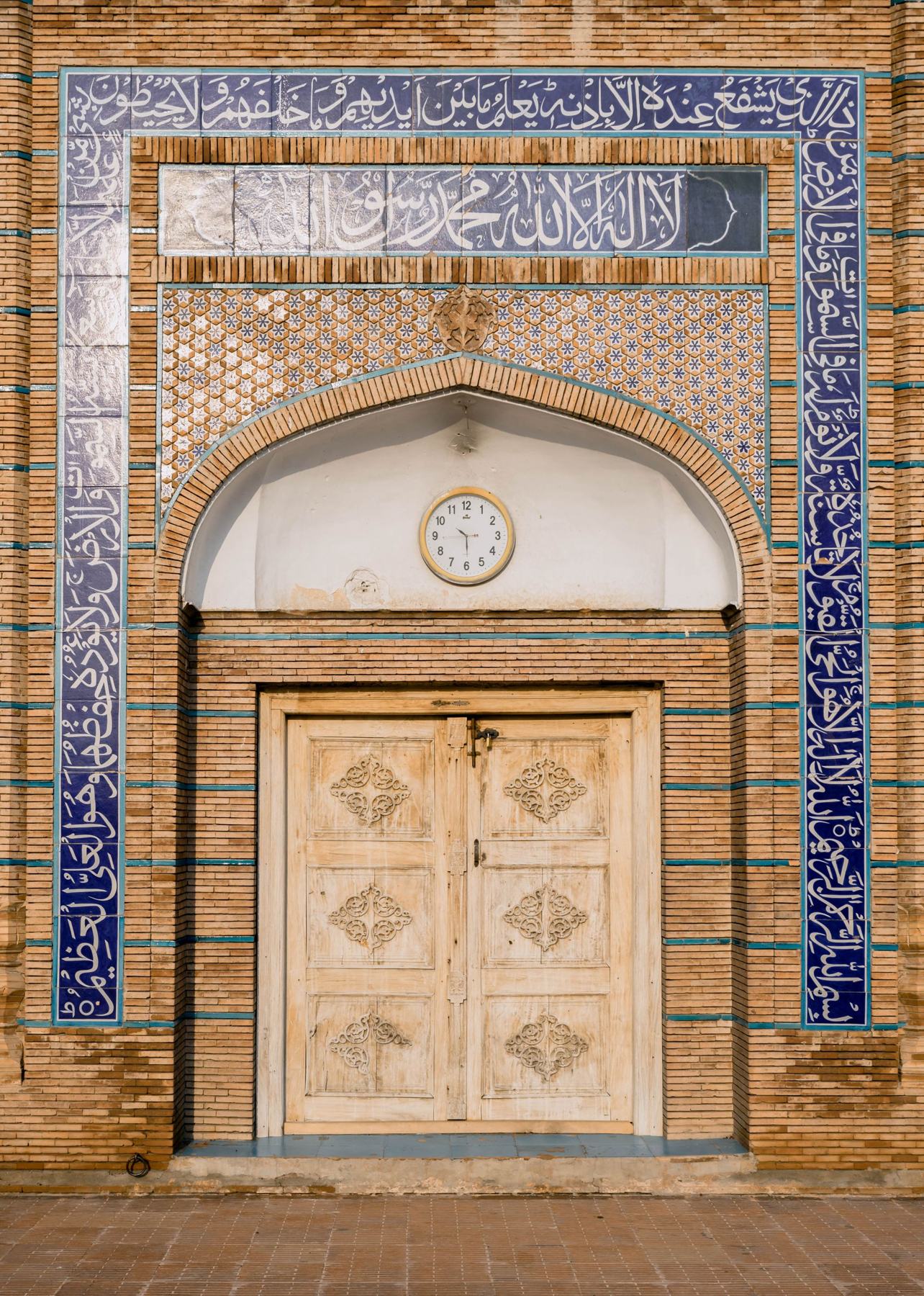
Remove shoes at the entrance. Women should cover the head and wear loose clothing; men should cover shoulders and legs. Some shrines lend scarves or wraps. Keep voices low, and avoid walking in front of people who are praying. Non-Muslims may be asked to stay outside certain inner areas.
Ramadan and public behaviour
During Ramadan many people fast from dawn to sunset. Eating, drinking and smoking in public during daylight can draw comment. Many restaurants close by day and reopen after sunset. Evening meals are busy, so plan around sunset and expect slower service in the late afternoon.
The dates of Ramadan move earlier each year. Check the current calendar before travelling. Eid al-Fitr marks the end of the fast, and Eid al-Adha follows later in the year. Both bring closures and heavy demand for transport, so book ahead.
Outside Ramadan, alcohol is limited. It is not sold openly in most places and is not served in many restaurants. Some hotels serve it to non-Muslim guests. Ask discreetly and respect local rules.
Dress in Ramadan
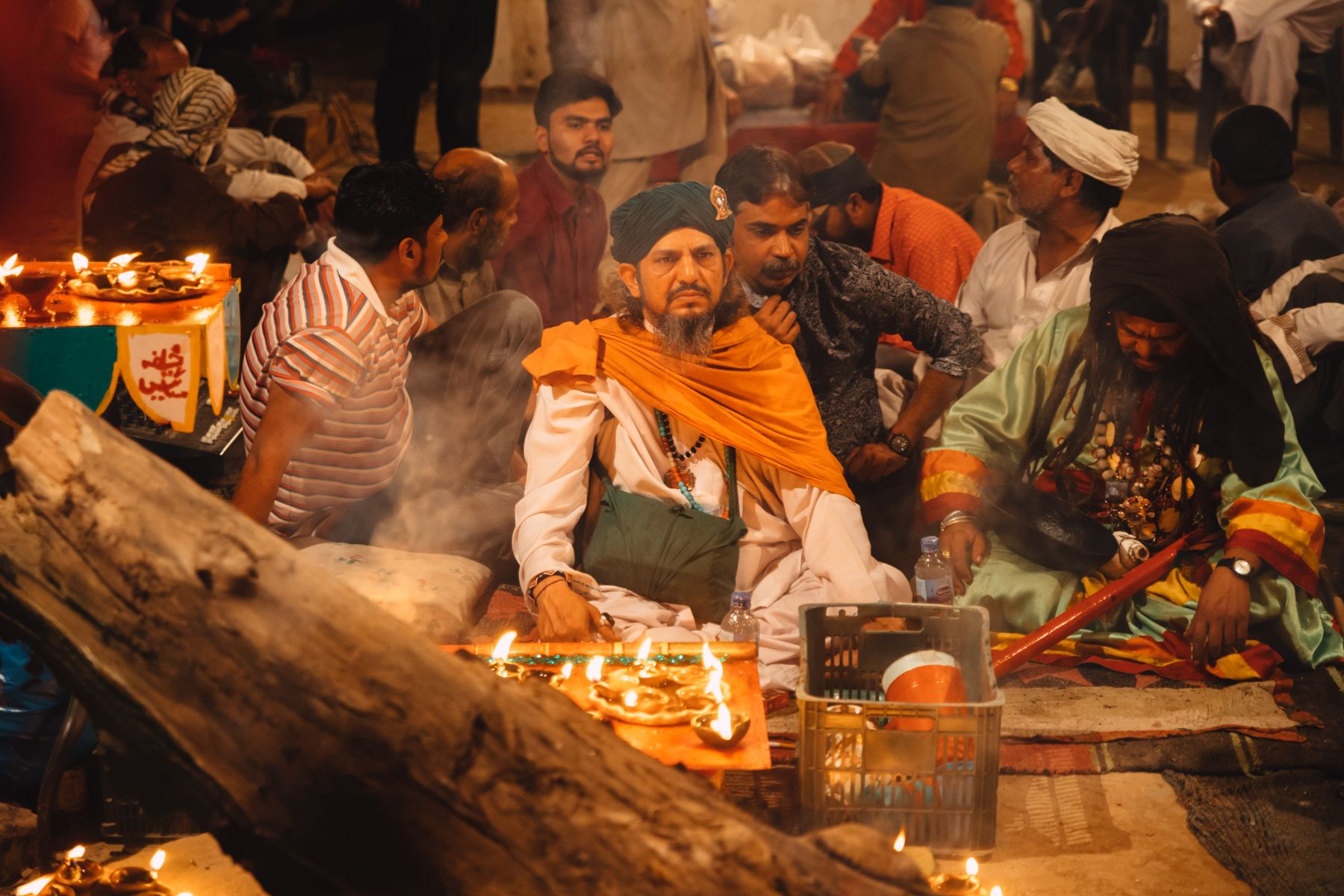
Modest dress is appreciated during the fast. Loose clothing that covers shoulders and knees is a safe choice. Evenings are social, and families visit markets and shrines after sunset, so the old quarters of Lahore are busy late into the night.
Lahore notes
Lahore mixes old and new. You will see shalwar kameez, jeans and formal wear on the same street. The walled city and its bazaars are busy and dusty, so closed shoes and a hat help. The Badshahi Mosque and Lahore Fort are major sites, and both ask for modest dress and shoes off at the entrance.
Summers are hot and humid, so light fabrics and water help. Winters from December to February are cool, with foggy mornings and chilly evenings. A jacket is useful, and the northern valleys are colder than the plains.
Some areas near the Line of Control in Azad Kashmir, parts of Balochistan and some border districts can need a No Objection Certificate (NOC) or have travel advisories. Rules change, so check current official advice before going.
Markets and shrines
In Anarkali and the walled city, dress as you would elsewhere in the city. At Data Darbar and other shrines, cover the head and remove shoes. Some shrines are busy on Thursday evenings and during Urs festivals, when crowds are large.
Frequently asked questions
What should women wear when visiting mosques in Lahore?
Women should cover the head with a scarf and wear loose clothing that covers the shoulders, arms and legs. Shoes come off at the entrance, so socks help on hot stone floors. Some mosques and shrines lend wraps, but carrying your own scarf is simpler.
Is shorts and sleeveless clothing acceptable in Pakistan?
Shorts and sleeveless tops are uncommon outside beach and pool areas. In cities and towns, loose trousers and shirts that cover the shoulders and knees suit most situations. Light cotton is comfortable in the heat and reads as respect for local custom.
How should travellers greet people in Pakistan?
Salaam is a common greeting, and the reply is usually the same word. A handshake is usual between men. With women, wait for a hand to be offered. Some people prefer a hand on the heart instead of physical contact, which is a polite alternative.
What changes during Ramadan for visitors?
Many people fast from dawn to sunset. Eating, drinking and smoking in public during daylight can draw comment, and many restaurants close by day. Evening meals are busy, so plan around sunset. Dates move earlier each year, so check the current calendar before travelling.