 Photo:



A travel guide to Punjab
The sections below cover where Punjab sits, when to go, how to reach it and how to move between its cities. Three route sections follow the main travel corridors: Lahore and the north-east, the southern cities of Multan and Bahawalpur, and the hill country around Murree and Rawalpindi. Practical notes and itineraries close the guide.
Where Punjab is
Punjab lies in eastern Pakistan, bordered by India to the east and south-east, Sindh to the south, Balochistan to the south-west and Khyber Pakhtunkhwa and Islamabad Capital Territory to the north and north-west. The province is largely a plain built from the silt of five rivers: the Jhelum, Chenab, Ravi, Beas and Sutlej. Most of the population lives along these river corridors.
The northern edge rises into the outer Himalaya and the Murree hills. The south gives way to the Thar and Cholistan deserts. Lahore, Multan, Faisalabad, Rawalpindi, Gujranwala and Sialkot are the main cities. Bahawalpur sits at the desert gateway in the south, and Murree is the hill station above Rawalpindi.
Best time to visit
October to March is the comfortable window. Days in Lahore and Multan are mild, and nights can be cold, especially in December and January. Fog can slow road and air travel in the northern plains in late December and January, so allow slack in plans.
April and May bring rising heat, and June to September is the monsoon, with heavy rain and high humidity. The southern desert is hottest in summer and best avoided then. Murree is cooler than the plains in summer but busy with domestic visitors, and it can see snow in winter.
Getting there
Most visitors arrive by air at Lahore, which has the province's main international airport and connections to the Gulf, Europe and other Pakistani cities. Islamabad's airport, just north of Rawalpindi, is a second option for the northern part of the province. Multan and Bahawalpur have smaller airports with domestic links.
Rail is well established between Lahore, Rawalpindi, Faisalabad, Multan and Bahawalpur, and the motorway network links the main cities. Long-distance buses and coaches run on the same corridors. From Islamabad, Rawalpindi is a short drive, and Murree is reached by a hill road from there.
Lahore and the north-east
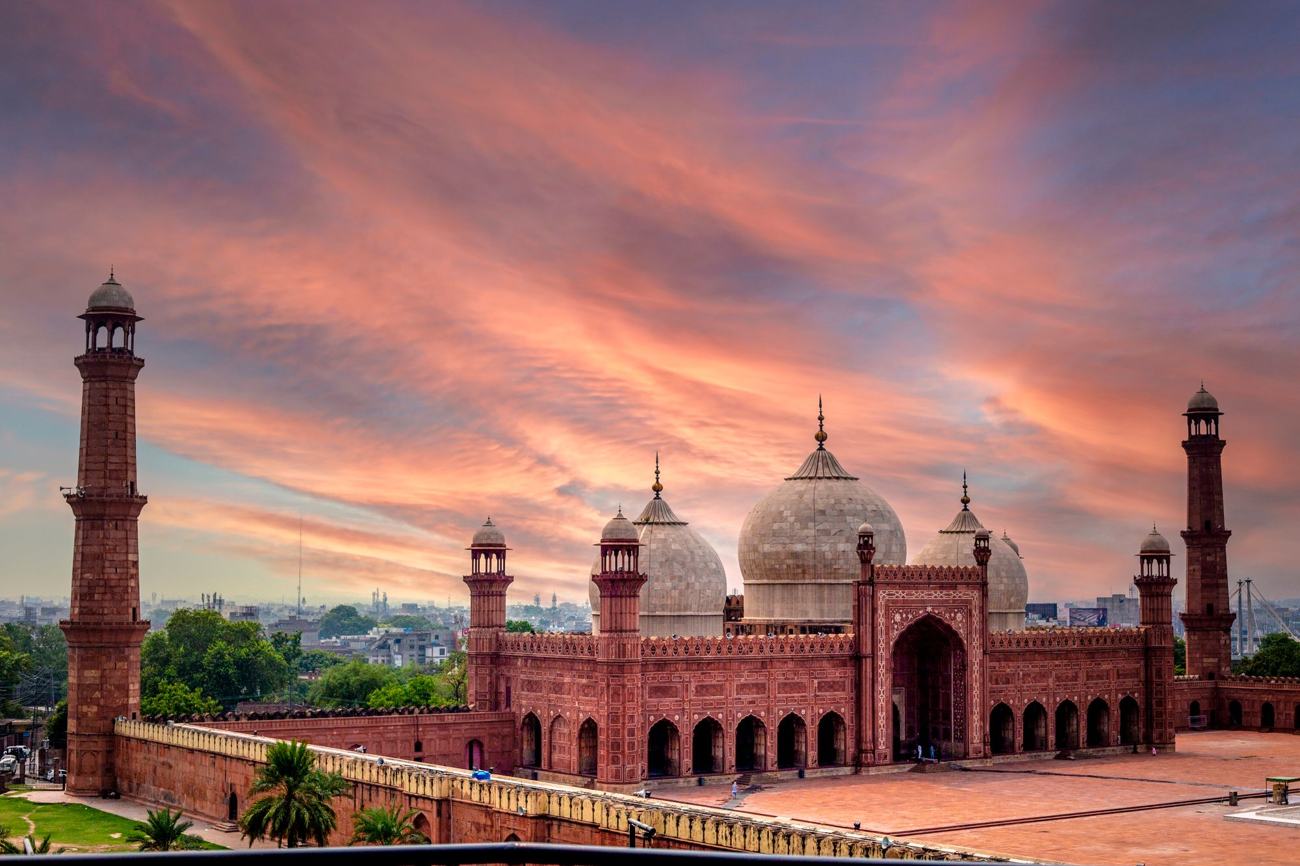
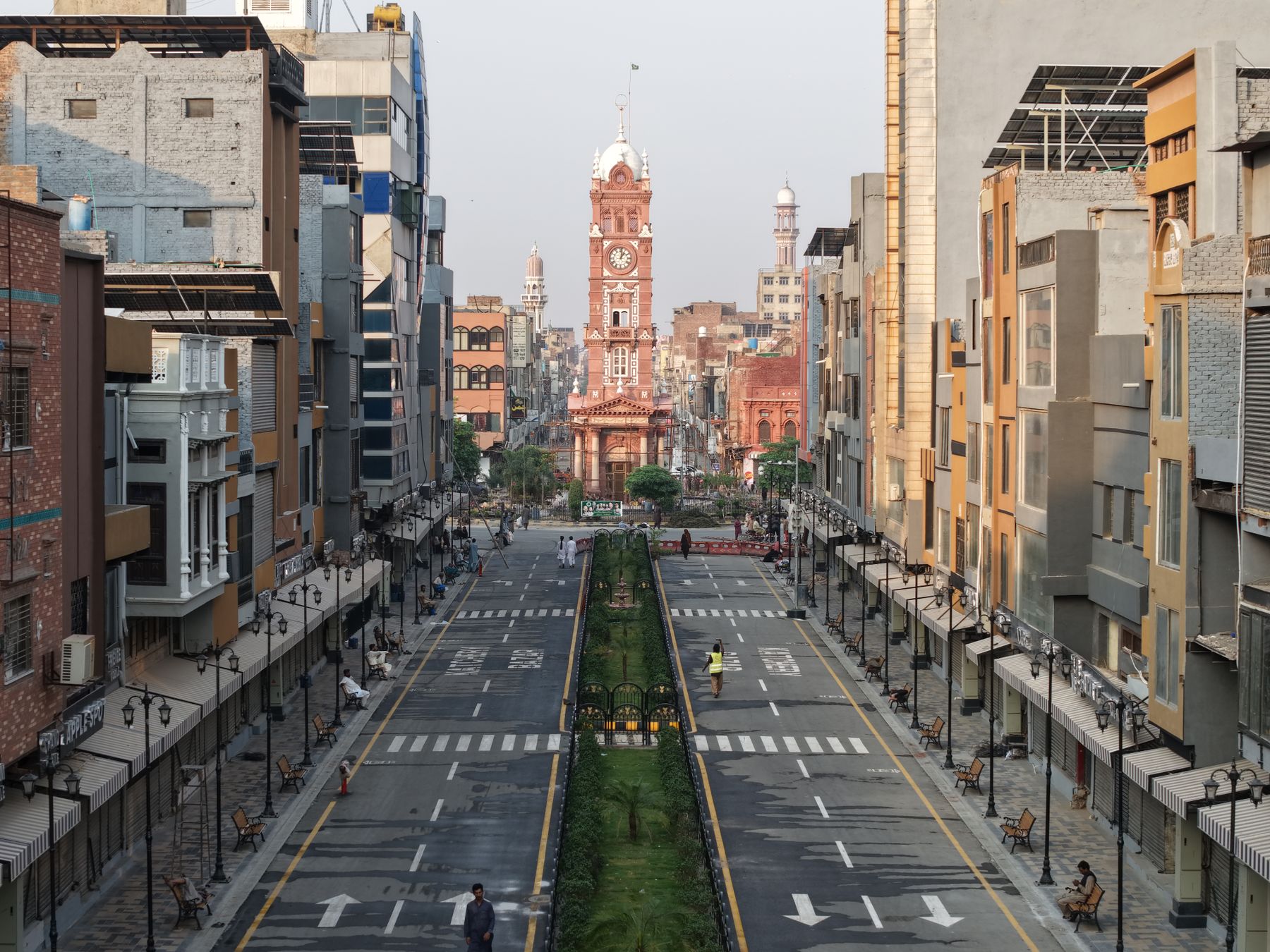
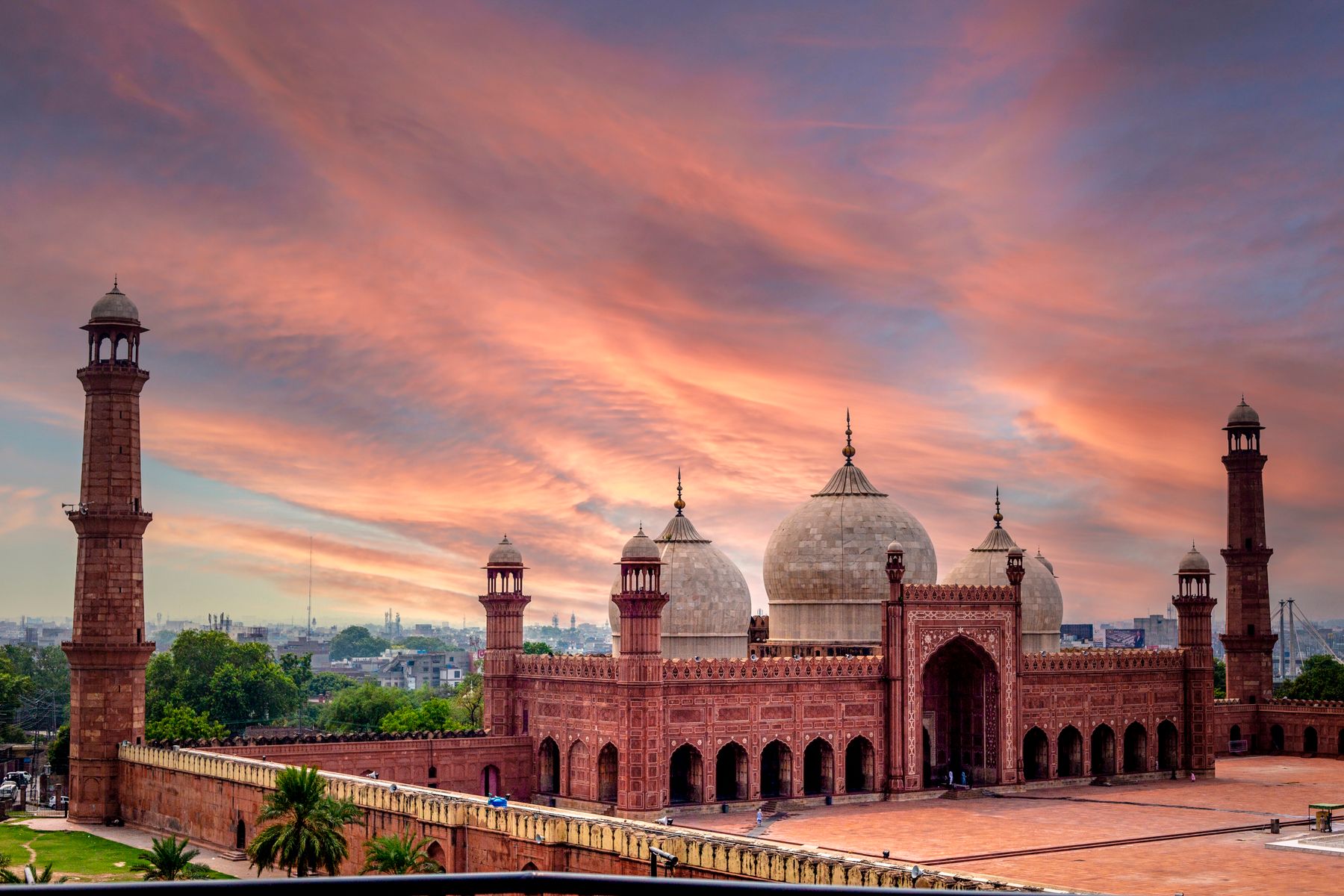
Lahore is the first stop for most trips. The Walled City holds the Badshahi Mosque, the Lahore Fort and the older bazaars, and the fort and Shalimar Gardens are both UNESCO World Heritage sites. The fort dates from the Mughal period, with later additions. Allow two full days at least, more if you want to see the museums and the colonial-era streets around the Mall.
East of Lahore, the border ceremony at Wagah draws crowds in the late afternoon. North of the city, Gujranwala and Sialkot sit in the industrial belt. Sialkot has a fort site and old city lanes. Faisalabad, west of Lahore, is a textile city with a busy bazaar core and a few colonial buildings.
The Walled City
The old city is dense and best explored on foot, early in the day. The Badshahi Mosque faces the fort across a broad courtyard. Delhi Gate and the surrounding lanes lead to covered bazaars. Dress modestly and expect crowds around the main monuments on weekends.
Multan and Bahawalpur
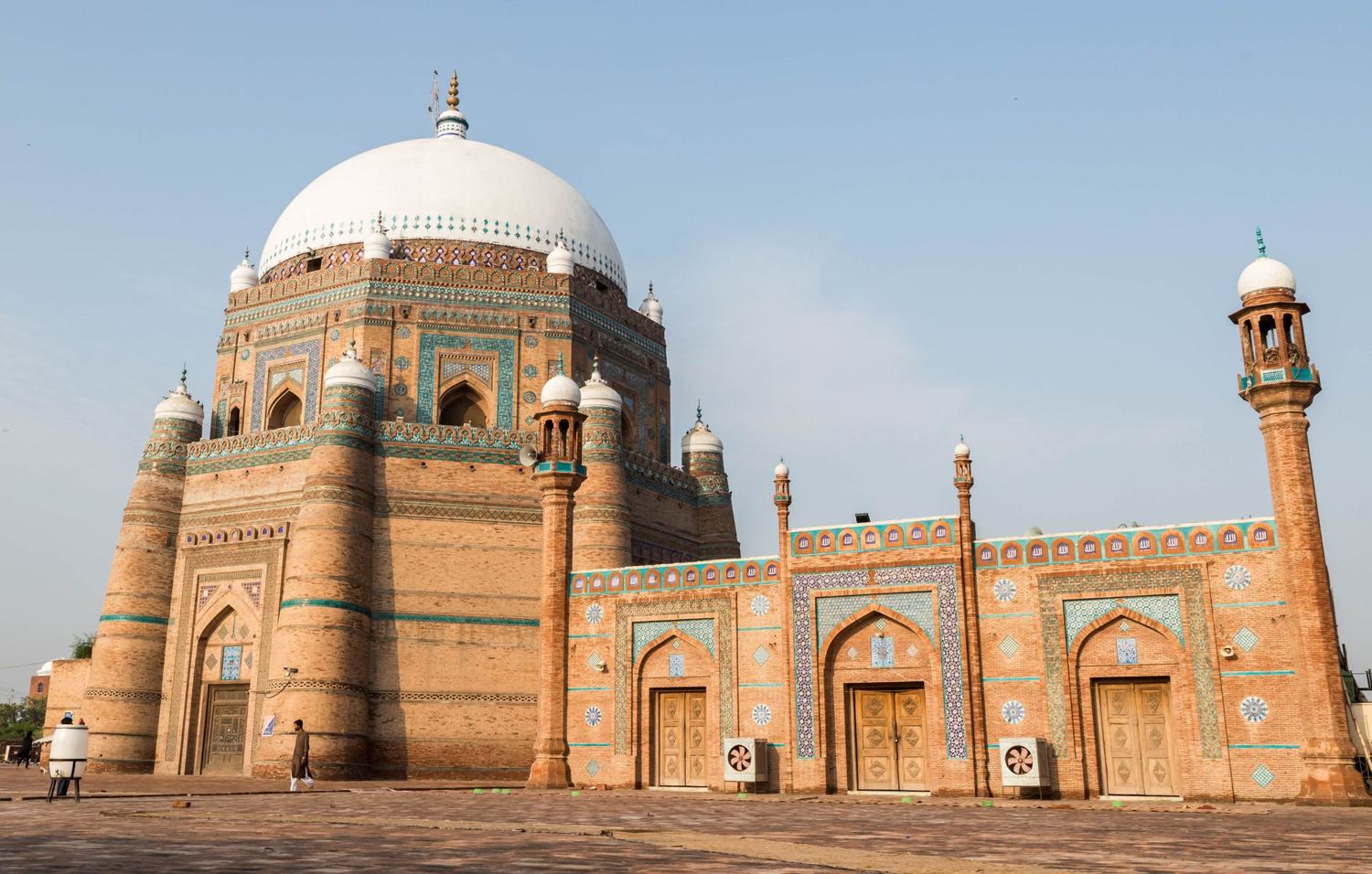
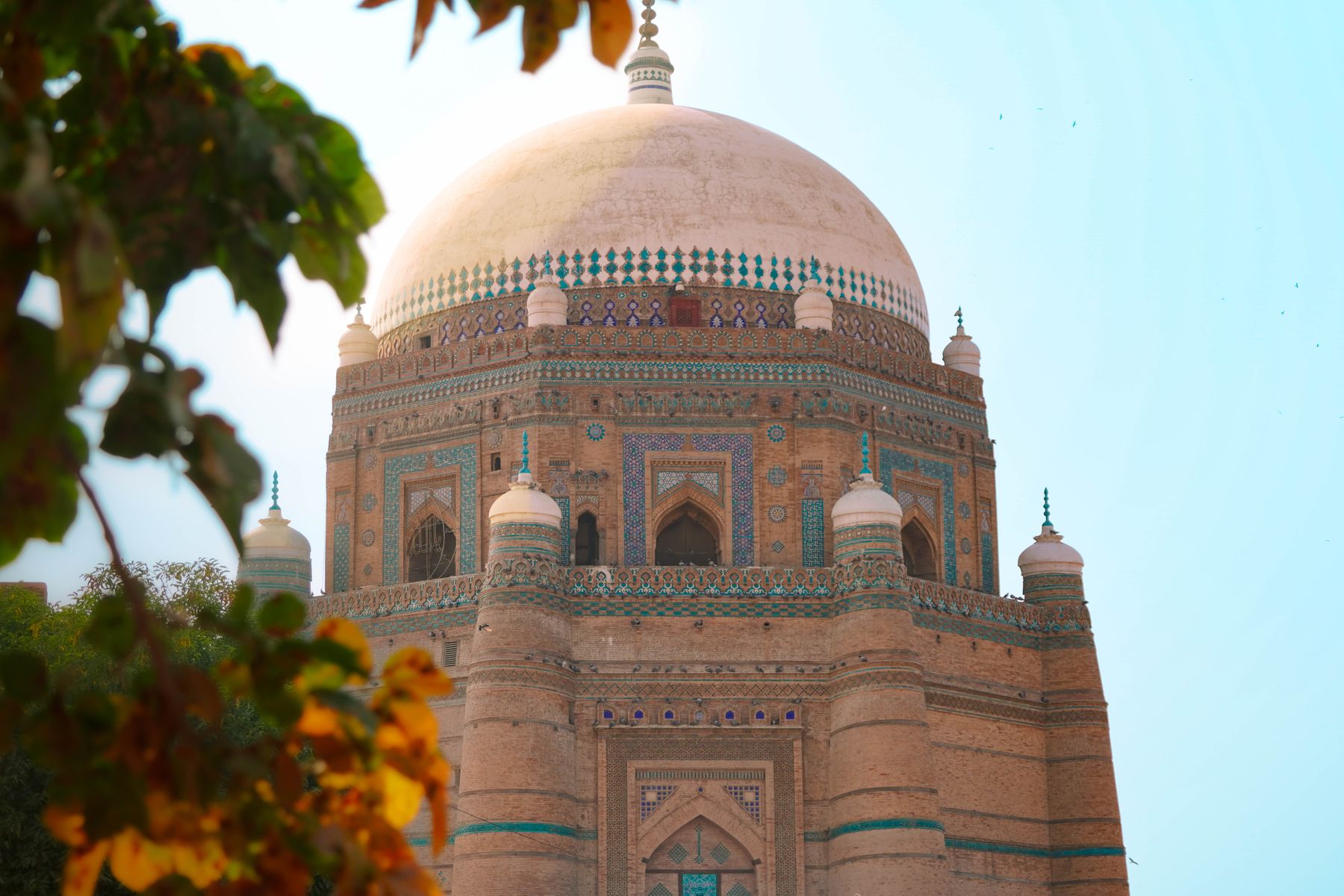
Multan is one of the oldest continuously settled cities in the region and is known for its shrines. The tombs of Sufi saints, several with blue tilework, stand across the old city. The shrine of Shah Rukn-e-Alam is among the most prominent. The city is hot for much of the year, so winter is the sensible season.
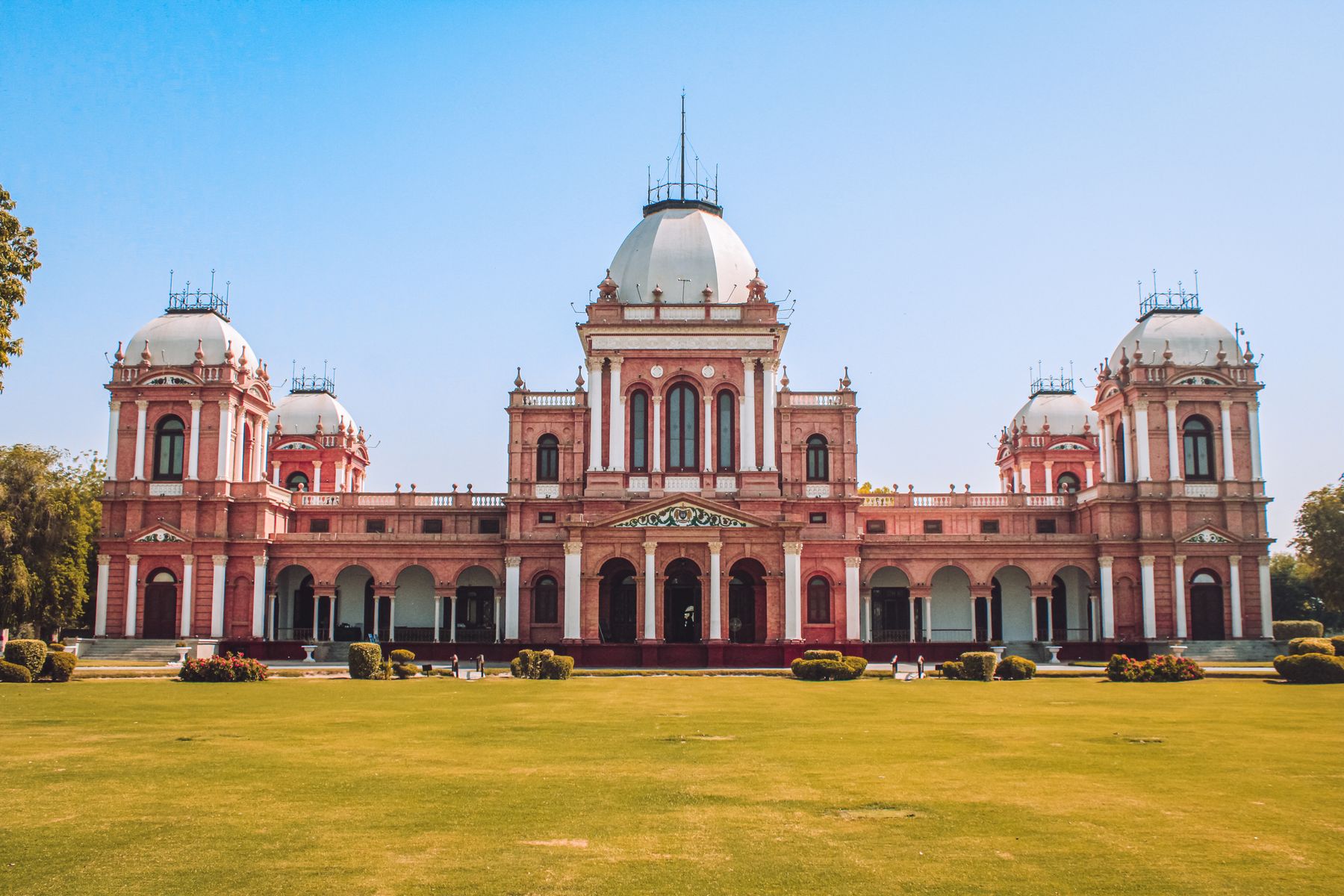
South of Multan, Bahawalpur was the seat of a princely state and retains palaces and a museum. The desert forts of Cholistan lie beyond the city, including Derawar Fort, a large square fortress with round bastions. Access to some desert sites can depend on local conditions, and a vehicle with a driver is the practical way to reach them.
Cholistan desert
The Cholistan tract stretches south and east of Bahawalpur towards the Indian border. Derawar Fort is the best-known stop. Tracks are sandy and unmarked in places, so go with someone who knows the route. Fuel and water should be arranged in Bahawalpur before setting out.
Murree and the hills
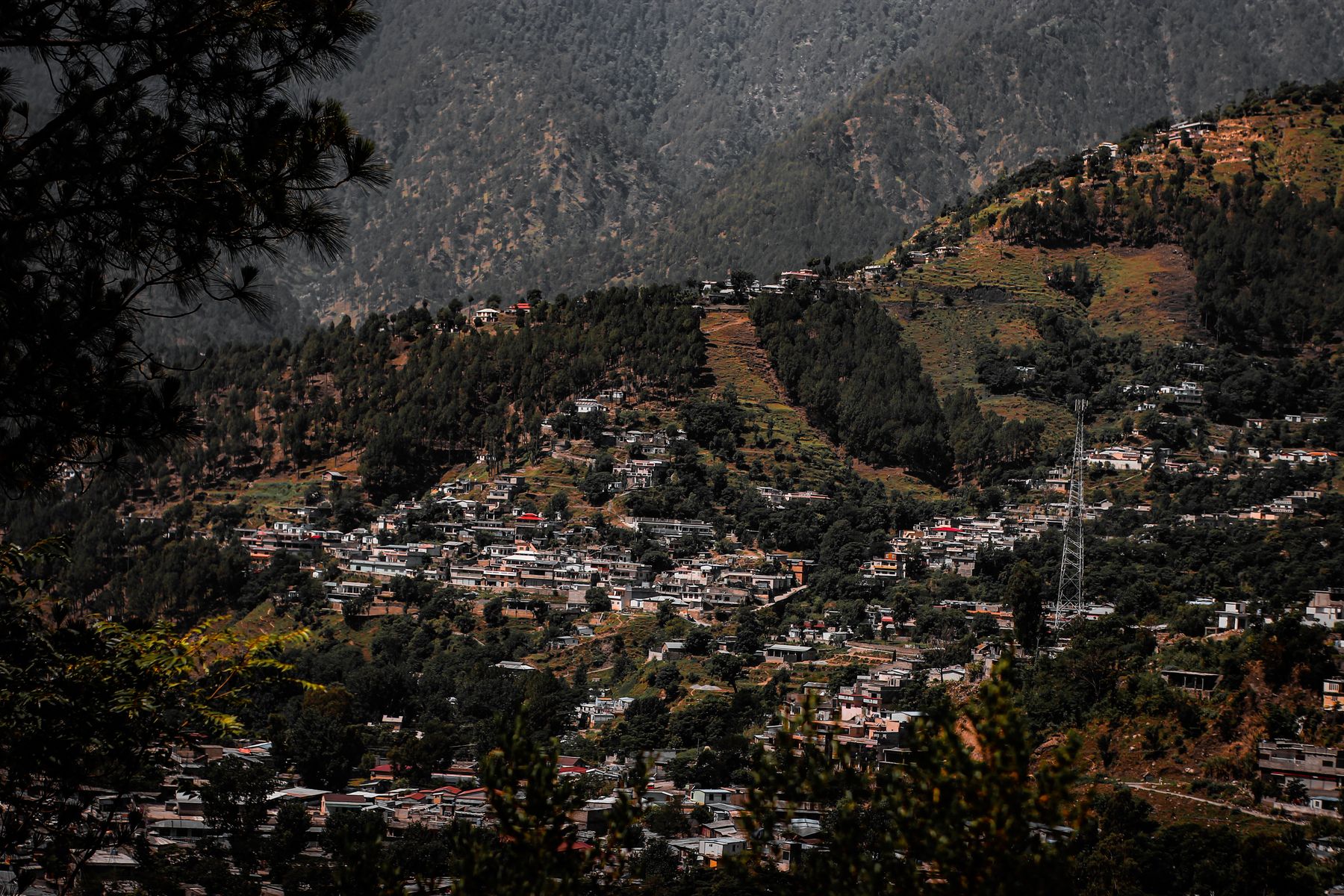
Rawalpindi adjoins Islamabad and serves as the gateway to the north. Its older bazaars and colonial buildings are worth a half day. From Rawalpindi, the road climbs to Murree, a hill station founded in the British period. The town sits around 2,000 metres and is cool even in summer.
Murree is popular with domestic visitors and can be very busy in summer and around holidays. Snow falls in some winters and can close roads briefly. Beyond Murree, the Murree hills run north towards the Khyber Pakhtunkhwa border. The hill country is a change of air rather than a wilderness trip.
Getting around
The motorway network connects Lahore, Rawalpindi, Faisalabad, Multan and Bahawalpur, and coaches run on these routes. Trains are slower but useful for longer legs. Within cities, ride-hailing apps and local taxis are common in Lahore, Rawalpindi and Multan. In smaller towns, expect to arrange a car and driver.
For the desert and hill roads, a private vehicle is the practical choice. Distances on the plain are long, so plan travel in daylight where possible. Road conditions vary, and the fog season can delay journeys in the northern plains. Keep buffer time for connections.
Practical matters
Parts of Pakistan near the Indian border and in some other districts can require a No Objection Certificate (NOC) or fall under travel advisories. Rules change, so check current official advice before travelling and ask locally about specific sites. Carry identification. Security arrangements around major cities are generally visible and routine.
Cash is useful in bazaars and smaller towns, though cards work in many city hotels and restaurants. Mobile signal is good in the cities and along the motorways and weaker in the desert and some hill areas. Travel insurance is sensible. In an emergency, police and ambulance numbers are widely posted in public places.
Food and customs
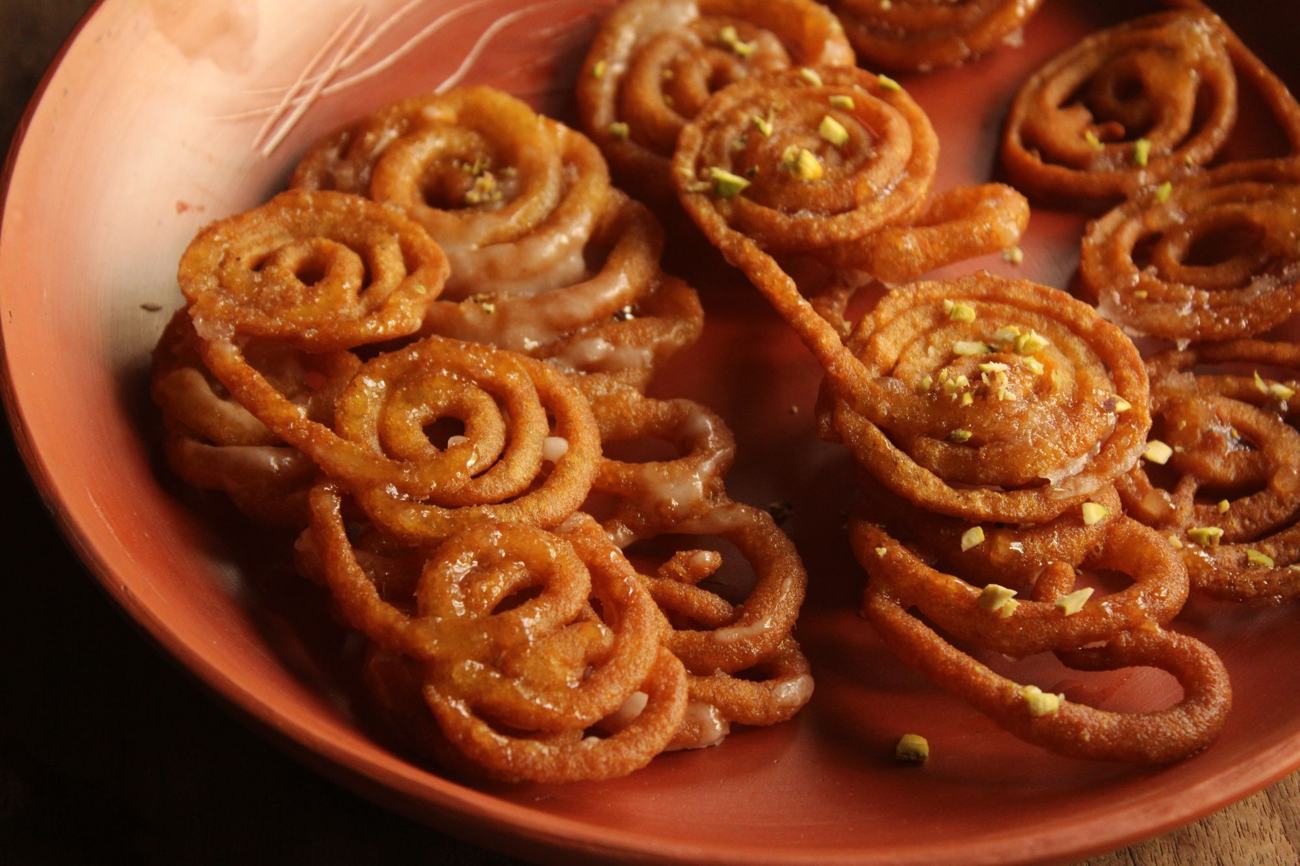
Punjabi food is hearty: wheat breads, lentils, slow-cooked meat curries and dairy. Lahore is known for its grilled meat and street food, and the older bazaars are the place to eat it. Vegetarian options exist but are less prominent. Tap water is not for drinking; bottled water is widely sold.
Dress modestly, particularly at shrines and mosques, where shoes come off and heads may be covered. Photography of military sites and some public buildings is restricted. Hospitality is generous, and invitations to tea are common. Fridays are busy around mosques, and some businesses close for part of the day.
Suggested itineraries
A week covers Lahore and the south. Spend three days in Lahore for the Walled City, the fort and the museums, then take the motorway or a train south to Multan for two days of shrines. Continue to Bahawalpur for Derawar Fort and the desert edge, then return by air or rail.
A ten-day trip adds the north. Start in Lahore, move to Rawalpindi and Murree for two nights of hill air, then return south via Faisalabad or Sialkot. In winter, keep the desert leg early in the trip and leave slack for fog delays on the plains.
Frequently asked questions
When is the best time to visit Punjab?
October to March is the most comfortable period, with mild days and cold nights. December and January can bring fog to the northern plains, which may delay flights and road travel. Summer is hot and the monsoon runs from June to September.
What should you see in Lahore in two days?
Give the first day to the Walled City: the Badshahi Mosque, Lahore Fort and the old bazaars. On the second day, see the Shalimar Gardens and the museums around the Mall. The Wagah border ceremony is a late-afternoon option east of the city.
Do you need a permit to visit the Cholistan desert near Bahawalpur?
Some border and restricted districts can require a No Objection Certificate, and rules change. Check current official advice before travelling and ask locally in Bahawalpur about access to Derawar Fort and surrounding tracks. Carry identification and go with a driver who knows the routes.
How do you reach Murree from Islamabad?
Murree is reached by a hill road from Rawalpindi and Islamabad, a drive of a couple of hours depending on traffic. Coaches and taxis run the route. The town is busy in summer and around holidays, and winter snow can close the road briefly.
Is Punjab safe for travellers in winter?
Millions of people travel in Punjab each winter, and the main cities and routes are busy. Some border districts and parts of other provinces can have advisories or permit rules. Check current official advice, keep identification with you and follow local guidance around public sites.