 Photo:
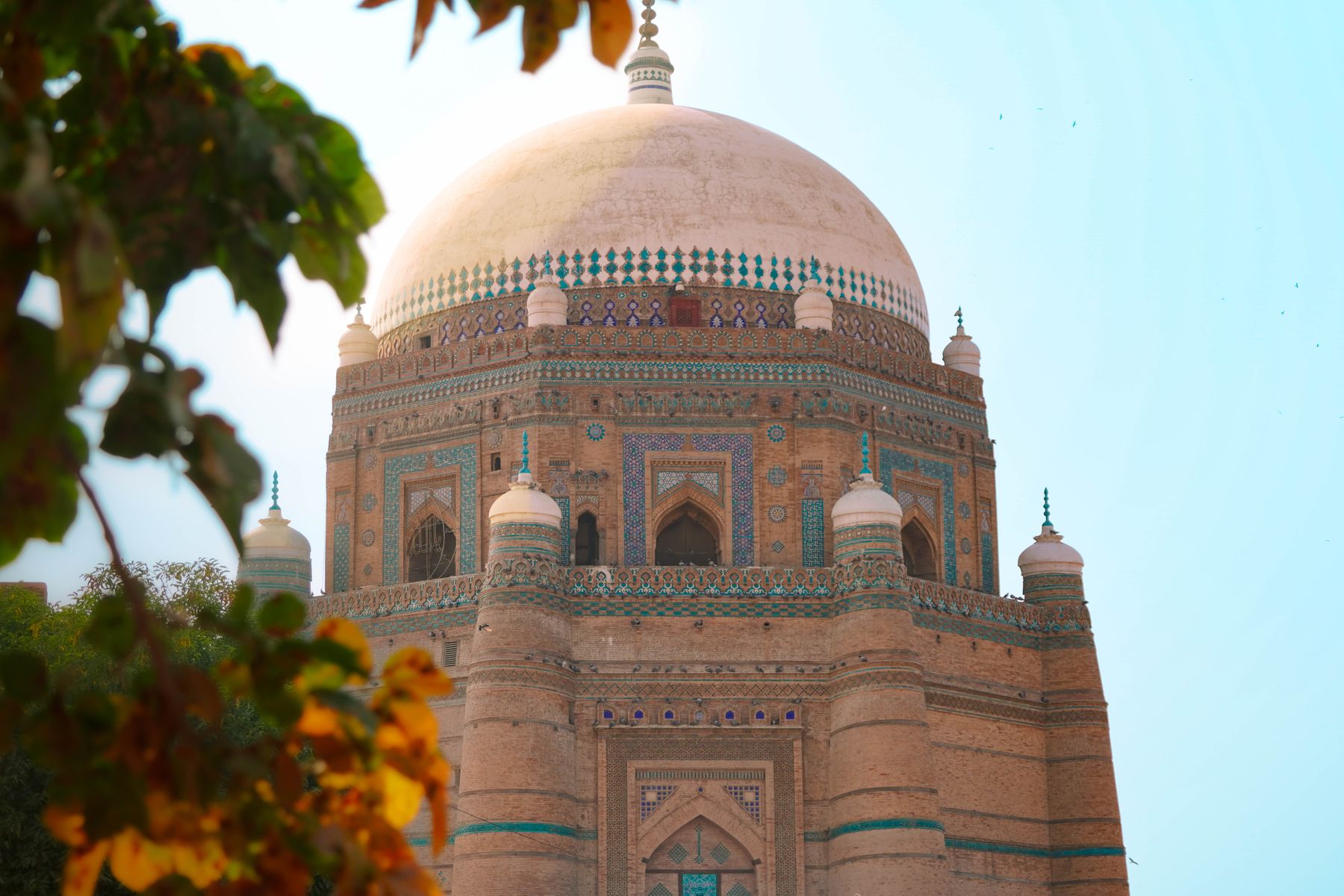
Visiting Bahawalpur
What the place is like
Bahawalpur is a low-rise city on a flat plain, with wide roads in the newer parts and crowded bazaars in the old centre. Summer heat is severe from May to September, when daytime temperatures often pass 40°C. Winters are mild and dry, and this is the main season for visiting. The city has a mix of Punjabi and Saraiki speakers, and the food is hearty south Punjab fare.
The former state left a set of palaces and public buildings that give the centre a distinct character. The city is not a large tourist centre, so sights are quiet on weekdays. Allow a day for the main buildings and a second day for the desert edge if conditions allow.
Climate and seasons
October and November are warm and clear. December to February are the coolest months, with cold nights. March and April warm up quickly. The monsoon in July and August can bring humidity and occasional rain, but the heat remains the main limit on daytime activity.
What to see
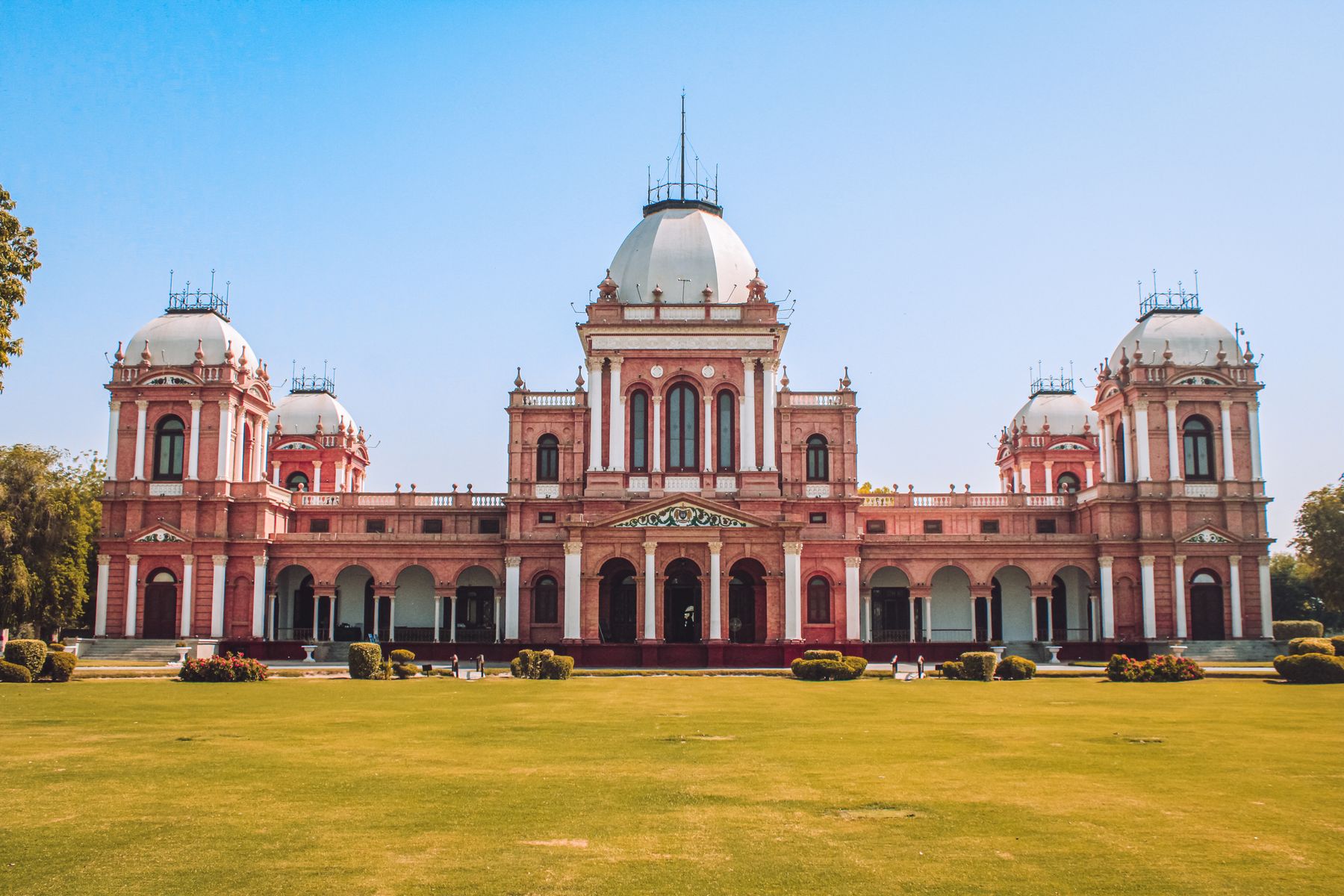
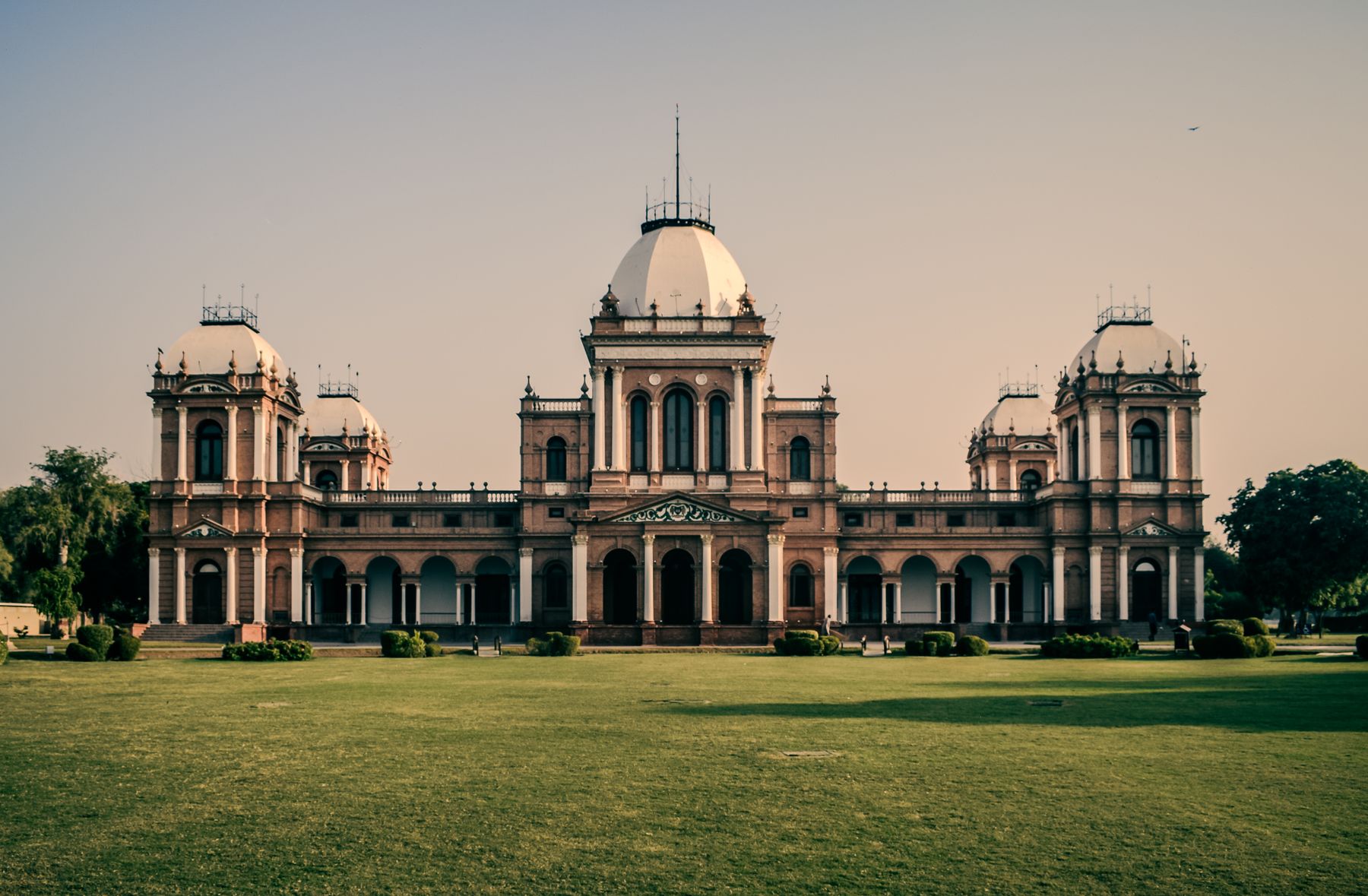
The main sights are the palaces and the museum. Noor Mahal is the best known, a 19th-century palace with a large central hall and grounds. Darbar Mahal is a red-brick building from the same period, now in official use, so visitors see it from outside. The Bahawalpur Museum gives context on the former state and the region's archaeology.
In the old city, the bazaars around the central area sell cloth, jewellery and local crafts. The Central Library is a short stop. South of the city, the Cholistan desert begins, and Derawar Fort is the best-known desert sight, though the drive is long and conditions vary.
Palaces and museum
Noor Mahal and the museum are close enough to visit on the same morning. Darbar Mahal is a short drive away. Check local opening days, as government use can affect access to some buildings.
Cholistan and Derawar
Derawar Fort lies deep in the desert and is reached by a rough road. Travel is best in the cooler months and with local advice. The fort walls are the main sight, and the surrounding desert has a sparse, open character.
A day or two there
With one day, start at the Bahawalpur Museum for background, then go to Noor Mahal and its grounds. In the afternoon, walk the old city bazaars and see the Central Library. This covers the main city sights at an easy pace.
With two days, add a morning for Darbar Mahal and the surrounding government buildings, then use the second afternoon for a drive towards the desert edge. A full desert trip to Derawar needs an early start and a full day, so plan it separately rather than squeezing it into a city day.
Getting there and around
Bahawalpur is on the main rail and road routes between Multan and Lahore. Trains from both cities stop here, and the journey from Multan is short. By road, the city is linked by the N-5 and other highways. The airport has limited scheduled service, so most visitors arrive by train or road.
Within the city, taxis and rickshaws are the usual way to reach the palaces and museum, which are spread out. Walking is practical in the old bazaars but less so between the main sights. For Derawar, a hired vehicle with a local driver is the usual arrangement.
Local transport
Rickshaws are easy to find in the centre. Agree the destination before setting off. For longer trips, such as to Derawar, arrange a vehicle in advance and check the road conditions with local contacts.
Practical notes
Dress modestly when visiting public buildings and bazaars. Carry water in the warmer months and avoid midday sun in summer. The museum and palaces may charge a small fee, and opening days can change, so check locally before setting out.
Some areas near the Indian border and parts of the Cholistan desert can require a No Objection Certificate (NOC) or have travel advisories. Rules change, so check current official advice before travelling to remote areas. For the city itself, the main practical concern is heat and transport.
Permits and advice
If planning to visit border districts or remote desert areas, ask about NOC requirements in advance. Local police or district offices can confirm current rules. Do not rely on older guidebooks for access information.
Frequently asked questions
What is Bahawalpur known for?
Bahawalpur is known for its former princely state and the palaces left from that period, especially Noor Mahal and Darbar Mahal. The Bahawalpur Museum covers the region's history. The city is also the main gateway to the Cholistan desert and Derawar Fort.
When is the best time to visit Bahawalpur?
November to March is the most comfortable period, with mild days and cool nights. December and January are the coolest. Summers from May to September are very hot, and outdoor sightseeing is difficult in the daytime.
How do you get to Bahawalpur?
Bahawalpur is on the main rail line and road route between Multan and Lahore. Trains and buses connect it to both cities. The airport has limited scheduled flights, so most travellers arrive by train or road.
Can you visit Derawar Fort from Bahawalpur?
Yes, Derawar Fort is about 100 km south of Bahawalpur in the Cholistan desert. The road is rough and the trip takes most of a day. Travel is best in the cooler months. Check local advice and any permit requirements before setting out.