 Photo:
Visiting Gujranwala
What the place is like
Gujranwala is a large, working city with a population of over two million. It lies on the Grand Trunk Road, the historic route that runs from Kabul to Kolkata. The city is flat and spread out, with a mix of old bazaars, colonial-era buildings and modern industrial estates. Summers are very hot, with temperatures often above 40°C, while winters are mild and pleasant.
The city has a strong identity tied to wrestling. Akharas, traditional training pits, can be found in several neighbourhoods, and matches draw crowds. Gujranwala is also famous for its food, particularly its grilled meats and sweets. The pace of life is brisk, with traffic and commerce filling the main roads.
Wrestling tradition
Wrestling, or kushti, has been practised in Gujranwala for generations. Young men train in akharas under the guidance of ustad, or masters. Public bouts are held on holidays and at festivals. Visitors may be able to watch a training session, but should ask permission first.
What to see
The city's sights are modest but varied. Company Bagh, a public garden near the centre, offers shade and a small lake. The old city has narrow lanes and busy bazaars, where shops sell everything from fabric to brassware. Iqbal's birthplace is a simple house marked with a plaque, a point of interest for those following the poet's life.
For a sense of local life, head to the main bazaar in the late afternoon, when the heat eases and the streets fill. The city also has several mosques and shrines, including the shrine of Baba Haji Sher Muhammad in nearby village. These are places of worship, so dress modestly and remove shoes before entering.
Parks and gardens
Company Bagh is the largest green space in the city. It has walkways, benches and a small pond. Another option is the Jinnah Stadium area, which has open grounds and is busy with cricket matches in the evenings. These are simple places, good for a stroll rather than a full day out.
A day or two there
A day in Gujranwala can start with a morning walk in Company Bagh, followed by a visit to the old city bazaars. Stop for lunch at one of the local restaurants serving grilled chicken or kebabs. In the afternoon, visit Iqbal's birthplace and the nearby streets. If a wrestling bout is scheduled, ask locally for details.
With a second day, take a trip to the nearby village of Eminabad, about 15 km away, which has historic gurdwaras and a fort. Or head to the Chenab River, a short drive west, for a quiet picnic. The city itself is compact enough to cover on foot in the centre, with rickshaws for longer trips.
Where to eat
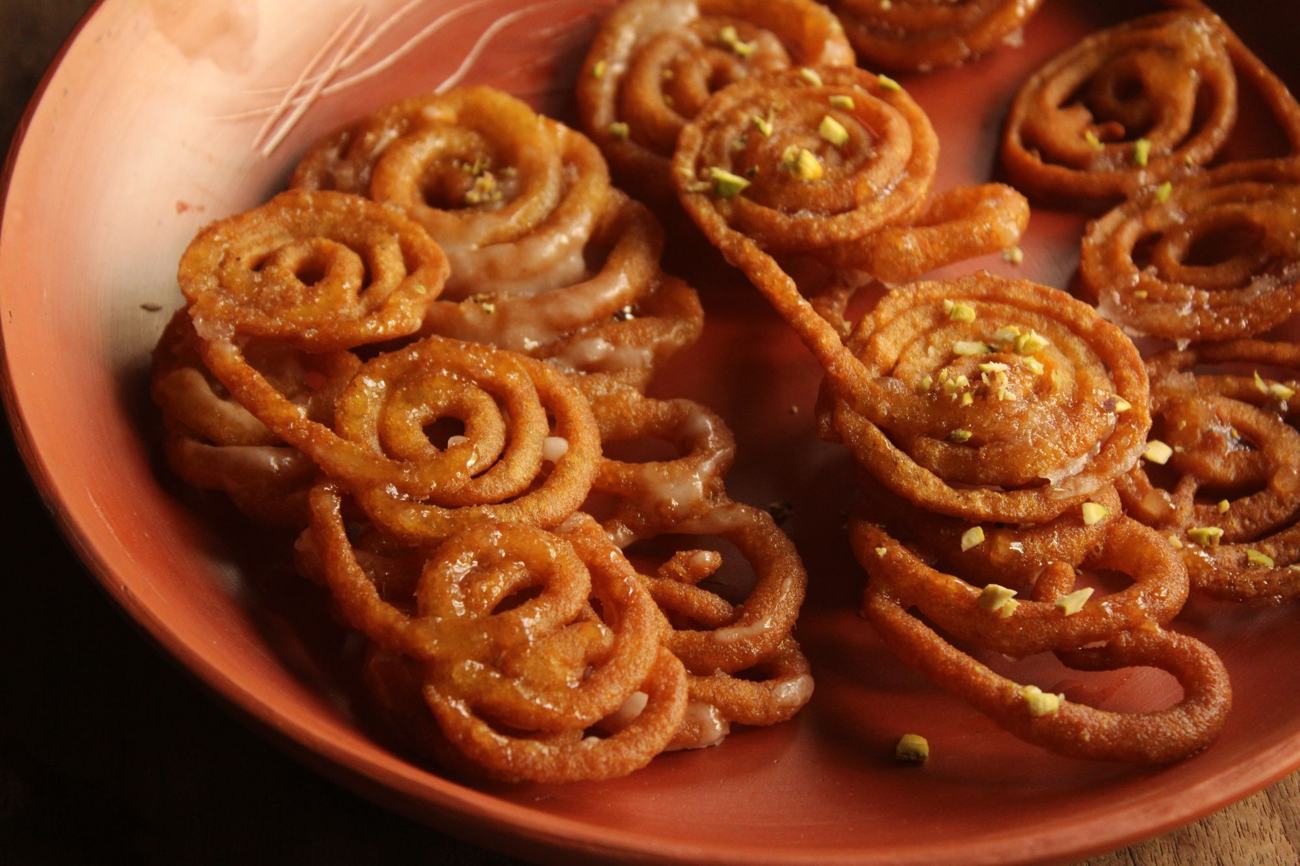
Gujranwala is known for its food. Local specialities include grilled meats, biryani and sweets like gulab jamun. The bazaar area has many small eateries, while the main roads have larger restaurants. Hygiene standards vary, so choose busy places with high turnover.
Getting there and around
Gujranwala is well connected by road. The M-2 motorway links it to Lahore, about 70 km south, and to Islamabad, about 220 km north. The journey from Lahore takes around one and a half hours by car. Buses and vans also run frequently from Lahore and other cities. The city has a railway station with connections to major towns.
Within the city, auto-rickshaws and taxis are the main ways to get around. Fares are negotiated, so agree on the price before setting off. The centre is congested, and walking is often quicker for short distances. For trips to nearby villages, hire a car or take a local bus.
Local transport
Auto-rickshaws are everywhere and are the cheapest way to cover short distances. They do not use meters, so bargaining is normal. Ride-hailing apps operate in the city, but availability can be limited. For longer trips, such as to Eminabad or the Chenab River, a hired car with a driver is more comfortable.
Practical notes
Gujranwala has a hot semi-arid climate. Summers, from May to September, are extremely hot, with temperatures often above 40°C. The monsoon brings rain in July and August. Winters, from November to February, are mild, with daytime temperatures around 20°C. The best time to visit is from October to March.
The city is generally safe for visitors, but take usual precautions with belongings in crowded bazaars. Dress modestly, especially when visiting religious sites. English is not widely spoken, so a few words of Urdu help. There are no major safety advisories for Gujranwala, but check current official advice before travel.
Health and facilities
Medical facilities are available, with several hospitals and clinics in the city. Tap water is not safe to drink; bottled water is widely available. Pharmacies are common in the bazaar areas. For serious medical issues, Lahore has more advanced hospitals, about 70 km away.
Frequently asked questions
What is Gujranwala known for?
Gujranwala is known for its wrestling tradition, its food, and as the birthplace of the poet Muhammad Iqbal. It is also a major industrial city, producing textiles, ceramics and metal goods. The city has a lively bazaar and several gardens.
How far is Gujranwala from Lahore?
Gujranwala is about 70 km north of Lahore. The journey by road takes around one and a half hours via the M-2 motorway. Buses and vans run frequently between the two cities.
When is the best time to visit Gujranwala?
The best time to visit is from October to March, when the weather is mild and pleasant. Summers are very hot, with temperatures often above 40°C, and the monsoon brings rain in July and August.
Are there any permits needed to visit Gujranwala?
No special permits are needed to visit Gujranwala. It is not in a restricted area. However, rules can change, so check current official advice before travelling, especially if planning to visit border areas.