 Photo:
Why use Islamabad as a base
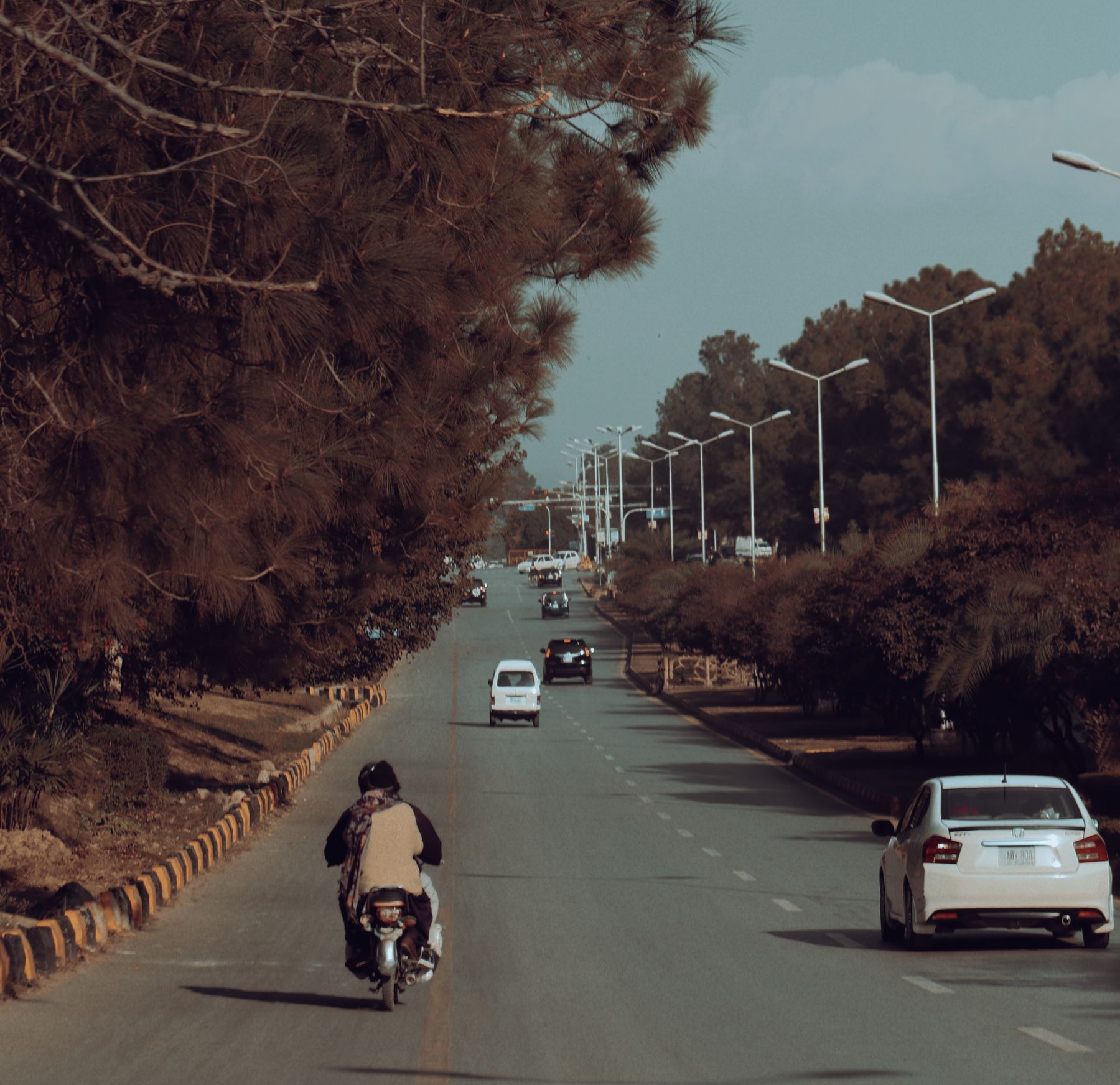
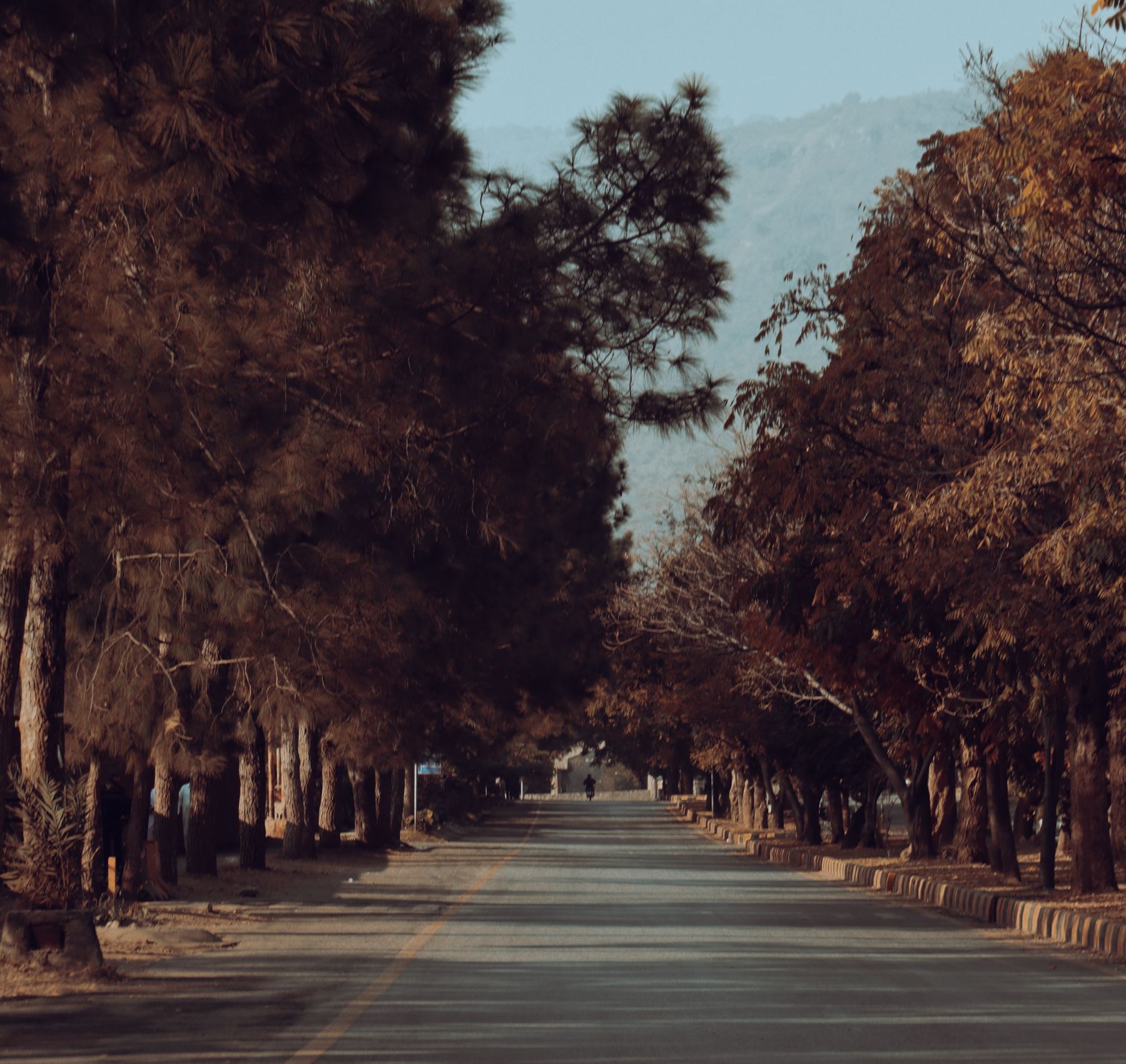
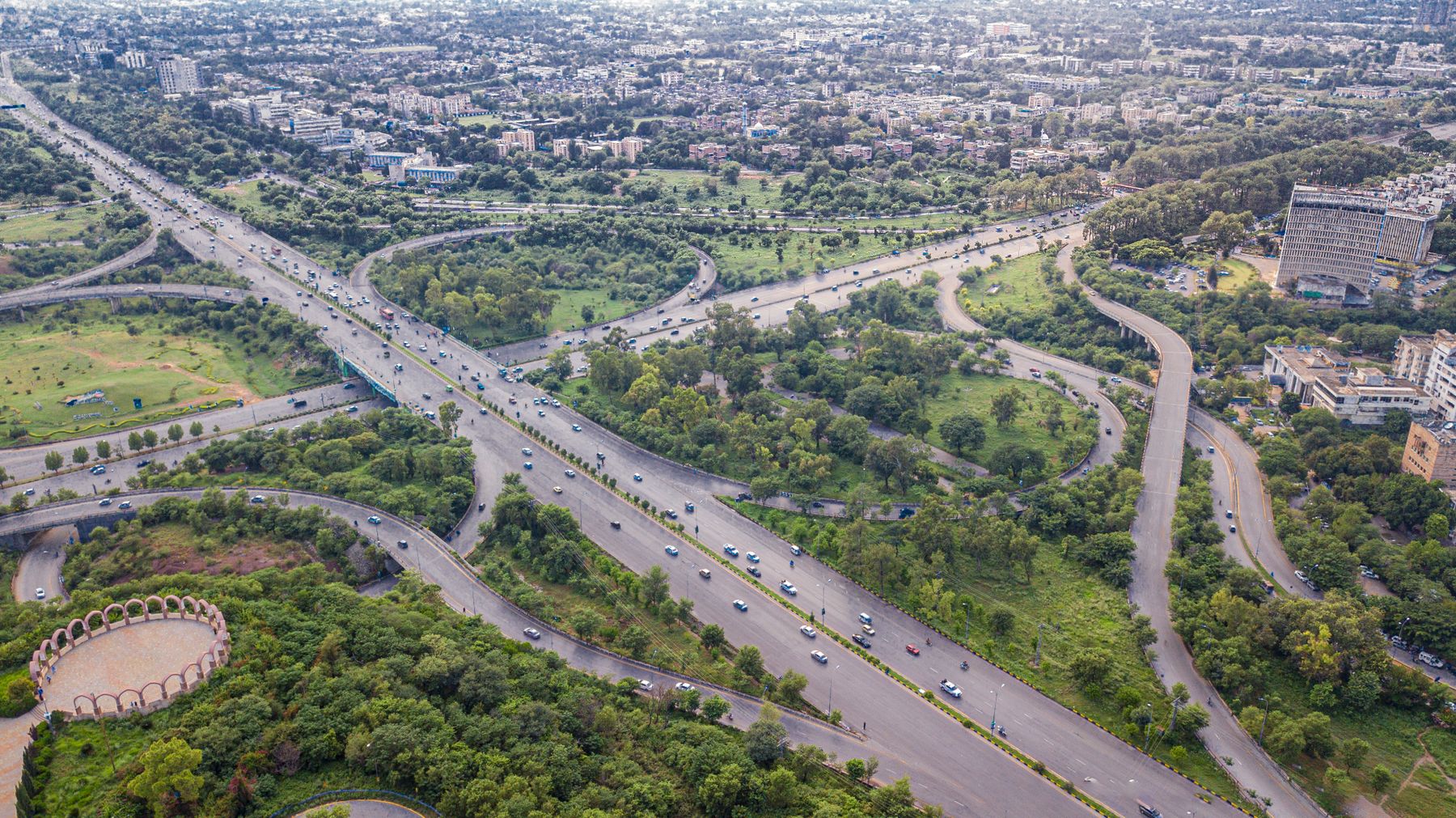
Islamabad is a planned city built from the 1960s to replace Karachi as the capital. It is organised into sectors, with broad roads, parks and a low skyline against the Margalla Hills. For travellers, this means clean air in the morning, short drives between areas and a calm place to recover from a long flight.
The city sits at around 500 m, so the climate is milder than the plains to the south. Summer days can still reach high temperatures, and the monsoon brings rain in July and August. Spring, from March to April, and autumn, from October to November, are the most comfortable seasons for walking and day trips.
Airport and city links
Islamabad International Airport is west of the city near Fateh Jang. The drive to the central sectors takes about 30 to 45 minutes depending on traffic. Taxis and ride-hailing apps are available at the terminal. There is no metro or train link to the airport.
What to see in the city
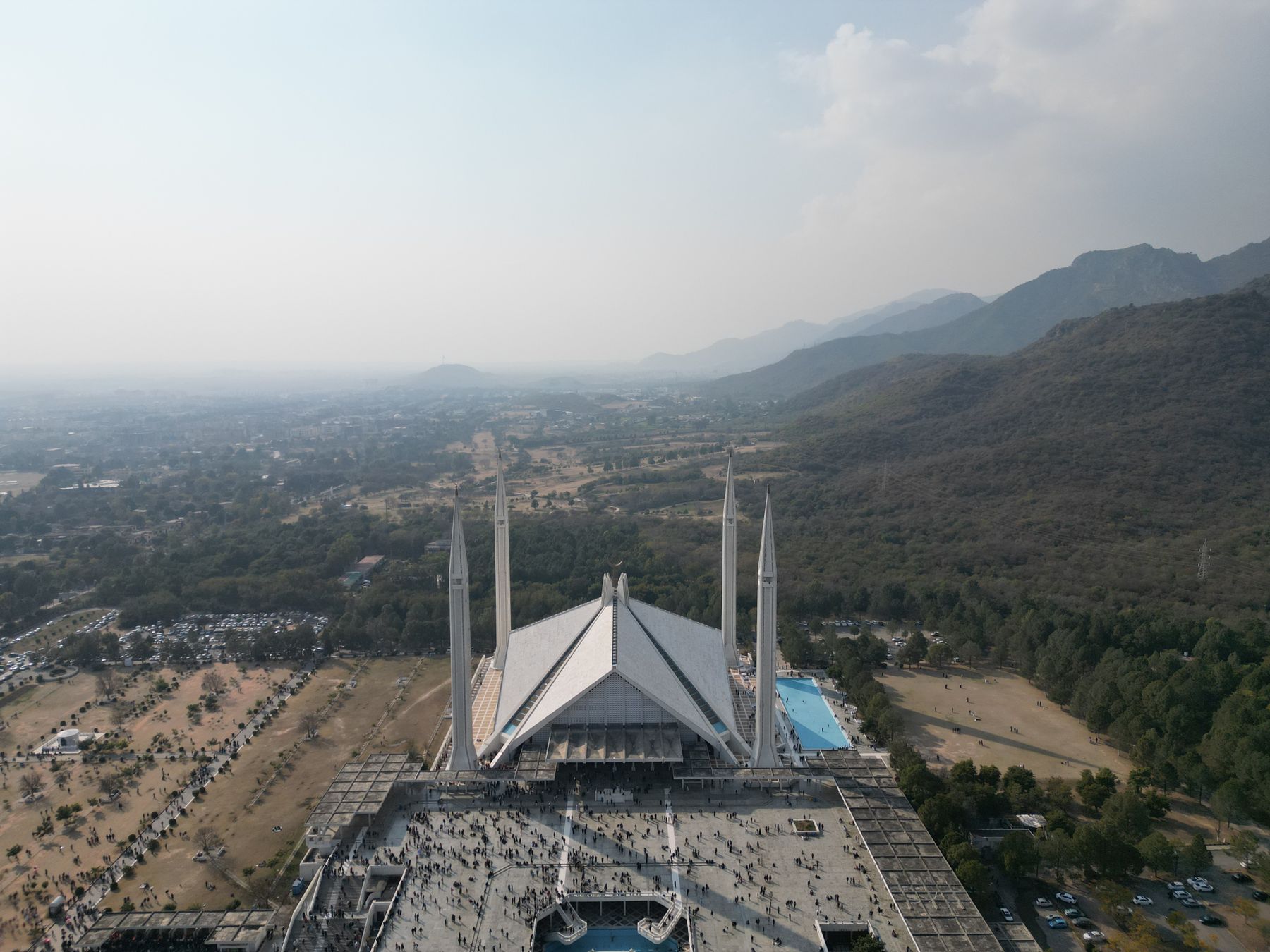
Faisal Mosque is the largest mosque in Pakistan and stands at the base of the Margalla Hills. Its modern design has no dome and no minarets in the traditional style. Visitors can enter outside prayer times, and a fee may be charged for some areas. Dress modestly and remove shoes before entering the prayer hall.
The Pakistan Monument on Shakarparian hill is a short drive from the city centre. The monument's petal shapes represent the provinces and territories. The adjoining museum gives an overview of the country's history. From the terrace, you can see the city spread out below.
Museums and parks
The Lok Virsa Museum near Shakarparian displays folk art, crafts and music from across Pakistan. Lake View Park beside Rawal Lake has walking paths and picnic areas. The lake itself supplies water to the city and is not for swimming.
Day trips from the capital
Taxila, about 35 km west, was an ancient centre of learning on the Gandhara route. The archaeological site is a UNESCO World Heritage Site. Its stupas, monasteries and city mounds date from several periods. The Taxila Museum holds a collection of sculptures and coins. Allow half a day for the site and the museum.
Murree lies about 60 km north-east and sits at around 2,300 m. The hill station was built during the British period and is busy in summer. The road climbs through pine forest and can be slow at weekends. From Murree, you can continue to Nathia Gali and the Galyat hills for quieter walks.
North on the highway
The Karakoram Highway begins its long run north from Hasan Abdal, west of Islamabad. For a short taste of the route, drive to Abbottabad, about 120 km away, and return the same day. The road passes through Haripur and the hills of Hazara.
Practical notes for travellers
Islamabad is a good place to arrange transport for the north. Cars with drivers can be hired for multi-day trips to Gilgit-Baltistan or Khyber Pakhtunkhwa. Shared vans leave from Rawalpindi for destinations such as Peshawar, Abbottabad and Muzaffarabad. Departure points and times change, so ask at your accommodation.
If your plans include areas near the Line of Control in Azad Kashmir, parts of Balochistan or some border districts, you may need a No Objection Certificate. Rules change and are enforced at checkpoints. Check current official advice before you travel and carry copies of your documents.
Weather and roads
Winter fog can close the motorway and delay flights between December and January. In summer, monsoon rain can cause landslides on hill roads. Check road conditions locally before setting out for Murree or the northern valleys.
Frequently asked questions
How many days do you need in Islamabad as a base?
Three days allow time for the city sights, a day trip to Taxila and a hill trip to Murree. If you plan to go further north, add a day to arrange transport and permits. The city itself is compact and easy to cover.
What is the best time to use Islamabad as a base for northern trips?
Spring and autumn are the most comfortable seasons. Summer is hot in the city but opens the high passes. Winter can bring fog and cold, and some hill roads may be affected by snow. Check conditions before travelling north.
Do you need a permit to travel from Islamabad to Gilgit-Baltistan?
Pakistani nationals generally do not need a permit for Gilgit-Baltistan. Foreign nationals may need to register or obtain a permit for certain areas. Rules change, so check with the relevant authorities or your embassy before departure.
How do you get from Islamabad to Murree?
Murree is about 60 km north-east of Islamabad. The drive takes around two hours by car or taxi. Shared vans also run from Rawalpindi. In summer and at weekends, traffic can make the journey longer, so an early start helps.