Historic Lahore: Where to Stay for the Old City, the Mughal Monuments and the Museum
Lahore rewards travellers who plan their base around the monuments, and the difference between a good and a frustrating visit is usually a fifteen-minute drive.
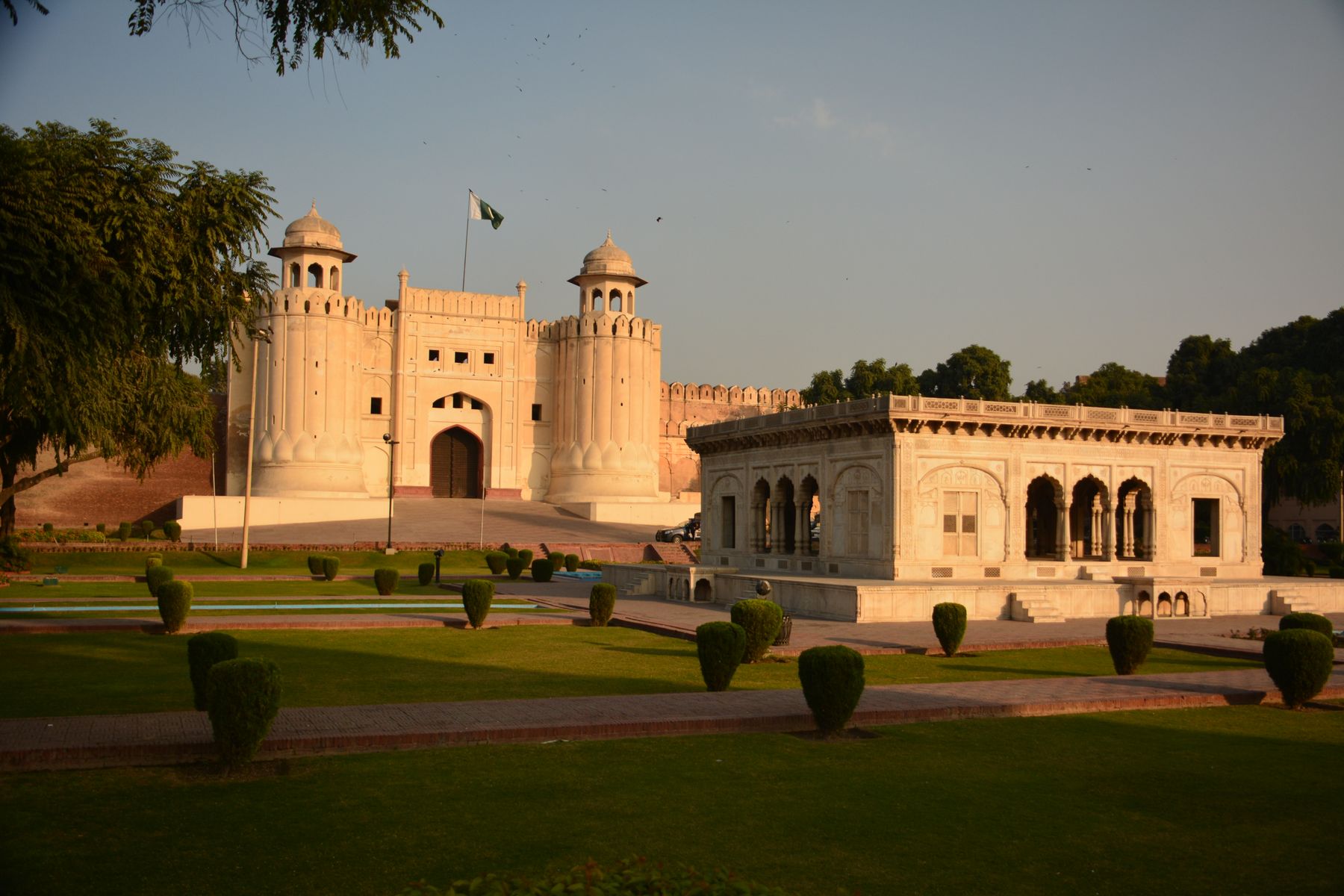
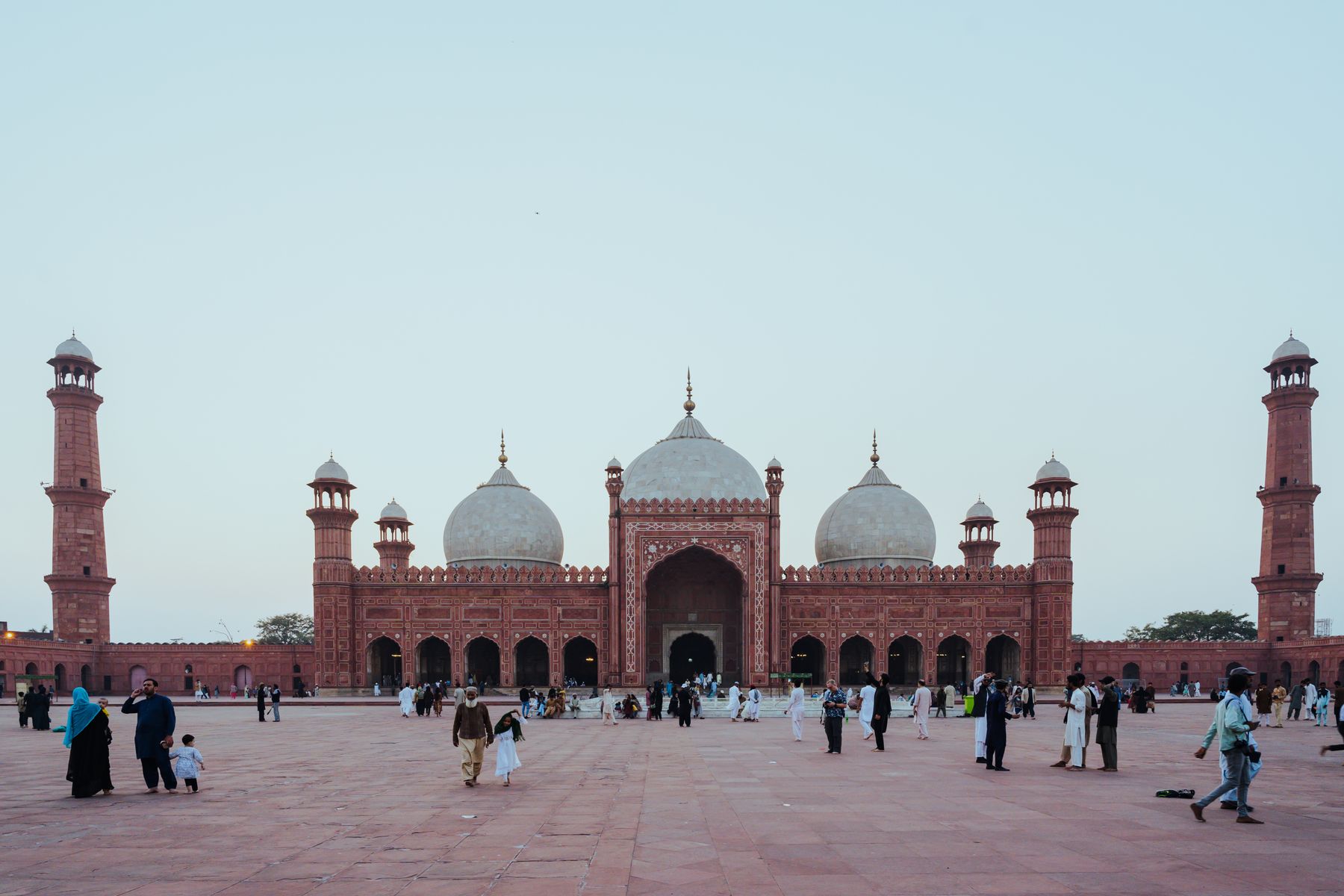
Start inside the old walls, where the Lahore Fort and the Badshahi Mosque face each other across the vast Hazuri Bagh courtyard. The fort's Sheesh Mahal and Naulakha Pavilion are the highlights, and the mosque's red sandstone and marble domes are best seen in low morning light, before the courtyard heats up. Between them sit the Lahore Museum on The Mall and the tomb of Allama Iqbal beside the mosque steps. Allow a full day, wear shoes you can slip off, and carry water. Foreign visitor entry to the fort and mosque is inexpensive, but ticket prices change, so confirm at the gate rather than budgeting from old guidebooks.
The Walled City: Mughal Lahore on Foot
The old city is dense and the lanes around Wazir Khan Mosque, Delhi Gate and Shahi Hammam are best walked with a guide or a rickshaw driver who knows the route. The Delhi Gate area has been partly restored and is genuinely lovely in the late afternoon, when the food streets off Circular Road start filling up. Weekdays are calmer than Fridays, and October to March is the comfortable season; May and June regularly push past 40°C, which makes monument-hopping miserable. If you only have two days in Lahore, spend the first here.
Beyond the Walls: Shalimar Gardens, Nur Jahan's Tomb and the British Layer
The Shalimar Gardens, north-east of the old city near Baghbanpura, are a UNESCO-listed Mughal garden laid out in three terraces. They are quieter than the fort and take about an hour; a taxi from the old city is roughly 20 to 30 minutes depending on traffic on the Ring Road. Further north, the tomb of Jahangir at Shahdara, across the Ravi, is the most serene Mughal monument in the city and pairs naturally with a stop at Nur Jahan's tomb nearby. Both are low-key, uncrowded and easily reached by car in half a day.
The British layer is concentrated along The Mall, where the Lahore Museum, the General Post Office, the High Court and Government College sit within walking distance of each other. The museum's Gandhara collection is the reason to come, and the building itself is a pleasure. Anarkali Bazaar nearby is worth an hour for fabrics and street food rather than for monuments. Data from our own search logs shows Lahore consistently among the three most-requested destinations on the site, alongside Islamabad and Peshawar, which is why hotel choice here matters more than in smaller cities.
Choosing a Base: Gulberg, The Mall or the Old City
Three areas make sense for different trips. Gulberg and the wider MM Alam Road district have the widest range of mid-range and upscale hotels, reliable restaurants and easy access to Liberty Market; rooms here typically sit in the mid to upper bracket, and you get air conditioning and parking as standard. The Mall puts you within walking distance of the museum and the fort is a short ride away, but hotel stock is thinner and evenings are quiet. The old city itself has few comfortable hotels and the lanes are noisy and hard to navigate after dark.
My recommendation for a first visit is Gulberg: book there, and use ride-hailing apps to reach the monuments. A drive from Gulberg to the Badshahi Mosque is about 20 to 30 minutes outside peak hours and longer in the evening rush. If you are combining Lahore with Islamabad, the M-2 motorway takes roughly four to five hours by road. Peshawar, the other city drawing steady searches right now, is a flight or a long day's drive from Lahore and rarely worth adding to a short itinerary.
What to Skip and When to Go
Skip the commercial amusement parks on the city's outskirts and the newer 'heritage' developments that have no historic fabric left. Also skip trying to see the fort, the mosque and Shalimar Gardens on the same day: the traffic between them eats the afternoon. Do not plan a Friday visit around the mosque, when midday prayers fill the courtyard. If shopping is a priority, Anarkali and Liberty Market are better value than hotel-adjacent boutiques, and bargaining is expected in both.
The best months are November to February, when days are mild and evenings need a jacket. March brings warmer weather and the spring flowers in Shalimar Gardens. Monsoon rain in July and August makes the old city's lanes muddy and the fort's steps slippery. Book accommodation at least a week ahead in the December and Eid holiday windows, when Gulberg hotels fill quickly; our current booking data shows demand strongest for Lahore, Islamabad and Peshawar, and prices tighten accordingly.
Frequently asked questions
How many days do I need for Lahore's historic sites?
Three full days covers the fort, Badshahi Mosque, Wazir Khan Mosque and museum on day one, Shalimar Gardens and the Shahdara tombs on day two, and The Mall's colonial buildings plus Anarkali Bazaar on day three. Two days is workable if you skip Shahdara.
Where should I stay for sightseeing in Lahore?
Gulberg and MM Alam Road offer the best range of comfortable hotels and restaurants, with the old city a 20 to 30 minute drive away. The Mall suits museum-focused trips, but the old city itself has few hotels that meet typical traveller expectations.
When is the best time to visit Lahore?
November to February brings mild, comfortable days, and March is pleasant before the heat builds. Avoid May and June, when temperatures routinely exceed 40°C, and expect muddy lanes during the July and August monsoon.
Find a stay in Lahore
Live prices and availability open in the IMPT app, in a new tab.