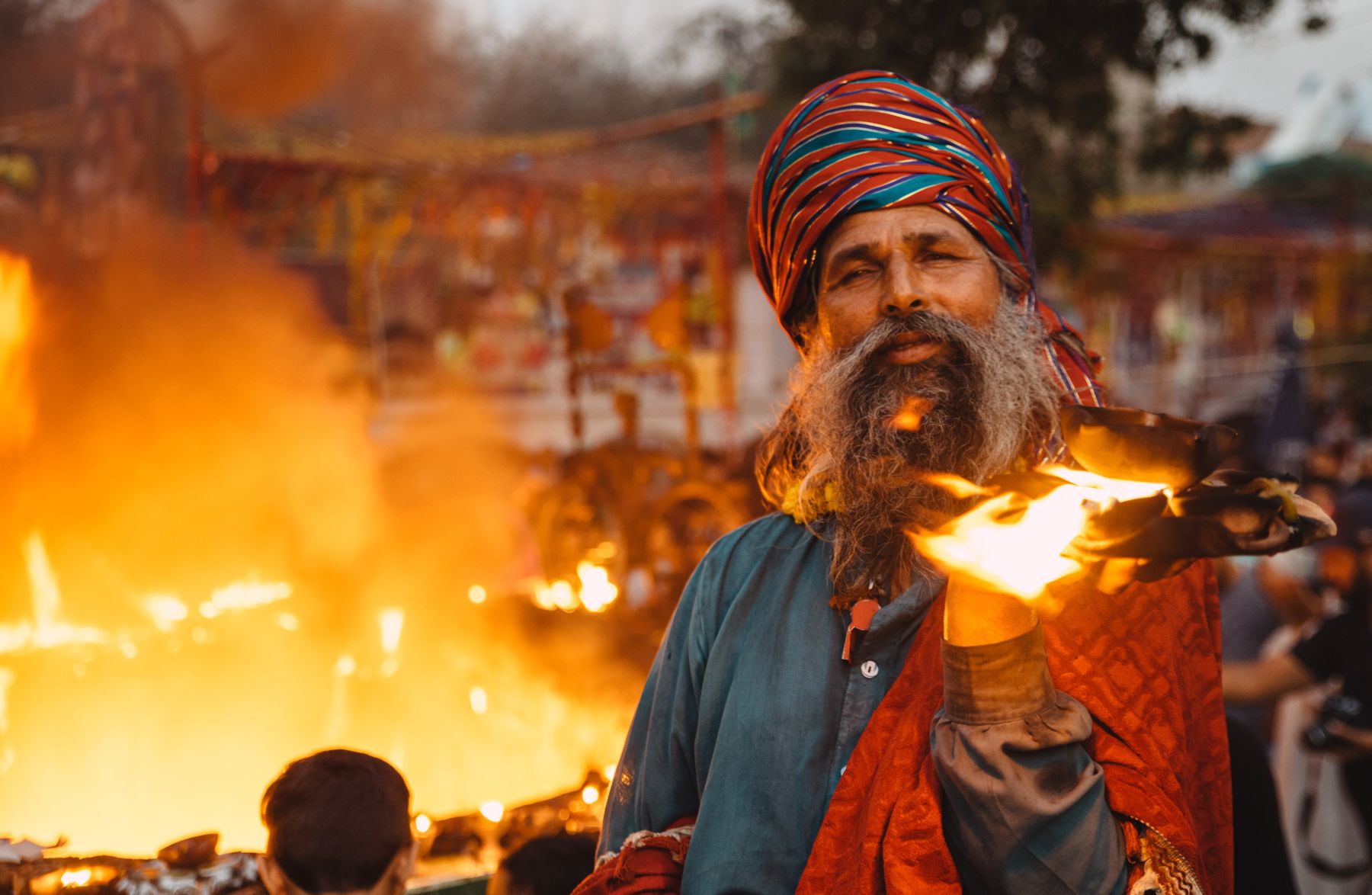
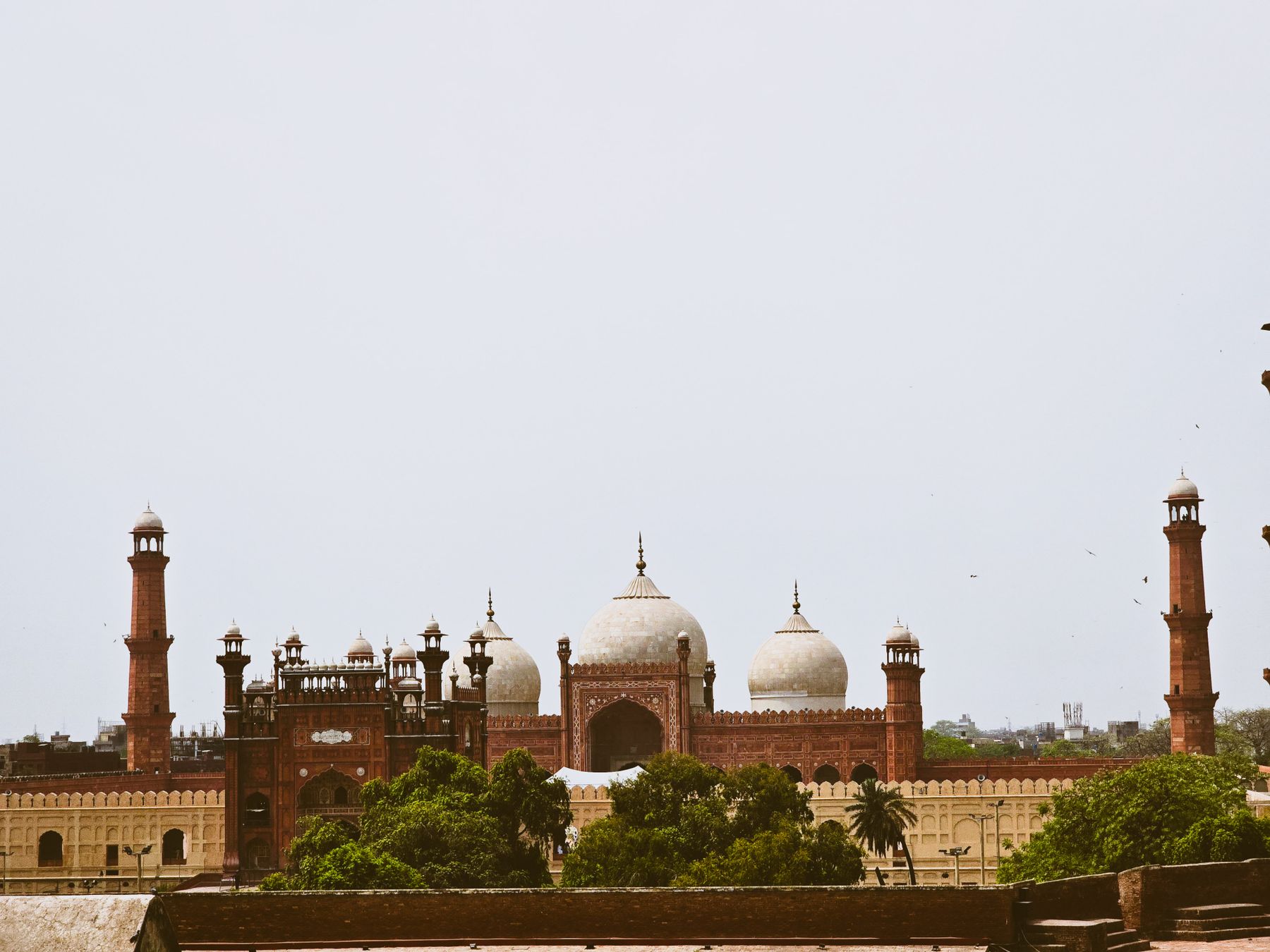
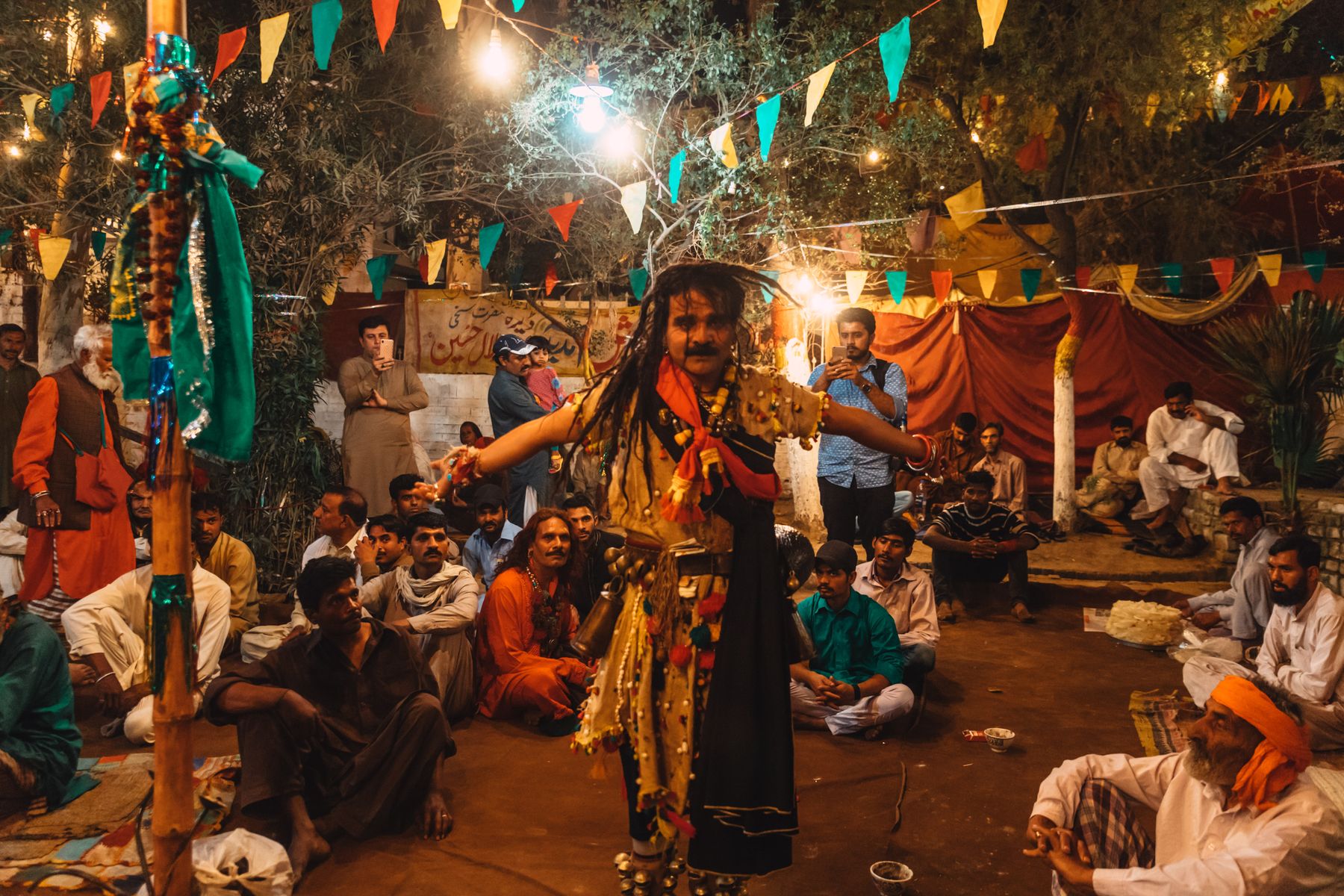
The Badshahi Mosque at dawn
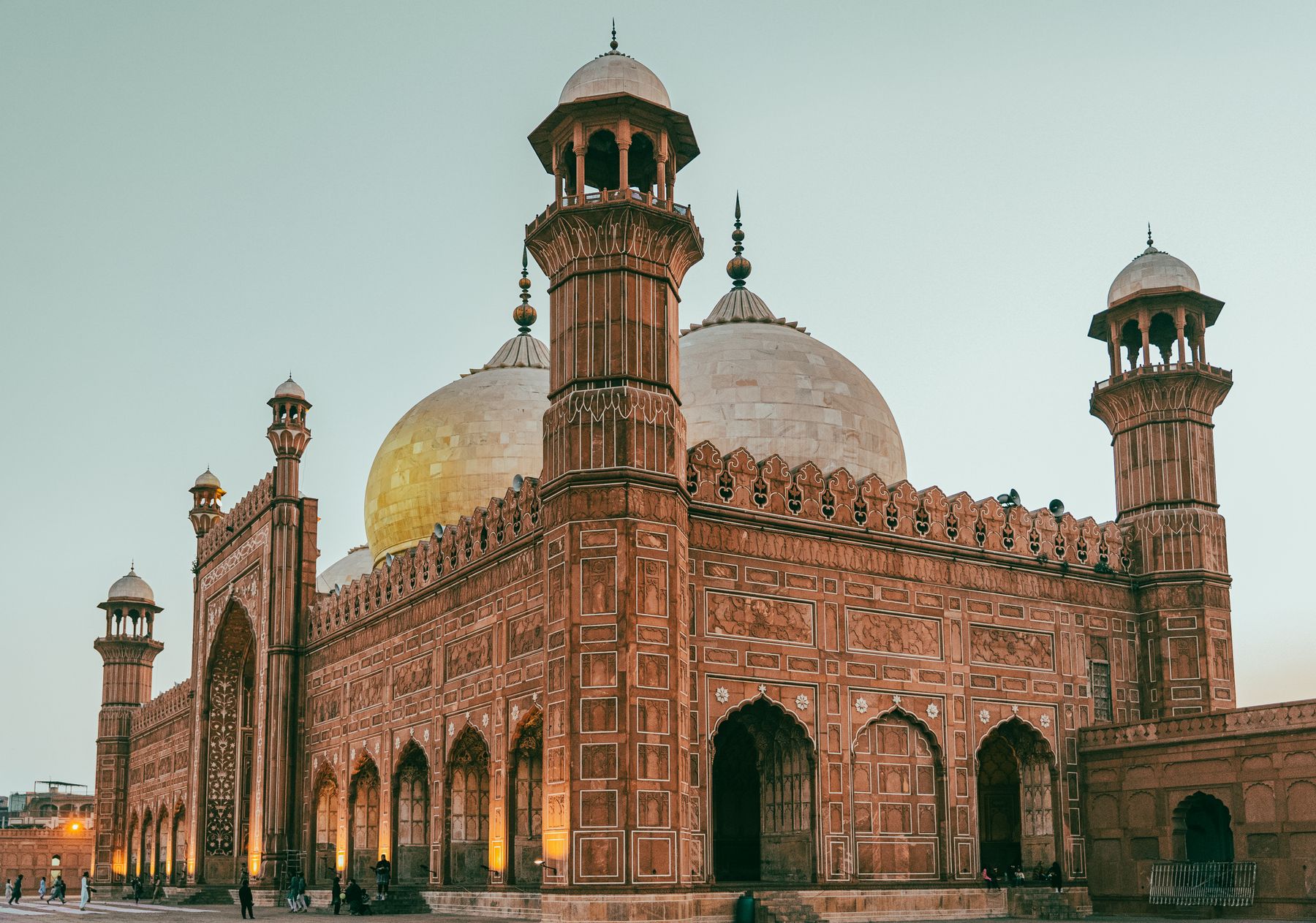
Lahore's Badshahi Mosque is at its most peaceful in the early morning. The light, the scale and the quiet make dawn the best time to see this Mughal masterpiece.
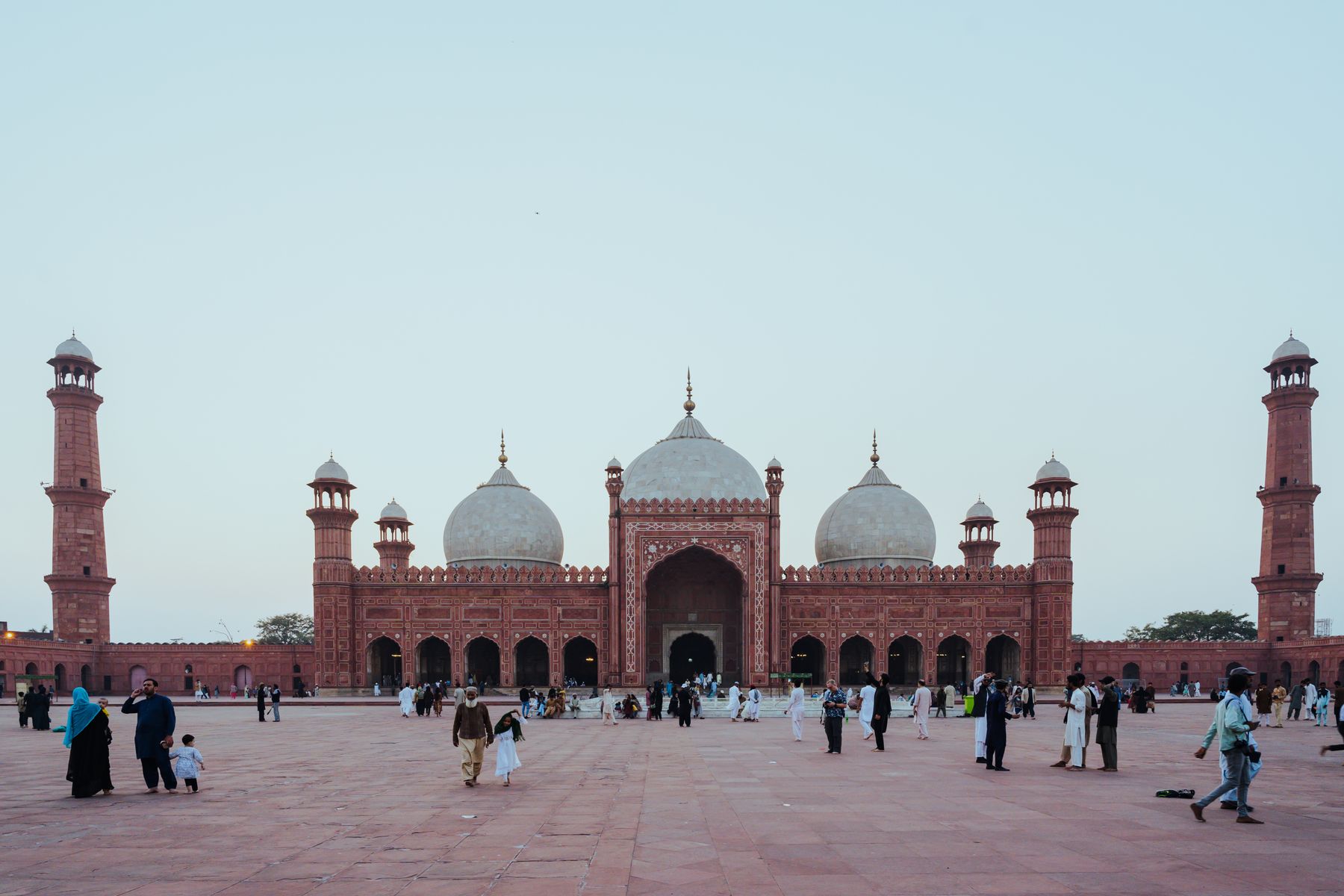 Photo: M1DDL3 M7N / Pexels
The Badshahi Mosque stands at the western end of Lahore's Walled City, a short walk from Lahore Fort. Built in the seventeenth century under Emperor Aurangzeb, it is one of the largest mosques in the world. At dawn, before the crowds arrive, the courtyard is empty and the light is soft. This is the time to see it.
The mosque and its setting
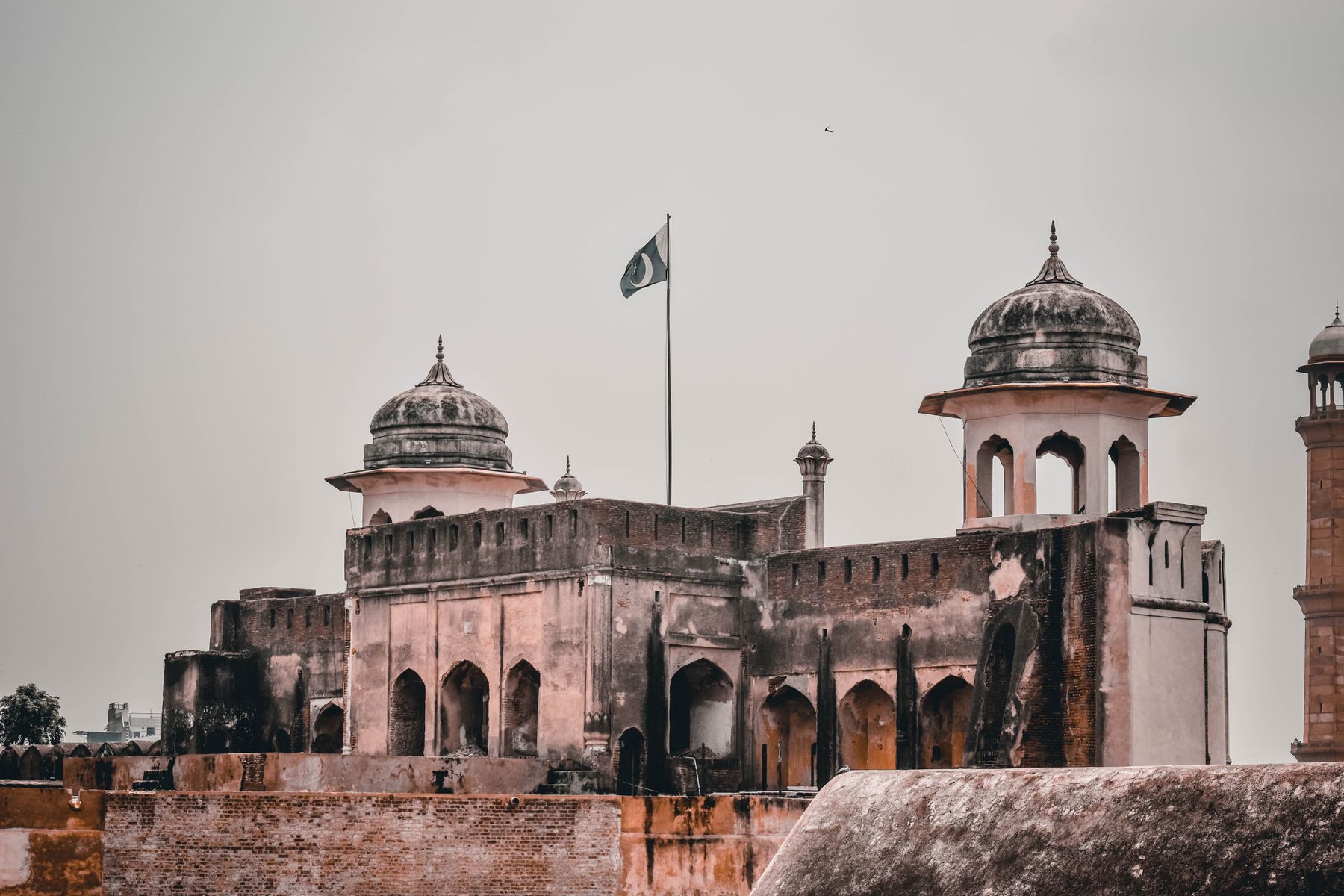
The Badshahi Mosque faces east, towards the Walled City and the fort. Its red sandstone walls and marble domes are visible from the fort's ramparts. The main prayer hall opens onto a vast courtyard, paved in brick, which can hold tens of thousands of worshippers. The mosque was completed in 1673 and remains a working place of worship.
The architecture is typical of the late Mughal style: a large central dome, four corner minarets and intricate fresco work inside the prayer hall. The minarets are octagonal and stand about 50 metres tall. The mosque is part of the Fort and Shalamar Gardens UNESCO World Heritage site.
The setting is busy during the day. The area around the mosque includes food stalls, shops and the entrance to the fort. At dawn, the same streets are quiet, with only a few early walkers and the sound of birds.
Why dawn is different
The first call to prayer, the Fajr adhan, sounds before sunrise. The mosque opens for worshippers, and visitors can enter the courtyard. The light comes from the east, behind the mosque, so the facade is in shadow at first, then gradually lit as the sun rises over the city.
The courtyard is cool and empty. The marble floor reflects the changing sky. The scale of the space becomes clear without crowds. Photography is allowed, but respect worshippers and avoid flash during prayer.
Dawn is also the time to see the mosque's details: the carved marble borders, the calligraphy on the walls and the geometric patterns. Without the distraction of crowds, these details stand out.
صبح کی اذانThe morning call to prayer, which marks the start of the day at the mosque.
What to see inside
The main prayer hall is entered from the courtyard. The interior is decorated with stucco tracery, fresco and marble inlay. The central arch is large and the dome above it is painted. Non-Muslims are generally allowed to enter the courtyard, but entry to the prayer hall may be restricted during prayers.
The mosque museum, in one of the corner rooms, displays relics and photographs. It is small but gives context to the building's history. The minarets can be climbed for a view over the old city, but access may be limited and a fee is charged.
The courtyard itself is the main attraction. Its size and simplicity are impressive. The brick paving is laid in a pattern that helps worshippers align in rows. The well in the centre was once used for ablutions.
Around the mosque
The mosque is next to Lahore Fort, another Mughal monument. The fort's Alamgiri Gate faces the mosque and was built at the same time. A combined visit is easy, but the fort opens later in the morning.
The Walled City's bazaars are within walking distance. Food streets near the mosque serve traditional breakfasts: halwa puri, nihari and lassi. These are best after the sun has risen and the shops open.
For a wider view, the Minar-e-Pakistan is a short rickshaw ride away. The tower stands in a park and offers a different perspective on the city. The area around it is busy in the evenings.
Practical notes
The mosque is open daily, but hours vary with prayer times. Visitors should dress modestly and remove shoes before entering the courtyard. Women may be asked to cover their heads.
The best months to visit Lahore are from October to March, when mornings are cool. Summer dawns are warm and humid. During Ramadan, the mosque is busy at dawn and the atmosphere is lively.
Lahore is well connected by road and air. The mosque is in the old city, and traffic can be heavy. Allow extra time to reach it. Check current security advice before travelling, as rules can change.
Nearby places to explore
- Lahore FortA Mughal fort next to the mosque, with the Alamgiri Gate facing it. Allow at least an hour to walk through its courtyards and halls.
- Walled City bazaarsThe old city's markets are a short walk away. They are quiet at dawn but come alive later with shops selling textiles, jewellery and food.
- Minar-e-PakistanA tall tower in a park, a short rickshaw ride from the mosque. It offers views over the city and is a popular spot in the evenings.
- Food StreetA street near the mosque known for traditional breakfasts and later for grilled meats. It is busiest in the evening.
Frequently asked questions
What time does the Badshahi Mosque open at dawn?
The mosque opens for Fajr prayer, which is before sunrise. Times change through the year, so check a local prayer timetable. Visitors can enter the courtyard after the call to prayer, but should wait if prayers are in progress.
Is the Badshahi Mosque free to enter?
Entry to the courtyard is generally free, but a fee may be charged for climbing the minarets or visiting the museum. Fees can change, so ask at the entrance.
What should I wear when visiting the Badshahi Mosque?
Modest dress is expected. Women should cover their heads and both men and women should wear clothing that covers shoulders and legs. Shoes must be removed before entering the courtyard.
Find a stay in Lahore
Live prices and availability open in the IMPT app, in a new tab.