Jalebi at midnight, Lahore
In Lahore, jalebi is not only a dessert. It is fried at dawn, sold by the weight and eaten late into the night in the old city and beyond.
 Photo: Aa Dil / Pexels
Jalebi is a spiral of fermented batter, fried in hot oil and soaked in sugar syrup. In Lahore it appears at breakfast with halwa puri, at tea stalls in the afternoon and at sweet shops long after dark. The city has a long association with the sweet, and the smell of frying batter is part of the street.
What jalebi is
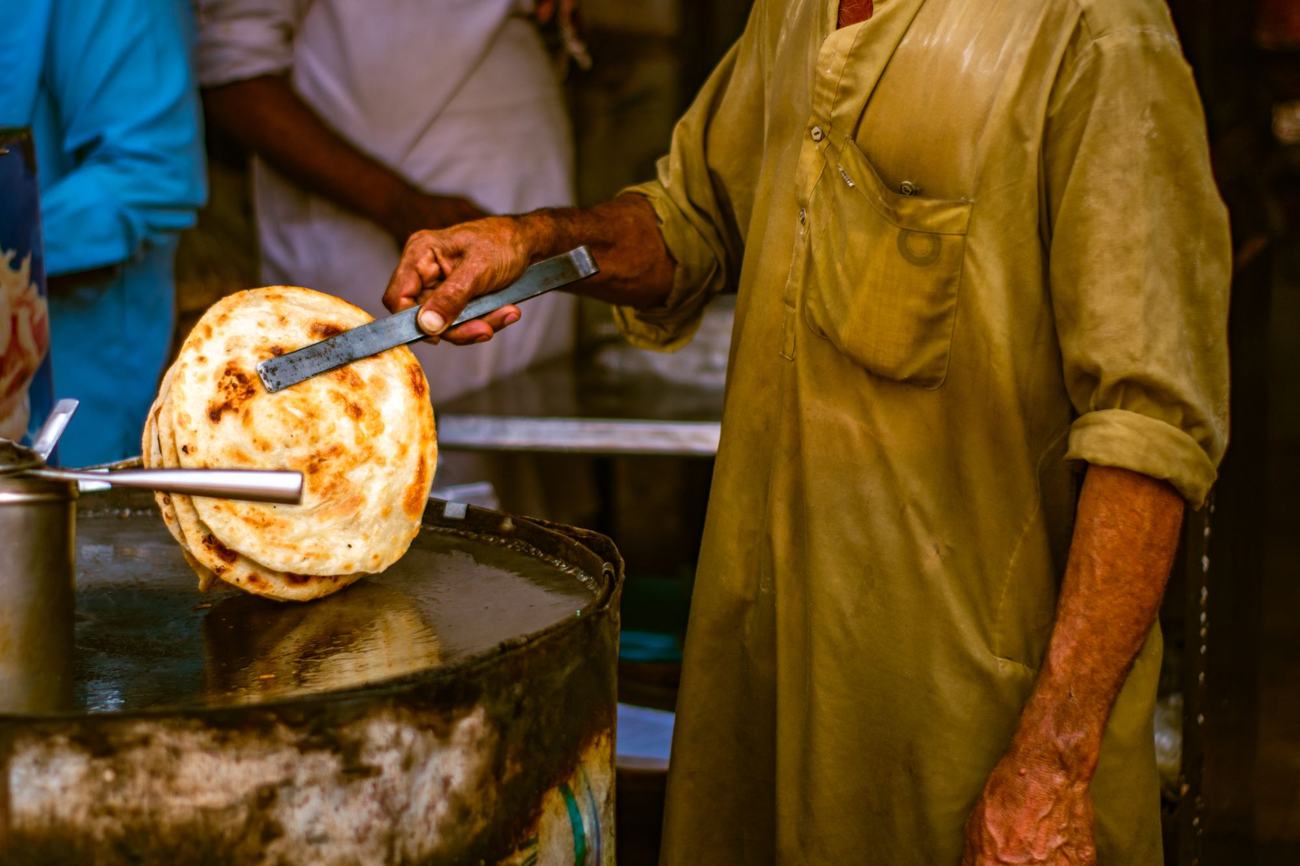
The batter is made from flour, sometimes with yoghurt or gram flour, and left to ferment for several hours or overnight. It is poured in loops into hot oil, where it puffs and crisps. The fried spirals go straight into warm sugar syrup, often scented with saffron or cardamom, and are lifted out while still soft at the centre.
Good jalebi is crisp at the edge and juicy inside. It should be eaten warm, because the syrup hardens as it cools. In Lahore, shops fry in small batches through the day so that the sweet reaches the counter fresh. The colour ranges from pale gold to deep orange, depending on the syrup and the batter.
The sweet is sold by weight, and a paper bag of jalebi is a common sight on the streets. It is also a standard part of breakfast in the old city, where it is served with puri and halwa. The same shops often sell both, and the fryers work from early morning.
Breakfast in the old city
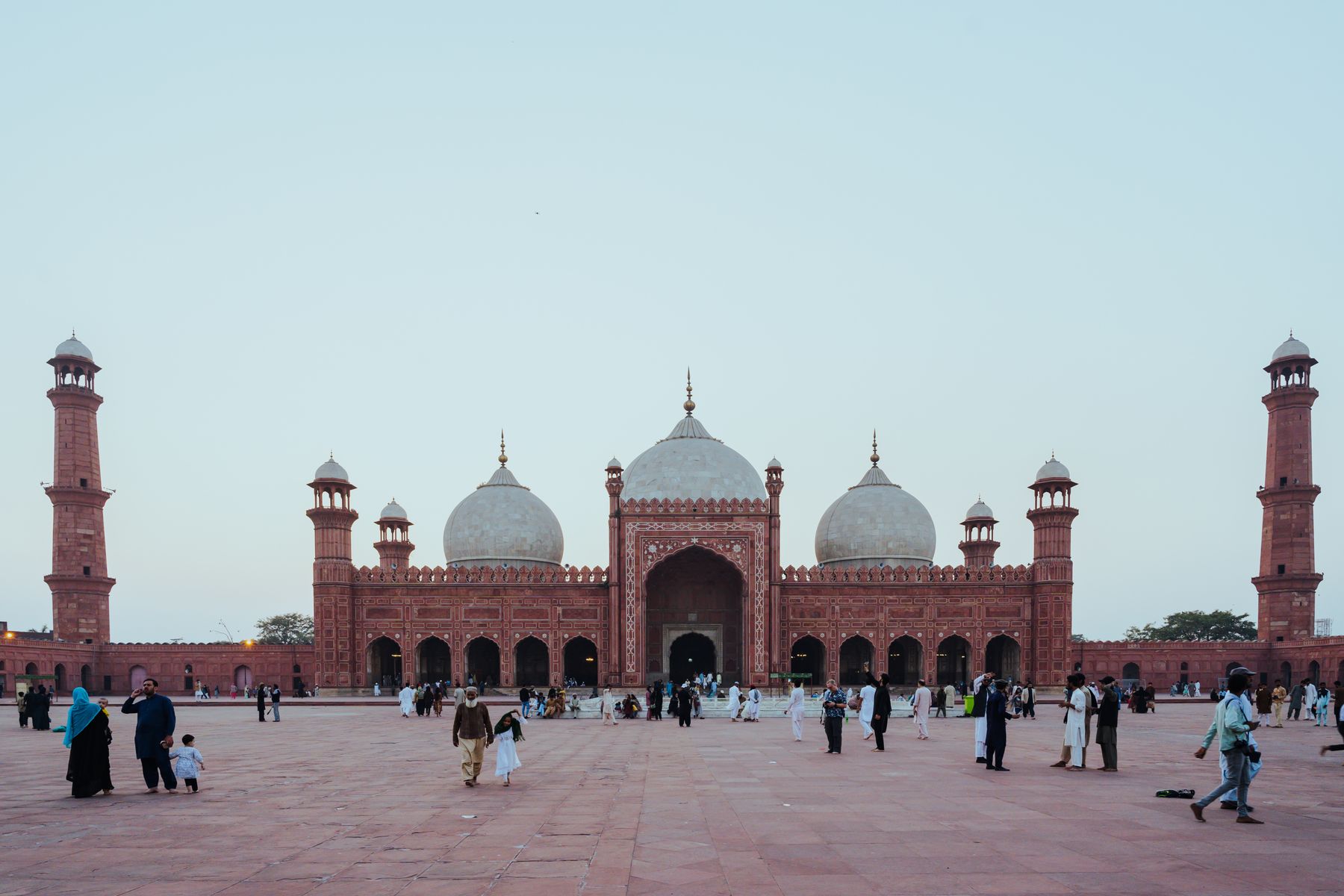
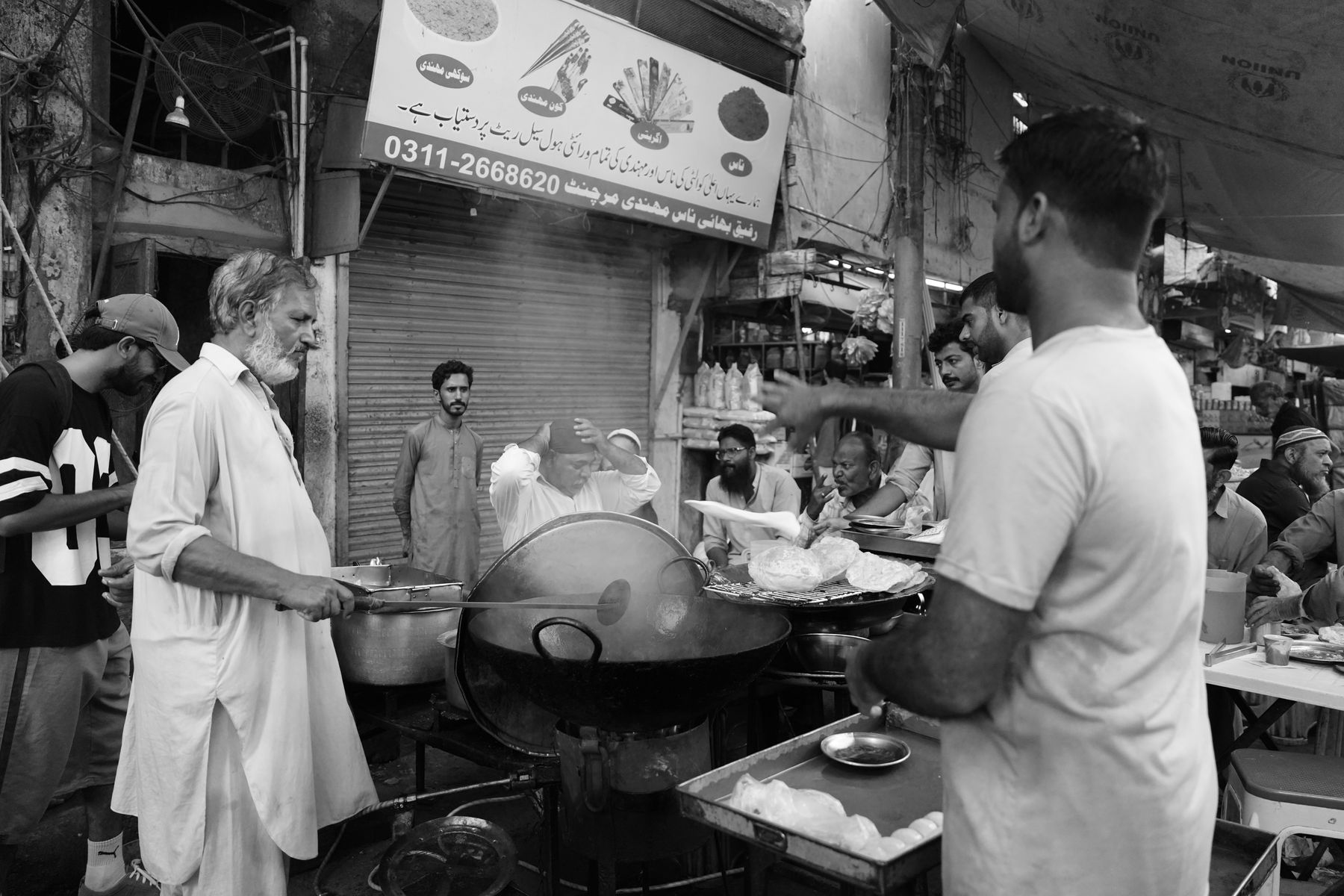
The lanes around Wazir Khan Mosque and the Delhi Gate area are known for breakfast. Halwa puri stalls set up before dawn, and jalebi is fried alongside. The combination of chickpea curry, semolina halwa and warm jalebi is a traditional start to the day in Lahore.
Visitors can walk these lanes in the early morning, when the shops are busy and the streets are relatively quiet. The area around the mosque is a good place to see the frying process. The lanes are narrow, and the smell of hot oil and syrup carries some distance.
The old city is also home to many historic havelis and bazaars. A morning walk can take in the mosque, the surrounding streets and a breakfast of halwa puri and jalebi. The area is busy, and care is needed in the narrow lanes.
جلیبی گرم ہےThe jalebi is hot, a common call at Lahore sweet shops in the evening.
Sweet shops and bazaars
Lahore has many sweet shops, and jalebi is a standard item. Shops in Anarkali Bazaar and along the Mall sell the sweet by weight. Some shops are known for their jalebi, and queues form in the evening. The bazaars are also good places to buy other sweets, such as gulab jamun and barfi.
In the evening, jalebi is often eaten with milk or tea. Some shops fry to order, and the sweet is served hot. The shops in Anarkali are busy after dark, and the lanes are full of food stalls. The area is a good place to sample several sweets in one visit.
The Mall, the broad road built in the colonial period, has several historic sweet shops. Some have been in business for decades. The shops are busier in the evening, when families stop for sweets after dinner. Jalebi is usually available until late.
Midnight frying
In some parts of Lahore, jalebi is fried late into the night. Shops near the old city and in busy districts keep their fryers going for customers who want something sweet after dinner. The sweet is popular after weddings and other celebrations, and shops may stay open late to meet demand.
The midnight trade is not limited to jalebi. Other fried sweets and savoury snacks are also sold. The atmosphere is different from the morning rush. The streets are quieter, and the shops are lit up. The jalebi is often eaten on the spot, with tea.
For visitors, a late-night jalebi run can be a way to see a different side of the city. The shops are usually in busy areas, and it is best to go with someone who knows the area. The sweet is best eaten fresh, and the experience is part of the city's food culture.
When to go and what to know
Lahore is hot in summer, with temperatures rising above 40°C in May and June. The best time to visit is from October to March, when the weather is cooler. Winter mornings are good for breakfast in the old city, and evenings are pleasant for bazaar walks.
Ramadan is a busy time for sweet shops, and jalebi is popular at iftar. The shops are crowded before sunset, and the streets are full. Visitors should be aware of the changed timings during the month. The sweet is also eaten at Eid and other festivals.
Jalebi is sold by weight, and a fee is charged. It is best to buy from shops with a high turnover, where the sweet is fried often. The old city and Anarkali are good places to start. The sweet is best eaten warm, and a paper bag is the usual packaging.
Where to find it
- Wazir Khan Mosque lanesOld city breakfast stalls fry jalebi with halwa puri from early morning.
- Anarkali BazaarSweet shops sell jalebi by weight, busy in the evening.
- The MallHistoric shops along the broad colonial-era road, open late.
- Delhi GateStreet food around the gate, including fried sweets in the evening.
Frequently asked questions
What is jalebi and how is it made?
Jalebi is a sweet made from fermented flour batter, poured in spirals into hot oil and then soaked in sugar syrup. It is crisp outside and soft inside, often scented with saffron or cardamom. In Lahore it is sold by weight and eaten warm, especially at breakfast or late at night.
Where can I eat jalebi in Lahore?
The old city lanes around Wazir Khan Mosque and Delhi Gate are known for breakfast jalebi with halwa puri. Anarkali Bazaar and The Mall have sweet shops selling jalebi by weight. Many shops fry in the evening and some stay open late. A fee is charged, and the sweet is best eaten fresh.
When is the best time to visit Lahore for jalebi?
The cooler months from October to March are best for walking the old city and bazaars. Mornings are good for breakfast jalebi, and evenings for sweet shops. Ramadan is busy at iftar, when jalebi is popular. Summer heat can be extreme, so plan around early mornings or evenings.
Find a stay in Lahore
Live prices and availability open in the IMPT app, in a new tab.