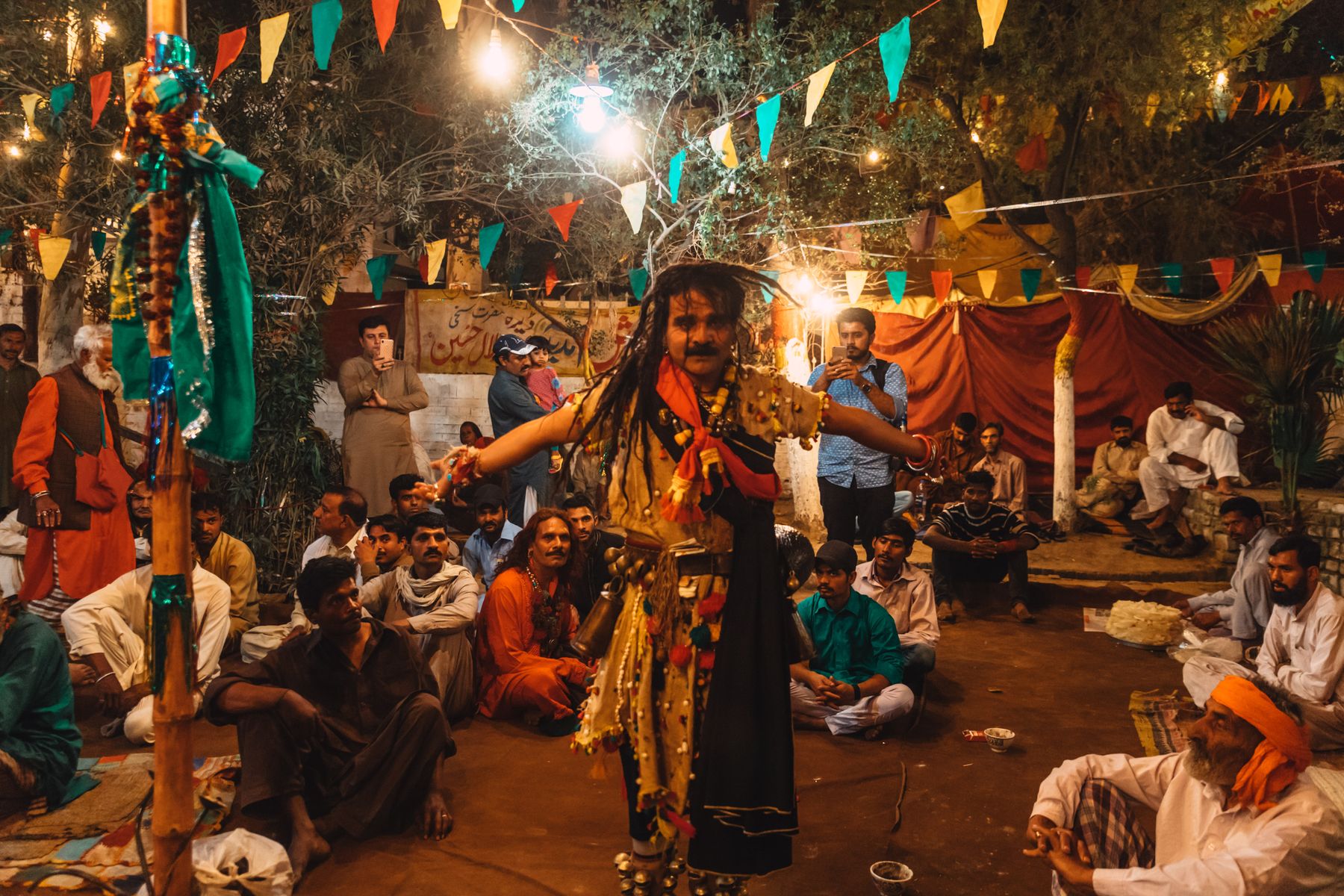
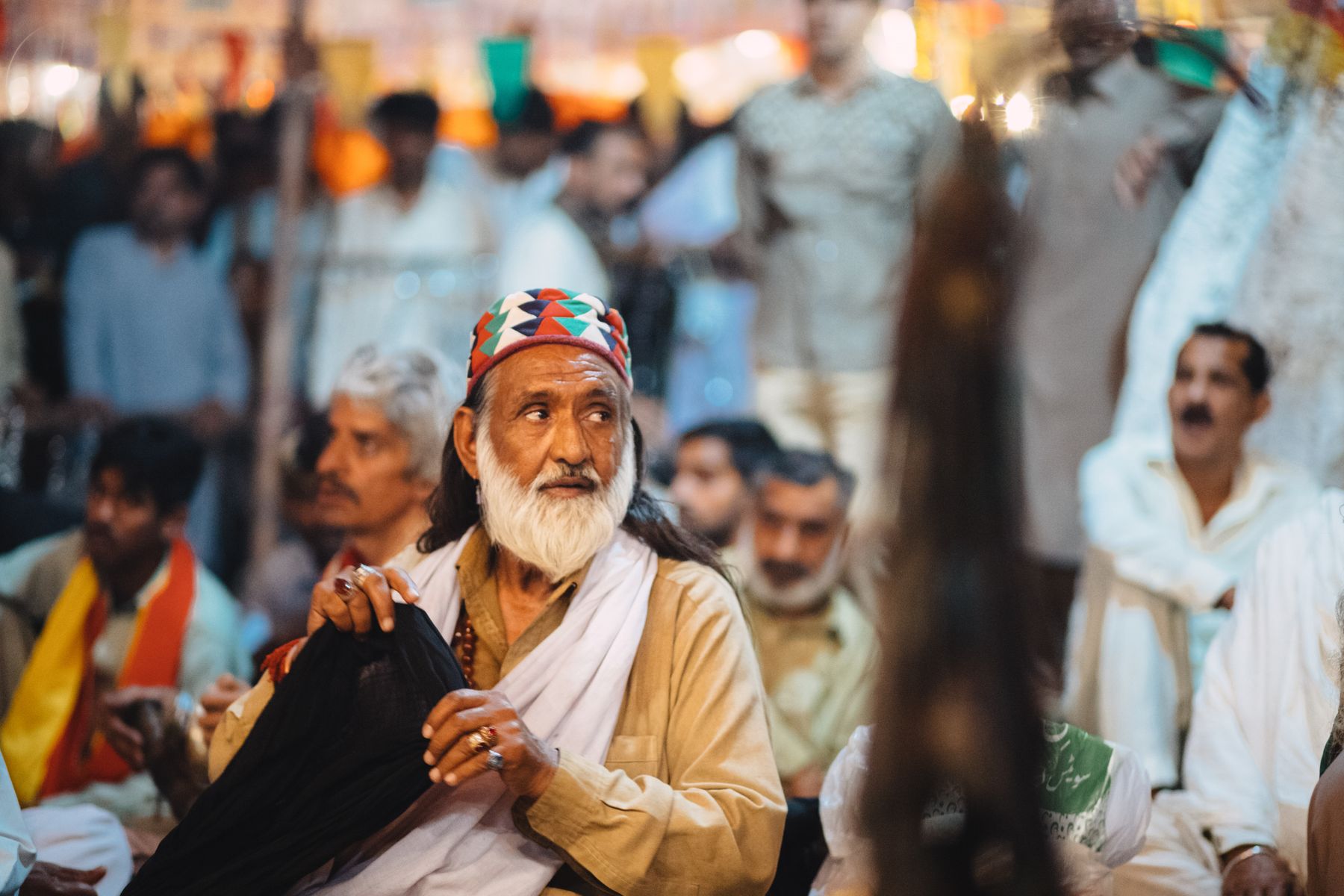
Fort Road Food Street after dark
When the sun sets over the Walled City, Fort Road Food Street fills with smoke, spice and the sound of diners. Here is what to see and taste after dark.
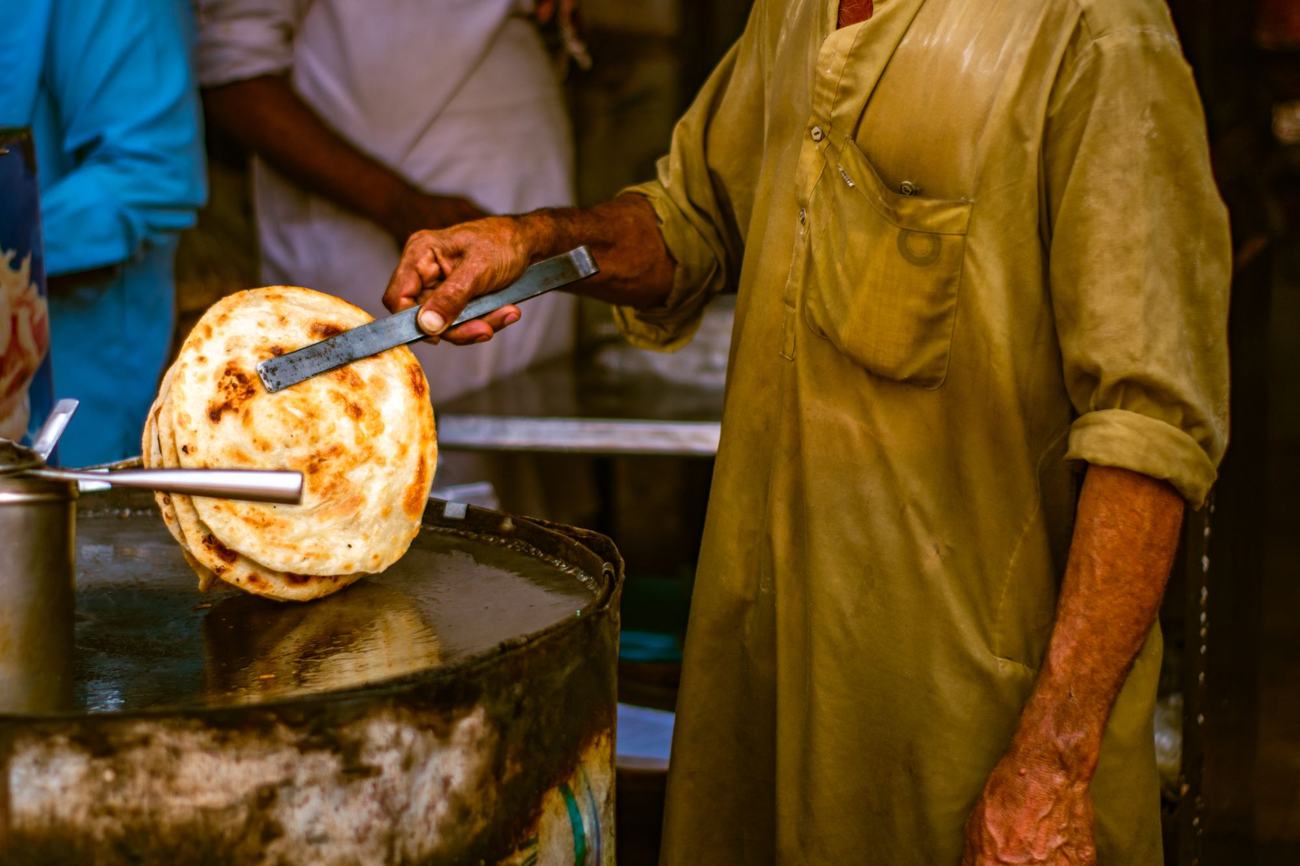 Photo: Shahid Jamali / Pexels
Fort Road Food Street runs along the western edge of the Walled City, looking out at the Badshahi Mosque and Lahore Fort. By day it is quiet. After dark, the grills are lit, the rooftops fill and the street becomes one of the busiest places to eat in Lahore.
Where the street sits
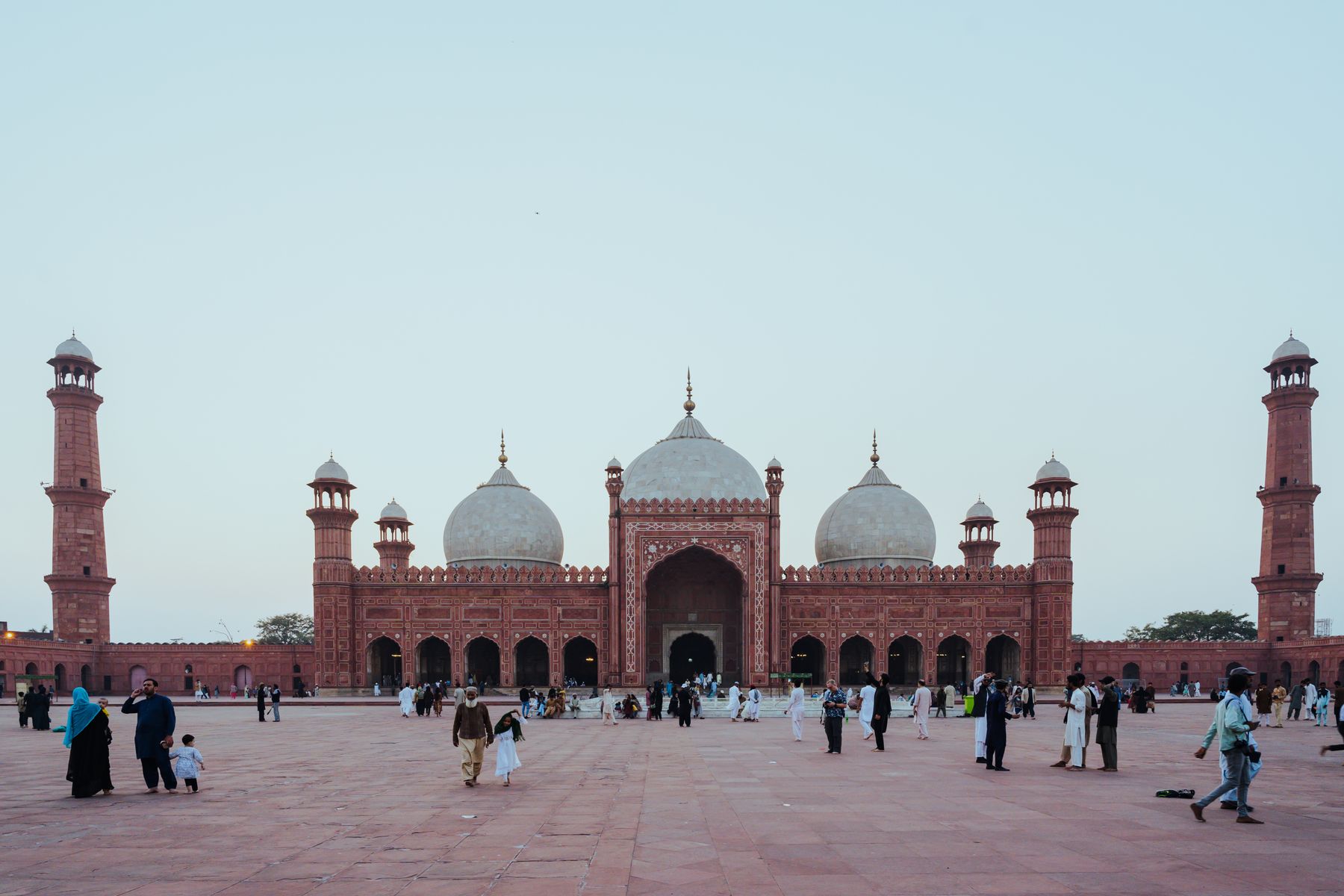
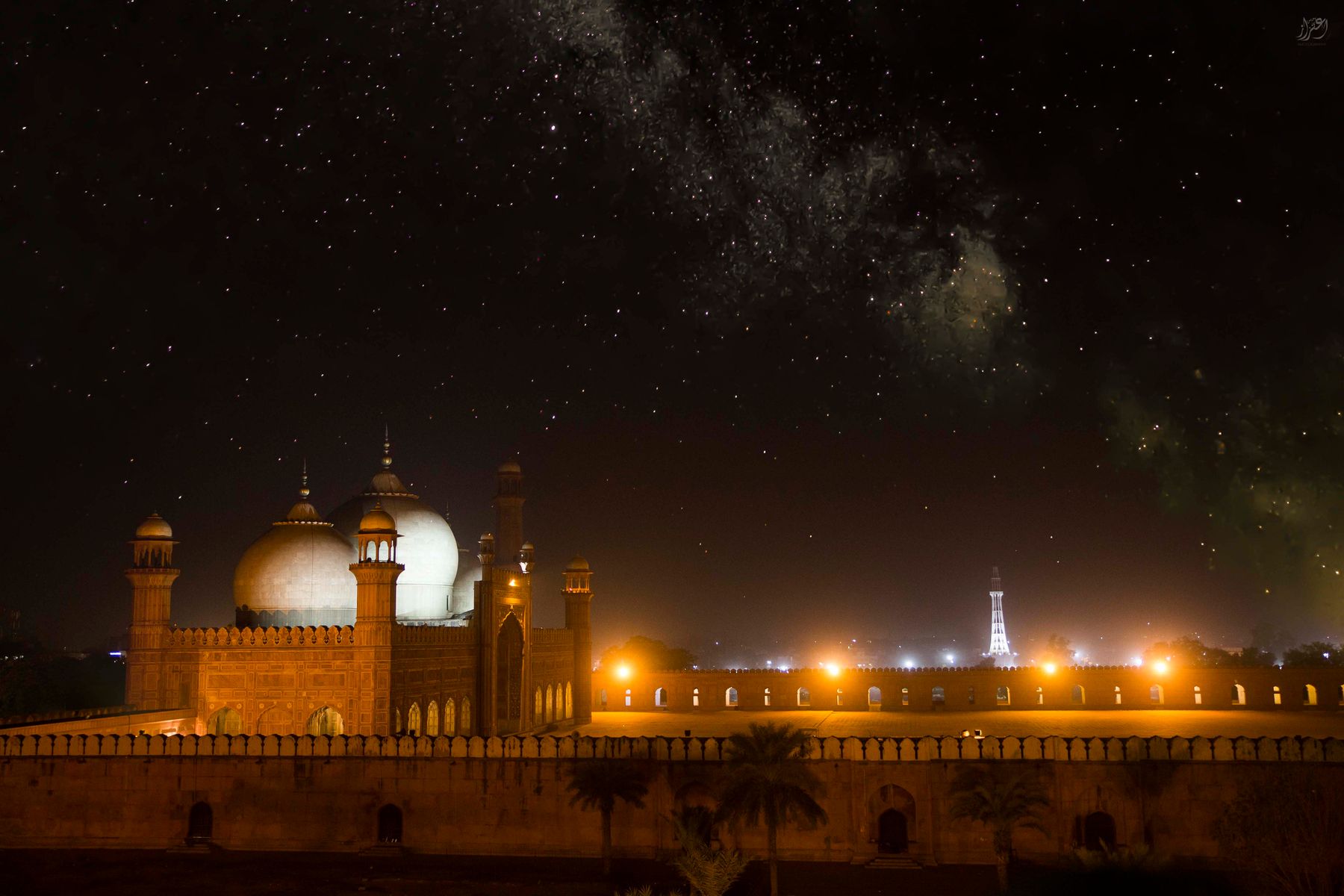
The food street occupies a stretch of Fort Road, also called Roshnai Gate Road, between Roshnai Gate and the edge of Iqbal Park. The Badshahi Mosque stands to the east, its minarets and domes lit after sunset. The Lahore Fort runs along the northern side. The street itself is narrow and partly pedestrian, with old buildings on one side and open views on the other.
The area is part of the Walled City, though the food street sits just outside the old wall line. Roshnai Gate, one of the original gates, marks the southern end. From here you can walk to the mosque courtyard or into the fort in a few minutes. The food street is a short rickshaw ride from Anarkali and the main railway station.
The street is busiest from about eight in the evening until well after midnight. In summer, the crowds come later, when the heat of the day has gone. In winter, the rooftop terraces are busy earlier, and diners wrap up against the cold. Ramadan changes the pattern, with the street filling after iftar and staying busy until the early hours.
What the grills produce
The smell of charcoal smoke is the first thing you notice. Seekh kebabs, chicken tikka and lamb chops are grilled over open coals. The meat is usually marinated in yoghurt and spices, then cooked quickly over high heat. The result is charred outside and juicy inside. Many places also serve tawa-cooked dishes, where meat is seared on a flat iron griddle with tomatoes, green chillies and coriander.
Alongside the grills, large karahis bubble in black iron pans. Chicken or mutton is cooked with tomatoes, ginger and green chillies until the oil separates. The karahi is served with naan fresh from the tandoor. Nihari, a slow-cooked beef stew, is another common dish, often eaten with ginger, coriander and a squeeze of lemon. Some places serve paya, trotters cooked overnight into a thick broth.
Vegetarians will find some options, though the street is known for meat. Daal fry, mixed vegetables and paneer dishes appear on many menus. The breads are excellent: naan, kulcha and tandoori roti, all baked in clay ovens. Rice dishes such as chicken biryani and pulao are also available. Most places serve soft drinks, lassi and sometimes fresh juice.
کھانا کھا لوHave your food. A common invitation on the street, where diners are urged to eat their fill.
Rooftops and the view
The food street is known for its rooftop terraces. Many buildings have been converted, with tables set on the roof or on balconies overlooking the mosque. From these terraces, the illuminated Badshahi Mosque and the fort walls form a backdrop to the meal. The view is best after dark, when the lights come on. Some terraces are covered and heated in winter.
The rooftops fill quickly after sunset. Arriving early, around seven or eight, gives a better chance of a table with a view. The terraces are popular with families and groups, and the atmosphere is lively but relaxed. The call to prayer from nearby mosques can be heard over the noise of the street, a reminder that the food street sits in the heart of the old city.
Below the rooftops, the street level is just as busy. Waiters move between tables, carrying trays of kebabs and karahi. The air is thick with smoke and the sound of conversation. The street is not licensed for alcohol, and the focus is on food and soft drinks. The mood is casual, and most diners stay for an hour or more.
Getting there and timing
Fort Road Food Street is easy to reach by rickshaw or taxi from most parts of central Lahore. The nearest landmark is Roshnai Gate, at the southern end of the street. From there, the food street runs north towards the fort. The area is busy in the evening, so allow extra time for the final approach. Parking is limited, and many visitors are dropped off at the gate.
The street is open every evening, though some places close on one day of the week. It is busiest on weekends and public holidays. Ramadan is the busiest time of all, with the street packed after sunset. During the day, most restaurants are closed. A few open for lunch, but the atmosphere is nothing like the evening rush.
There is no entry fee to the street. Individual restaurants charge for food, and some rooftop terraces may have a minimum spend. It is worth checking before sitting down. The street is not wheelchair-friendly, with uneven surfaces and narrow passages. Visitors should dress modestly, as the area is conservative. Photography is allowed, but ask before taking pictures of people.
A walk through the Walled City
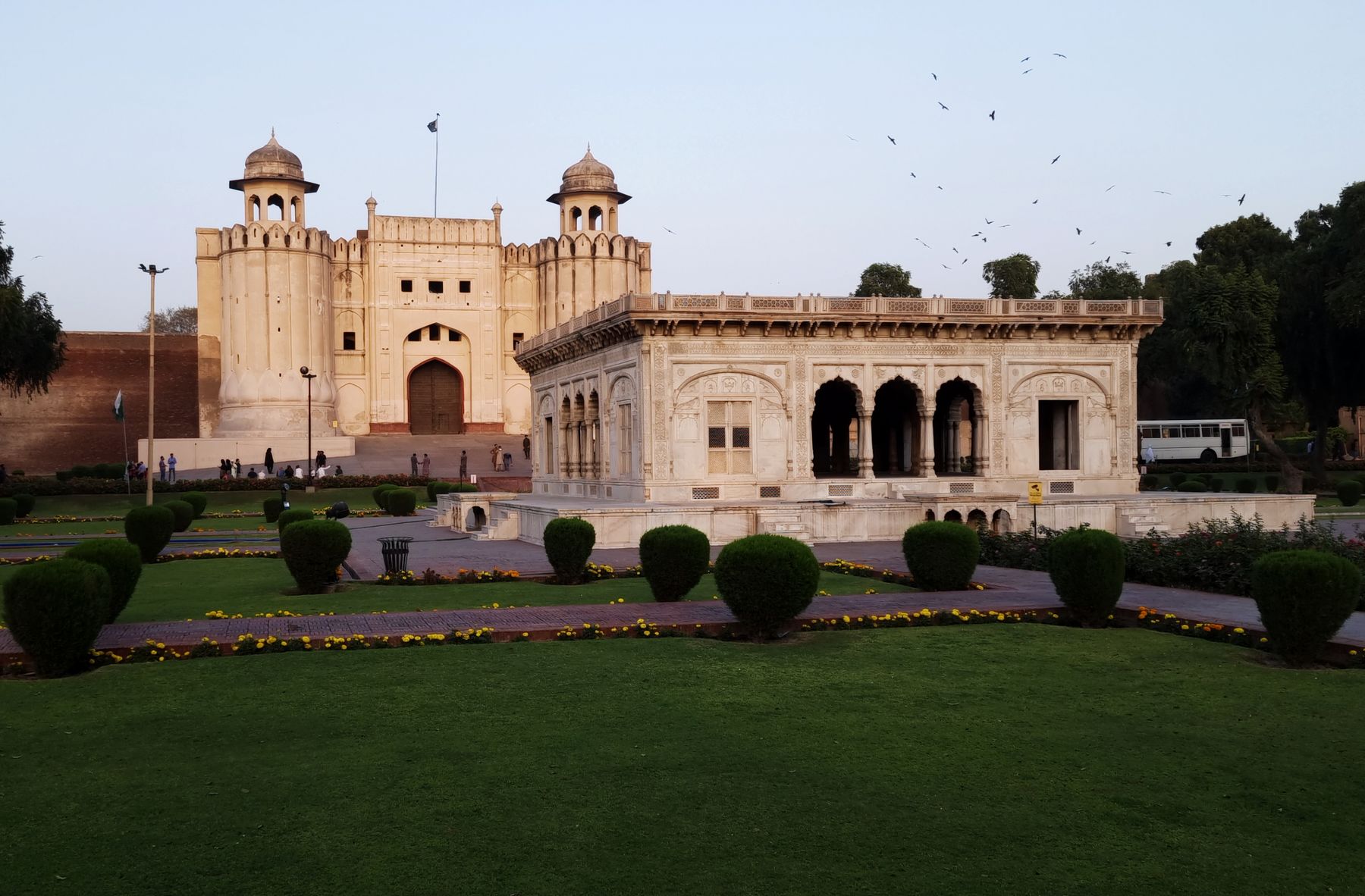
The food street makes a good starting or ending point for a walk through the Walled City. From Roshnai Gate, you can walk to the Badshahi Mosque, which is open to visitors outside prayer times. The mosque courtyard is one of the largest in the world, and the evening light on the red sandstone is worth the visit. The Lahore Fort is next door, with its famous Sheesh Mahal and Naulakha Pavilion.
Further into the Walled City, the bazaars around Anarkali and Kashmiri Bazaar offer a different slice of Lahore. The streets are narrow and crowded, lined with shops selling textiles, jewellery and food. The Wazir Khan Mosque, with its detailed tile work, is a short walk from Delhi Gate. These are not part of the food street but are within easy reach.
After a meal on Fort Road, a walk to the mosque or through the bazaars helps work off the food. The area is generally safe for visitors, but it is wise to keep to well-lit streets and avoid isolated areas late at night. The food street itself is busy until late, and the walk back to the main road is straightforward. Many visitors combine dinner with a visit to the fort or mosque.
Where to find it
- Roshnai GateThe southern entrance to the food street, near the Badshahi Mosque. A landmark for rickshaw drivers.
- Badshahi MosqueMughal-era mosque at the eastern end of the street. Open outside prayer times; lit after dark.
- Lahore FortUNESCO World Heritage site along the northern side. The Sheesh Mahal and Naulakha Pavilion are highlights.
- Wazir Khan MosqueA short walk from Delhi Gate, known for its tile work. Best visited in daylight.
Frequently asked questions
What is Fort Road Food Street in Lahore known for?
Fort Road Food Street is known for its grilled meats, karahi and rooftop views of the Badshahi Mosque and Lahore Fort. It is one of the main places to eat in Lahore after dark, with many restaurants setting up tables on terraces overlooking the Mughal monuments.
When is the best time to visit Fort Road Food Street?
The street is busiest from about eight in the evening until after midnight. Arriving early, around seven or eight, gives a better chance of a rooftop table. In summer, crowds come later due to the heat; in winter, the street is busy earlier. Ramadan shifts the pattern to after iftar.
Do I need a permit to visit Fort Road Food Street?
No permit is needed for Fort Road Food Street or the nearby Walled City. However, some areas of Lahore and Punjab may have occasional restrictions, and rules can change. It is always wise to check current official advice before travelling, especially around public holidays or security situations.
Find a stay in Lahore
Live prices and availability open in the IMPT app, in a new tab.