Nihari, a slow morning dish
A beef stew simmered overnight, nihari is eaten at dawn in Karachi. The dish rewards patience, both in the kitchen and at the table.
 Photo: Hasnain Creations / Pexels
In Karachi, mornings begin with nihari. The stew is cooked overnight and served from early hours in old quarters of the city. Its dark, glossy gravy and tender beef are eaten with naan, ginger and green chilli. The dish is a fixture of Ramadan and winter mornings, and a marker of the city's food culture.
What nihari is
Nihari is a slow-cooked stew of beef shank, bone marrow and spices. The name comes from the Urdu word for morning, a reference to when it is traditionally eaten. The dish is thickened with flour and finished with a tarka of ghee and spices. It is served with naan, sliced ginger, green chilli, coriander and lemon.
The gravy is dark brown and glossy, with a layer of oil on top. The meat should be soft enough to pull apart with a spoon. Bone marrow gives the stew its body. Some cooks add tongue or brain, but beef shank is the standard cut. The spice mix usually includes fennel, ginger, garlic, red chilli and garam masala.
Nihari is a breakfast dish in Pakistan, not a dinner one. It is eaten early, often before work, and is popular on winter mornings and during Ramadan. In Karachi, it is sold from dedicated nihari houses and from stalls in the old city. The dish is also common in Lahore, but Karachi has its own style, often spicier and with more chilli.
How it is cooked
The cooking starts the day before. Beef shank is browned and then simmered with spices for several hours. The pot is left on a low flame overnight. In the morning, the stew is finished with a flour slurry to thicken it, and a tarka of ghee, ginger and spices is poured over the top. The result is a rich, dark gravy.
The long cooking breaks down the connective tissue in the meat. The bone marrow melts into the gravy, adding richness. The flour slurry gives the stew a velvety texture. The tarka adds aroma and a final layer of spice. Each cook has a signature blend, often kept secret.
Nihari is not a quick dish. It requires time and attention, and the overnight simmer is essential. In Karachi, many nihari houses have been running for decades, with recipes passed down through families. The cooking is done in large pots, sometimes over wood fire, which adds a smoky note.
نہاری ناشتہNihari breakfast: a morning meal of slow-cooked stew, eaten early in Karachi.
Where to eat it in Karachi
The old city areas of Karachi are the heart of nihari culture. Burns Road is a well-known food street with several nihari houses. Saddar and Guru Mandir also have long-standing spots. These are not fancy places; they are simple eateries with tables on the pavement and a queue at the counter.
Most nihari houses open early, around dawn, and serve until the pot runs out, often by mid-morning. The busiest time is between 7 and 9 am. Expect to share a table and to eat quickly. The dish is served with hot naan, and the tea is strong. Some places also offer paya, a trotter stew, alongside nihari.
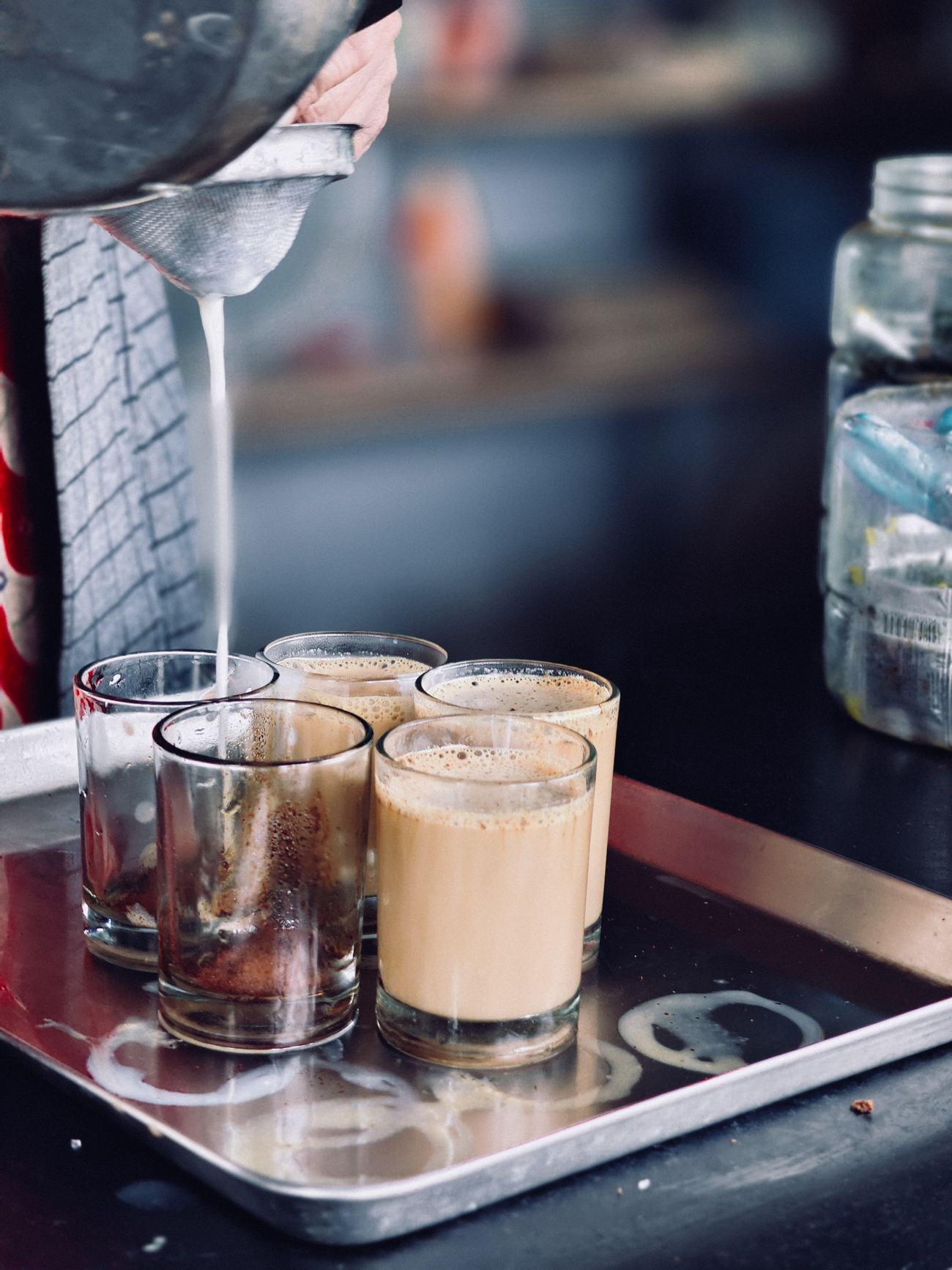
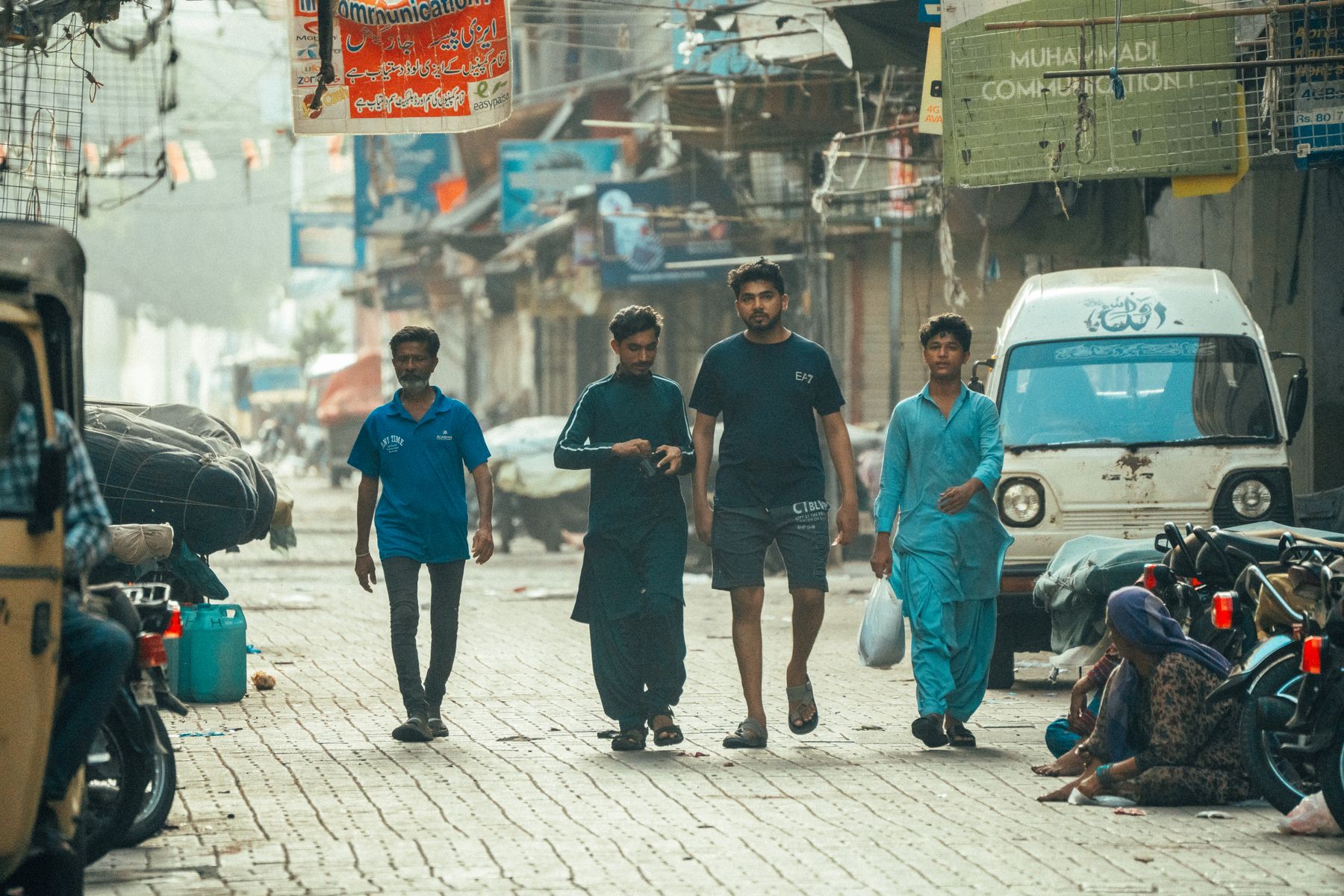
For a visitor, the experience is as much about the setting as the food. The streets are busy with workers, rickshaws and the smell of frying naan. The nihari is served in steel bowls, with the oil glistening on top. It is a filling meal, and one that sets the tone for the day.
How to eat it
Nihari is eaten with the right hand, using pieces of naan to scoop the stew. The ginger and green chilli are added on top, and lemon juice is squeezed over. Some people add a spoonful of the oil from the top, which carries the most spice. The dish is rich, so a small portion is enough for a first try.
The heat comes from red chilli and black pepper, and it builds slowly. The ginger and lemon cut through the fat. The naan should be fresh and soft, not crisp. A glass of water or tea helps. In winter, nihari is often eaten with a side of pickled onion.
For those not used to spicy food, it is fine to ask for less chilli, but the dish is meant to be hot. The stew is also eaten with rice in some homes, but naan is the standard. The meal is usually finished with a cup of tea, and the bill is paid at the counter.
When to go
Nihari is available year-round, but it is most popular in winter, from November to February, when the mornings are cool. During Ramadan, it is eaten before dawn, and the nihari houses are busy in the early hours. The monsoon months, July and August, are hot and humid, and the dish is less appealing then.
The best time to visit a nihari house is early morning, before the crowds. Friday is a busy day, as many people eat nihari after prayers. The old city areas are congested, so it is easier to go by rickshaw or on foot. Parking is limited.
Karachi is a large city, and travel times can be long. It is worth choosing a nihari house near where you are staying. The areas around Burns Road and Saddar are central and have several options. The experience is informal, and the food is the main draw.
Where to find nihari
- Burns RoadA food street in the old city with several nihari houses, busy from dawn until the pots run out.
- SaddarCentral Karachi area with long-standing nihari eateries, often crowded in the early morning.
- Guru MandirA neighbourhood with traditional nihari spots, popular for breakfast among local workers.
- Paposh NagarA residential area in Karachi with well-known nihari places, serving from early hours.
Frequently asked questions
What is nihari and why is it eaten in the morning?
Nihari is a slow-cooked beef stew, traditionally eaten at breakfast in Pakistan. The name comes from the Urdu word for morning. It is cooked overnight and served early, often with naan, ginger and green chilli. In Karachi, it is a popular winter and Ramadan dish.
Where can I eat nihari in Karachi?
Nihari is served in old city areas such as Burns Road, Saddar and Guru Mandir. These are simple eateries, often open from dawn until mid-morning. Many have been running for decades. It is best to go early, as the pots often run out by 10 am.
Is nihari very spicy?
Nihari is usually spicy, with heat from red chilli and black pepper. The gravy is rich and oily. It is served with ginger, green chilli and lemon, which help balance the heat. Some places can adjust the spice level on request, but the dish is meant to be hot.
Find a stay in Karachi
Live prices and availability open in the IMPT app, in a new tab.