 Photo:
Visiting Karachi
What Karachi is like
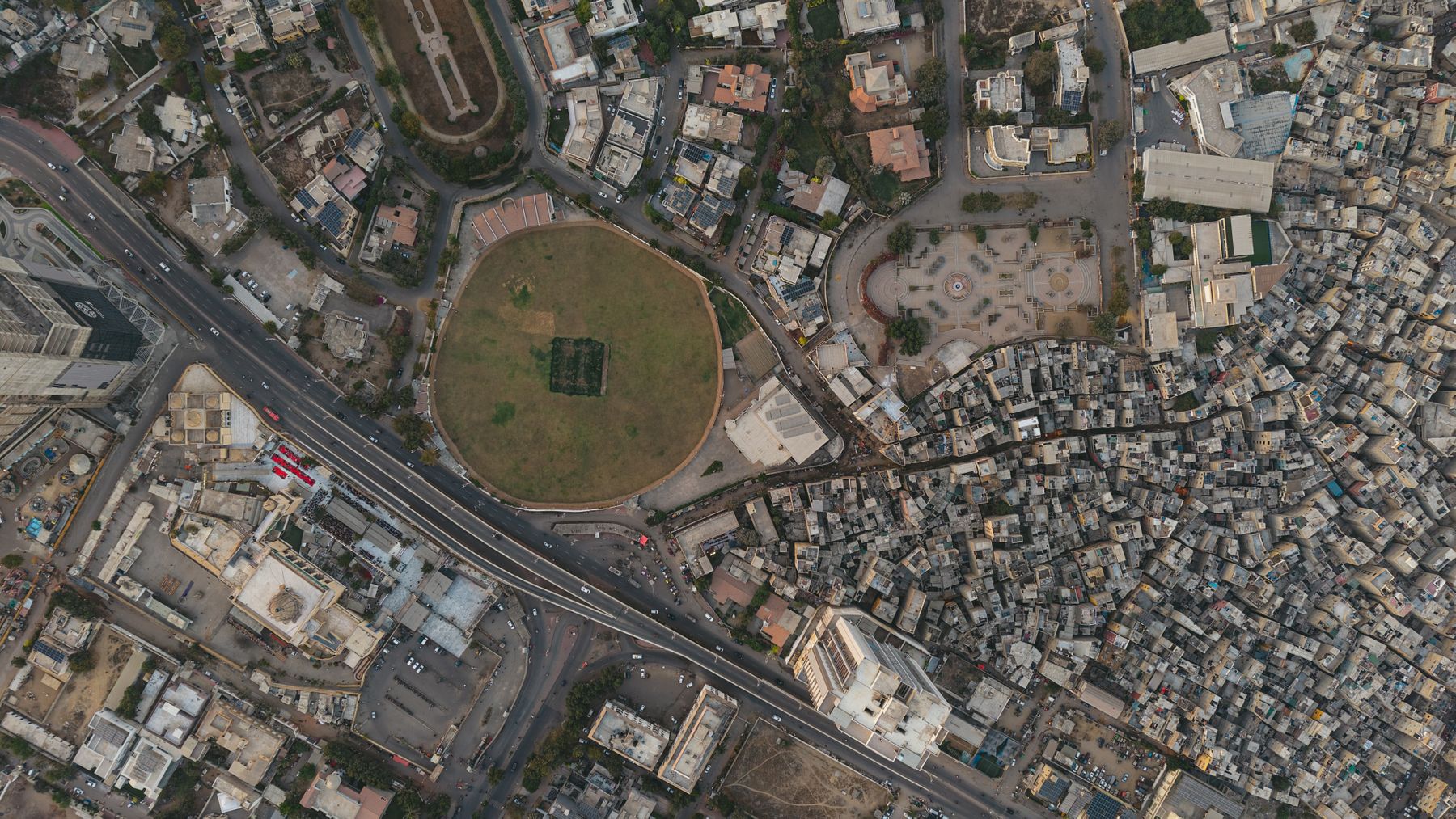
Karachi is a city of roughly 20 million people, spread over a flat coastal plain beside the Arabian Sea. It is the capital of Sindh and the country's financial and industrial centre. The climate is hot and humid for much of the year. Sea breezes moderate the heat but also bring moisture. The brief winter, from late November to February, is the most comfortable season, with mild days and cooler nights.
The city grew from a small fishing settlement into a major port under British rule in the nineteenth century. Today it is a patchwork of districts. The old town around Mithadar and Kharadar keeps narrow lanes and old mosques. Saddar, the colonial quarter, has wide streets and stone buildings. Clifton and the northern suburbs are newer and more spread out. English is widely used in business and signs.
Weather and seasons
Summers are long and hot, with temperatures often above 35°C and high humidity. The monsoon brings rain in July and August, sometimes heavy. Winters are mild, with daytime temperatures around 25°C. The best months for walking and sightseeing are December, January and February.
What to see
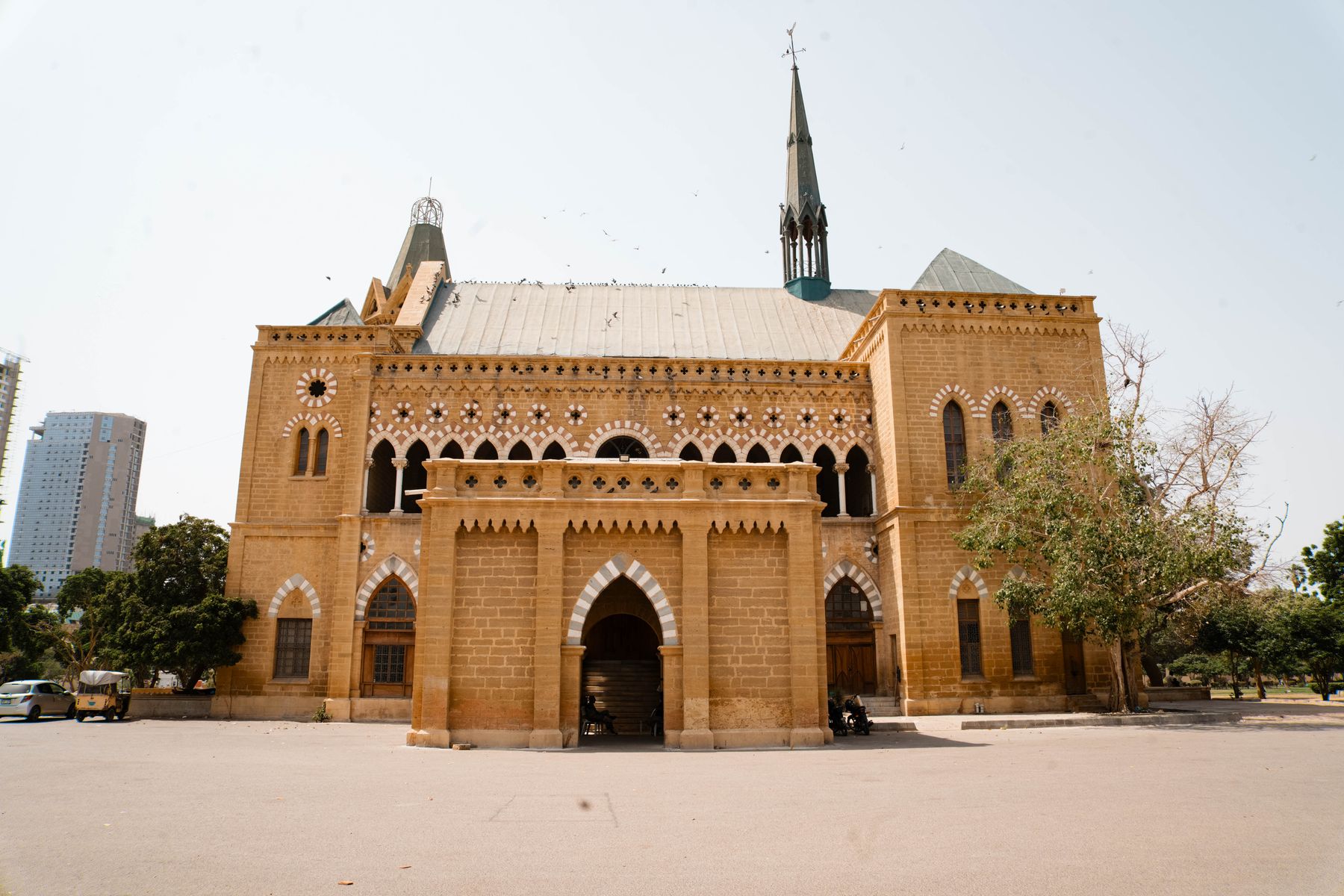
The colonial architecture of Saddar is the most concentrated sight. The Empress Market, a Victorian covered market, anchors the area. Nearby are the old courts, churches and government buildings of the British period. The narrow streets of the old town, near Mithadar, hold older mosques and bazaars. The Mohatta Palace in Clifton is a museum in a 1920s stone palace, with changing exhibitions on the arts and history of Sindh.
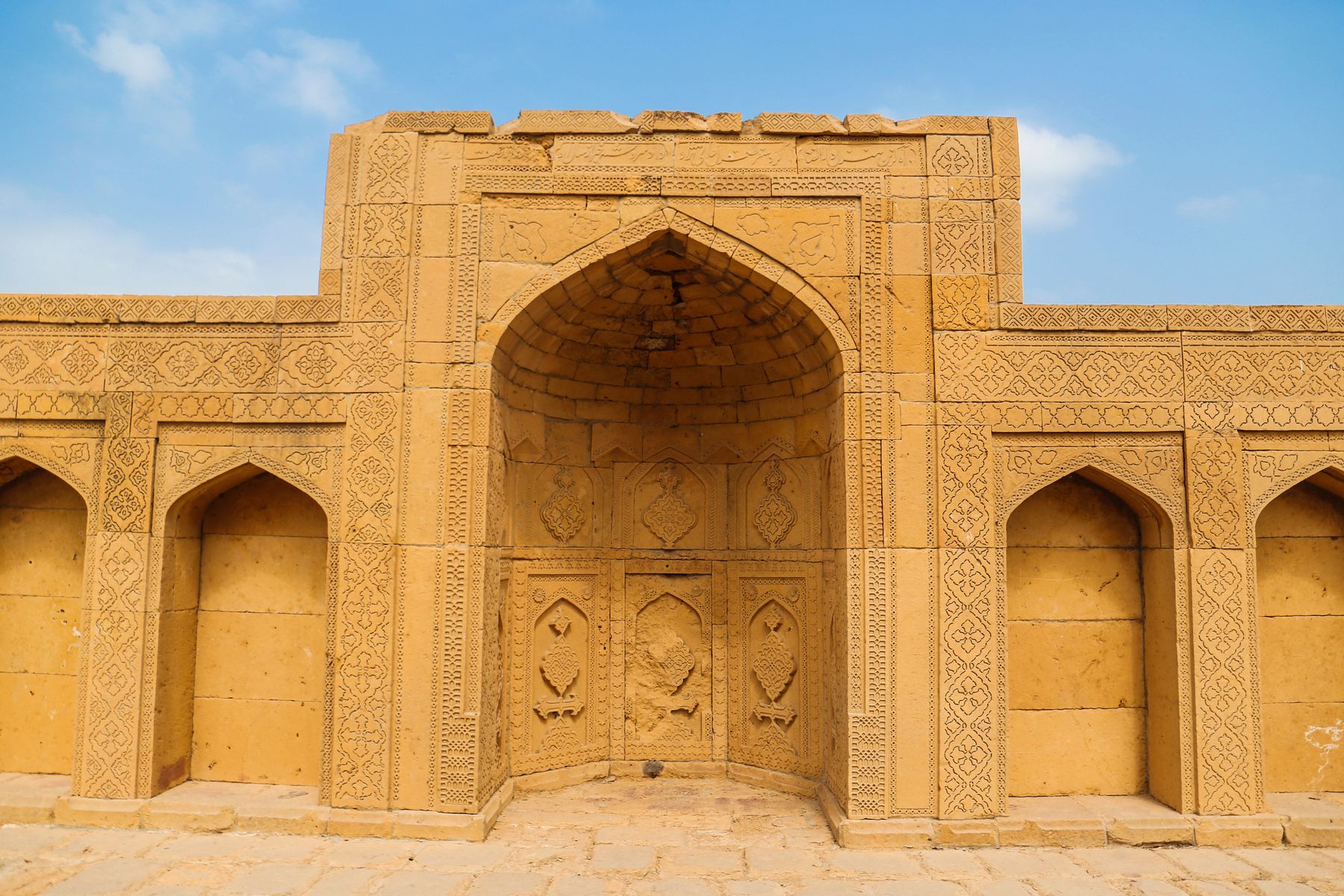
The waterfront is another draw. Clifton beach runs along the sea, with a promenade and parks. Boats run from Keamari to Manora Island, where an old lighthouse stands. East of the city, the Chaukhandi Tombs are a group of carved sandstone graves, attributed to the Kalhora period. The city also has several large parks and a zoo.
Museums and markets
The National Museum of Pakistan in Saddar holds collections on the Indus Valley Civilisation and Islamic art. The markets of Saddar and the old town sell textiles, spices and household goods. Bargaining is normal in the bazaars.
A day or two there
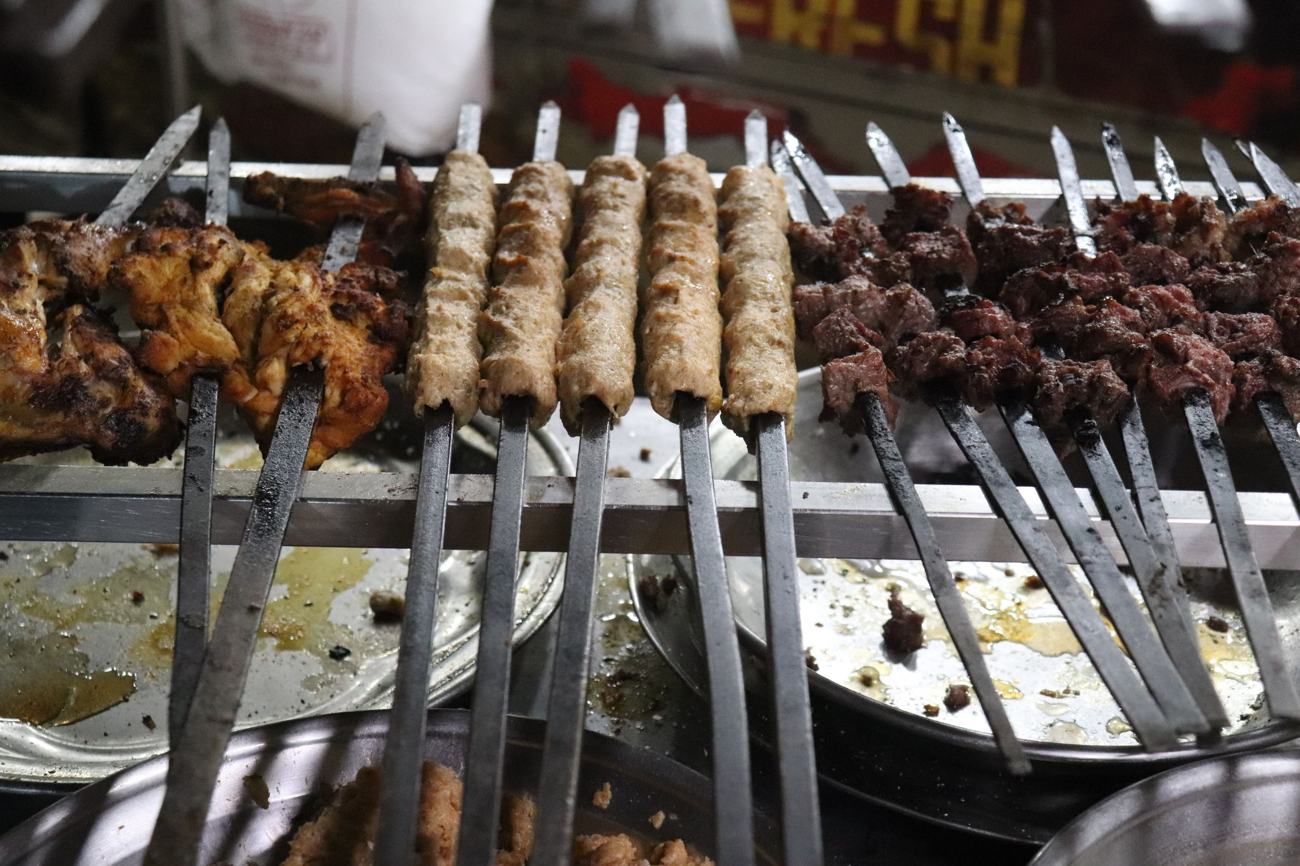
With one day, start early in Saddar. Walk the colonial streets around Empress Market and visit the National Museum. In the afternoon, move to Clifton for the seafront and the Mohatta Palace. Allow extra time for traffic between the two areas. In the evening, the Clifton promenade is busy with families and food stalls.
With two days, add a morning boat trip to Manora Island from Keamari, or a drive east to the Chaukhandi Tombs. The old town around Mithadar repays a slow walk, with its narrow lanes and old mosques. A second day also allows time for the beach at Hawksbay or Sandspit, west of the city, where the water is cleaner than at Clifton.
Getting there and around
Karachi is served by an international airport, with flights to major cities in Pakistan and abroad. The main railway station connects to Hyderabad, Sukkur and other towns in Sindh, and to cities further north. Long-distance buses run from several terminals in the city. Within Karachi, taxis and ride-hailing apps are the most practical way to get around, as distances are long and public buses are crowded.
Traffic is heavy for much of the day. Allow plenty of time for any cross-city journey. The seafront and Saddar are best reached by taxi. For Manora Island, boats leave from Keamari. The Chaukhandi Tombs are east of the city on the National Highway towards Thatta.
Local transport
Ride-hailing apps are widely used and usually the simplest option for visitors. Traditional taxis are also available. Buses and minibuses serve many routes but can be crowded and confusing for newcomers. Walking is practical only within individual districts.
Practical notes
Tap water in Karachi is not recommended for drinking. Bottled water is widely available. The city is hot for most of the year, so carry water and avoid midday sun in summer. Medical facilities are available in the larger private hospitals. Travel insurance is advised.
Some areas of Karachi and parts of Sindh can require a No Objection Certificate (NOC) or have travel advisories. Rules change, so check current official advice before travelling. The city has a high rate of petty crime in crowded areas. Keep valuables out of sight and use registered taxis at night.
Health and safety
Tap water is not recommended for drinking. Bottled water is widely available. The city is hot for most of the year, so carry water and avoid midday sun in summer. Medical facilities are available in the larger private hospitals. Travel insurance is advised.
Frequently asked questions
What is the best time to visit Karachi?
The best months are December, January and February, when days are mild and humidity is lower. Summers are hot and humid, with temperatures often above 35°C. The monsoon brings rain in July and August. If visiting in summer, plan activities for early morning or evening.
How do you get around Karachi?
Taxis and ride-hailing apps are the most practical way to get around, as distances are long and traffic is heavy. Public buses serve many routes but can be crowded. Walking is practical only within individual districts such as Saddar or Clifton. Allow extra time for cross-city journeys.
What are the main sights in Karachi?
The colonial architecture of Saddar, including Empress Market, and the old town around Mithadar are central. The Mohatta Palace museum in Clifton and the National Museum are worth visiting. The seafront at Clifton and a boat trip to Manora Island are popular. East of the city are the Chaukhandi Tombs.
Is Karachi safe for travellers?
Karachi has a high rate of petty crime in crowded areas, so keep valuables out of sight and use registered taxis at night. Some areas may require a No Objection Certificate (NOC) or have travel advisories. Rules change, so check current official advice before travelling. Medical facilities are available in private hospitals.