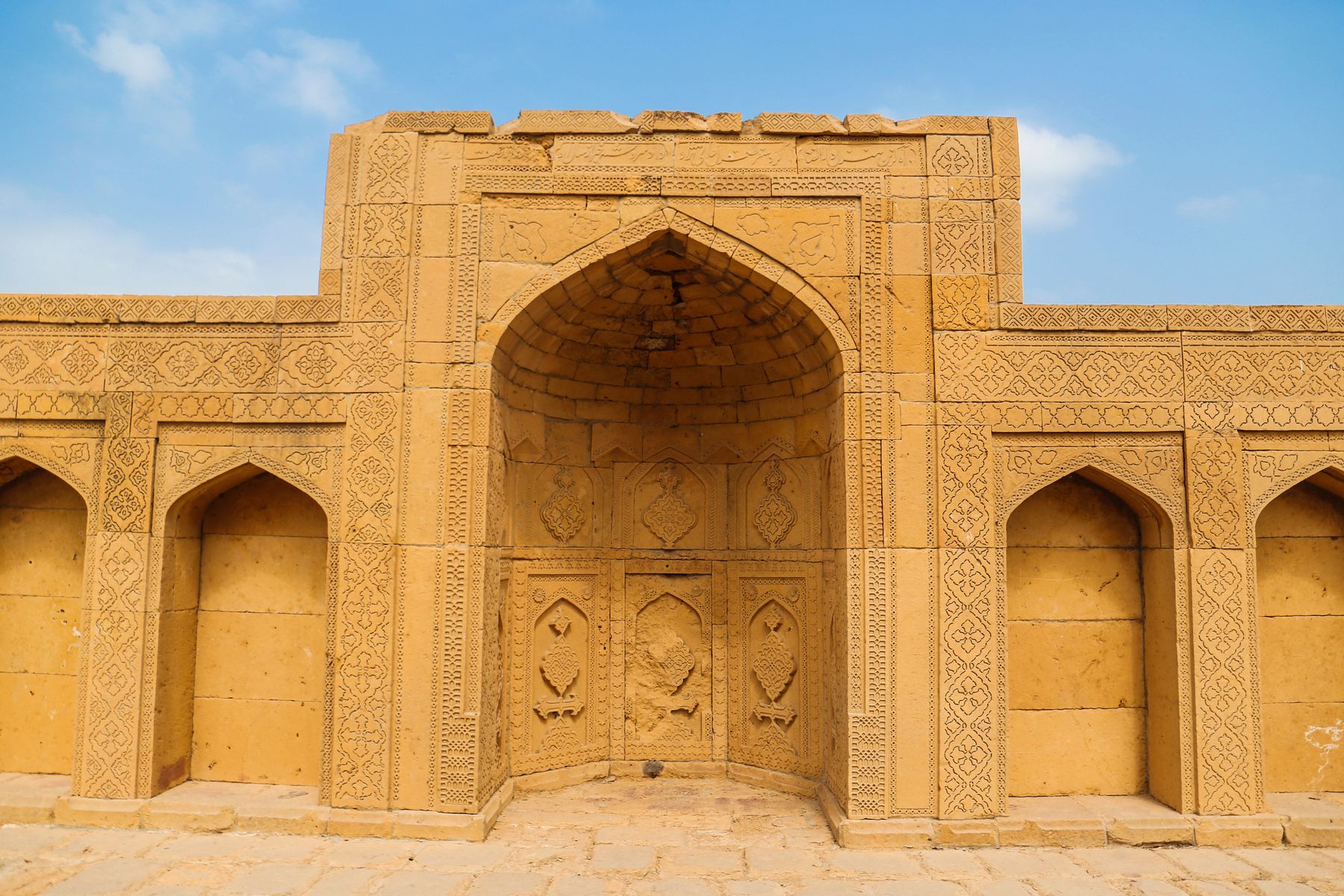
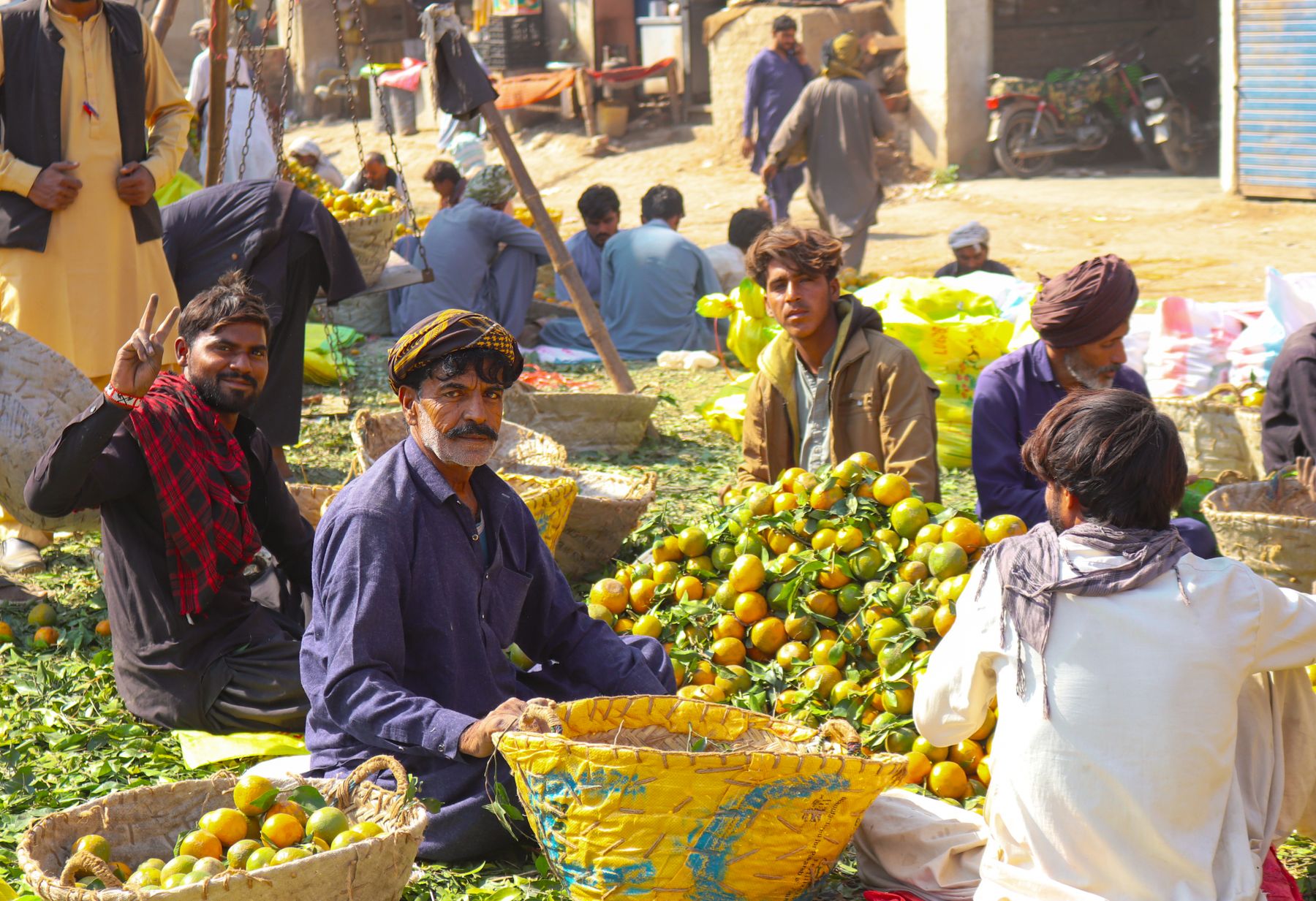
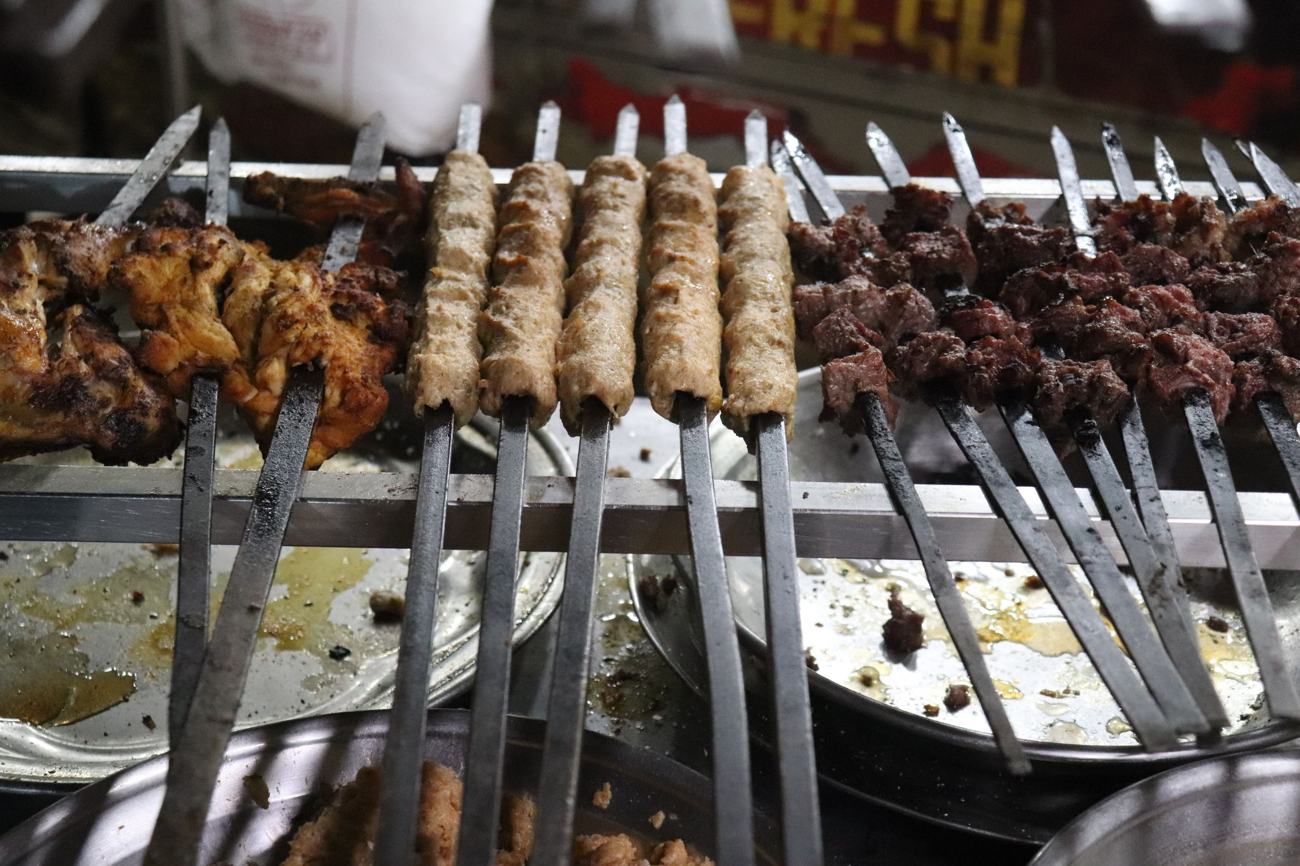
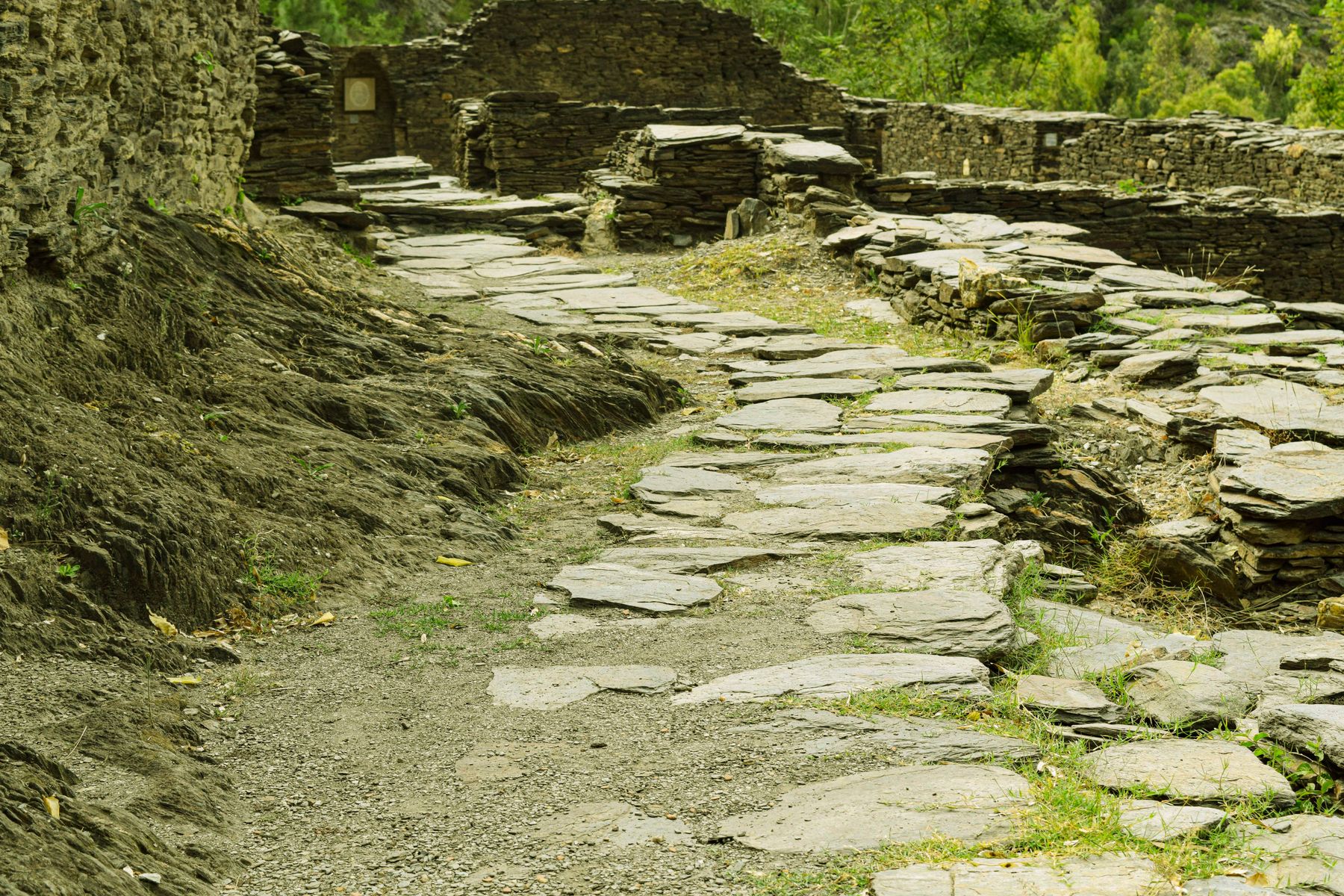
 Photo: Amjad ali / Pexels
The ruins of Mohenjo-daro
The ruins of Mohenjo-daro lie on the west bank of the Indus in Sindh, about 30 km from Larkana. The site preserves the streets, drains and brick buildings of a city that flourished around 2500 BCE.
Mohenjo-daro is one of the largest known settlements of the Indus Valley Civilisation. Excavations have revealed a grid of streets, a complex drainage system, houses with wells and bathrooms, and public buildings including the Great Bath and a large granary. The site is a UNESCO World Heritage Site and a museum displays objects found there. A visit takes a few hours and is best combined with a stay in Larkana.
How the visit goes
- MorningArrive at the siteEnter through the main gate. The site is open daily. A fee is charged for entry and for the museum.
- First hourWalk the lower cityFollow the marked paths through the residential streets. Notice the covered drains and the brick-lined wells.
- Second hourSee the Great BathThe Great Bath is the most prominent structure, a rectangular tank with steps at each end and a surrounding corridor.
- Third hourVisit the museumThe site museum holds seals, pottery, jewellery and figurines. Labels are in English and Urdu.
- OptionalHire a local guideTravellers usually hire a local guide at the entrance for context on the layout and history.
What to bring
- Hat and sunscreen
- Water bottle
- Comfortable walking shoes
- Camera (no flash in museum)
Know before you go
- The site is open daily, but hours can vary by season; check locally.
- The museum may close for lunch or on certain days; confirm before travelling.
- Paths are uneven and there is little shade; carry water.
- Photography is allowed, but drones may require permission.
- The site is in Sindh; summer heat is extreme, so plan for cooler months.
Where it starts
The ruins are about 30 km south of Larkana, reached by road via Dokri. Most travellers base themselves in Larkana and hire a car or taxi for the day.
A city of the Indus
Mohenjo-daro was built around 2500 BCE and abandoned by about 1900 BCE. It was one of the largest cities of its time, covering an area of several square kilometres. The city was laid out on a grid, with streets running north-south and east-west. Houses were built from fired and mud bricks, and many had private wells and bathrooms. The drainage system, with covered drains running under the streets, was advanced for its era.
The site was rediscovered in the 1920s and has been excavated intermittently since. Major structures include the Great Bath, a large tank that may have had a ritual function, and a massive granary. Numerous seals, weights and figurines have been found, shedding light on trade and daily life. The city's script remains undeciphered.
The Great Bath
The Great Bath is a rectangular tank about 12 metres by 7 metres, with steps leading down at each end. It was built with finely fitted bricks and sealed with bitumen. A corridor surrounds the tank, and rooms nearby may have been used by priests or officials.
The granary
The so-called granary is a large brick platform with a series of square sockets, interpreted as air ducts for storing grain. Its exact function is still debated, but it is one of the largest structures at the site.
Seeing the ruins
A visit usually starts at the site museum, which gives context to the ruins. The museum displays artefacts from the excavations, including seals, beads, pottery and figurines. Labels are in English and Urdu. From the museum, a path leads to the excavated area. The main structures are linked by a circuit, and you can walk at your own pace.
The Great Bath is the focal point, but the surrounding streets and houses are equally revealing. Look for the brick-lined wells, the remains of staircases and the covered drains. The site is exposed, with little shade, so plan to walk in the cooler hours of the morning or late afternoon.
Guides and information
Travellers usually hire a local guide at the entrance. Guides can point out details that are easy to miss, such as the different brick sizes and the layout of the streets. There is also a small information centre near the gate.
Planning your trip
The best time to visit is from October to March, when daytime temperatures are milder. Summers are extremely hot, with temperatures often above 40°C. The site is open daily, but hours can vary, so check locally. A fee is charged for entry and for the museum. There are basic facilities near the entrance, but no restaurants on site.
Mohenjo-daro is about 30 km from Larkana, which has the nearest hotels and transport links. The drive takes around 45 minutes. From Larkana, you can hire a car or taxi. Public transport is limited, and the final approach is via a narrow road. The site is not on the main tourist circuit, so facilities are basic.
Access and permits
The site is in Sindh and is generally open to visitors. However, travel advisories can change, and some areas of Sindh may require a No Objection Certificate (NOC). Check current official advice before travelling.
Frequently asked questions
What is the best time to visit Mohenjo-daro?
The cooler months from October to March are best. Summer temperatures are extreme and the site has little shade. Winter days are mild, but mornings and evenings can be cool. Check local conditions before planning.
How do I get to Mohenjo-daro?
The ruins are about 30 km from Larkana, which is connected by road and rail. From Larkana, hire a car or taxi for the 45-minute drive. Public transport is limited, so a private vehicle is the most practical option.
Is there a museum at Mohenjo-daro?
Yes, there is a site museum that displays artefacts from the excavations, including seals, pottery and figurines. Labels are in English and Urdu. The museum may close for lunch or on certain days, so confirm before travelling.
Are guides available at Mohenjo-daro?
Local guides are usually available at the entrance and can provide context on the layout and history. Travellers often hire a guide for a more informed visit. There is no fixed inclusion, so negotiate directly.
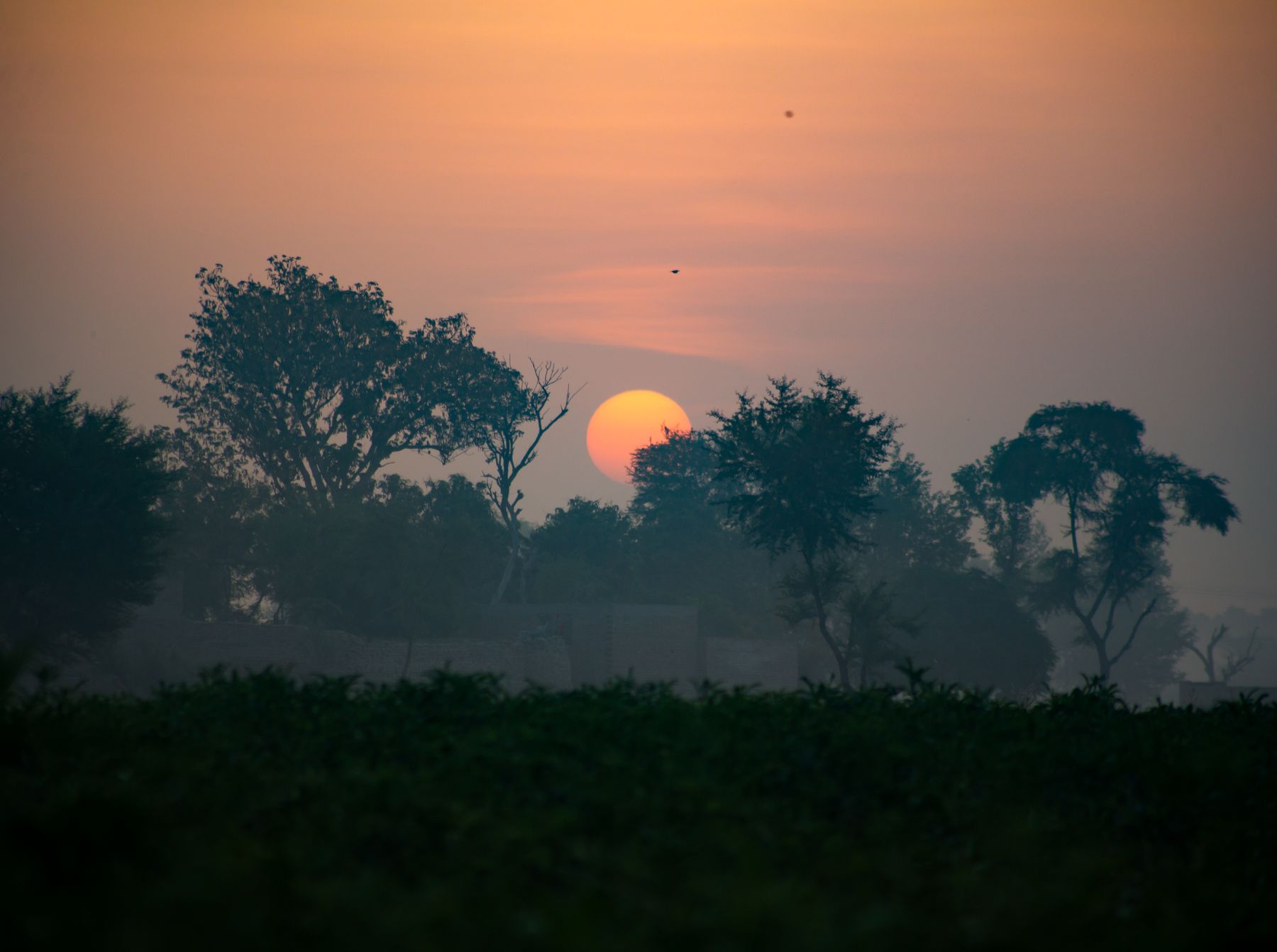 Photo: Saeed Ahmed Abbasi / Pexels
Where to stay
Larkana has the nearest range of accommodation for an overnight stay. Book ahead during the cooler months.