 Photo: Ghulam Rasool / Pexels
Sukkur Barrage and Sadhu Bela
Sukkur Barrage carries the road across the Indus on a long line of gates, and Sadhu Bela sits on an island in the river a short boat ride away. Together they make a half-day of engineering and temple heritage.
The barrage is one of the largest irrigation works on the Indus, opened in the early 1930s and still regulating water for a wide tract of Sindh. Sadhu Bela, an island temple complex, lies upstream of the barrage and is reached by boat from the Sukkur bank. The two sit close enough to see in one outing.
How the visit goes
- MorningReach SukkurArrive in Sukkur by road or rail. The barrage and the boat point for Sadhu Bela are both on the city side of the river.
- First stopWalk the barrageWalk or drive along the barrage road. The gates and the river channel are visible from the carriageway, with viewpoints at intervals.
- MiddayBoat to the islandTake a short boat ride from the bank to Sadhu Bela. Boats run when there are passengers, and a local boatman can be hired.
- On the islandSee the templeThe island holds a temple complex with shrines and bathing steps. Visitors remove shoes in the shrine areas and keep to the paths.
- ReturnBack to SukkurBoat back to the mainland and return to the city. Allow extra time in the afternoon heat outside the cooler months.
What to bring
- Water and a hat, as shade on the barrage road is limited
- Clothing that covers shoulders and knees for the temple
- Cash for the boat crossing and any temple offering
- A charged phone for the boatman's contact on return
Know before you go
- The barrage road is a working road, so keep to the pedestrian edge and watch for traffic.
- Boat crossings to Sadhu Bela depend on river levels and are suspended in high flood.
- The temple is an active place of worship, so dress modestly and ask before photographing people.
- Sukkur is hot from April to September, with temperatures often above 40C in May and June.
- Check current local advice on river conditions and any access restrictions before setting out.
Where it starts
Start in Sukkur city, where the barrage road and the boat point for Sadhu Bela are both reached by short drive or walk from the centre. Sukkur has rail and road links to Karachi, Larkana and Multan.
The barrage itself
Sukkur Barrage was opened in 1932 and spans the Indus on a long line of steel gates. It diverts water into a canal system that irrigates a large part of Sindh, and it remains in daily use. The road across the barrage gives a close view of the gates and the river channel on both sides.
The structure is best seen on foot at the pedestrian edge, where the scale of the gates and the flow below are clear. Traffic uses the same road, so keep to the side. Early morning is cooler and the light on the water is clearer.
What you see
From the barrage road the river is wide and brown, with the gates controlling the flow into the canals. Downstream the channel narrows. Upstream the island of Sadhu Bela is visible in the distance, which helps to place the two sites in relation to each other.
Sadhu Bela island
Sadhu Bela is an island in the Indus upstream of the barrage, reached by a short boat crossing from the Sukkur bank. The island holds a temple complex with shrines, bathing steps and shaded courtyards. It is an active place of worship, and visitors are expected to remove shoes in the shrine areas.
The boat crossing is part of the visit. Boats are small and open, and the boatman waits or returns at an agreed time. River levels change through the year, and crossings can be suspended when the Indus is in flood.
Etiquette on the island
Dress modestly, with shoulders and knees covered. Ask before photographing people at prayer. Offerings are customary at some shrines, and a small amount of cash is useful. Keep to the paths and steps, which can be slippery near the water.
Planning the half day
The barrage and Sadhu Bela are close enough to combine in a half day from Sukkur. A common order is the barrage road first, then the boat to the island, then a return to the city. Allow three hours at an easy pace, more if the boat waits for passengers.
Sukkur is hot for much of the year. October to March is the more comfortable window, with milder days and cooler nights. In April to September, plan the visit for early morning and carry water. The temple and the barrage road offer little shade at midday.
Getting there
Sukkur has rail and road links to Karachi, Larkana and Multan. The barrage road and the boat point are a short drive from the city centre. Local transport and hired cars are available in Sukkur, and a local guide can be hired for the temple visit.
Frequently asked questions
How do you reach Sadhu Bela from Sukkur?
Sadhu Bela is reached by a short boat crossing from the Sukkur bank of the Indus, upstream of the barrage. Boats run when there are passengers, and a boatman can be hired for the return. River levels affect crossings, so check locally before going.
Is Sukkur Barrage open to visitors?
The barrage carries a public road, and the pedestrian edge can be walked. It is a working structure, so keep to the side and watch for traffic. Access can be restricted at times, and current local advice should be checked before a visit.
When is the best time to visit Sukkur Barrage and Sadhu Bela?
October to March brings milder days and cooler nights, which suits walking the barrage road and the boat crossing. April to September is hot, with temperatures often above 40C in May and June, so an early morning visit is more comfortable.
What should you wear at Sadhu Bela?
Sadhu Bela is an active temple complex, so modest dress with shoulders and knees covered is appropriate. Shoes are removed in the shrine areas. Ask before photographing people at prayer, and keep to the paths and steps near the water.
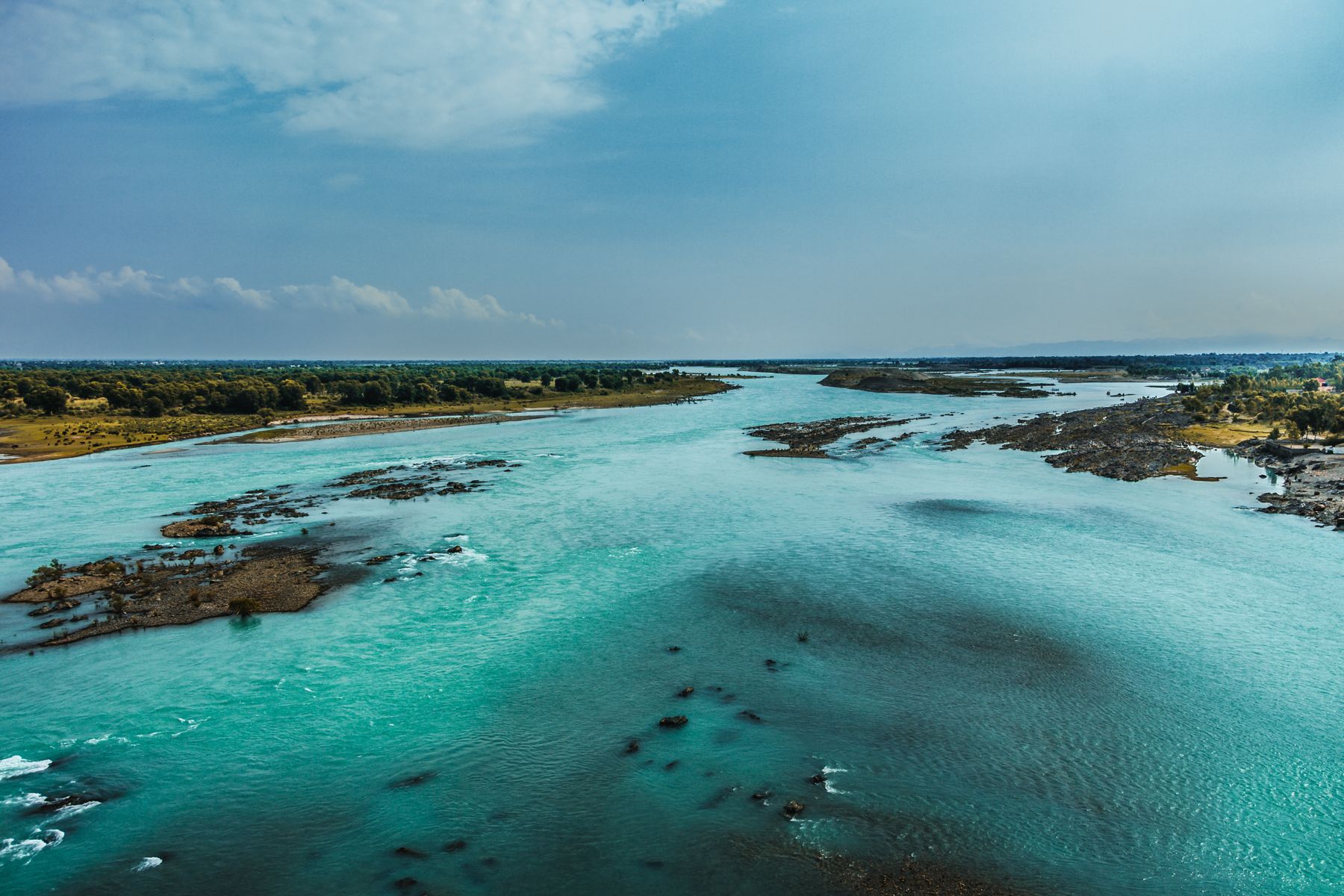 Photo: Raqeeb Ahmed / Pexels
Evening by the Indus
The riverbank in Sukkur is quieter after sunset, when the barrage gates are lit and the day's heat eases.