 Photo:
Visiting Sukkur
What Sukkur is like
Sukkur is a working city rather than a tourist town. The centre has banks, government offices and busy bazaars, and the riverfront is dominated by the barrage and the bridges. The pace is steady, and the streets are at their busiest in the morning and late afternoon. The old quarter near the river has narrower lanes and older buildings.
The Indus is the defining feature. It is wide here, with islands and sandbanks, and the barrage controls the flow for irrigation canals that run through the district. The river can be high in summer after monsoon rain and low in winter. The climate is arid, with very hot summers and mild winters.
What to see
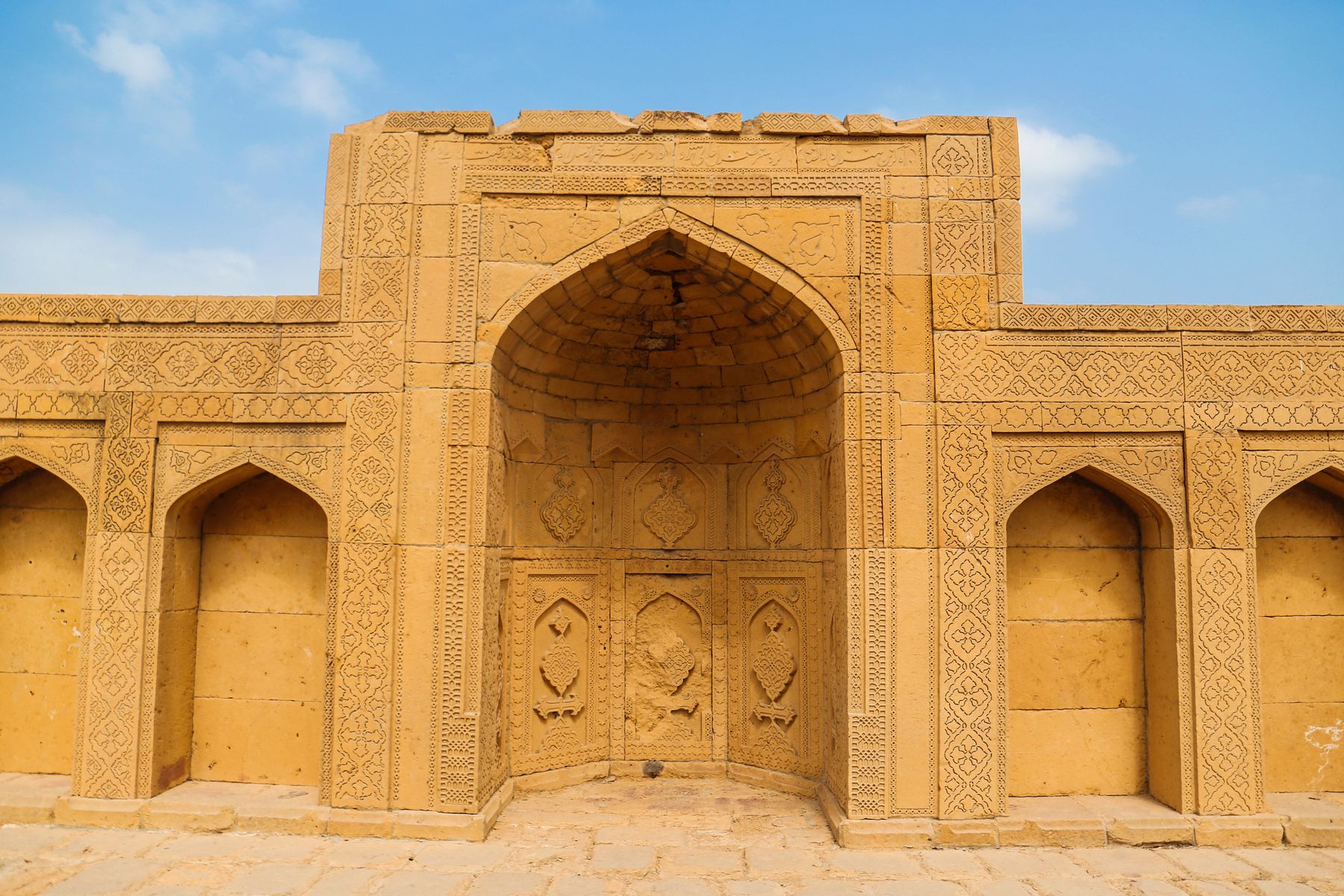
The main sights are close to the river. The Sukkur Barrage is a short drive from the centre, and the Lansdowne railway bridge is visible from the approach roads. Sadhu Bela island is reached by boat, and the minaret of Masum Shah stands in the old city. Rohri, across the water, has a bazaar and a railway junction.
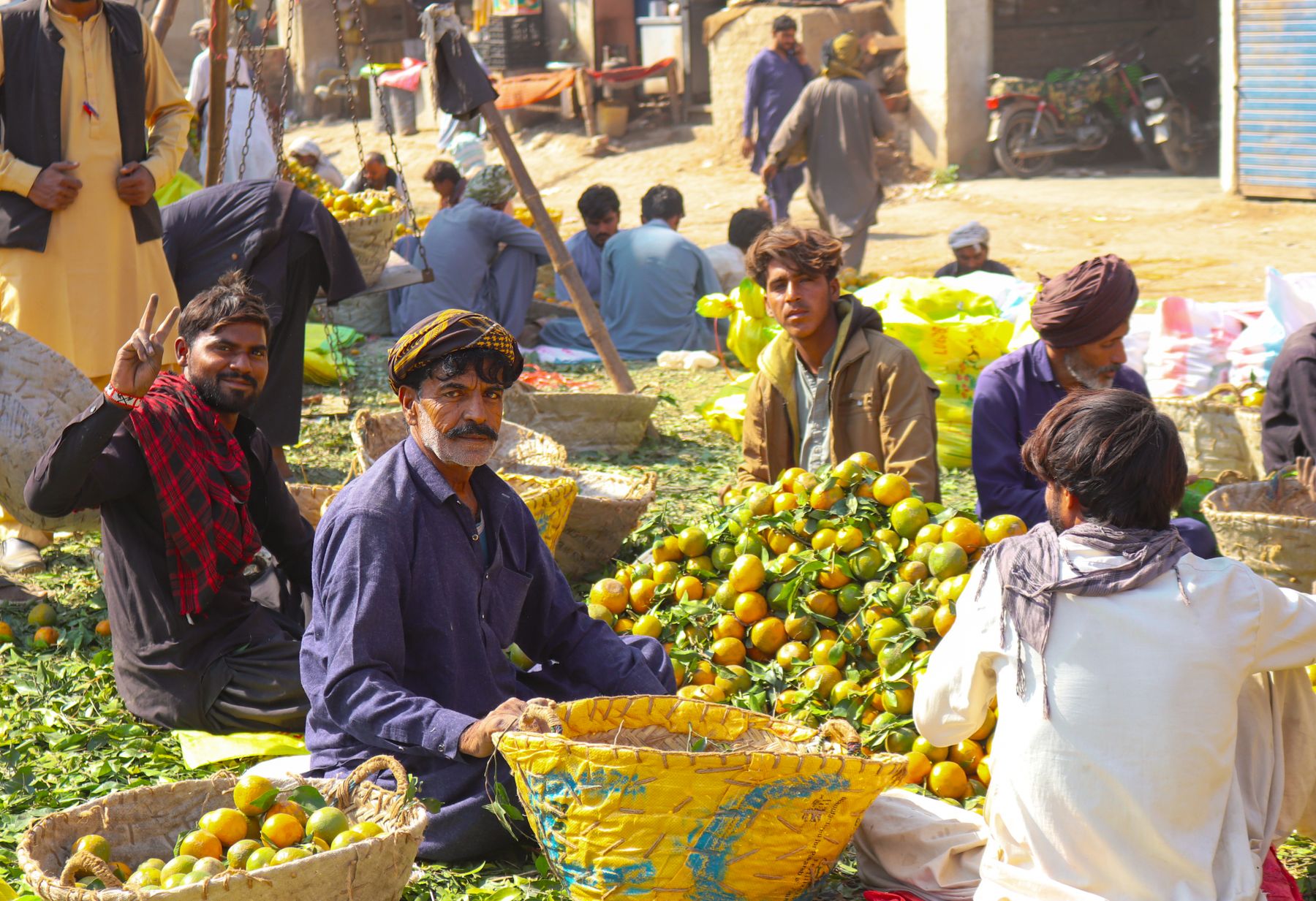
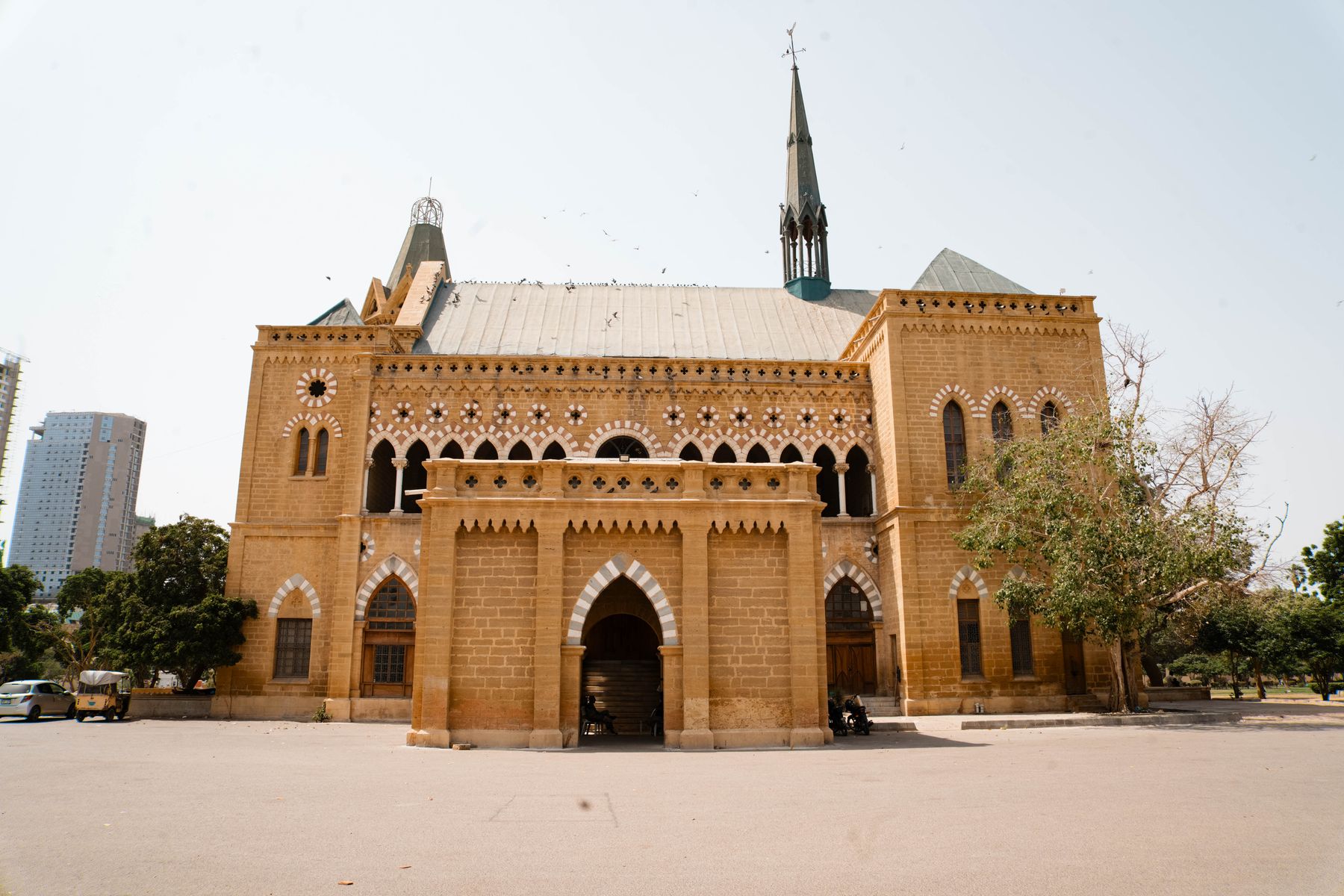
The bazaars of Sukkur and Rohri sell cloth, grain and household goods. The old streets near the river have a mix of colonial and earlier buildings, though many are in poor condition. The riverbanks are places to walk in the cooler months, with views of the bridges and the island.
Sadhu Bela island
Boats leave from the Sukkur side of the river for the island temple complex. The crossing is short. The island has shrines, gardens and shaded areas, and it is a place of worship as well as a visitor site. Dress modestly and check whether boats are running before setting out.
The barrage and bridges
The Sukkur Barrage is a large irrigation structure, and the canal headworks can be seen from the banks. The Lansdowne Bridge, opened in the 1880s, carries trains between Sukkur and Rohri. The road bridge nearby carries general traffic. Both bridges are working crossings, so view them from safe vantage points rather than walking on the carriageway.
A day or two there
One day covers the main sights. Start at the barrage in the morning, then cross to Rohri for the bazaar and the railway junction. In the afternoon, take a boat to Sadhu Bela island and visit the minaret of Masum Shah in the old city. The evening is a good time for the riverbank.
A second day allows a slower look at the bazaars and the old streets, or a trip to the nearby town of Rohri for its own mosques and market. The area around Sukkur is agricultural, with canals and date palms, and drives along the canal roads show the irrigated landscape.
Getting there and around
Sukkur has an airport with flights from Karachi and other cities, and a railway station on the main line. The road from Karachi runs via Hyderabad and is part of the national highway network. The journey by road takes several hours, and by rail it is an overnight or daytime trip depending on the service.
Within the city, taxis and auto-rickshaws are the usual way to get around. The bridges link Sukkur with Rohri, and the railway station and airport are a short drive from the centre. For the barrage and the island, arrange transport and confirm boat times locally.
By rail
Sukkur is on the main railway line between Karachi and the north, and trains stop at Sukkur and Rohri. The Lansdowne Bridge carries the line across the Indus. Book seats in advance for long-distance services, and check timings, as schedules can change.
Practical notes
Summers are extremely hot, so plan outdoor activity for early morning or evening outside the cooler months. Winters are mild and dry, and this is the best time to visit. The area is arid, and drinking water should be bottled or boiled. Dress modestly at shrines and on the island temple.
Some areas of Sindh and neighbouring regions can require a No Objection Certificate (NOC) or have travel advisories. Rules change, so check current official advice before travelling. The river can be dangerous when in flood, and swimming should be avoided. Boats to Sadhu Bela run subject to river conditions.
Frequently asked questions
What is Sukkur known for?
Sukkur is known for the Sukkur Barrage on the Indus, the Lansdowne railway bridge and the island temple of Sadhu Bela. It is a river city and a transport hub in upper Sindh, with a busy bazaar and the minaret of Masum Shah.
When is the best time to visit Sukkur?
The best months are November to February, when days are mild and dry. Summers from May to September are very hot, with temperatures well above 40°C, so outdoor sightseeing is uncomfortable then. Winter is the most practical season for the barrage, bridges and island.
How do you get to Sukkur?
Sukkur has an airport and a railway station on the main line. The road from Karachi runs via Hyderabad. Trains and buses connect the city with Karachi and other parts of Sindh. The bridges link Sukkur with Rohri on the east bank.
Do you need a permit to visit Sukkur?
Sukkur itself does not normally require a permit for visitors, but some areas of Sindh and nearby regions can require a No Objection Certificate (NOC) or have travel advisories. Rules change, so check current official advice before travelling. Carry identification.