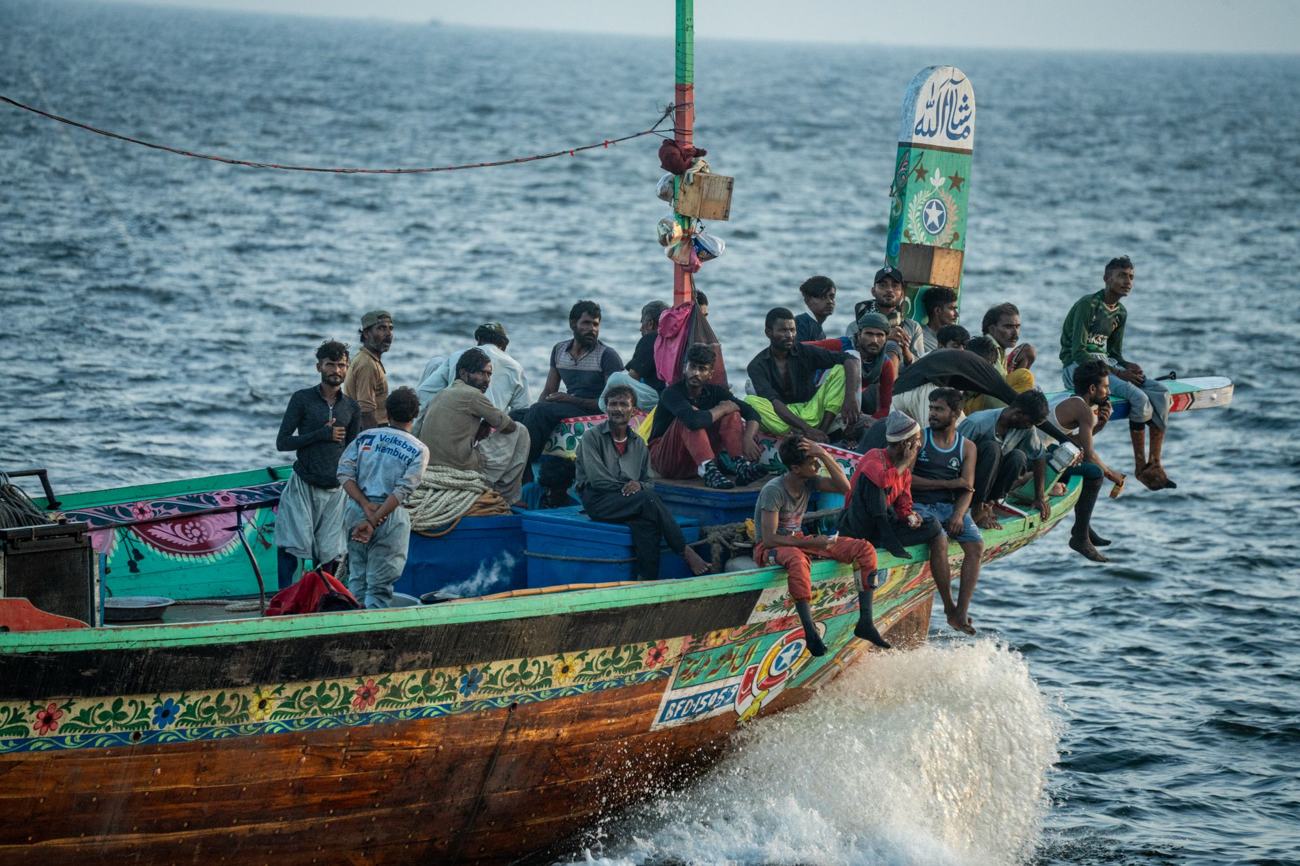
 Photo:


A travel guide to Sindh
The guide below follows the province from the coast inland. It covers where Sindh sits, when to go, how to arrive, the main routes through Karachi, Thatta, Hyderabad, Mohenjo-daro and Sukkur, plus local transport, permits, money, signal, food and a few suggested itineraries.
Where Sindh is
Sindh lies in the south-east of Pakistan. It borders Balochistan to the west and north-west, Punjab to the north, and India to the east. The Arabian Sea forms its southern edge. The Indus runs through the province from north to south before reaching the delta near Thatta.
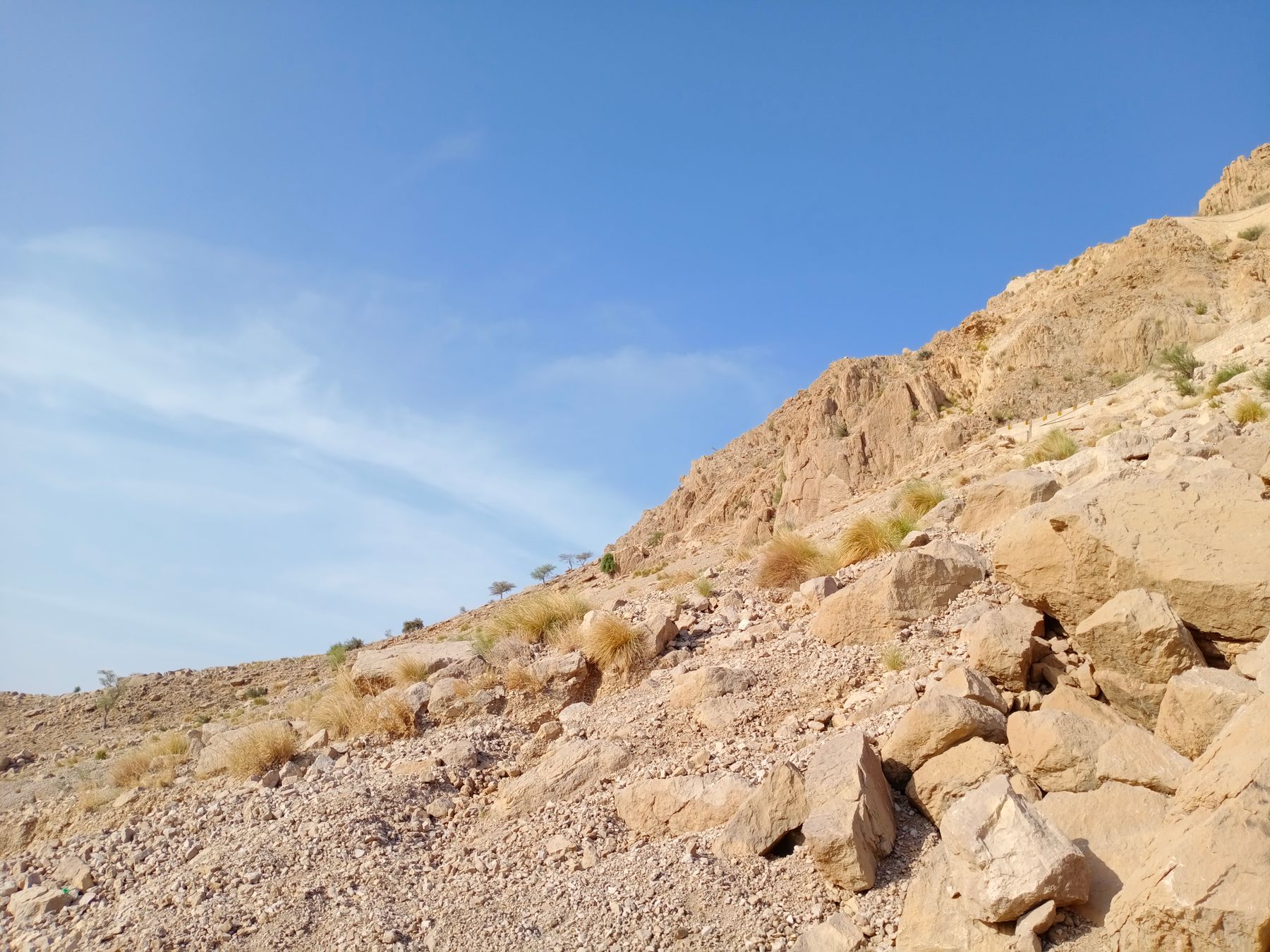
The map splits into three belts: the coastal strip around Karachi, the central plains around Hyderabad and Thatta, and the upper Indus valley around Sukkur and Mohenjo-daro. The Kirthar range rises to the west, where Gorakh Hill stands at about 1,700 m.
Best time to visit
November to February is the most comfortable window. Days in Karachi are warm but bearable, and the interior is cooler than in summer. This is also the main season for visiting open archaeological sites such as Mohenjo-daro and Makli.
March to October brings intense heat, especially in the plains. Karachi stays humid and mild by comparison, though the coast can be sticky. Gorakh Hill is cooler than the lowlands and can be visited in more months, but access roads may be affected by rain.
Getting there
Most visitors arrive by air at Karachi. The airport has domestic and international flights, and the city is the main transport hub for the province. From Karachi, roads and railways run north and east to Hyderabad, Thatta, Sukkur and beyond.
Trains connect Karachi with Hyderabad, Nawabshah, Rohri and other towns on the main line. Buses and vans cover the same corridors and reach smaller places. For Mohenjo-daro, the usual approach is by road from Larkana or via the Rohri and Sukkur rail junction.
Karachi and the coast
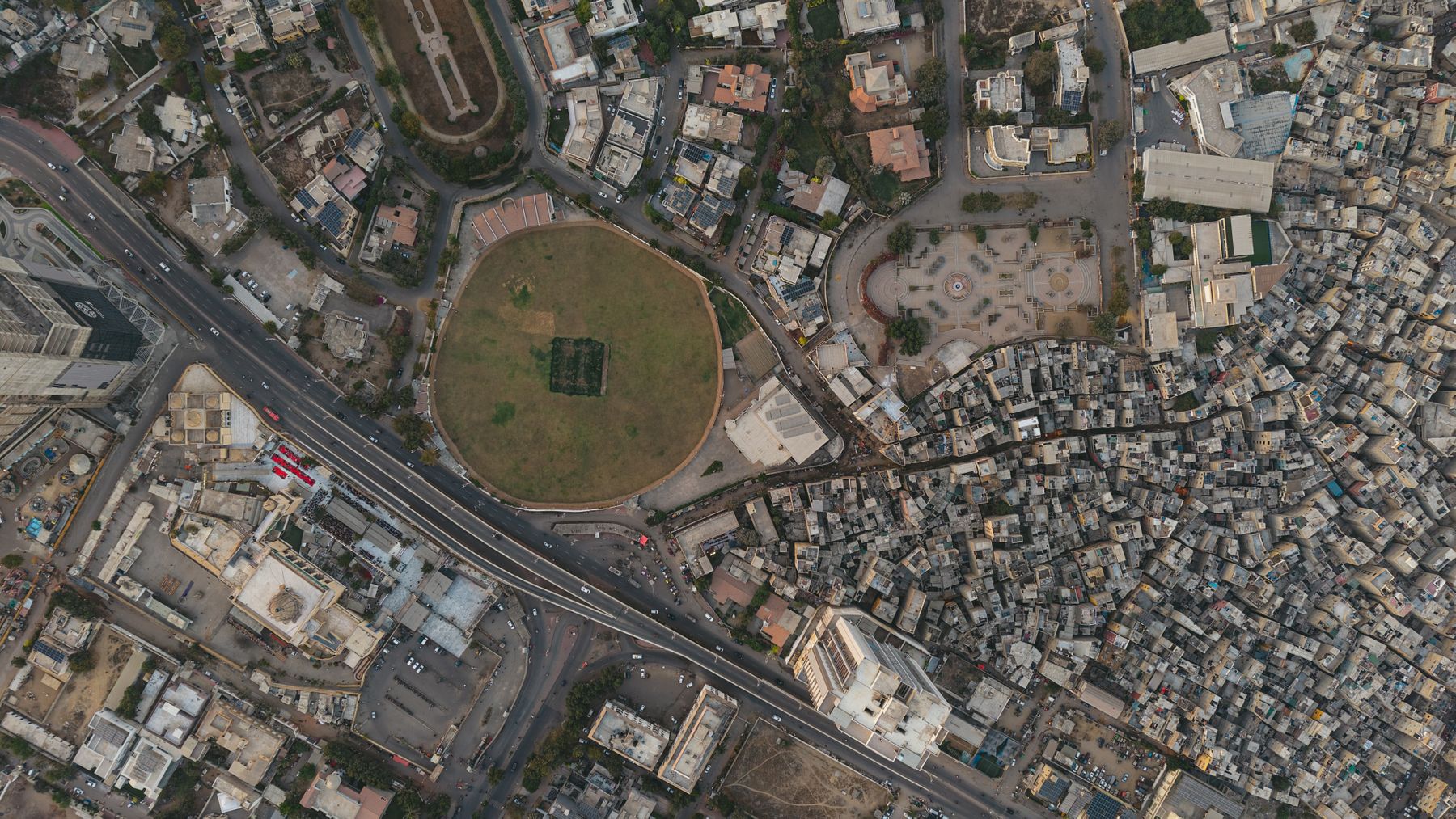
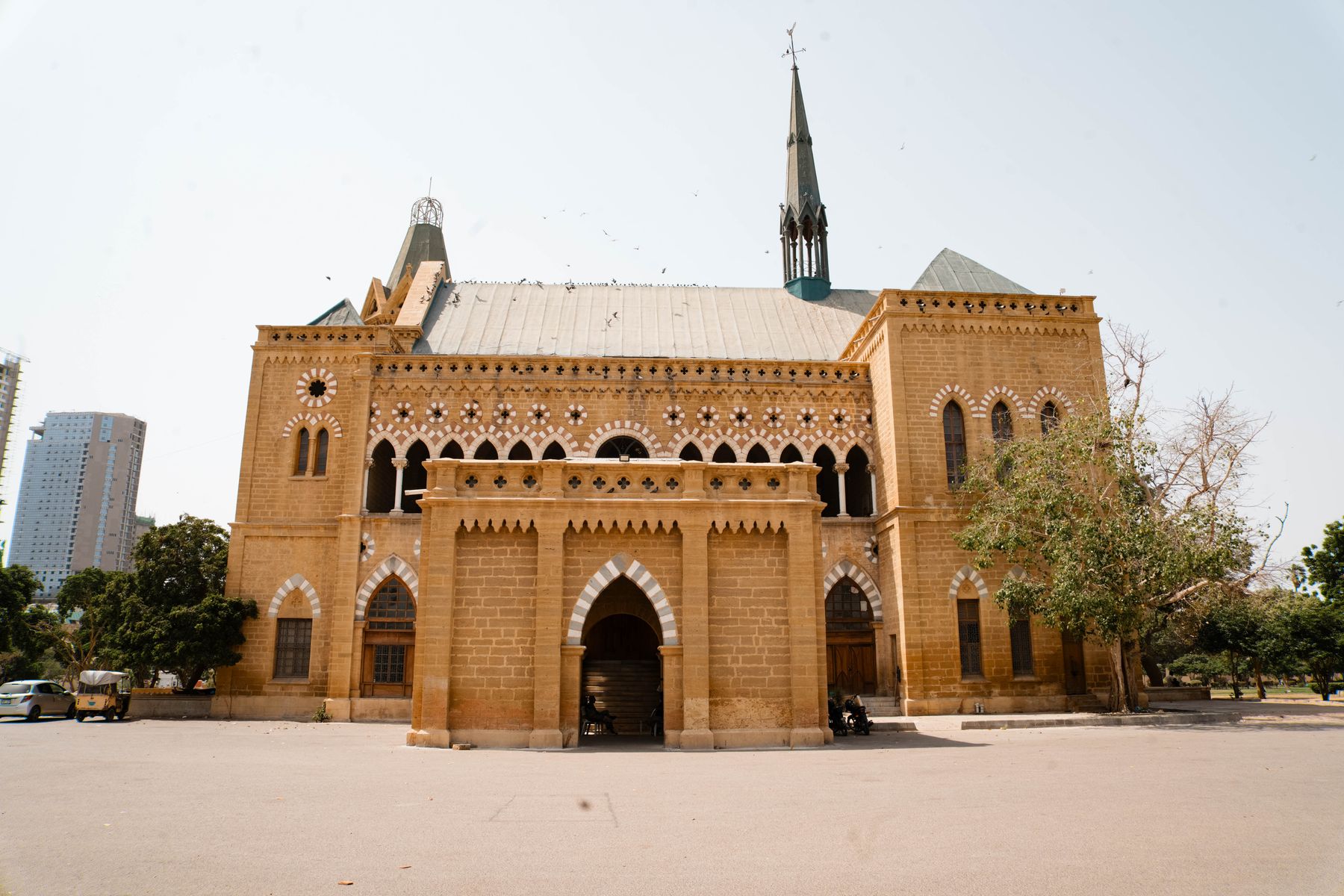
Karachi is Pakistan’s largest city and its main port. The old centre around Saddar holds colonial-era buildings, bazaars and museums. Clifton and the seafront are busy in the evenings, and the beaches south and west of the city draw day trips.
The city is also the base for coastal excursions. Boat trips and beach stops are possible along the coast, but swimming conditions vary and local advice should be taken. For history, the National Museum and the Quaid-e-Azam House are among the main indoor sights.
Street food
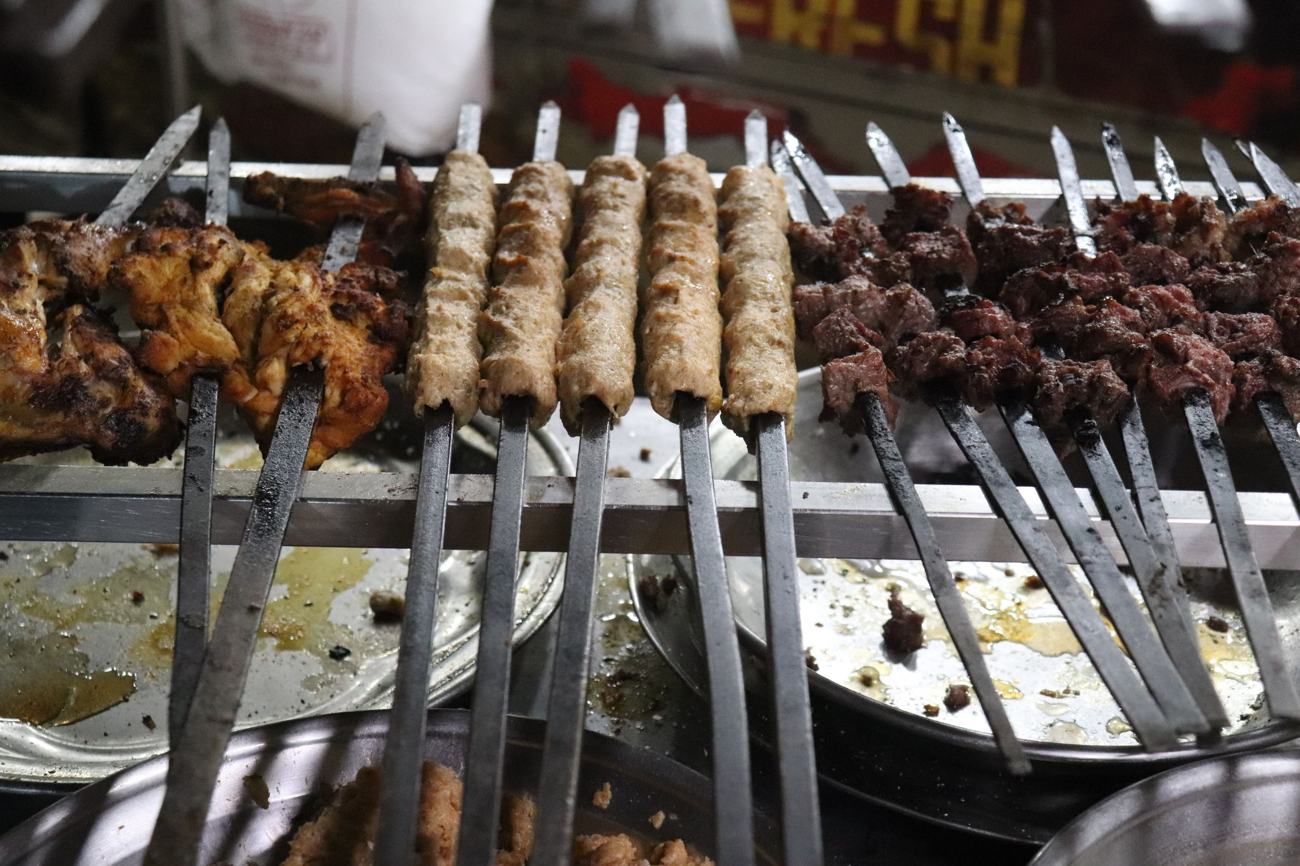
Karachi is known for its street food, from grilled meats to biryani and seafood. Busy stalls with high turnover are the usual choice. Hygiene varies, so stick to freshly cooked food and bottled water.
Thatta and Makli
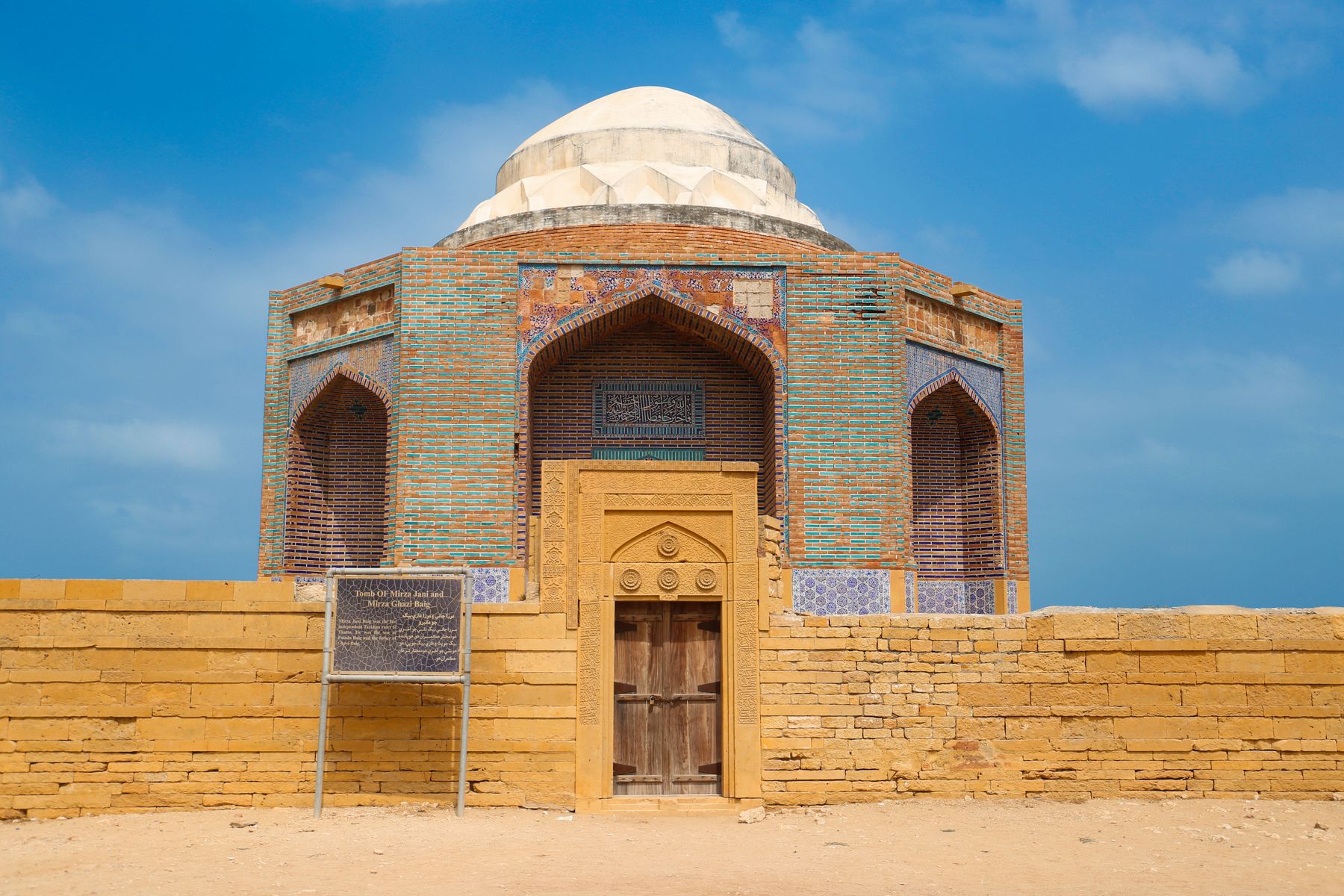
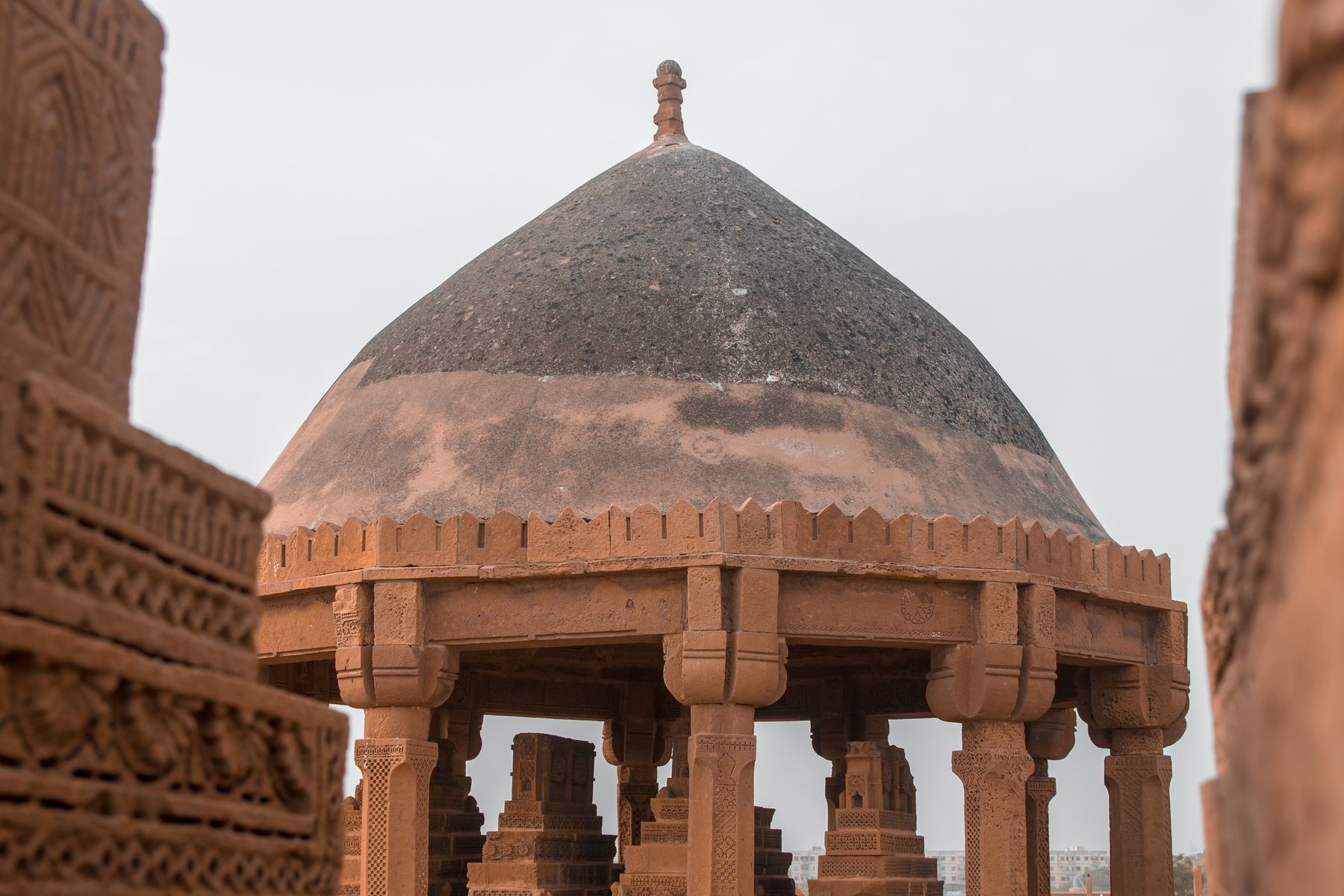
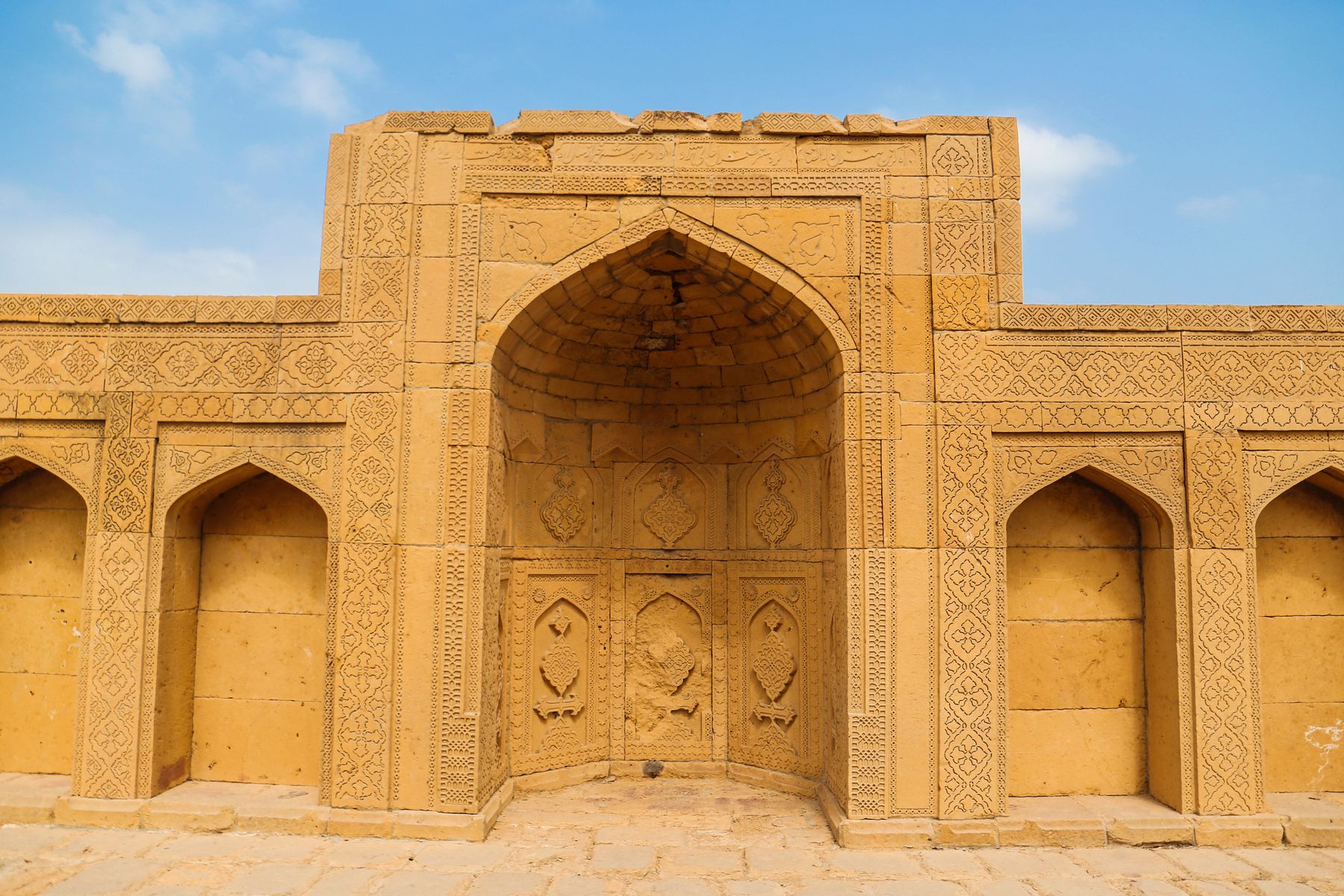
Thatta lies east of Karachi, roughly two hours by road. The town was once a major centre on the Indus, and the Shah Jahan Mosque there is noted for its tilework. The main reason to come is the necropolis at Makli, one of the largest funerary sites in the world.
Makli covers a wide area of tombs and gravestones built over several centuries. The carved stone and brickwork show a mix of local and Central Asian styles. A fee is charged for entry, and a few hours are enough to walk the main groups of monuments.
Hyderabad and the plains
Hyderabad sits on the Indus about 150 km from Karachi. The city has a long history and a busy bazaar quarter. The Sindh Museum and the old forts and tombs around the city are the main stops.
The plains around Hyderabad hold scattered monuments and the remains of earlier settlements. Bhit Shah, east of the city, is known for its shrine and annual festival. The area is best seen by car with a local driver, as sites are spread out.
Mohenjo-daro and Sukkur
Mohenjo-daro lies in the Larkana district, west of the Indus. The site is one of the main cities of the Indus Valley Civilisation and a UNESCO World Heritage site. The ruins include streets, wells and a large stupa mound. A museum on site holds finds from the excavations.
Sukkur is the main town of upper Sindh, on the Indus. The Sukkur Barrage and the nearby island of Sadhu Bela are local landmarks. Rohri, across the river, has rail links and is a useful stop on the way north or south.
Gorakh Hill
Gorakh Hill, in the Kirthar range west of Dadu, is the highest point in Sindh at about 1,700 m. It is reached by a rough road and is cooler than the plains. Check road conditions before setting out.
Getting around
Public transport in Sindh is by bus, van and train. Trains are useful for long runs between Karachi, Hyderabad and Sukkur. Buses reach most towns, but services to archaeological sites may be limited.
For Makli, Mohenjo-daro and Gorakh Hill, a car with a driver is the practical choice. Roads are generally paved on the main corridors, but minor roads can be slow. Distances are long, so plan for full days of travel between stops.
Practical matters
Some areas of Sindh, particularly near the Indian border and in parts of the west, may require a No Objection Certificate (NOC) or have travel advisories. Rules change, so check current official advice before travelling to these districts.
Cash is needed for many small transactions. ATMs are common in Karachi and larger towns but scarce in rural areas. Mobile signal is good in cities and along main roads, weaker in the hills and at remote sites.
For safety, take the usual precautions: avoid isolated areas after dark, use reputable transport and keep valuables out of sight. Heat is a real risk outside the cool months, so carry water and plan around the middle of the day.
Food and customs
Sindhi food includes wheat breads, rice, lentils and meat curries. Karachi has a wide choice of restaurants and street food. In smaller towns, simple eateries serve local dishes. Alcohol is not widely available.
Dress modestly, especially at shrines and rural sites. Ask before photographing people. During Ramadan, eating and drinking in public during daylight hours is discouraged. Friday is the main day of prayer, and some places close for part of the day.
Suggested itineraries
A short trip of four or five days can cover Karachi and Thatta. Spend two days in Karachi for the museums, bazaars and seafront, then a day trip to Makli and the Shah Jahan Mosque. Return to Karachi for the last night.
A week allows Karachi, Thatta, Hyderabad and Mohenjo-daro. Travel by road or rail to Hyderabad, then continue to Larkana for Mohenjo-daro. Add Sukkur if time allows. A separate trip is needed for Gorakh Hill, which is reached from Dadu.
Frequently asked questions
When is the best time to visit Sindh?
November to February is the most comfortable period. Days are milder across the province, including Karachi and the interior. The summer months are very hot in the plains, so outdoor sites such as Mohenjo-daro and Makli are best visited in the cooler season.
Do you need a permit to visit Mohenjo-daro?
Mohenjo-daro is a UNESCO World Heritage site and is generally open to visitors. A fee is charged for entry. There is no special permit for the site itself, but check current advice for the surrounding district before travelling, as rules can change.
How do you get to Makli from Karachi?
Makli is near Thatta, about two hours by road from Karachi. The usual approach is by car or bus to Thatta, then a short drive to the necropolis. Public transport runs to Thatta, but a car is more practical for visiting the tombs.
What is Gorakh Hill and how is it reached?
Gorakh Hill is the highest point in Sindh, at about 1,700 m in the Kirthar range. It is reached by a rough road from the Dadu side. The area is cooler than the plains. Check road conditions and local advice before setting out.
Is Karachi a good base for exploring Sindh?
Karachi is the main gateway, with the largest airport and rail and road links to the rest of the province. It works well as a base for Thatta and Makli, and for starting a longer trip north to Hyderabad, Mohenjo-daro and Sukkur.