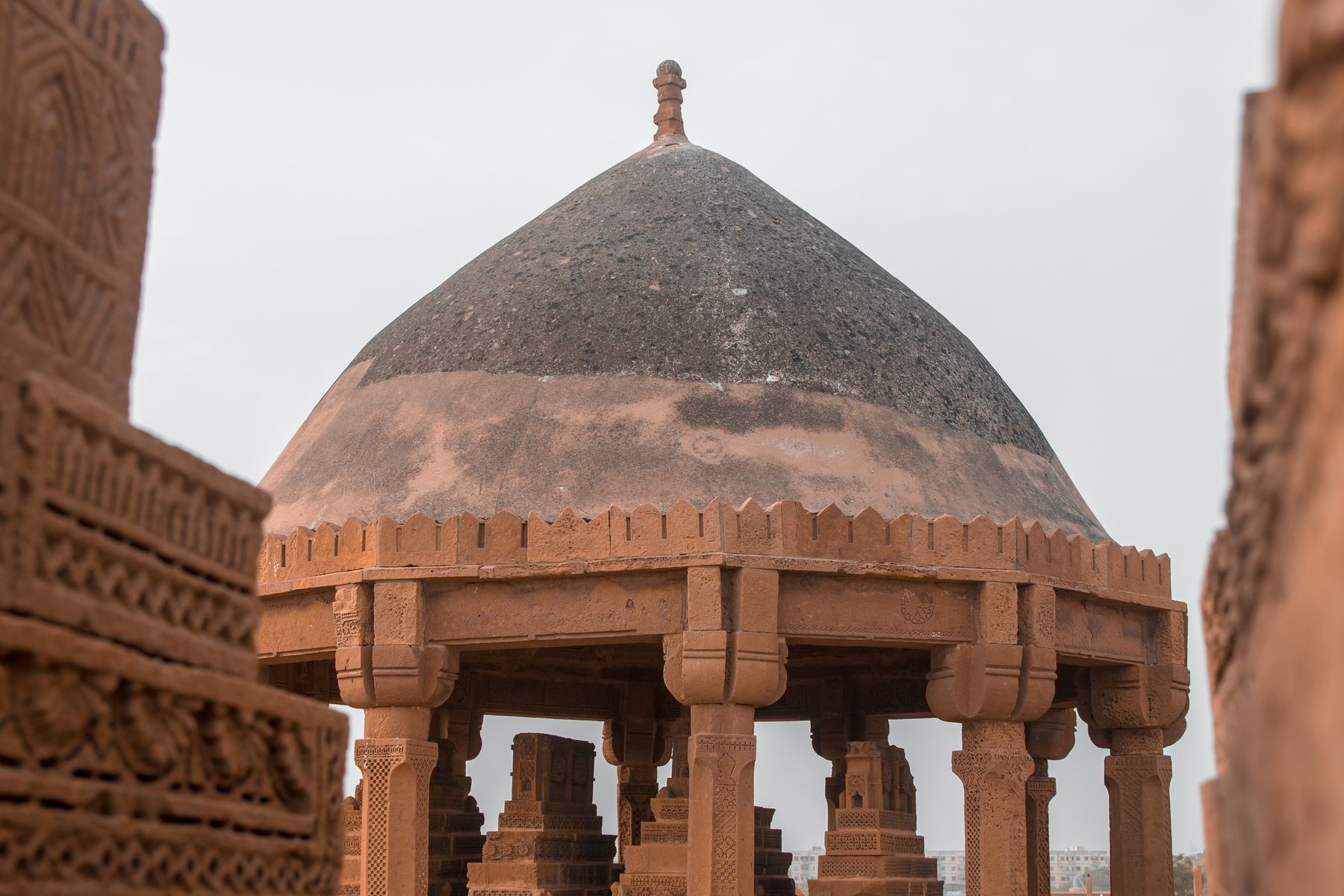
 Photo:
Visiting Mohenjo-daro
What the place is like
Mohenjo-daro sits on a flat, dry plain in Larkana District, Sindh. The mound rises only a few metres above the surrounding fields, and the Indus is a short distance to the east. The climate is hot and arid. Summer temperatures often exceed 45°C, and the site can be uncomfortably hot from April to September. Winter days are mild and dry, with cool nights.
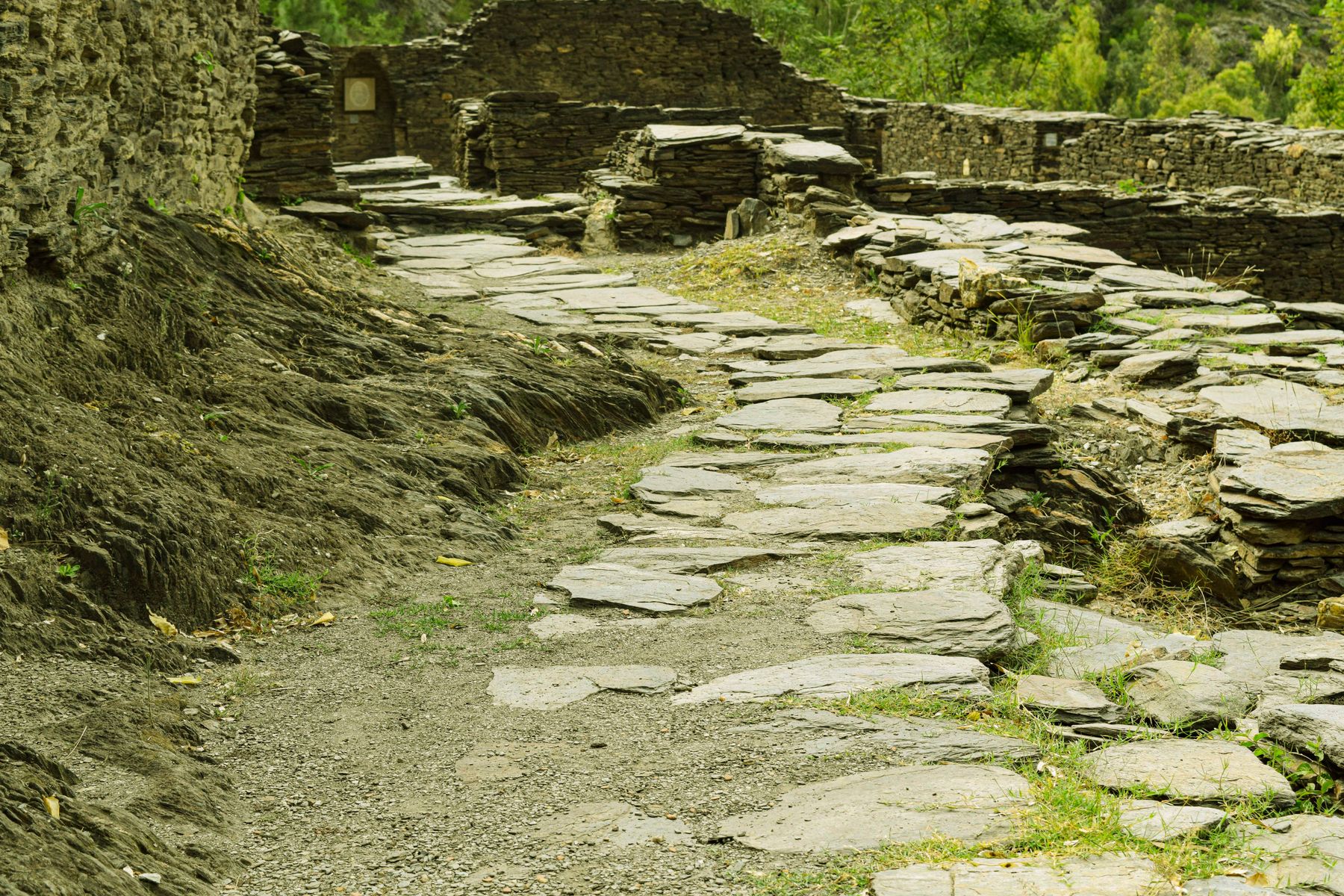
The ruins are made of baked brick, and many walls stand only a metre or two high. The street plan is still clear, with wide main streets running north to south and east to west. The citadel mound on the west holds the Great Bath and the stupa. The lower town spreads to the east, with house blocks, lanes and wells. The site is quiet on most days, and you can walk the streets without crowds.
What to see
Start at the citadel mound. The Great Bath is a brick tank about 12 m by 7 m, with steps leading down at the north and south ends. A layer of bitumen made it watertight. Close by are a well and a set of small rooms. The Buddhist stupa on the highest point was built much later, in the Kushan period, and its base is still visible.
In the lower town, walk the main street that runs north to south. Covered drains run along the sides, with inspection holes at intervals. Houses were built around courtyards, and many had private wells and bathrooms. The Great Granary is a large platform of brick on the citadel, and its purpose is still discussed. The site museum near the entrance holds seals, beads, weights and figurines.
The Great Bath
The tank measures roughly 12 m by 7 m and is about 2.4 m deep. Steps at each end lead into it. A thick layer of bitumen sealed the brickwork. Small rooms surround the tank, and a well nearby supplied water. Its exact use is not known, but it is often described as a ritual bath.
The site museum
The museum is a short walk from the ticket office. It displays objects from the excavations, including steatite seals with animal motifs and a script that remains undeciphered. There are also terracotta figurines, copper tools and standardised stone weights. The collection is small but gives context to the ruins.
A day or two there
A half day is enough to see the main ruins and the museum. Arrive early in the morning, when the light is soft and the temperature is lower. Walk the citadel first, then the lower town. The site is exposed, so carry water and wear a hat. There is little shade.
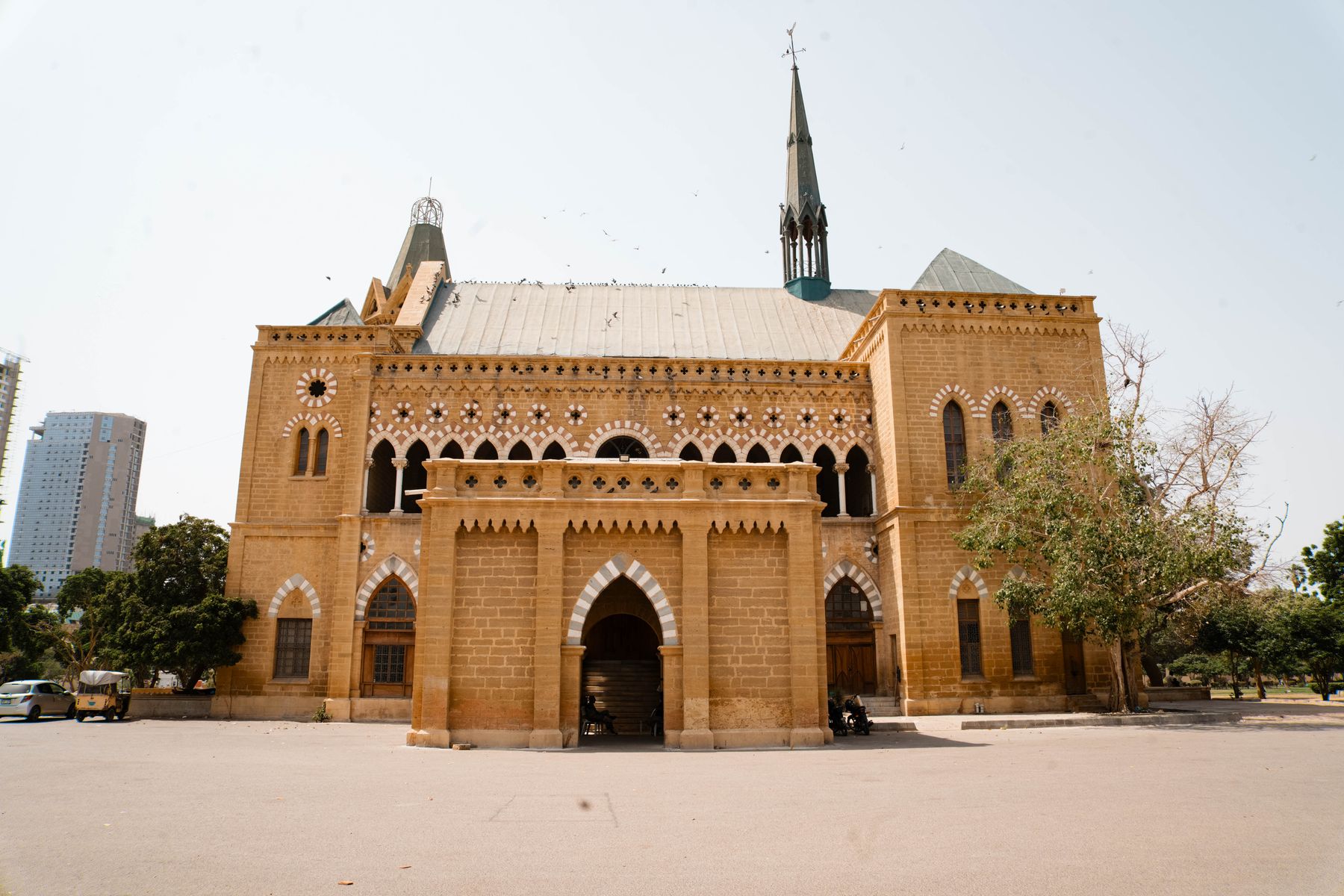
To make a full day, combine the ruins with a visit to Larkana, about 30 km north. Larkana has a bazaar and several colonial-era buildings. The tomb of Shah Baharo is a short distance from the town. Another option is a trip to the nearby village of Dokri, which has a small railway station and a market. Most travellers stay in Larkana and visit Mohenjo-daro as a day trip.
Getting there and around
Mohenjo-daro is reached by road from Larkana. The drive takes about 45 minutes on a paved road. From Karachi, the journey is roughly 400 km and takes six to seven hours by car. Buses and vans run from Karachi and Sukkur to Larkana, and from there you can hire a car or take a local taxi to the site. The nearest railway station is at Dokri, about 8 km away, on the Larkana to Mohenjo-daro line.
At the site, a ticket office stands near the entrance. A fee is charged for entry, and the museum may have a separate charge. Guides are available at the entrance and can be hired for a tour. The ruins are spread out, and walking is the only way to see them. A path leads from the museum to the citadel and lower town. Allow two to three hours for a thorough visit.
By road
From Larkana, take the Mohenjo-daro road south. The route crosses the Indus plain and passes small villages. Taxis and rented cars are available in Larkana. The road is generally in good condition, but allow extra time in the monsoon season, when flooding can affect low-lying areas.
Practical notes
The best months to visit are November to February, when days are mild and nights are cool. From March to October the heat can be severe, and the site may be closed or inadvisable during the hottest weeks. Carry water, sun protection and sturdy shoes. The ground is uneven, with loose bricks and low walls.
There are no hotels at the site itself. Most visitors stay in Larkana, where there is a range of accommodation. The site has basic facilities, including toilets and a small shop. Photography is allowed, but drone use may require permission. Check current official advice before travelling, as access and security arrangements can change. The site is a protected monument, and visitors should stay on the marked paths.
Frequently asked questions
What is Mohenjo-daro known for?
Mohenjo-daro is known as one of the largest cities of the Indus Valley Civilisation, which flourished around 2500 BCE. It is famous for its planned streets, covered drainage, the Great Bath and its standardised bricks. The site was abandoned by about 1900 BCE and rediscovered in the 1920s.
How old is Mohenjo-daro?
The city was built around 2500 BCE and was occupied for several centuries. It was abandoned by about 1900 BCE. Excavations in the 1920s revealed its layout. The ruins are now a UNESCO World Heritage Site.
How do you get to Mohenjo-daro?
Mohenjo-daro is about 30 km south of Larkana in Sindh. The usual route is by road from Larkana, which takes about 45 minutes. From Karachi, the drive is roughly 400 km. Buses run to Larkana, and from there you can hire a car or taxi.
When is the best time to visit Mohenjo-daro?
The best time is from November to February, when the weather is mild and dry. Summer temperatures can exceed 45°C, making the ruins uncomfortable to walk. Early morning visits are best even in winter, as there is little shade at the site.