 Photo:
Visiting Hyderabad
What the city is like
Hyderabad is a crowded, hot city of narrow lanes and busy roads. The old centre around the fort is dense, with shops spilling into the streets and a constant flow of rickshaws and motorbikes. The newer districts to the east and north are more open, with wider roads and government buildings.
Summers are long and very hot, with temperatures often above 40°C from May to September. The monsoon brings some rain in July and August, but less than in other parts of Pakistan. Winters are mild and dry, with cool nights, and this is the most comfortable time to walk the bazaars.
The city has a strong Sindhi identity. Sindhi is the main language, with Urdu and some English used in business. The bazaars are known for block-printed cloth, embroidered shawls and lacquer work, and the craft workshops can be visited.
What to see
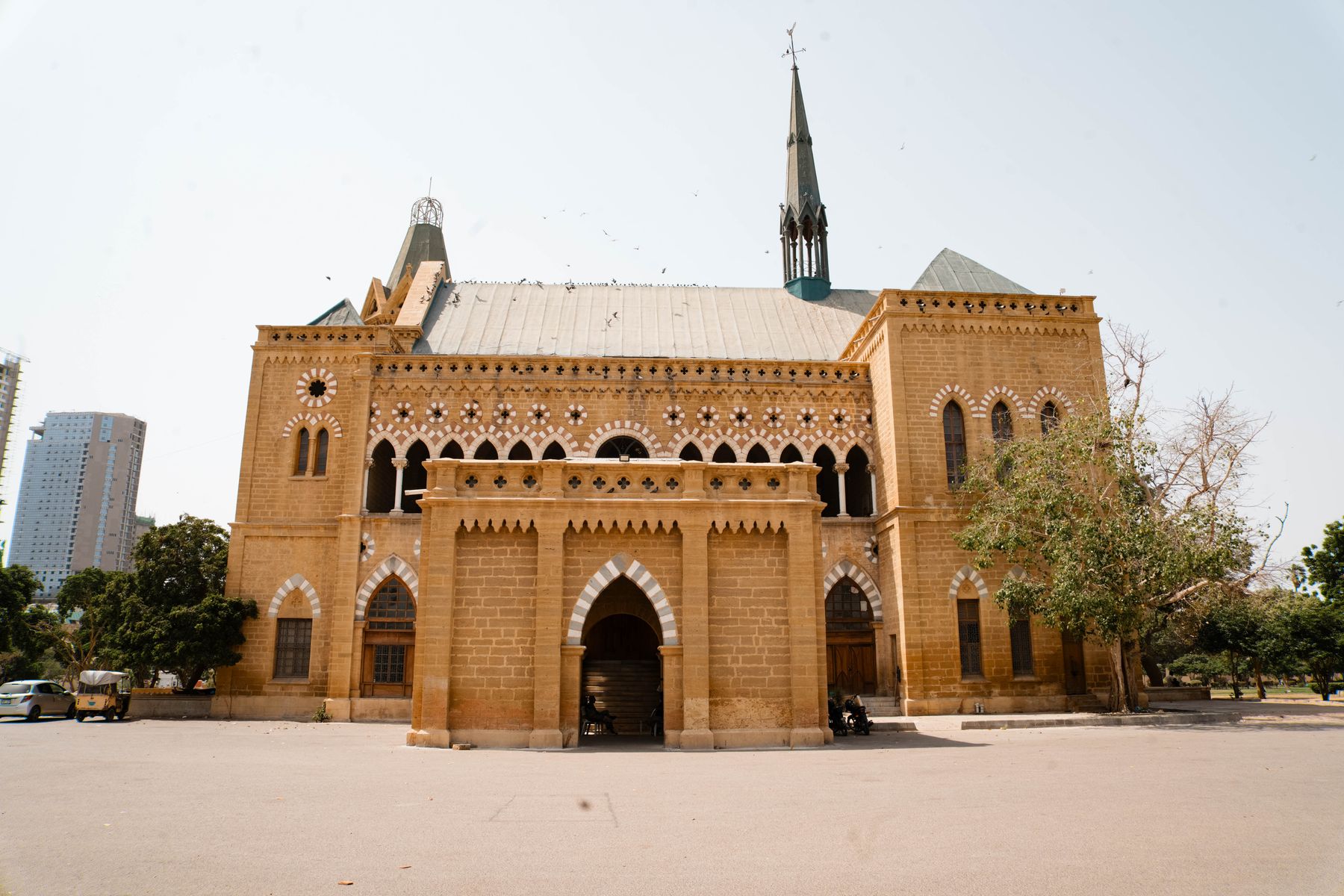
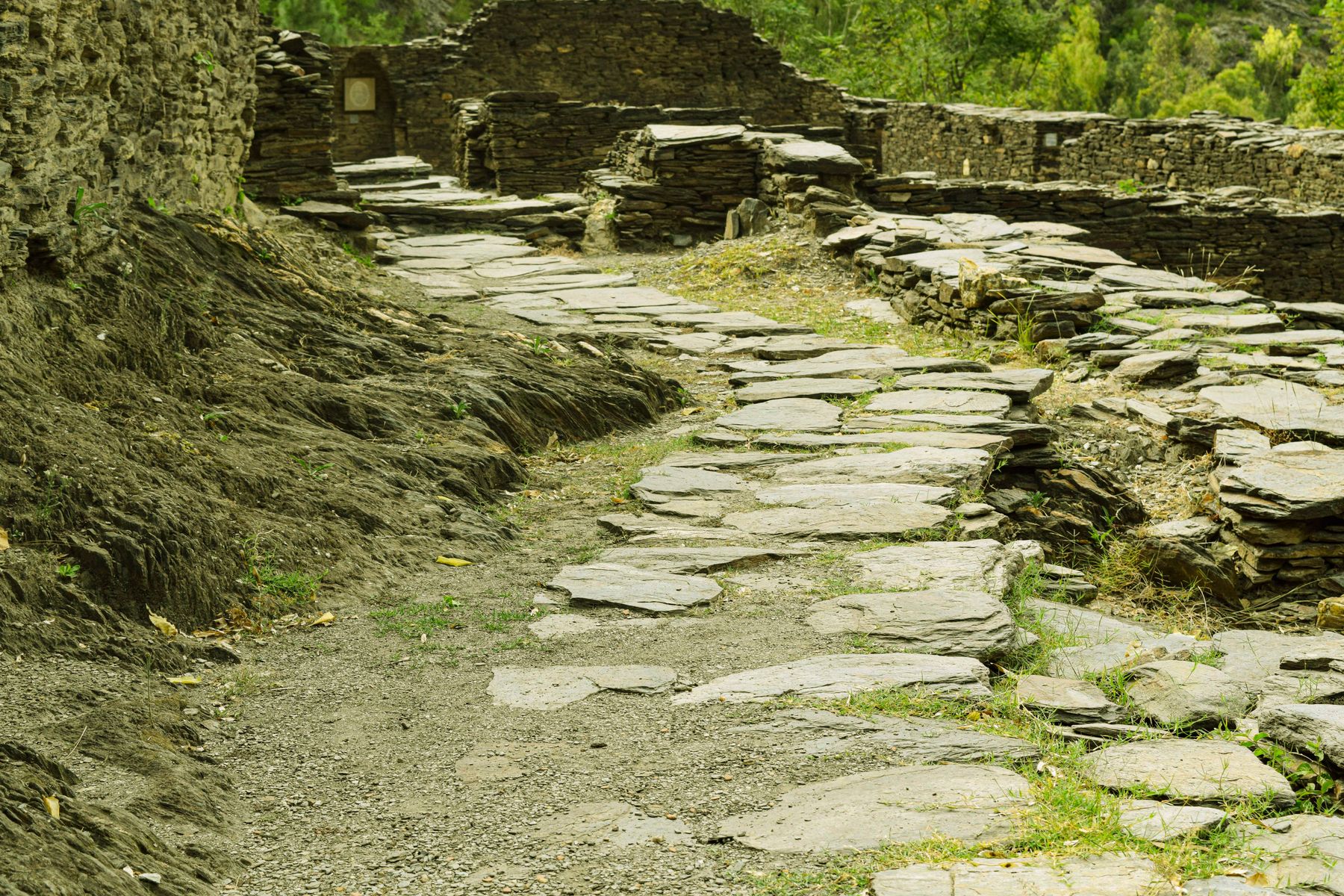
Start at the Pakka Qila, the old fort on its low hill. The gates and stretches of wall remain, and the views over the rooftops give a sense of the city’s shape. Below, the Shahi Bazaar runs through the old centre, with separate lanes for cloth, jewellery and food.
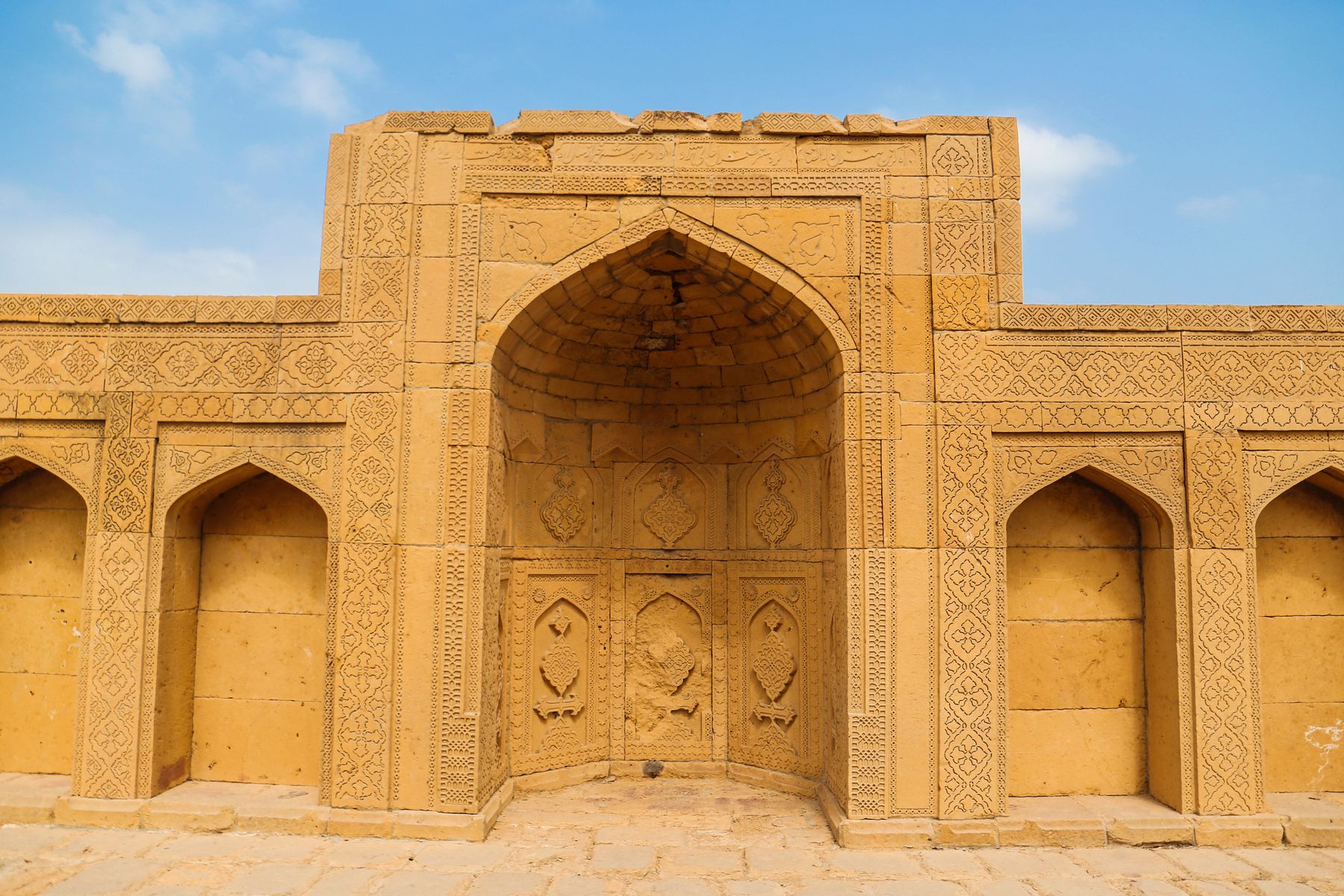
East of the centre, the Talpur tombs are a quiet contrast. The carved stone and tile work is worn but impressive, and the site is not heavily visited. The Sindh Museum, near the university, holds a collection of craft and archaeological finds from the region.
Bazaars and craft
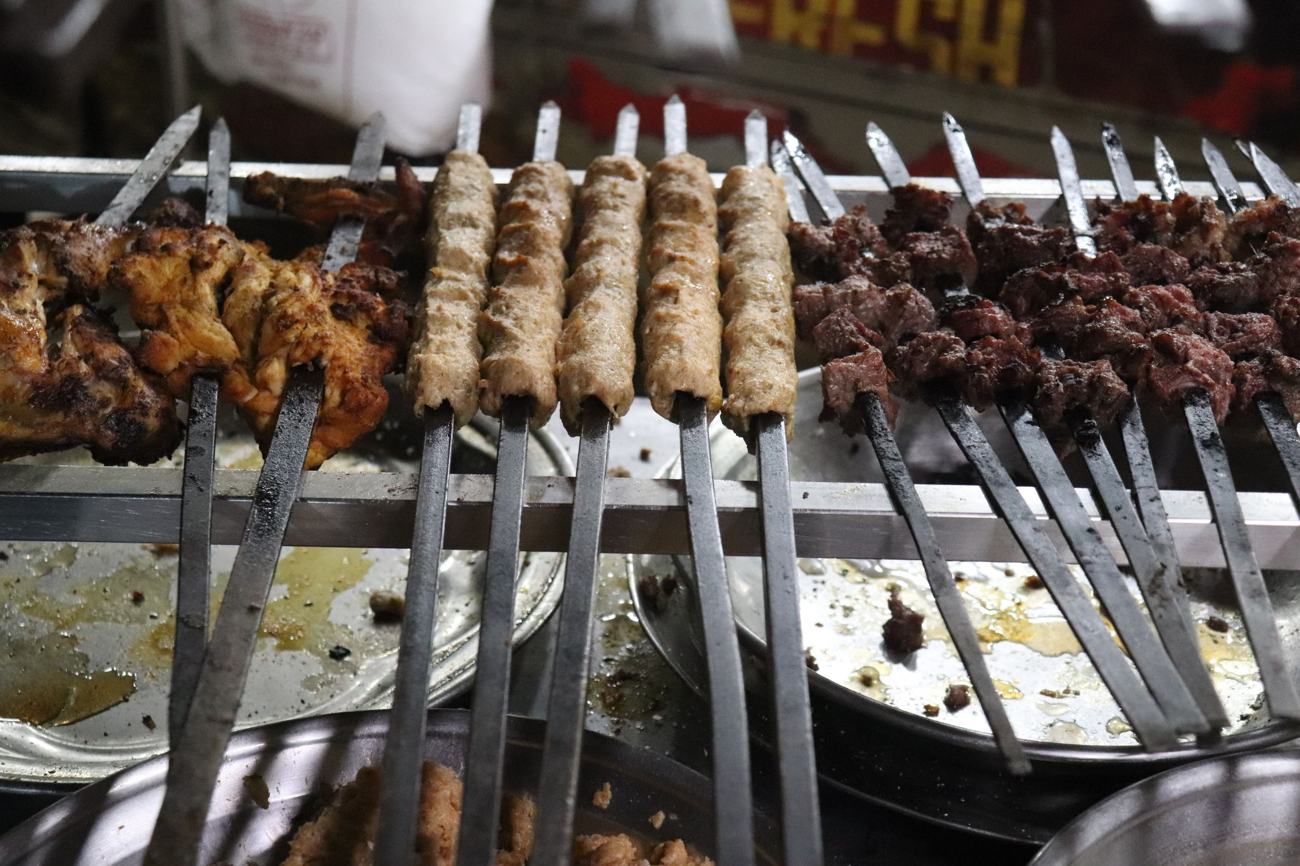
The lanes around Shahi Bazaar are the place to see Sindhi block printing and embroidery. Several workshops welcome visitors, though it is polite to ask before taking photographs. The bangle and lacquer stalls are concentrated in a few streets.
Around the city
The Ganjo Takar hill offers a wider view of the Indus plain. Rani Bagh provides shade in the centre. Further afield, the lakes and tombs of the surrounding district can be reached by car, but roads are slow.
A day or two there
One day is enough for the old city. Begin in the morning at the Pakka Qila, then walk down through Shahi Bazaar before the afternoon heat. After a break, visit the Sindh Museum or the Talpur tombs, which are quieter in the late afternoon.
With a second day, take a car to the surrounding sights, such as the tombs and lakes outside the city, or use Hyderabad as a base for Mohenjo-daro, which is about 300 km north. The drive takes several hours, so an early start is needed.
Getting there and around
Hyderabad is on the main road and rail line between Karachi and the north. The drive from Karachi takes about two to three hours on the motorway, depending on traffic. Trains run regularly from Karachi and take a similar time.
Within the city, rickshaws and taxis are the usual way to get around. The old centre is best explored on foot, but the lanes are narrow and crowded. For the museum and tombs, a hired car for the day is more comfortable.
By air
The nearest airport is in Karachi, which has domestic and international flights. From there, continue by road or rail. Hyderabad’s own airport has limited scheduled service, so most travellers arrive via Karachi.
Practical notes
The climate is hot for much of the year. From May to September, daytime temperatures are extreme, and walking in the middle of the day is best avoided. Winter, from November to February, is mild and dry, with cool evenings.
Dress modestly, especially in the bazaars and around the fort. Ask before photographing people or workshops. The city is generally busy but not threatening, though the usual care with belongings applies in crowded areas.
Permits are not normally needed to visit Hyderabad itself. Some surrounding areas and border districts may require a No Objection Certificate (NOC), and rules change, so check current official advice before travelling. A fee may be charged at some sites.
Frequently asked questions
What is Hyderabad, Sindh known for?
Hyderabad is known for its old fort, the Pakka Qila, and its bazaars, which sell Sindhi cloth, embroidery and crafts. It was the capital of Sindh in the nineteenth century and has a strong Sindhi cultural identity.
How do you get to Hyderabad from Karachi?
Hyderabad is about 150 km north-east of Karachi. It can be reached by road on the motorway, which takes two to three hours, or by train from Karachi, which runs regularly and takes a similar time.
When is the best time to visit Hyderabad?
The best time is from November to February, when days are mild and nights are cool. Summers from May to September are very hot, with temperatures often above 40°C, and walking in the middle of the day is uncomfortable.
What is there to see in Hyderabad in one day?
A day can cover the Pakka Qila fort, the Shahi Bazaar and either the Sindh Museum or the Talpur tombs. Start early to avoid the afternoon heat, and use a rickshaw or car to reach the museum and tombs.