The blind dolphins of the Indus
A freshwater dolphin that navigates by sound, found in the Indus near Sukkur. A guide to seeing it and understanding its river.
 Photo: Ghulam Rasool / Pexels
The Indus river dolphin, known locally as the bhulan, is a freshwater species found only in the Indus basin. Blind, it hunts by echolocation in the silty water. The stretch near Sukkur holds one of the more reliable populations, and boat trips from the town give a chance to see one surface.
A dolphin adapted to silt
The Indus river dolphin has small eyes and no functional lens, so it is effectively blind. It finds prey by emitting clicks and reading the returning echoes, a system suited to the murky water of the Indus. Adults are grey-brown and grow to about two metres. They surface briefly to breathe, often showing only the beak and a roll of the back.
The species is one of a small group of freshwater dolphins. It lives in the Indus and its tributaries, with the main population between the Guddu and Sukkur barrages. The water there is deep and slow, and the dolphins favour the pools and eddies below the barrages and around river bends.
Numbers fell sharply in the twentieth century after barrages split the river into sections. Conservation work since the 1970s has helped, and surveys record a few thousand animals in the river system. The dolphin is protected under Pakistani law, and fishing nets and pollution remain the main pressures.
Sukkur and the river
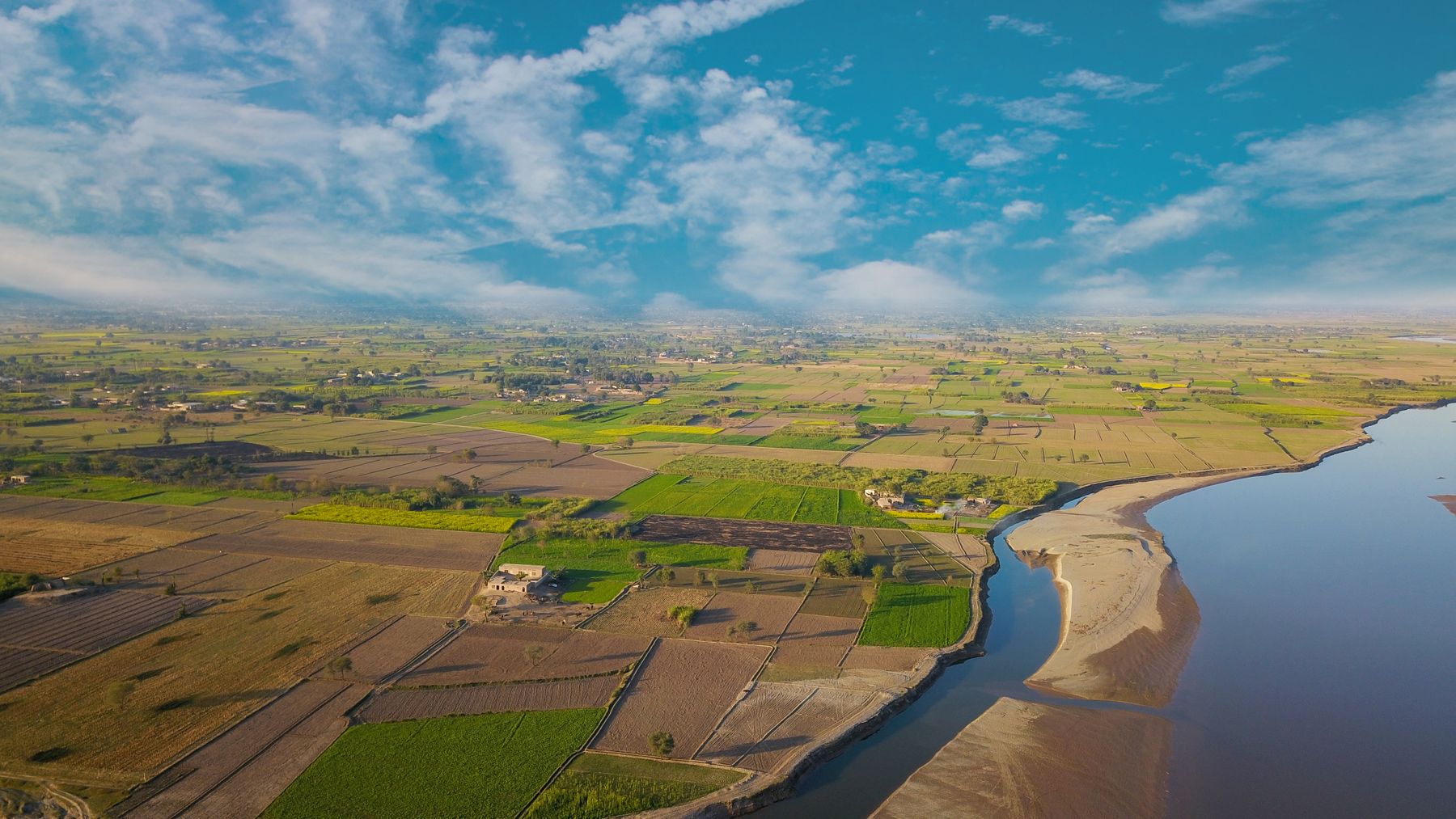
Sukkur sits on the west bank of the Indus, with Rohri on the east. The two are joined by the Lansdowne Bridge, a railway bridge completed in the 1880s, and the Ayub Bridge alongside it. The Sukkur Barrage, downstream of the town, controls water for a wide irrigation network and creates the deep water where dolphins are often seen.
The river here is wide and brown, moving slowly between sandbanks. Dolphins are most often spotted in the early morning and late afternoon, when they surface more frequently. A boat trip from the Sukkur side, arranged locally, is the usual way to look for them. Sightings are not guaranteed, and patience on the water matters more than distance covered.
The surrounding district is hot for much of the year. Winter, from November to February, is the most comfortable season, with mild days and cool nights. Summer temperatures can exceed 45°C, and boat trips are best avoided in the afternoon heat. The river is at its lowest in the dry months, which can concentrate the dolphins in deeper channels.
بھلن دریائے سندھ کیThe bhulan of the Indus, a local name for the blind dolphin.
What you might see
A dolphin surfacing shows a dark back and a small dorsal fin, usually for a second or two. The beak may break the surface as it breathes. From a boat, the sound of a blow is often the first sign. Binoculars help from the bank, but the animals move with the current and can be hard to track.
The river also holds smooth-coated otters, turtles and a range of fish. Birds along the banks include egrets, herons and kingfishers. The sandbanks and mudflats change with the water level, so the wildlife shifts through the year. A quiet approach and a stopped engine give the best chance of a sighting.
Local boatmen know the stretches where dolphins are regularly seen. A trip may last an hour or more, depending on the water and the season. There is no fixed schedule, and the best approach is to ask in Sukkur about current conditions. A fee is charged for boat hire, and it is worth agreeing the duration before setting out.
Sukkur town and food
Sukkur has a busy bazaar area and a few colonial-era buildings. The Sadhu Bela temple, on an island in the Indus, is reached by boat and is a local landmark. The town is also a stop on the railway between Karachi and Lahore, and the bridge over the river is a well-known sight.
Food in Sukkur follows the Sindhi and wider Pakistani pattern. Sindhi biryani, a spiced rice dish, is common, as are grilled meats and flatbreads. Fish from the river appears on some menus, usually fried or in a curry. Sweet shops sell traditional mithai, and tea stalls are everywhere.
For a visitor, Sukkur works as a base for the river and the surrounding sites. The town has a range of accommodation, though none is named here. The dolphin is the main reason to come, but the river itself, with its boats and bridges, is part of the experience. Allow a full day to combine a boat trip with the town.

Planning a visit
The nearest airport is at Sukkur, with limited flights. Most visitors arrive by road or rail. The drive from Karachi takes several hours on the motorway network, and the train is a slower but steady option. Sukkur is also a stop on routes towards Larkana and Mohenjo-daro, which lie to the south.
Permits are not normally needed for Sukkur and the river immediately around it. Some areas of Sindh and Balochistan, and districts near the Indian border, can require a No Objection Certificate or have travel advisories. Rules change, so check current official advice before travelling.
The best time to look for dolphins is the cooler months, from November to February. Mornings are calm and the light is good. Bring water, sun protection and a hat. The river can be bright and hot even in winter. A boat trip is the main activity, and it is worth setting aside time to sit quietly on the water.
Where to look for dolphins
- Sukkur BarrageDeep water below the barrage is a known spot for dolphins, especially in the early morning.
- Lansdowne BridgeThe railway bridge links Sukkur and Rohri, and the river here is often watched from the banks.
- Sadhu Bela templeAn island temple reached by boat, a short trip that also gives a view of the river.
- RohriOn the east bank, with its own bazaar and access to the river and the bridges.
Frequently asked questions
Where can I see the blind dolphins of the Indus near Sukkur?
The stretch of the Indus around Sukkur and Rohri, particularly below the Sukkur Barrage, is a known area. Boat trips from the Sukkur side are the usual way to look for them. Sightings are not guaranteed, and early morning or late afternoon gives the best chance.
When is the best time to visit Sukkur for dolphin watching?
The cooler months from November to February are most comfortable, with mild days. Dolphins can be seen year-round, but the heat in summer is severe and boat trips are less pleasant. Early morning is generally the best time on the water.
Do I need a permit to visit the Indus dolphins at Sukkur?
Sukkur and the river immediately around it do not normally require a permit. Some border districts and parts of Balochistan can need a No Objection Certificate. Rules change, so check current official advice before travelling.
Find a stay in Sukkur
Live prices and availability open in the IMPT app, in a new tab.