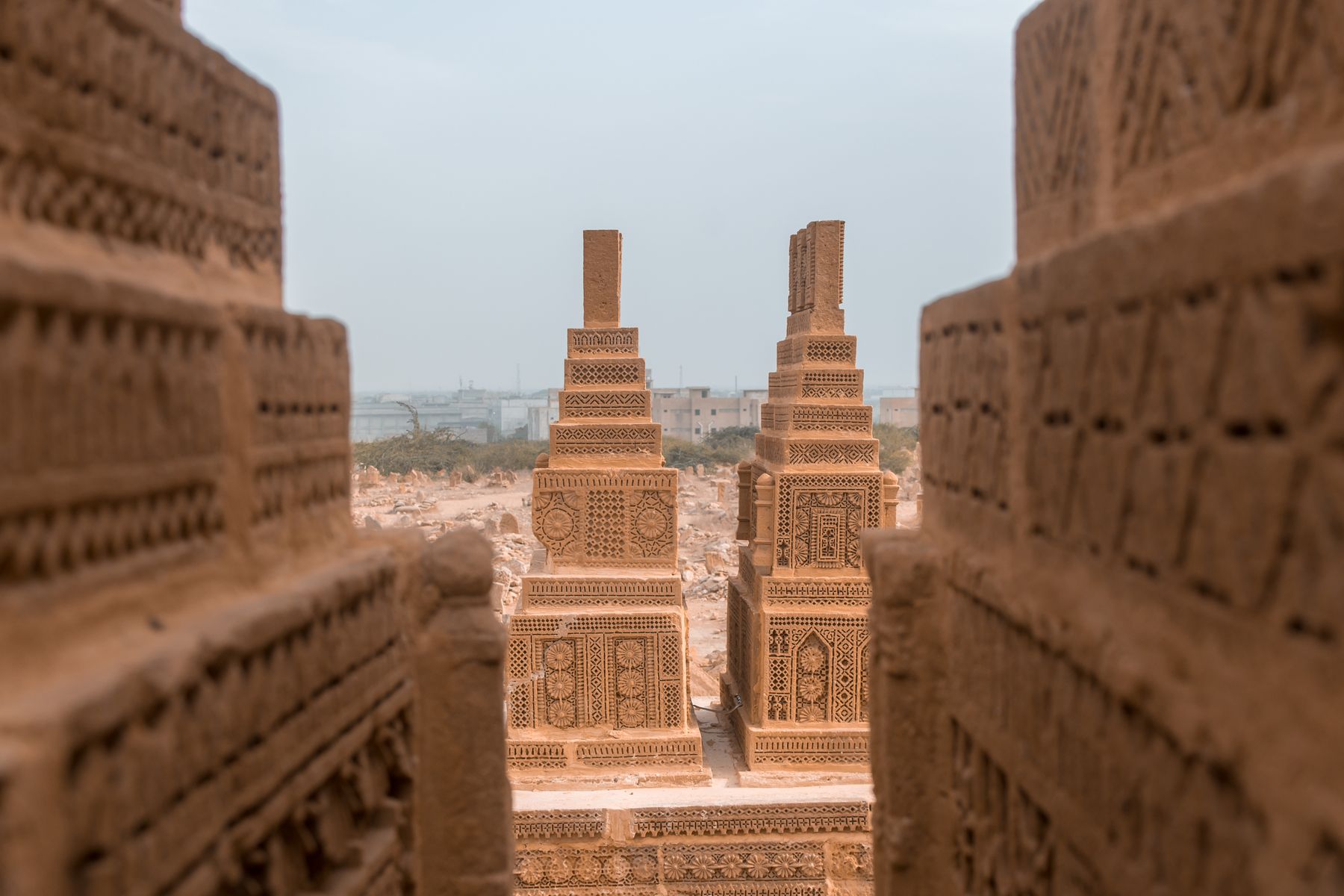
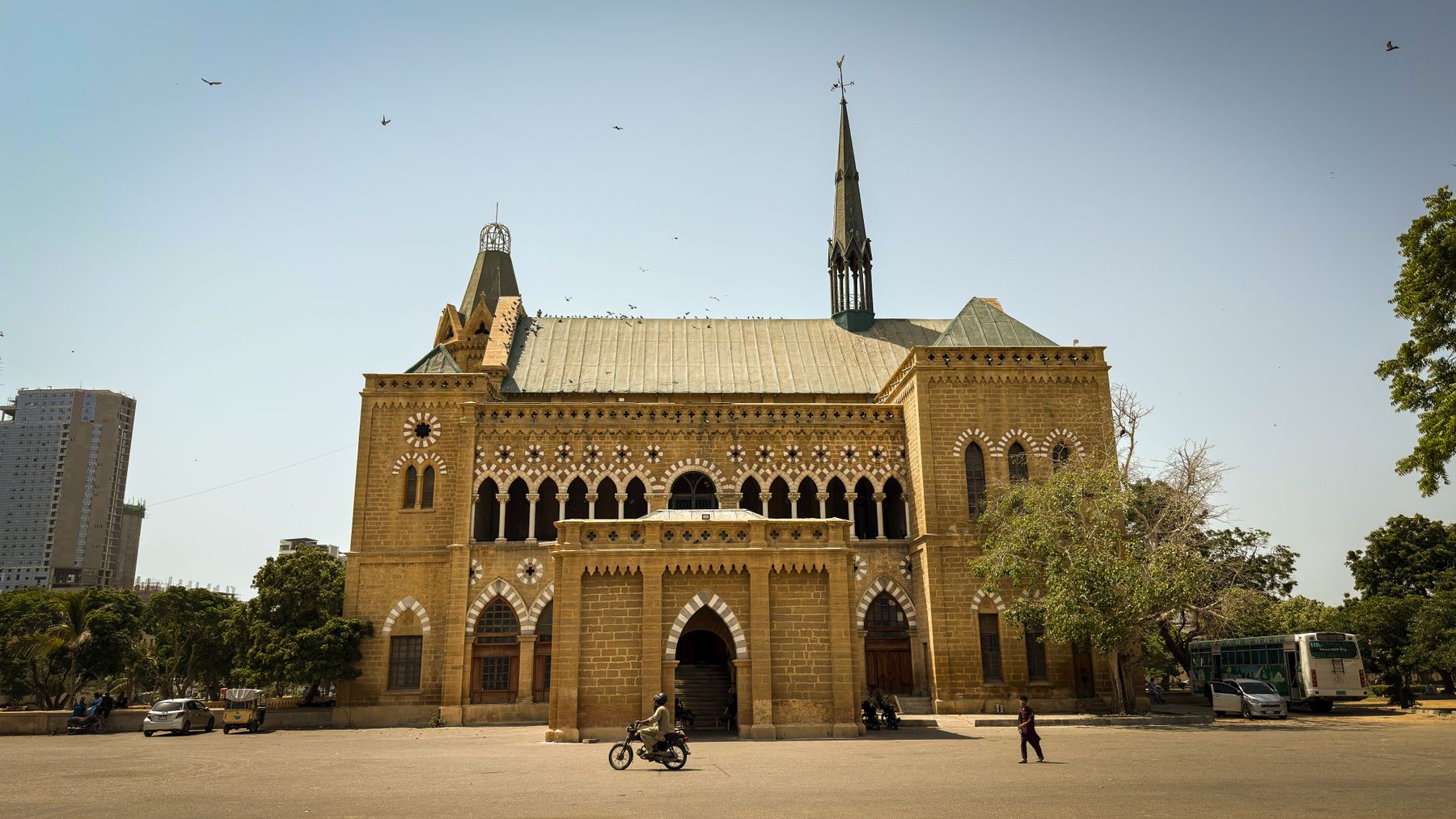
The stone carvings of Makli
Makli's tombs carry centuries of carving in sandstone and marble, set on a plateau above Thatta. The site rewards slow walking and close looking.
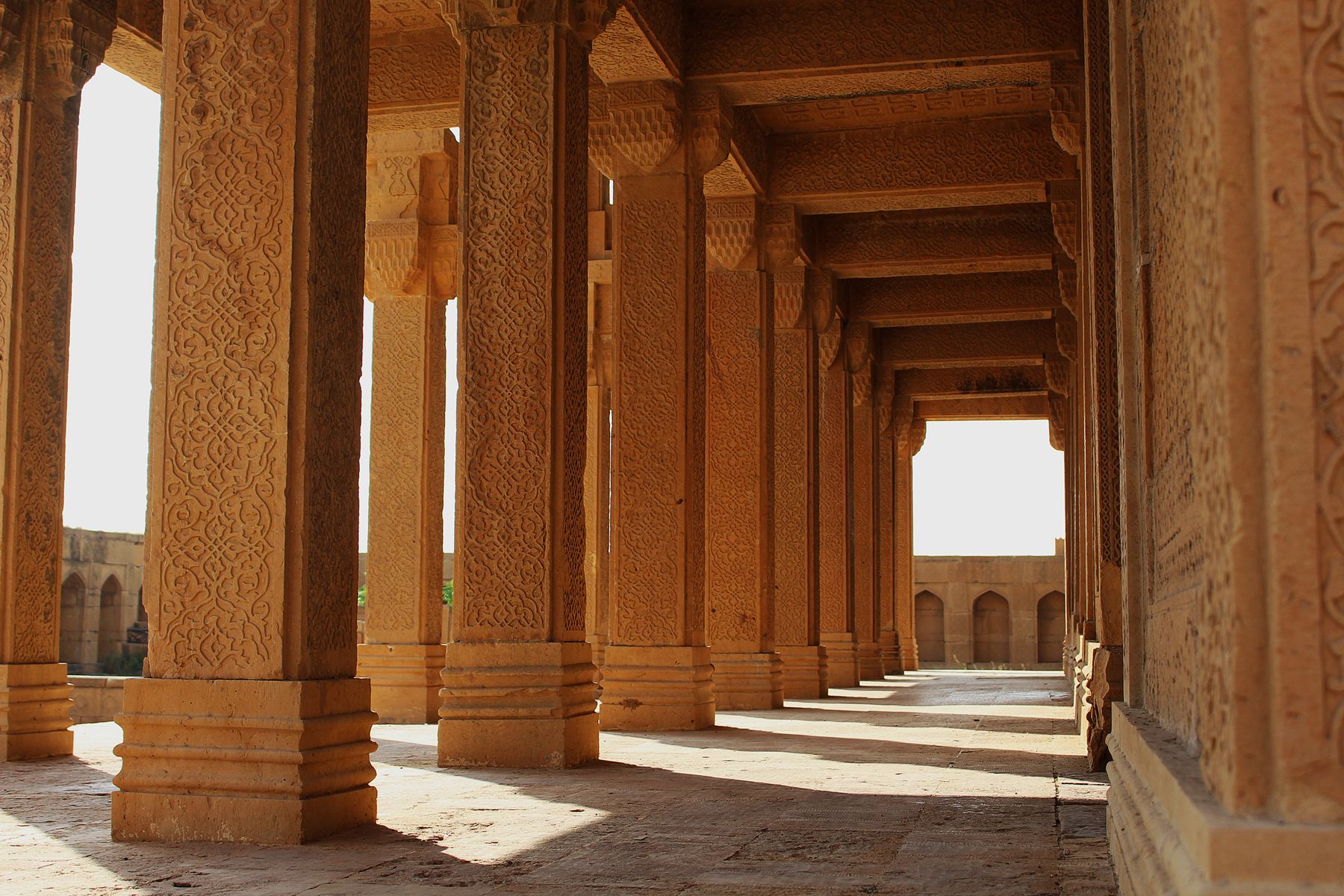 Photo: Ayesha Memon / Pexels
Makli spreads across a low plateau west of Thatta in Sindh, a short drive from the Indus. The necropolis holds a dense field of tombs built over several centuries, from the Samma period through the Mughal era. Carved stone covers many of the monuments, with geometric patterns, calligraphy and floral motifs cut into the surfaces. The site is on the UNESCO World Heritage list.
A necropolis above Thatta
Makli lies on a plateau about two kilometres west of Thatta town, on the road towards Karachi. The ground rises gently from the surrounding plain, and the tombs spread across it in clusters rather than in rows. Some are small, with a single carved slab. Others are large walled enclosures with domes and gateways. The site covers a wide area, and walking between the main groups takes time.
The monuments date from the fourteenth to the eighteenth centuries, when Thatta was a major port and centre of trade on the Indus. Traders, scholars and rulers were buried here. The variety of tombs reflects that mix. Some carry inscriptions in Arabic and Persian. Others use local scripts. The stone itself comes from nearby quarries, mostly sandstone in warm tones, with marble used for finer details.
The site is open daily, and a fee is charged for entry. Paths are uneven and shade is limited. Early morning and late afternoon are the easiest hours. The main groups are signposted, but a guide can help find the finer carvings, which are easy to miss.
Reading the carved surfaces
The carving at Makli is best seen close up. On many tombs, the sides carry bands of geometric patterns, often interlocking stars or hexagons. Above these, calligraphic panels run along the edges. The script is cut deep enough to hold shadow, which makes the letters legible in low light. Floral motifs appear on some tombs, with vines and leaves winding around the borders.
Different periods show different styles. Samma-era tombs tend to have simpler, heavier forms, with broad bands of carving. Mughal-era monuments use finer lines and more elaborate compositions, sometimes with inlaid marble. The tomb of Isa Khan Tarkhan II is often cited for its carved columns and dome. Nearby, the tomb of Diwan Shurfa Khan has a large dome and carved stonework on its walls.
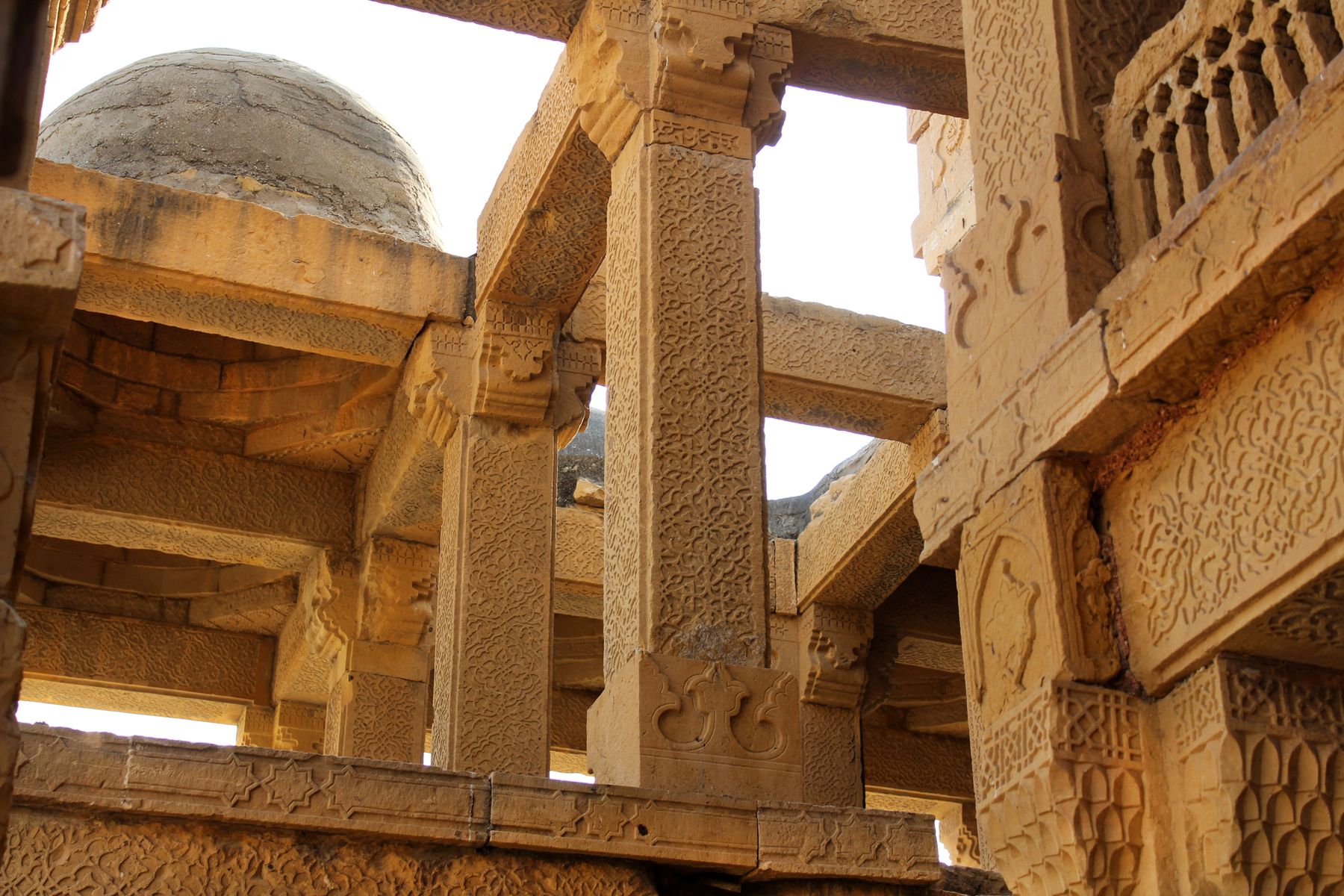
Look for the small details: carved brackets under eaves, lotus rosettes on ceilings, and chains of stone links cut from single blocks. Some surfaces show wear from centuries of weather. Others remain sharp. The contrast between the two is part of what the site shows.
پتھر پر لکھی تاریخHistory written on stone. A line that fits the carved tombs of Makli.
The Shah Jahan Mosque nearby
Thatta town holds the Shah Jahan Mosque, built in the seventeenth century during the reign of Emperor Shah Jahan. The mosque is known for its tilework, with blue and turquoise patterns covering the prayer hall and domes. The acoustics of the main hall are often noted: a voice at one end carries to the other. The building sits near the centre of town, a short drive from Makli.
The mosque and the necropolis are usually visited together. The mosque is an active place of worship, so dress modestly and avoid prayer times if you want to look around freely. Non-Muslim visitors can enter parts of the complex, but check locally for current arrangements. The tilework alone justifies the stop.
Between the two sites, Thatta bazaar offers a look at local trade. Shops sell cloth, metalware and food. The town is small enough to walk in parts, though traffic on the main road is heavy.
Seasons and practicalities
The best months to visit Makli are from November to February, when days are cooler. Summer heat in Sindh is severe, with temperatures often above 40°C. If you travel in summer, plan visits for the first hours after opening. The monsoon, from July to September, can bring humidity and occasional rain, but the site remains open.
Makli is about 100 kilometres east of Karachi, a drive of roughly two hours on the main road. Buses and vans run between Karachi and Thatta. From Thatta, local transport or a hired car covers the short distance to the necropolis. The site has no cafe or shop inside, so bring water. Food is available in Thatta town.
Wear shoes that can handle uneven ground. There is little shade, so a hat and sunscreen help. Photography is allowed, but tripods may need permission. Check current official advice before travelling, as conditions can change.
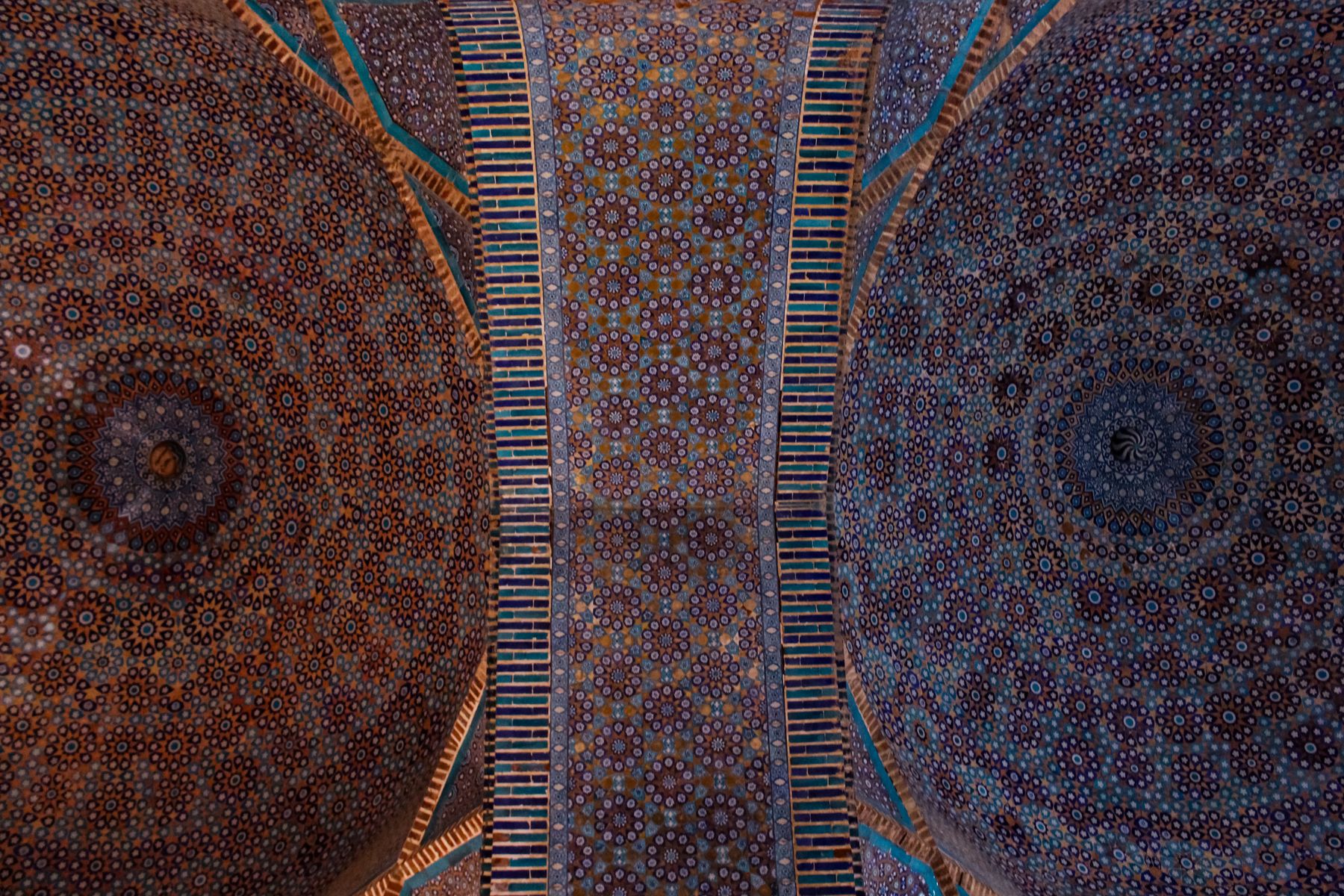
What the carvings record
The tombs at Makli record more than names. Inscriptions give dates, titles and sometimes lines of poetry. The carving styles show the movement of craftsmen and ideas across Sindh. Some motifs link to Central Asian traditions, others to local practice. For historians, the site is a archive in stone.
The site also shows how materials were used. Sandstone was carved in relief, while marble was used for inlay and for carved screens. Some tombs combine both. The stone has weathered differently across the site, depending on exposure and the type of stone. That variation helps in reading the surfaces.
Conservation work has been carried out in phases. Some monuments are protected by shelters or low walls. Others stand open. Visitors are asked to stay on paths and not to climb on the tombs. The carvings are fragile, and touching them causes damage over time.
Where to see the carvings
- Makli NecropolisThe main site west of Thatta, with tombs from the Samma and Mughal periods. Carved sandstone and marble across a wide plateau.
- Tomb of Isa Khan Tarkhan IIA large monument in the necropolis, noted for its carved columns and dome. The stonework shows fine detail.
- Shah Jahan Mosque, ThattaA seventeenth-century mosque in Thatta town, known for tilework and acoustics. A short drive from Makli.
- Thatta bazaarThe town centre, with shops and food stalls. Useful for supplies before or after a visit to the necropolis.
Frequently asked questions
What are the stone carvings of Makli?
The stone carvings of Makli are the decorated surfaces of tombs in the necropolis near Thatta, Sindh. They include geometric patterns, calligraphy and floral motifs cut into sandstone and marble. The tombs date from the fourteenth to the eighteenth centuries and reflect Samma and Mughal styles.
When is the best time to visit Makli?
The cooler months from November to February are the most comfortable for walking the site. Summer heat in Sindh is severe, so early morning visits are advisable if travelling between March and October. The site is open daily, and a fee is charged.
Can you visit the Shah Jahan Mosque with Makli?
Yes, the Shah Jahan Mosque in Thatta town is a short drive from Makli and is often visited on the same trip. The mosque is an active place of worship, so dress modestly and avoid prayer times. Check locally for current visiting arrangements.
Find a stay in Thatta
Live prices and availability open in the IMPT app, in a new tab.