What to Eat for Breakfast in Karachi: A Traveller's Guide
From chickpea curry to sweet halwa puri, here's how to start your day like a local in Pakistan's biggest city.

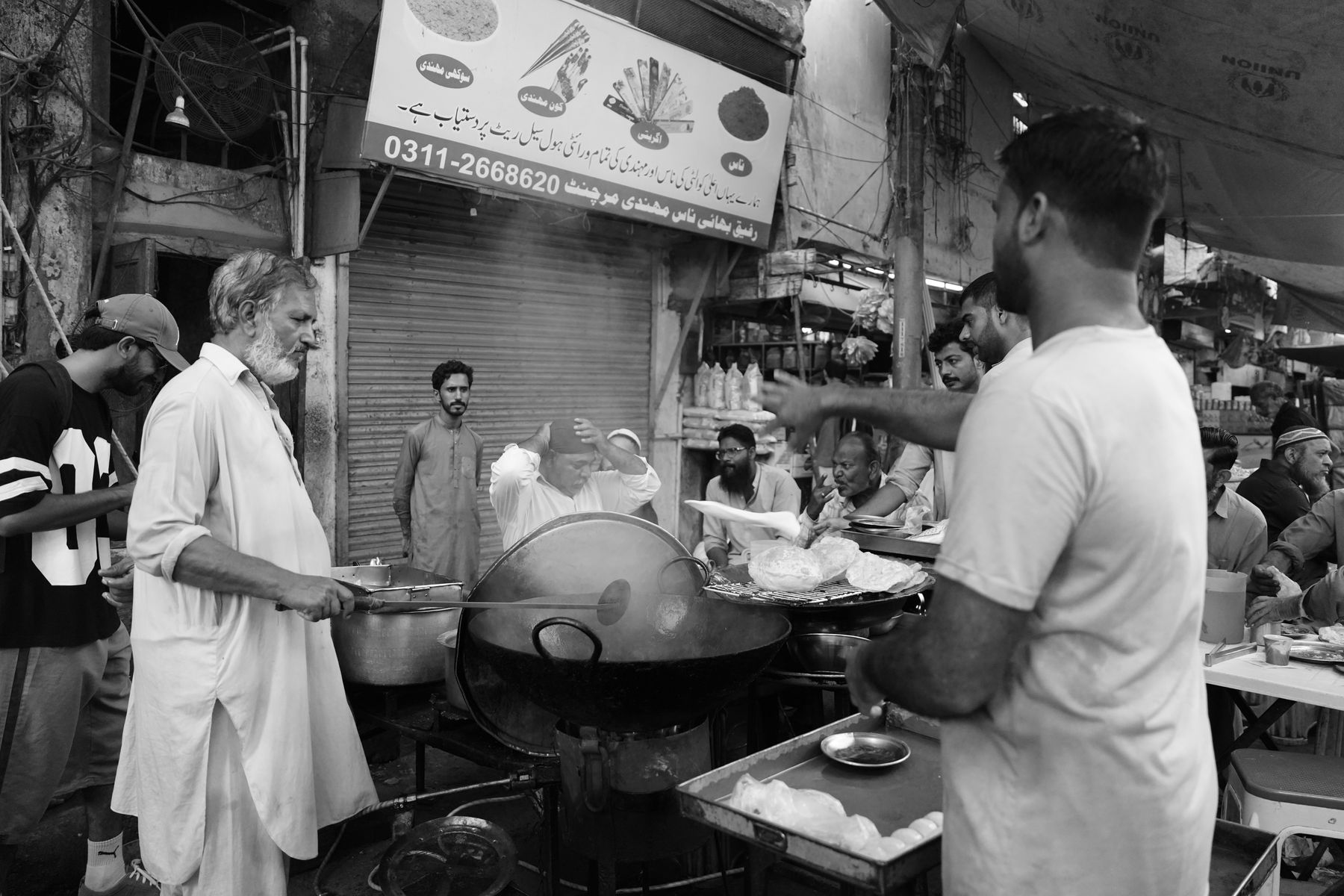
Karachi's breakfast scene is legendary, and the most iconic dish is halwa puri. This trio of deep-fried puffy bread (puri), chickpea curry (chana), and sweet semolina halwa is a weekend staple. Head to Sattar Buksh in Gulshan-e-Iqbal or the older spots in Burns Road, where queues form by 8 am. Expect to pay around PKR 200-300 per person. The puris are best eaten hot, dipped in the chana, with a bite of halwa to balance the flavours. It's heavy, so plan for a light lunch.
The Classics: Halwa Puri and Chana Chaat
For a lighter option, try chana chaat—a tangy mix of chickpeas, potatoes, onions, and chutneys. You'll find street carts across the city, especially near Empress Market in Saddar. A plate costs about PKR 100. The chaat is refreshing and customizable; ask for less chutney if you're not used to heat. Both dishes are vegetarian and widely available, making them safe bets for cautious eaters. I'd book a hotel in Saddar or Gulshan to be close to these breakfast hubs.
Parathas and Omelettes: The Everyday Roll
Parathas are Karachi's breakfast workhorses. These flaky flatbreads are often stuffed with potato, egg, or minced meat, then pan-fried until crisp. Look for small dhabas (roadside stalls) in areas like Tariq Road or Bahadurabad, where locals grab a paratha roll on their way to work. A stuffed paratha with a cup of chai costs around PKR 150. The best ones are made fresh to order, so expect a short wait. Pair it with a simple omelette for protein; many stalls offer a 'paratha omelette' combo that's filling and cheap.
If you prefer something more substantial, try the desi omelette—eggs beaten with onions, tomatoes, and green chillies, served with toast or paratha. This is a common breakfast in homes and small cafes. For a sit-down experience, head to Cafe Darakhshan in Clifton, which serves a hearty desi breakfast platter. It's a bit pricier (around PKR 400-500) but offers a comfortable setting. I'd recommend staying in Clifton or Defence for easy access to these options.
Nihari and Siri Paye: The Heavy Hitters
For the adventurous eater, Karachi's breakfast includes slow-cooked meats like nihari (beef stew) and siri paye (goat head and trotters). These are typically eaten on weekend mornings, often after a late night. The most famous spot is Javed Nihari in Gulshan-e-Iqbal, where the line starts at 7 am. A bowl costs about PKR 400, and it's served with naan or kulcha. The stew is rich, hearty, and gelatinous—not for the faint-hearted. It's a cultural experience, but I'd suggest sharing a portion if you're new to it.
Siri paye is similar but even more intense, with a gelatinous texture from slow-cooked bones. It's usually served with naan and a sprinkle of lemon and ginger. Many outlets in Lyari and Old City serve it, but hygiene can vary. Stick to well-known places like Sabri Nihari in Saddar. Both dishes are heavy and best followed by a nap. I wouldn't book a hotel far from these spots if you plan to try them, as you'll want to walk back and rest.
Sweet and Light: Halwa, Lassi, and More
Not every breakfast needs to be heavy. Karachi has a sweet tooth, and you'll find plenty of light options. Try a glass of lassi (yogurt drink) at any local dairy shop; it's cool, refreshing, and costs about PKR 80. Pair it with a piece of Karachi halwa—a chewy, ghee-rich sweet often studded with nuts. It's sold at sweet shops like Rehmat-e-Shereen in Saddar. A small box costs around PKR 200. This is a nice way to start the day if you're planning a morning of sightseeing.
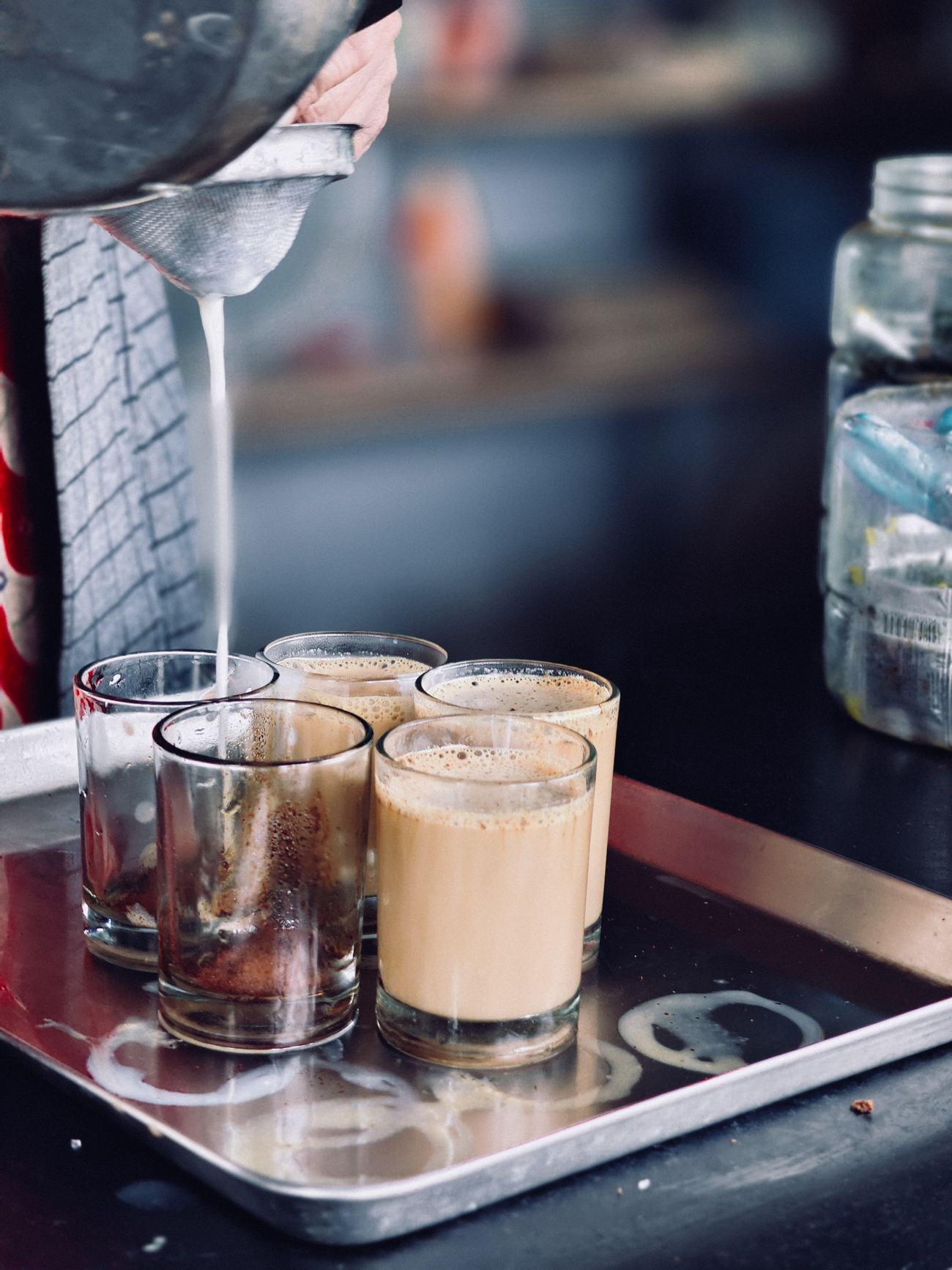
Another light option is doodh patti—milky tea brewed with cardamom and sugar—and a simple biscuit or rusk. It's what many Karachiites have before a full breakfast. For a sit-down spot, try the breakfast buffet at a hotel like the Pearl Continental in Clifton, which offers both local and international items. Prices are higher (around PKR 1,500), but it's convenient if you're staying there. I'd book a hotel with breakfast included to save time and money.
Frequently asked questions
Where can I find the best halwa puri in Karachi?
Sattar Buksh in Gulshan-e-Iqbal and the stalls in Burns Road are popular. Go early (before 9 am) for the freshest puris, and expect to pay around PKR 200-300 per person.
Is street food safe for breakfast in Karachi?
Stick to busy stalls with high turnover. Avoid anything that looks like it's been sitting out. Bottled water is safer than tap. If you have a sensitive stomach, choose sit-down restaurants instead.
What is a typical Karachi breakfast?
Common items include parathas with omelette, halwa puri, chana chaat, and doodh patti. On weekends, many families eat nihari or siri paye. The range is wide, from light to very heavy.
How much does breakfast cost in Karachi?
Street breakfasts cost PKR 100-300. Mid-range cafes charge PKR 400-800. Hotel buffets can be PKR 1,500 or more. You can eat well on a budget.
Are there vegetarian breakfast options?
Yes, many. Halwa puri, chana chaat, parathas (potato or plain), and lassi are all vegetarian. Avoid meat-based dishes like nihari if you're strict.
Which neighbourhood is best for breakfast in Karachi?
Saddar, Gulshan-e-Iqbal, and Clifton have the widest variety. Saddar is central and historic; Gulshan is local and busy; Clifton is more upscale with cafes. Choose based on your hotel location.
What time do breakfast places open in Karachi?
Most street stalls start by 7 am and serve until 11 am. Some halwa puri spots open at 6 am on weekends. Hotel breakfasts typically start at 6:30 am.
Can I get Western breakfast in Karachi?
Yes, hotels like Pearl Continental and Avari serve Western breakfasts, but they're pricier. For a local experience, try desi breakfast. If you need a taste of home, look for cafes in Clifton.
Find a stay in Karachi
Live prices and availability open in the IMPT app, in a new tab.