 Photo:
Getting there and around
Most travellers reach Hunza from Gilgit, either by air to Gilgit airport or by road along the Karakoram Highway from Islamabad. The drive from Gilgit to Aliabad takes a few hours in good conditions. The highway follows the Hunza River north, and the turn to Karimabad climbs steeply from Aliabad.
Within Hunza, a hired car with a driver is the simplest way to cover the valleys and the pass. Shared vans link Aliabad, Karimabad and Gulmit. Local roads are narrow and unlit at night, so plan to finish driving before dark. Landslides and rockfall can close the highway for hours, and the road is cleared as soon as conditions allow.
When to go
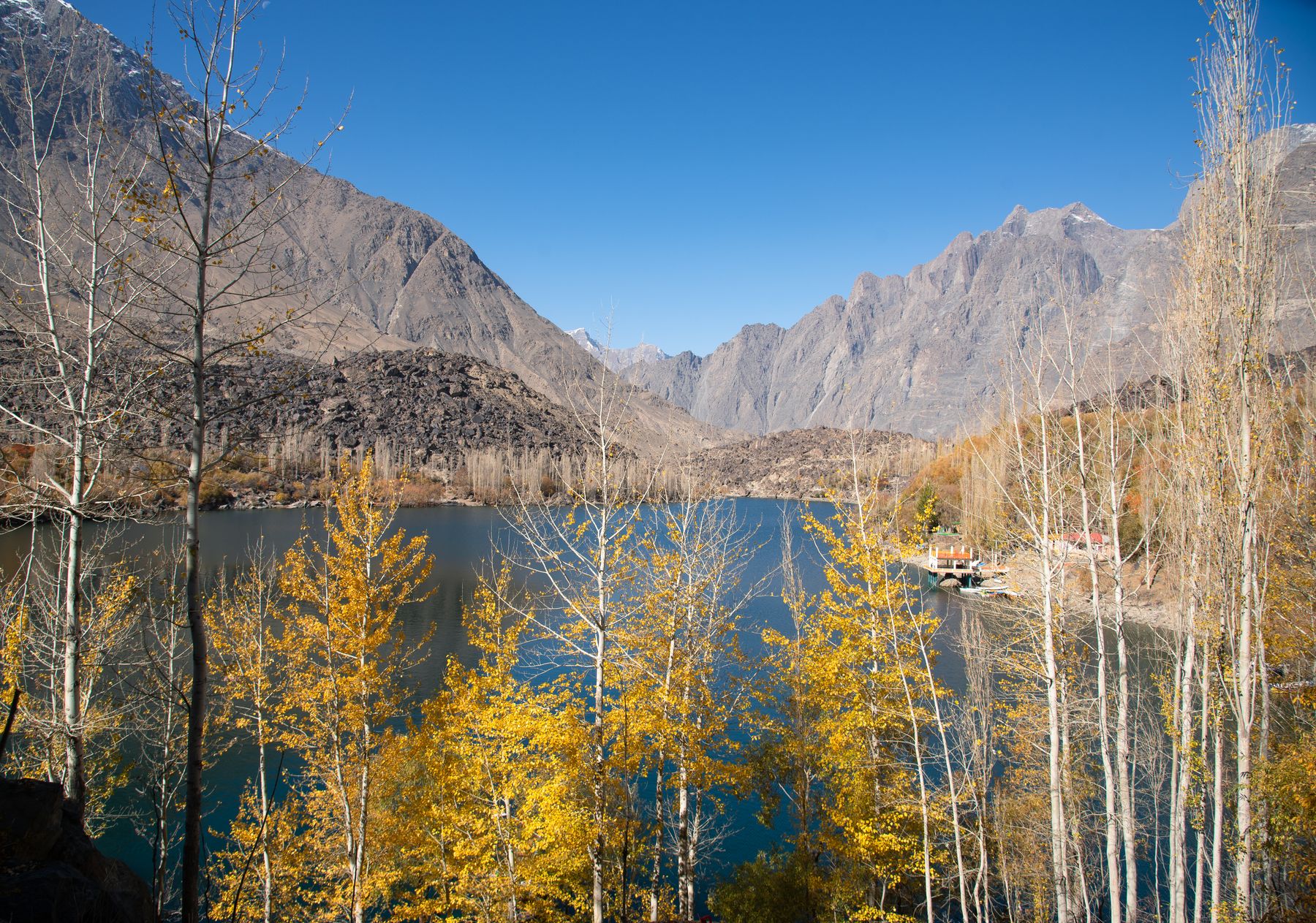
Late spring to early autumn is the main season. Apricot and cherry trees flower in April. Summer brings warm days and open passes. Autumn colours arrive in October. Winter travel is possible but cold, and the Khunjerab Pass is usually shut.
Karimabad and the forts
Karimabad is the historic centre of Hunza, set on a slope above the river. Baltit Fort, the old seat of the Hunza rulers, stands above the bazaar and is reached on foot through the lanes. Altit Fort lies lower down in Altit village, with the old settlement around it. Both are open to visitors and charge an entry fee.
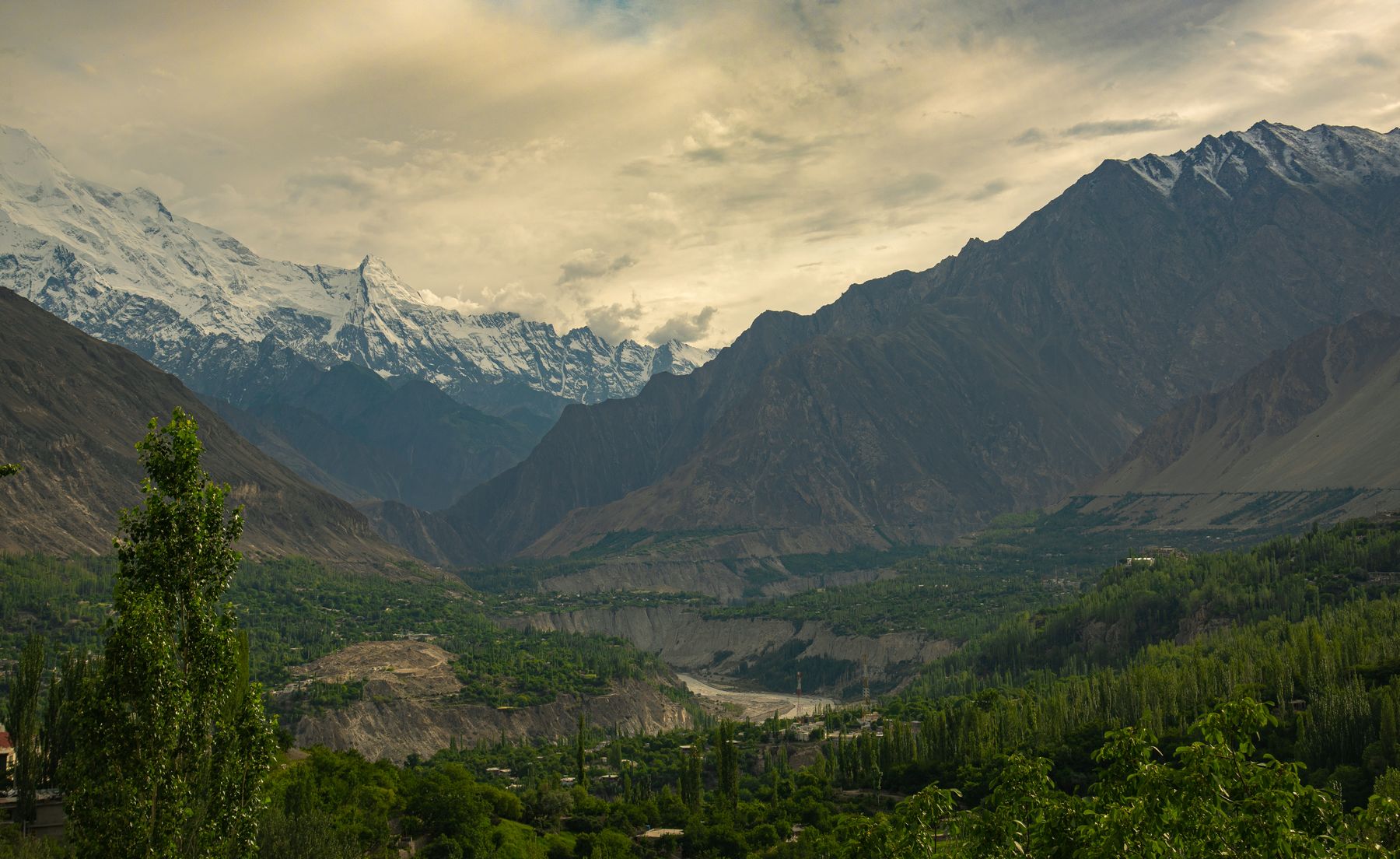
The bazaar in Karimabad sells dried fruit, apricot products and handicrafts. The water channel that runs through the village feeds small terraced fields. Walks above the village lead to Duikar, a viewpoint with a wide prospect of Rakaposhi and the surrounding peaks. The climb is steady and takes a few hours on foot.
Local food
Hunza is known for apricots, walnuts and cherries, sold dried or fresh depending on the season. Local bread and dairy feature in village meals. Diarries and small eateries in Karimabad serve simple food, and the bazaar is the place to buy fruit for the road.
Upper Hunza and Gojal
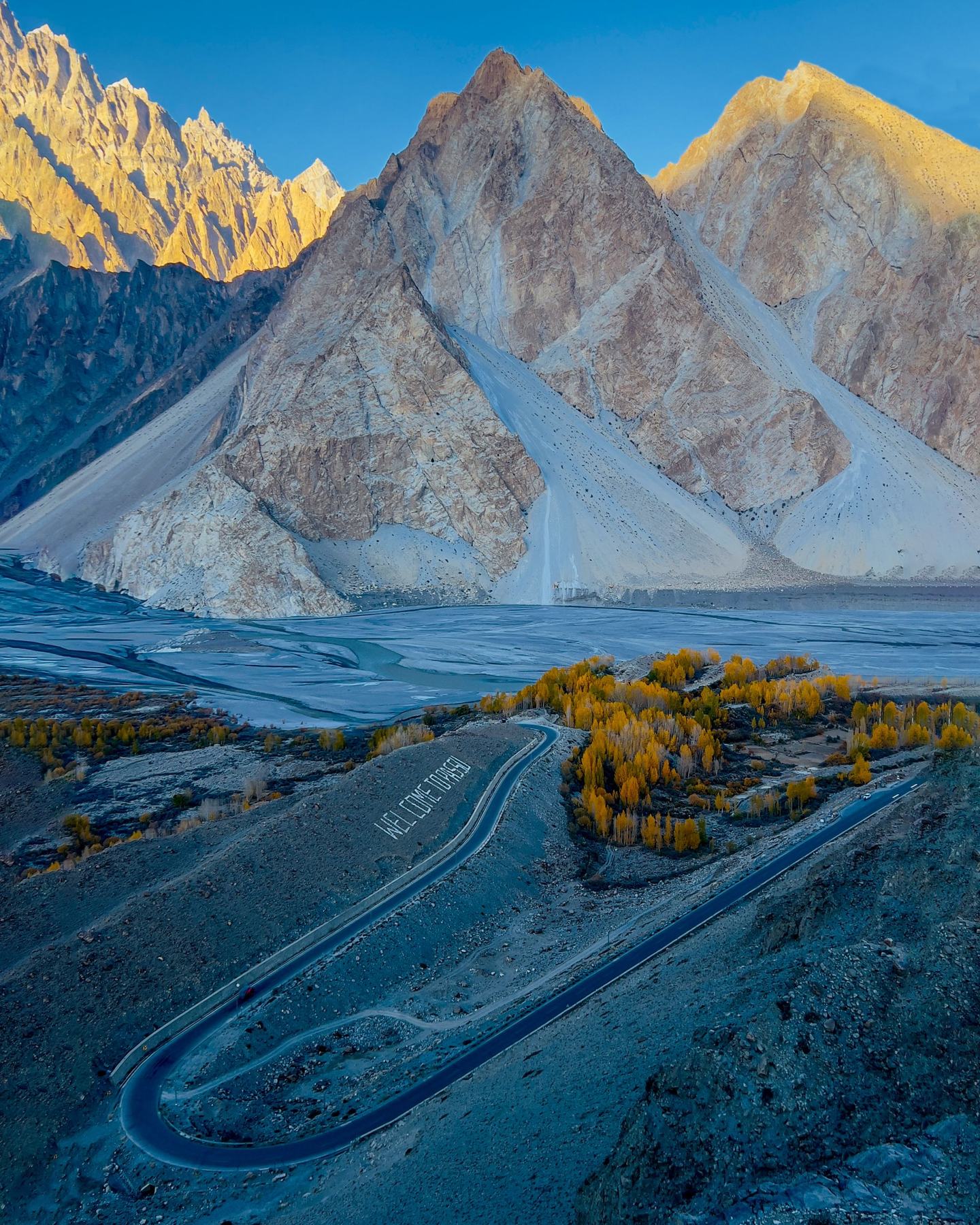
North of Aliabad the valley opens into Gojal, the upper part of Hunza. Gulmit is the main village here, with old houses and a small museum. Ghulkin sits nearby, close to the Ghulkin Glacier, and a short walk leads towards the ice and the moraine. The Passu Cones, a row of sharp peaks, rise above the highway near Passu.
The road continues north through the Khunjerab National Park towards the pass. The park protects ibex, markhor and other mountain wildlife, though sightings depend on season and luck. The Khunjerab Pass marks the border with China at 4,693 m. Access can require a permit, and the pass is generally open only in the warmer months.
Permits and access
Rules for the border area change. Some sections near the pass and the border districts can need a No Objection Certificate or fall under travel advisories. Check current official advice before travelling and carry identification. Conditions on the ground can differ from published guidance.
Practical notes for the week
Altitude is modest in Karimabad but rises quickly towards the pass. Take the first days slowly, drink water and avoid long climbs on arrival. Weather can change fast in the mountains, and a clear morning can turn to cloud and rain by afternoon. Carry a light waterproof layer and warm clothing for evenings.
Accommodation ranges from simple village rooms to larger places in Karimabad and Aliabad. Book ahead in summer, when domestic tourism peaks. Electricity can be intermittent, and internet is slow outside the main towns. Keep a day in reserve at the end of the week in case the highway closes or a flight is cancelled.
Health and safety
Medical facilities are limited beyond Gilgit, so carry any medicines you need. Mobile coverage is patchy in the side valleys. Travel in daylight where possible and let someone know your route when walking alone above the villages.
Frequently asked questions
How many days do you need for Hunza in a week?
A week allows two days for travel to and from Gilgit, three days around Karimabad and Altit, and two days in upper Hunza including a run to the Khunjerab Pass. A shorter trip can cover Karimabad alone, while a longer stay adds side valleys and slower walks.
When is the best time to visit Hunza?
Late spring to early autumn is the main season. April brings blossom in the orchards, summer has warm days and open passes, and October brings autumn colour. Winter is cold and the Khunjerab Pass is usually closed by snow, so check conditions before planning a winter trip.
Do you need a permit to reach the Khunjerab Pass in Hunza?
Access rules for the border area change and a permit or No Objection Certificate can be required for some sections near the pass. Check current official advice before setting out and carry identification. The pass is generally open only in the warmer months.
How do you travel between Gilgit and Hunza?
The Karakoram Highway links Gilgit with Aliabad and continues north through Hunza. Shared vans and hired cars cover the route, and the drive takes a few hours in good conditions. Landslides can delay the highway, so allow spare time on either end of the trip.