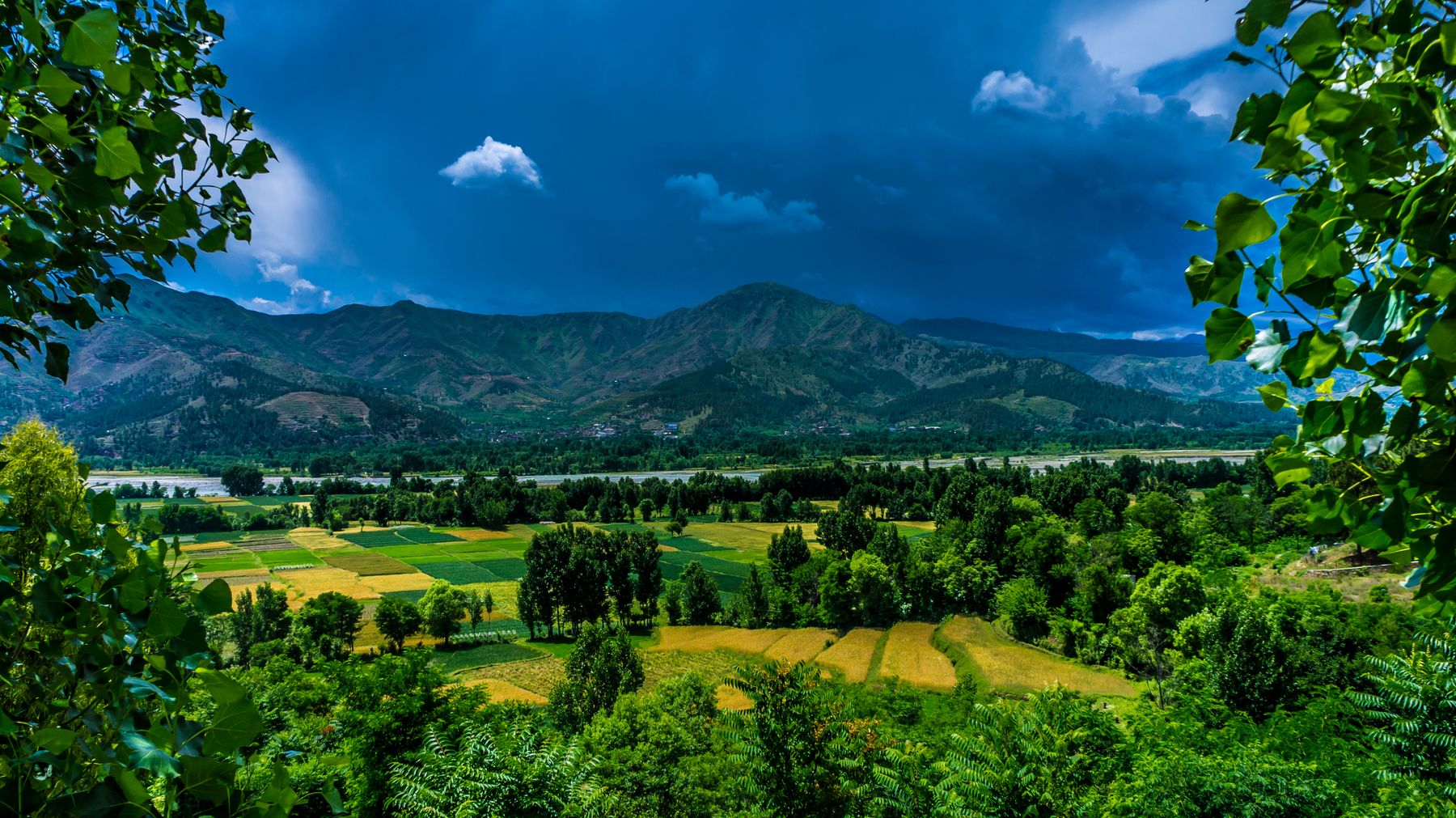
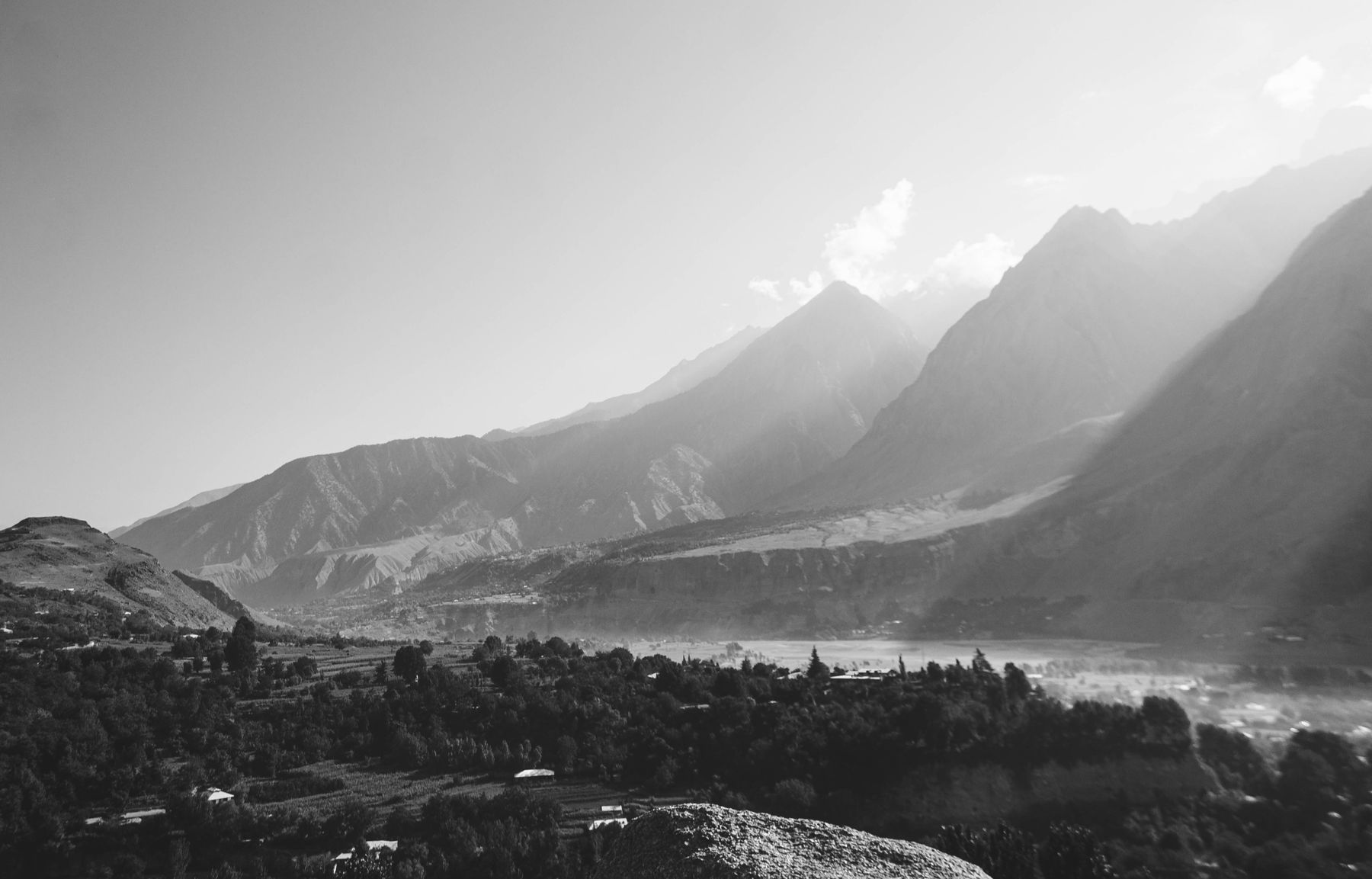
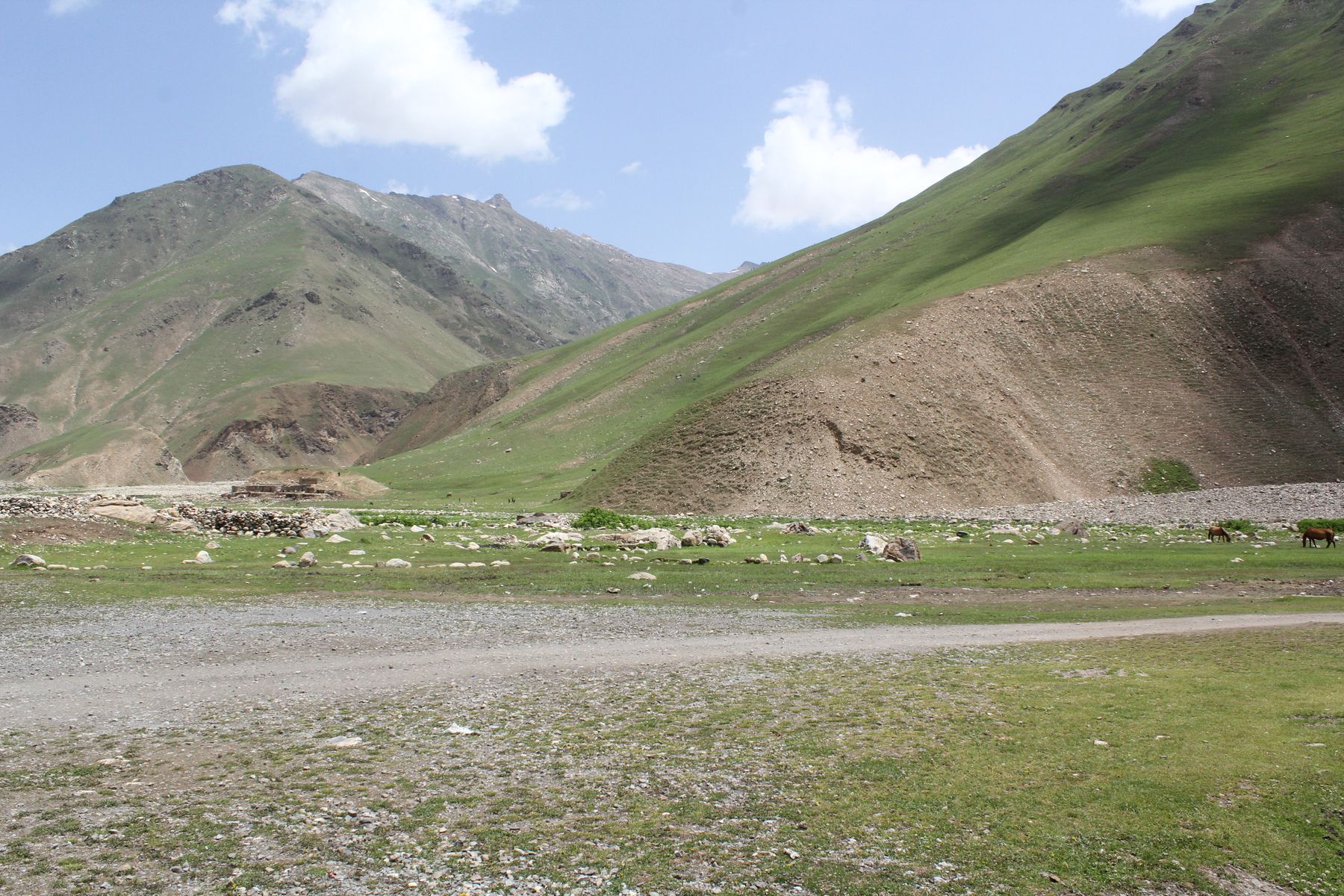
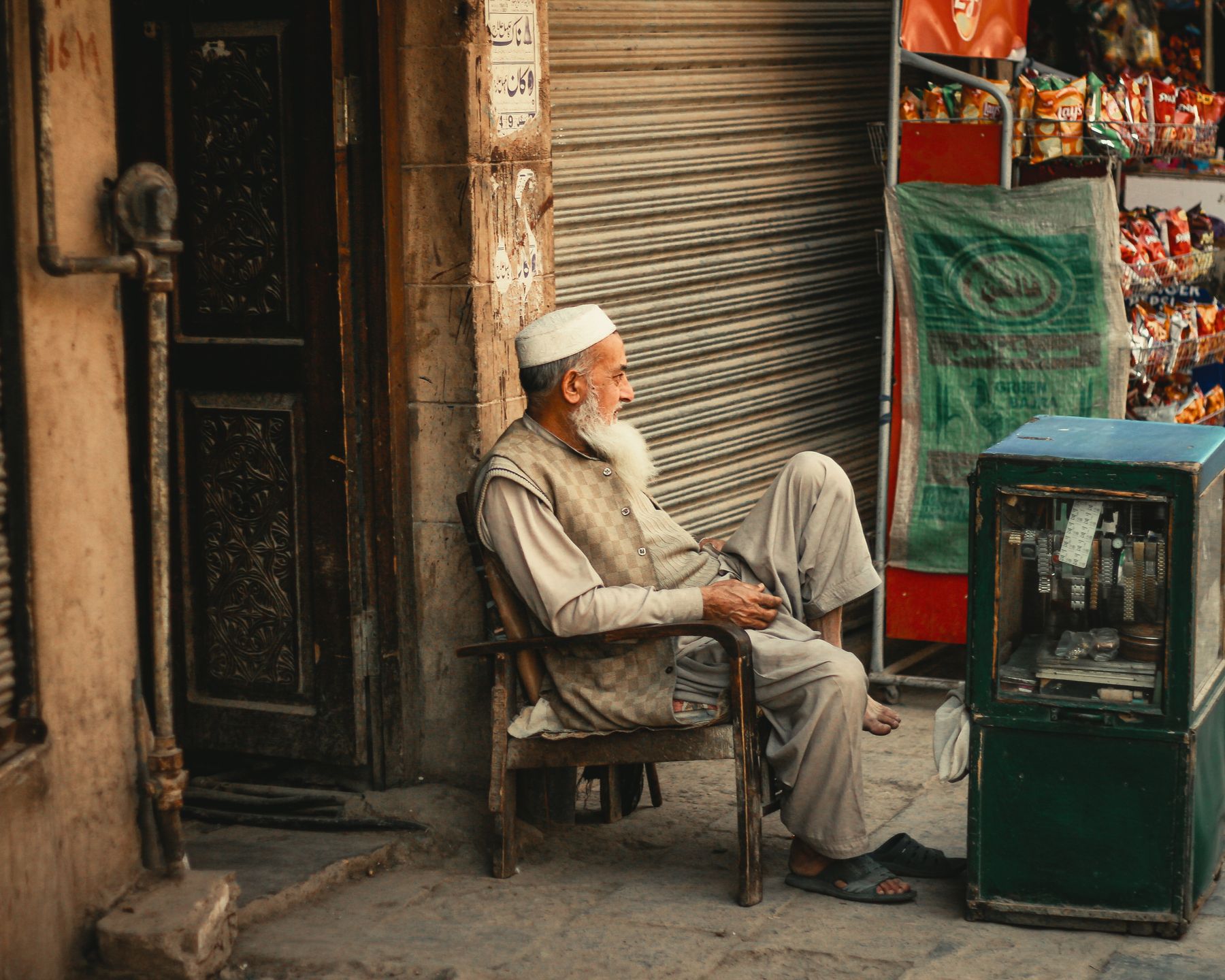
 Photo:
The walled old city
The old city of Peshawar is a dense grid of lanes inside a ring of gates. Several gates survive, including the one named for the Khyber road. Inside, the streets narrow quickly and the bazaars take over. The main covered market streets are grouped by trade, so a single lane may sell only cloth or only brass. Walking is the best way to see it, and a full morning covers the core.
The lanes are busy from mid-morning until evening. Mornings are cooler and quieter, which suits photography and slow walking. Many houses above the shops are carved timber, and some facades keep small balconies. The old city is a working quarter rather than a monument, so expect crowds, handcarts and deliveries through the day.
Bazaars and tea houses
The bazaars run from the gates towards the centre. Cloth, dried fruit, spices and brass are common trades. Small tea houses sit at the corners of the lanes and are good places to pause. Bargaining is normal in the bazaars, and a slow pace is expected.
Museum and Gandharan art
The Peshawar Museum is the main collection in the city and holds a large group of Gandharan sculptures. The pieces come from Buddhist sites across the region and date from the early centuries of the common era. The displays include stone reliefs, coins and manuscripts. A fee is charged for entry, and photography rules vary by gallery.
Allow two hours for the museum. The sculpture gallery is the centrepiece, with friezes showing scenes from the life of the Buddha. Labels are in English and Urdu. The museum sits near the cantonment, so it pairs well with a walk through the wide colonial-era streets nearby.
West towards the Khyber
The road west from Peshawar climbs towards the Khyber Pass. The pass itself lies in the hills near the Afghan border and has been a trade route for centuries. Along the way the road passes forts, checkpoints and small bazaars. The landscape changes quickly from the flat plain to dry, rocky hills.
Access along the Khyber road can change. Some sections may need a permit or an escort, and rules are set by the local authorities. Check current official advice before travelling and carry identification. A drive part of the way west still gives a sense of the country between the city and the hills.
Getting around and timing
Peshawar is a large, spread-out city. The old city and the museum are close enough to link on foot or with short rides. The cantonment and Saddar are further north and best reached by vehicle. Traffic is heavy in the middle of the day, so plan the museum for the morning and the bazaars for late afternoon.
Spring and autumn are the best seasons for walking. Summer heat is strong, and winter mornings can be foggy. Friday is the main prayer day, and some businesses close for part of the afternoon. Keep the two days flexible and leave room for a slow tea break.
Permits and advice
Areas near the border and some districts of Khyber Pakhtunkhwa can require a No Objection Certificate or have travel advisories. Rules change, so check current official advice before going. Carry identification and follow local instructions at checkpoints.
Frequently asked questions
Is two days enough for Peshawar?
Two days cover the old city, the bazaars, the museum and part of the road west. A third day allows more time in the bazaars or a longer drive towards the Khyber Pass. The city is large, so plan short rides between the old city, the museum and the cantonment.
Do you need a permit to visit the Khyber Pass from Peshawar?
Access along the Khyber road can require a permit or an escort, and rules change. Check current official advice before setting out. Carry identification and expect checkpoints. A drive part of the way west still gives a view of the hills and the route towards the border.
When is the best time to visit Peshawar?
Spring and autumn give the most comfortable weather for walking the old city. Summers are very hot and winters can be cold and foggy. Mornings are cooler in every season, which suits the bazaars and the museum before the midday heat.
What should you see first in Peshawar?
Start in the old city at one of the surviving gates and walk the covered bazaars. The museum, with its Gandharan sculpture, is the other main stop and works well on the second morning. The Bala Hisar fort is visible above the old city, though access should be checked.