 Photo:
Visiting Saidpur
What the place is like
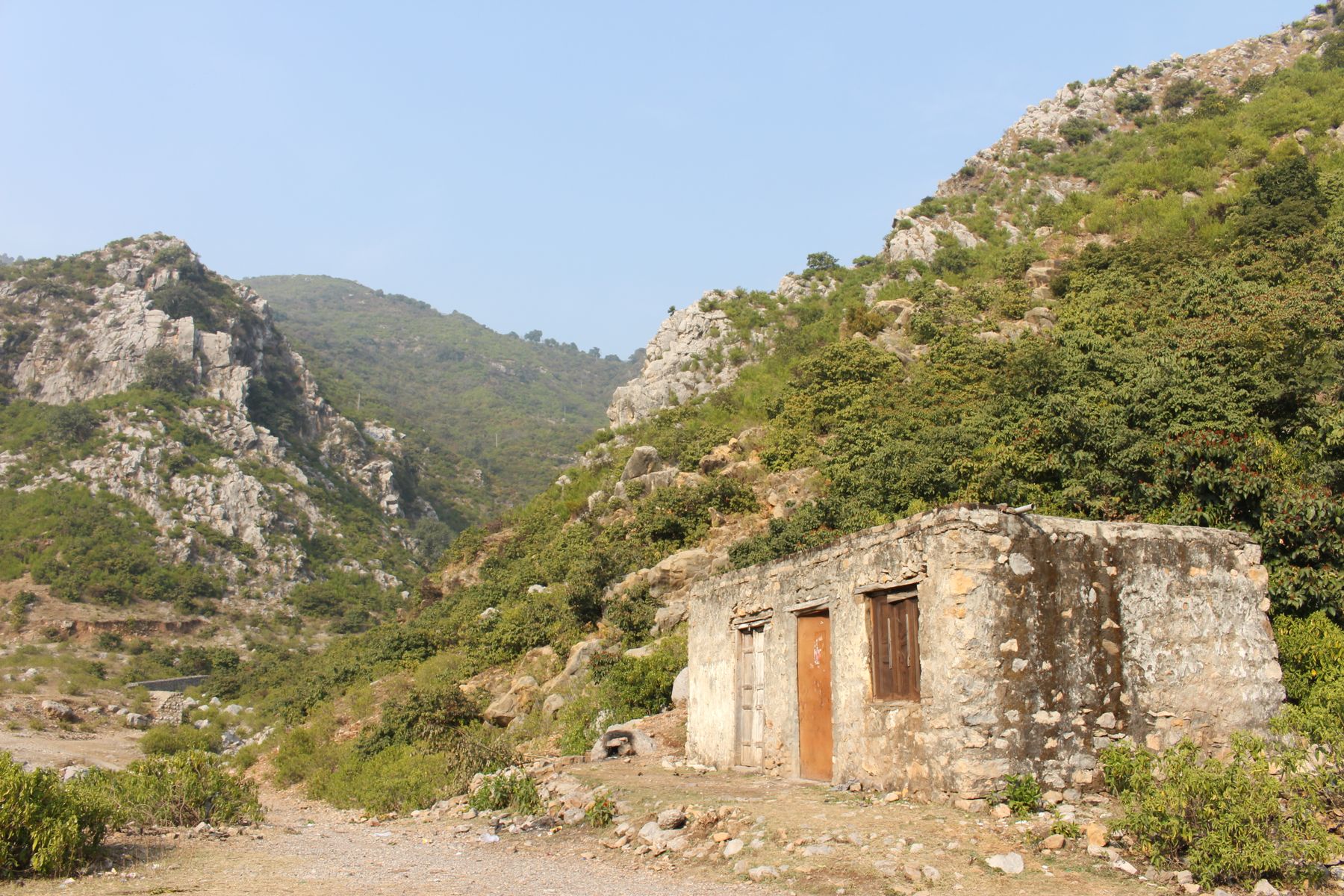
Saidpur is a village that has been partly absorbed by Islamabad but keeps a distinct character. The old core is a cluster of stone buildings and lanes on a slope below the Margalla Hills. The elevation is about 600 metres, so summers are hot but not as severe as the plains, and winters are cool with occasional rain.
The village is known for its restored houses and garden terraces. Some buildings are used as craft workshops and small museums. The surrounding land rises quickly into the Margalla Hills National Park, which gives the area a greener edge than the planned sectors of the city.
The atmosphere is calm on weekdays. At weekends the gardens and lanes draw families and walkers from Islamabad. There are no large hotels in the village itself, and the main visitor facilities are in the city nearby.
The old village
The historic core of Saidpur has narrow lanes and stone walls. Several houses have been restored and are open to visitors. The village is small and can be walked in an hour at an easy pace.
What to see
The main sights are the old village lanes and the garden terraces. The restored buildings show traditional construction and some house small exhibitions. The gardens are laid out on the slope and have paths and seating. A small historic settlement and a spring are part of the village story.
The lower trails of the Margalla Hills National Park start near Saidpur. These are short walks rather than long hikes, and they give views over the city. The trails are marked in places, but it is wise to stay on obvious paths.
Further west, Shah Allah Ditta is an old village with caves and a historic spring. It is a short drive from Saidpur and can be combined with a visit. The site is not heavily developed and has a quiet, rural feel.
Gardens and terraces
The garden areas below the hills are terraced and have paths. They are a good place for a slow walk in the cooler months. Some areas may charge a small fee for entry.
A day or two there
A half day is enough to see the old village and the gardens. Start in the morning, walk the lanes, then take a short trail into the lower hills. In the afternoon, visit Shah Allah Ditta or return to the city for the museum and markets.
With a full day, add a longer walk on the Margalla Hills trails. The trails are best in the cooler months from October to April. Carry water and sun protection, as shade is limited on the upper paths.
If staying overnight, the nearest hotels are in Islamabad, a short drive away. Saidpur itself has no hotel district. Two days allows a slower pace and a chance to see the village at different times of day.
Getting there and around
Saidpur is about 15 to 20 minutes by road from central Islamabad. The route follows the main roads towards the Margalla Hills and then turns into the village. Taxis and ride-hailing services are available in the city and can drop you at the village entrance.
There is no railway station in Saidpur. The nearest major transport hub is in Islamabad. From there, a car or taxi is the simplest way to reach the village. Local buses run on some nearby roads, but services are limited and change.
Within the village, walking is the best way to get around. The lanes are narrow and some paths are steep. A car is useful for reaching Shah Allah Ditta and the trailheads. Parking is available near the garden areas.
On foot
The old village and gardens are small enough to cover on foot. Wear shoes with good grip for the stone lanes and hill paths. Some trails are uneven and can be slippery after rain.
Practical notes
The best months to visit are October to April, when days are mild. May and September are hotter but still manageable. June to August brings the monsoon, with heavy rain and slippery trails. Winter mornings can be cold, especially on the hills.
There are no prices listed here, but some garden areas and restored buildings may charge a small entry fee. Food and drink are available in Islamabad, a short drive away. The village has limited facilities, so carry what you need.
Areas near the Margalla Hills are part of a national park, and some trails may be closed for management or safety reasons. Rules can change, so check current official advice before setting out. For border districts and some other parts of Pakistan, a No Objection Certificate (NOC) may be needed, but this does not apply to Saidpur.
Safety and access
The village and lower trails are generally straightforward. Hill paths can be steep and exposed. In monsoon, avoid narrow ravines. Check weather and trail conditions locally before walking.
Frequently asked questions
Where is Saidpur in Pakistan?
Saidpur is in Islamabad Capital Territory, at the foot of the Margalla Hills. It lies about 600 metres above sea level and is a short drive from central Islamabad. The old village is the main visitor area, with gardens and trails nearby.
What is there to see in Saidpur?
The main sights are the old village lanes, restored stone houses and garden terraces. Short walking trails into the Margalla Hills start nearby. The archaeological site of Shah Allah Ditta is a short drive west and can be visited on the same trip.
When is the best time to visit Saidpur?
October to April is the most comfortable period, with mild days and cool nights. May and September are warmer but still workable. The monsoon months from June to August bring heavy rain, which can make the hill trails slippery and less pleasant.
Do you need a permit to visit Saidpur?
No special permit is normally needed for Saidpur or the lower Margalla Hills trails. Some national park areas may have local rules, and these can change. Check current official advice before going, especially for trails and any restricted zones.