Ajrak, the Sindhi block print
Ajrak is Sindh's resist-printed cloth, dyed in indigo and madder and printed with wooden blocks. Hyderabad remains a centre of its production.
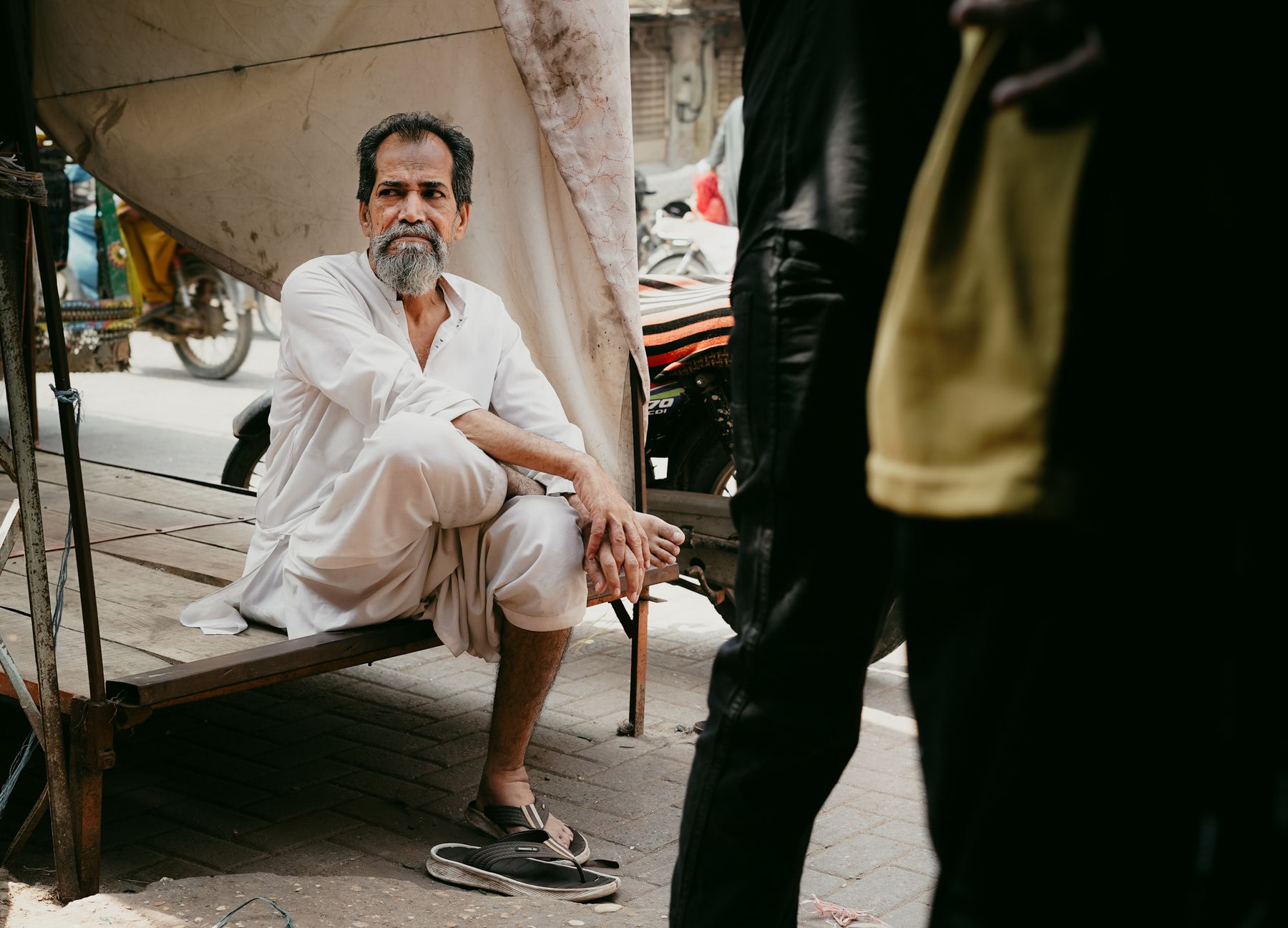 Photo: Shaoor Haider / Pexels
Ajrak is a rectangular cloth printed on both sides with geometric and floral patterns. It is made in Sindh, mainly around Hyderabad, Bhit Shah and Hala. The cloth is dyed with indigo and madder and printed with hand-cut wooden blocks. A finished piece can take weeks to make. Visitors to Hyderabad can see ajrak in the bazaars and in small workshops.
What ajrak is
Ajrak is a shawl-sized cloth, usually cotton, printed with a repeating pattern of stars, flowers and borders. The name is thought to derive from azrak, an Arabic word for blue, referring to the indigo ground. The cloth is worn as a turban, a shoulder wrap or a lungi, and is given as a gift. In Sindh, ajrak is associated with hospitality and with Sufi shrines.
The design is symmetrical and built from a grid of blocks. A typical piece has a deep blue or black ground with madder red, white and sometimes green details. The reverse side shows the same pattern in reverse, because the cloth is printed on both sides. This double-sided printing is one of the features that distinguishes ajrak from other block prints.
Ajrak is made in several qualities. The finest uses fine cotton and many separate blocks. Coarser versions use thicker cloth and fewer colours. The cloth is washed before printing to remove starch, then treated with a mordant so the dye binds. The process is long and relies on skilled hands at each stage.
The printing process
The cloth is first soaked and washed, then treated with a mordant made from alum and other ingredients. This helps the madder red fix to the fibre. The printer then applies the outline blocks, followed by blocks for the red areas and the white resist. Each block is inked on a pad and stamped by hand along a guide line.
After printing, the cloth is dyed in an indigo vat. The areas covered by resist paste stay white or red, while the exposed cloth takes the blue. The cloth is then washed in the river or in tanks to remove the paste and excess dye. This washing also softens the cloth. The final step is drying in the sun, which fixes the colours.
The blocks themselves are made from seasoned wood, often teak or sheesham, and carved by hand. A set of blocks for one ajrak design can include many pieces, each for a different part of the pattern. Blocks are cleaned and stored between print runs. Carving and block-making are separate crafts, and the block carvers are often based in the same towns.
اجرک سنڌ جي سڃاڻپ آهيAjrak is the identity of Sindh. A saying that reflects the cloth's place in Sindhi culture.
Hyderabad and the craft
Hyderabad is the second largest city in Sindh and has a long association with ajrak. The old city, around the bazaars and the fort area, has workshops where printing continues. The cloth is sold in shops in the Shahi Bazaar and in the markets near the Pakka Qila. Some workshops welcome visitors who want to see the printing.
Outside Hyderabad, Bhit Shah and Hala are known for ajrak and for other block-printed cloth. Bhit Shah is the site of the shrine of Shah Abdul Latif Bhittai, and the town has workshops that supply the shrine and the surrounding area. Hala is known for its pottery and for block printing. Both towns are within easy reach of Hyderabad by road.
The craft supports many families in the region. Printing is often done in small workshops attached to homes, with the work divided between washing, printing, dyeing and finishing. The trade has faced competition from machine-printed cloth, but hand-printed ajrak remains in demand for weddings, festivals and as a symbol of Sindhi identity.
What a visitor can see
In Hyderabad, you can see ajrak being printed in workshops in the old city. A visit usually starts with the washing and mordant stages, then moves to the printing tables where the blocks are applied. The indigo dyeing is often done in a yard or a separate room. The smell of the dye and the sound of the blocks are part of the experience.
The bazaars sell finished ajrak in many qualities and colours. You can compare the weight of the cloth, the sharpness of the print and the evenness of the reverse side. Shopkeepers often explain the difference between hand-printed and machine-printed pieces. It is worth asking to see both sides of the cloth before buying.
The surrounding region has other crafts and sights. Hala is known for its blue pottery and for its own block-printing workshops. Bhit Shah has the shrine and a market that sells ajrak and other cloth. The drive between Hyderabad and Bhit Shah passes through agricultural land and small towns, and takes about an hour.
When to go and what to eat
The best time to visit Hyderabad is from November to February, when the weather is cooler and drier. Summer temperatures can be very high, and the monsoon months bring humidity and rain. Printing workshops may be less active during the hottest part of the day, so mornings are a good time to visit.
Sindhi food is part of the trip. In Hyderabad, you can try Sindhi biryani, a spiced rice dish with meat and potatoes, and sai bhaji, a dish of spinach and lentils. Palla fish, a river fish, is a local speciality, often fried or grilled. For dessert, there is sheer khurma, a sweet vermicelli dish made with milk and dates.
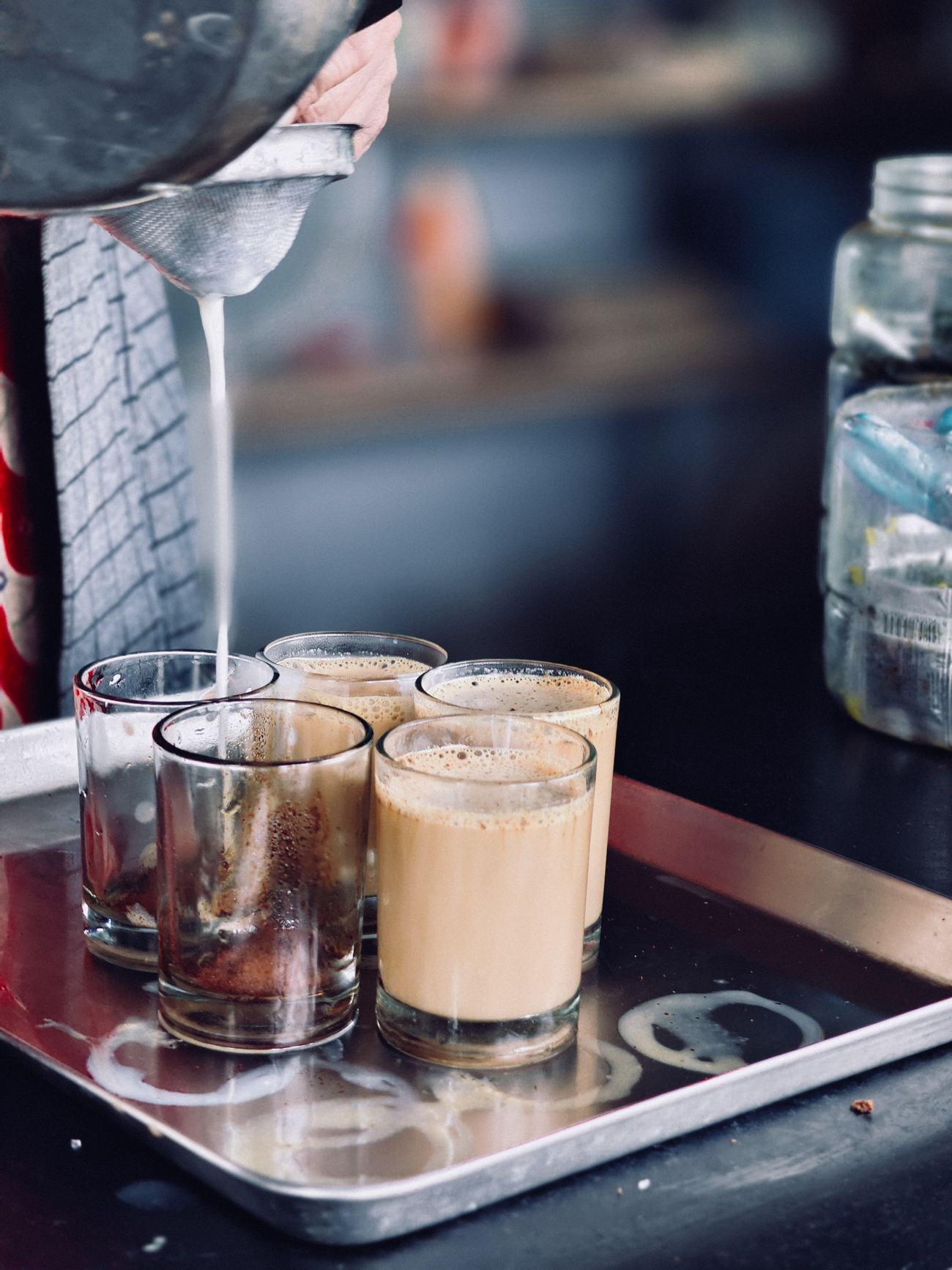
Tea is served everywhere, often with milk and sugar. In the bazaars, you can find fresh juice and snacks. The old city has many small eateries, and the area around the fort is busy in the evenings. Visitors should drink bottled water and eat at places that are busy and clean.
Where to find ajrak
- HyderabadThe old city bazaars and workshops around Shahi Bazaar and Pakka Qila are the main places to see printing and buy cloth.
- Bhit ShahA town near Hyderabad with workshops and a market, close to the shrine of Shah Abdul Latif Bhittai.
- HalaKnown for block printing and blue pottery, with workshops that can be visited on a day trip from Hyderabad.
- KarachiShops in Karachi sell ajrak from Sindh, and the city has its own markets for block-printed cloth.
Frequently asked questions
What is ajrak made of?
Ajrak is usually made of cotton, though silk versions exist. The cloth is treated with a mordant, printed with wooden blocks and dyed, mainly with indigo and madder. The process gives it a characteristic deep blue or black ground with red and white patterns.
Where can I see ajrak being made in Hyderabad?
Workshops in the old city of Hyderabad, around Shahi Bazaar and Pakka Qila, still print ajrak by hand. Some workshops allow visitors to watch the printing and dyeing. It is best to ask before entering, and mornings are usually a good time.
How can I tell hand-printed ajrak from machine-printed?
Hand-printed ajrak shows slight variations in the print and a clear pattern on both sides. The colours may be uneven where the dye has taken differently. Machine-printed cloth is more uniform and often has a printed rather than dyed reverse. Looking at the reverse side is a good test.
Find a stay in Hyderabad
Live prices and availability open in the IMPT app, in a new tab.