Inside the Khewra salt mine
The Khewra Salt Mine in Punjab is one of the world's oldest and largest salt mines. Its vast chambers and salt formations draw visitors from across Pakistan and beyond.
 Photo: mhtoori .com / Pexels
The Khewra Salt Mine lies in the Salt Range near the town of Khewra in Punjab, about 160 kilometres south of Islamabad. It is the second-largest salt mine in the world and a major source of pink Himalayan salt. Visitors can walk through illuminated tunnels and see chambers carved from salt.
History and geology
The salt deposits at Khewra formed hundreds of millions of years ago when a shallow sea evaporated. Tectonic movement pushed the layers upwards, creating the Salt Range. Mining is thought to have begun in the 13th century under the Janjua Rajputs, and later continued under the Mughals and the British. The mine has been worked continuously for centuries.
The main mineral is halite, or rock salt, which is often coloured pink, red, or white by trace minerals. The mine produces large quantities of salt each year, but it also welcomes tourists. The Pakistan Mineral Development Corporation manages the site and runs guided tours.
The mine's history is tied to the region's geology. The Salt Range extends across northern Punjab, and Khewra is its most famous mine. The area is also known for coal and gypsum deposits, but salt remains the main attraction.
The underground chambers
Inside the mine, a network of tunnels and chambers extends for kilometres. Visitors follow a route that passes through large halls where salt has been extracted over centuries. The chambers are cool and dimly lit, with some areas illuminated by coloured lights that highlight the salt's texture.
One of the most striking features is the Pakistan Salt Mosque, built entirely from salt blocks. It serves as a place of prayer and a testament to the miners' craftsmanship. Another highlight is the brine pools, where salt-saturated water reflects the chamber walls.
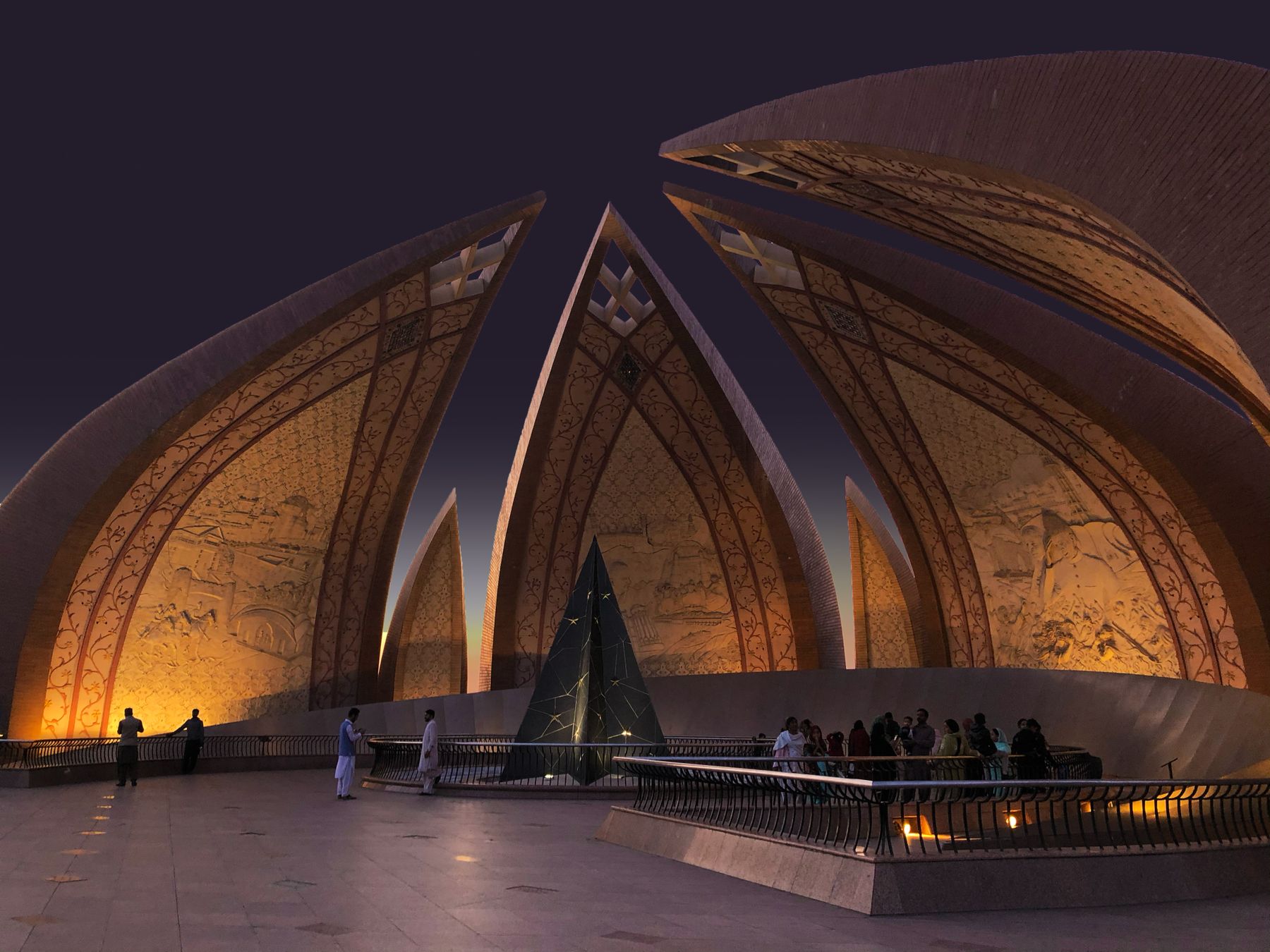
The mine also contains a small museum displaying mining tools and historical photographs. Models of famous landmarks, such as the Minar-e-Pakistan, are carved from salt. These additions give a sense of the mine's scale and its role in local culture.
نمک کا پہاڑMountain of salt. A local name for the Khewra mine, reflecting its massive salt deposits.
What visitors can see
A visit to Khewra Salt Mine typically takes about two hours. The tour begins with a short train ride or a walk through a long tunnel. Along the way, guides explain the mining process and the geological history. The route is mostly flat, but some sections may be uneven.
The mine is cool throughout the year, so a light jacket is useful. Photography is allowed in most areas, though flash may be restricted in some chambers. The salt walls and ceilings create unusual acoustics, and the silence of the deep chambers is notable.
At the end of the tour, visitors can buy salt products and souvenirs at a small shop near the entrance. The mine is a popular day trip from Islamabad and Lahore, and it can be combined with visits to nearby sites such as the Katas Raj Temples.
Taste of the salt
The salt from Khewra is used in cooking across Pakistan. It is often sold as pink salt, which has a mild flavour and is rich in minerals. Visitors can taste the salt in local dishes, such as grilled meats and lentil curries, where it adds a subtle earthiness.
In the towns around the mine, small eateries serve simple meals. The salt is also used to make salt lamps and cooking plates, which are popular souvenirs. Some local restaurants offer salt-baked fish or chicken, a speciality that highlights the mineral's culinary use.
The mine's salt is exported worldwide, but seeing it in its raw form is a different experience. The chunks of pink salt on display in the mine show the natural beauty of the mineral before it is processed.
Practical information
The Khewra Salt Mine is open to visitors daily, though hours may vary by season. A fee is charged for entry and for the train ride. It is advisable to check current timings before travelling, as the mine occasionally closes for maintenance.
The mine is about a three-hour drive from Islamabad via the M2 motorway and the Salt Range road. From Lahore, it is roughly four hours. Public transport is available to Khewra town, from where local transport can be taken to the mine.
The area near the Line of Control in Azad Kashmir and parts of Balochistan may require a No Objection Certificate (NOC) for travel. Rules change, so check current official advice before planning a trip. The mine itself is in Punjab and does not require special permits for most visitors.
Nearby places to visit
- Katas Raj TemplesA complex of ancient Hindu temples with sacred ponds, about 30 kilometres from Khewra.
- Khewra townThe small town at the mine's entrance, with basic amenities and local eateries.
- Salt RangeThe geological formation stretching across northern Punjab, known for its salt mines and scenic views.
- IslamabadThe capital city, about 160 kilometres north, serving as a common starting point for day trips.
Frequently asked questions
How long does a tour of Khewra Salt Mine take?
A typical tour lasts about two hours, including a train ride or walk through the tunnels and a visit to the main chambers. Guides explain the mining process and geology. The route is mostly flat, but some areas may be uneven.
Is photography allowed inside Khewra Salt Mine?
Photography is generally allowed in most areas of the mine, but flash may be restricted in certain chambers to protect the site. Visitors should follow any instructions from guides or signs on site.
What is the best time to visit Khewra Salt Mine?
The mine is open year-round and maintains a cool temperature inside. The best time to visit is during the cooler months from October to March, when the journey to and from the mine is more comfortable. Avoid the hottest summer months if travelling by road.
Find a stay in Islamabad
Live prices and availability open in the IMPT app, in a new tab.