 Photo: Dr Photographer / Pexels
Deosai plains by jeep
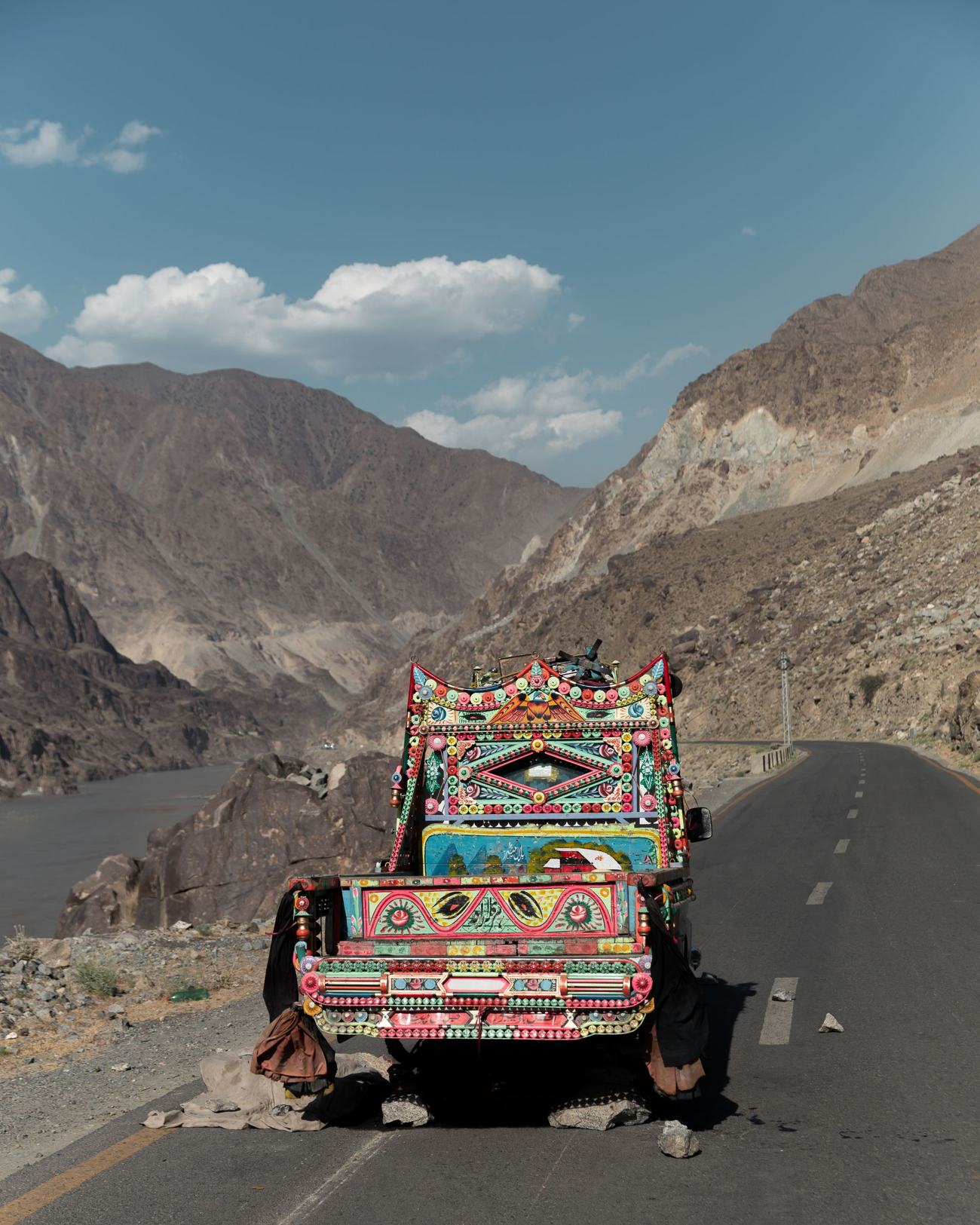
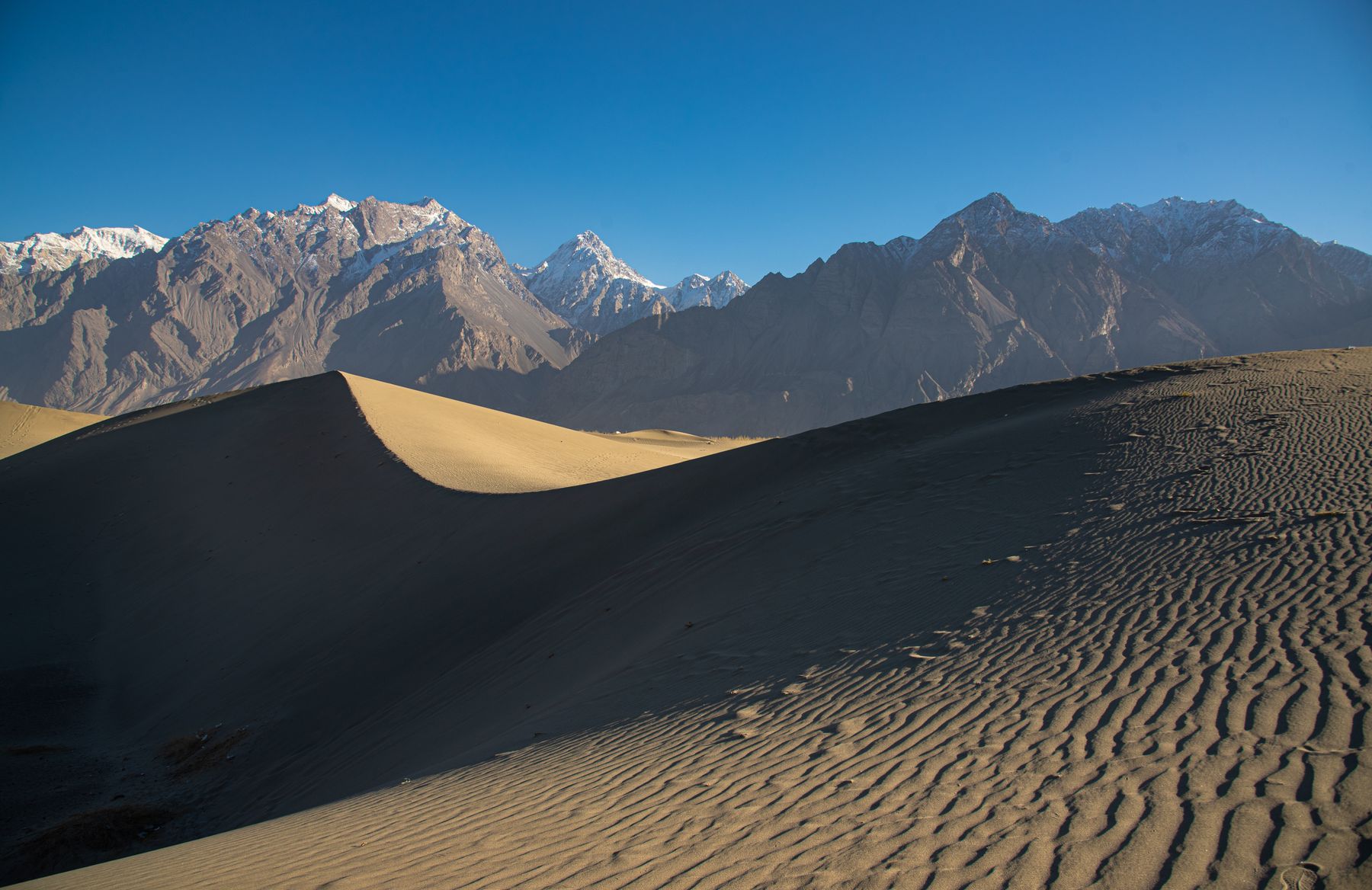
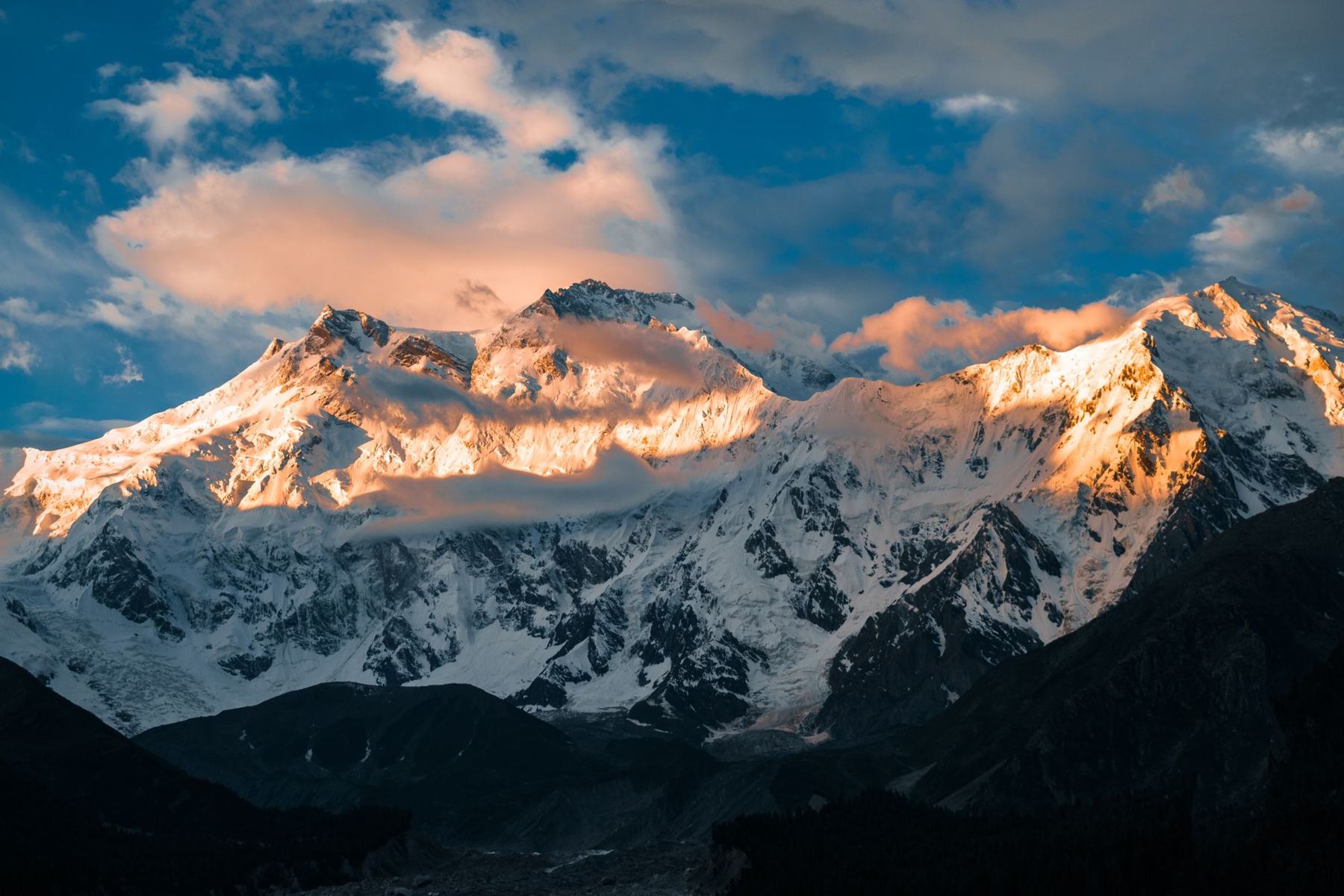
The Deosai Plains form a high plateau in Gilgit-Baltistan, south of Skardu. A jeep crossing takes you across open grassland and slow river bends in a single long day.
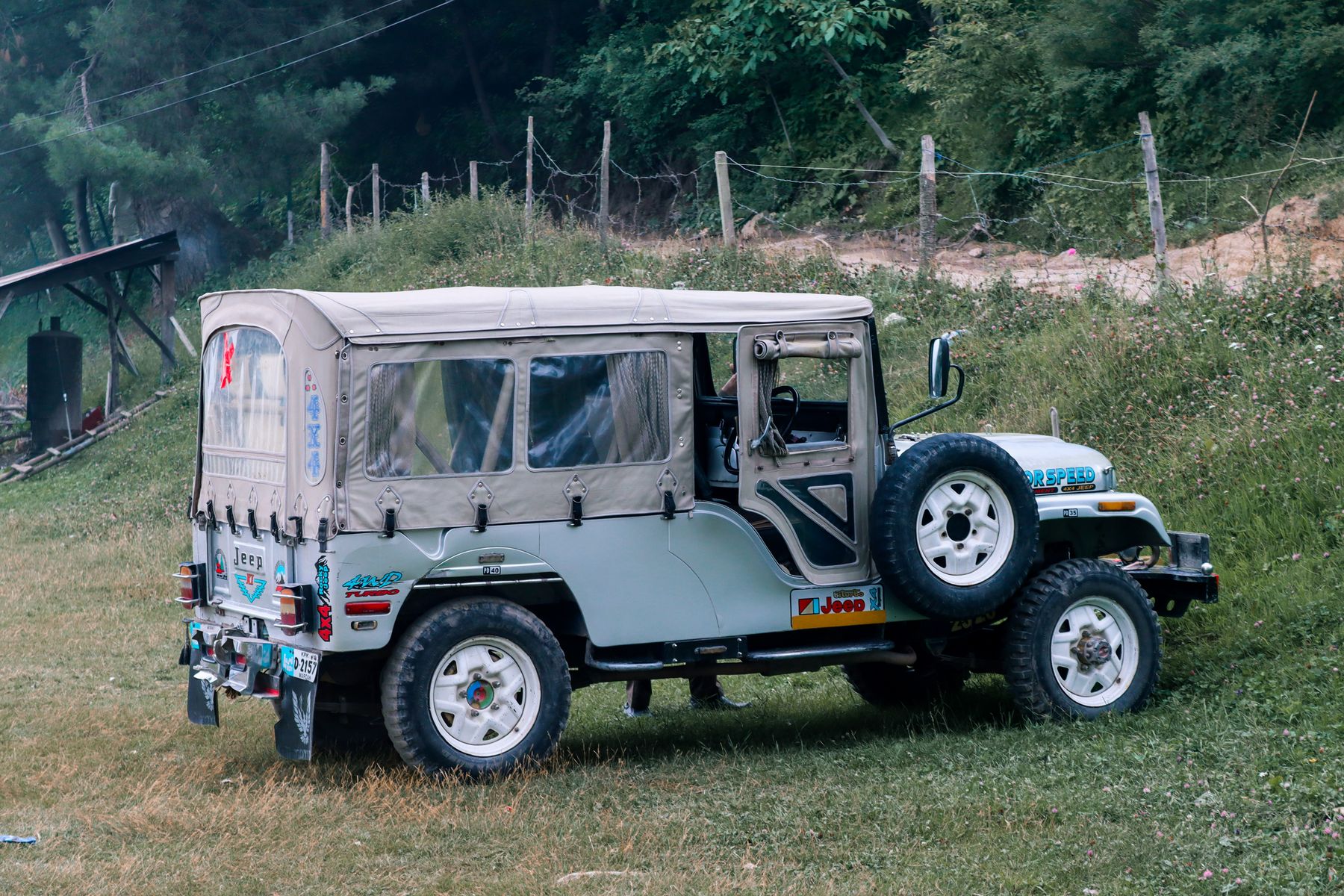
Deosai sits above the tree line, so the landscape is mostly low grass, rock and water. The road is rough and unsealed in places, and a jeep is the usual vehicle. Most travellers cross in one day from Skardu towards Astore, or make a shorter out-and-back trip. Weather changes quickly, so start early and keep plans flexible.
How the crossing goes
- Early morningLeave SkarduSet off before sunrise from Skardu. The first stretch follows the valley road south before turning onto the plateau track.
- Mid-morningClimb to the plateauThe track climbs through side valleys. The gradient is steady and the surface is loose in places, so progress is slow.
- MiddayCross the plainsThe route opens onto wide grassland. Stop for short walks and photographs, keeping to firm ground near the track.
- AfternoonReach Sheosar LakeSheosar Lake is a common turning point or rest stop. The water is cold and the shoreline can be soft after rain.
- Late afternoonDescend to AstoreIf continuing west, the track drops towards Astore. The descent is long and dusty, with fewer settlements.
What to bring
- Warm layers, a windproof jacket and a hat for sun and cold
- Sun cream, sunglasses and lip balm for the high altitude
- Drinking water and food for the day, as there are no shops on the plateau
- A basic first-aid kit and any personal medication
- Cash for a jeep and driver, agreed locally before departure
Know before you go
- The plateau is above 4,000 metres on average, so take the climb slowly and watch for headache or nausea.
- Access is usually possible from June to September; snow can close the track outside these months.
- There are no fuel stations or reliable phone signal on the plateau, so arrange both before leaving.
- A local driver with plateau experience is usual; travellers normally hire a jeep and driver in Skardu or Astore.
- Rules on access and permits can change; check current official advice before setting out.
Where it starts
Most trips start in Skardu, where jeeps and drivers can be arranged locally. The route leaves the Skardu valley and climbs south onto the plateau. From Astore, the approach is from the west. Both approaches are rough tracks.
What the plateau is like
Deosai is a high, open plateau that stretches across part of Gilgit-Baltistan between the Skardu and Astore valleys. The average elevation is over 4,000 metres, so the air is thin and the weather can change within an hour. In summer the ground is covered with short grass and small wildflowers. Streams cut through the grassland, and the track fords some of them.
The plateau is known for its brown bear population, though sightings are uncommon and the animals avoid the road. Marmots are more visible, and birds of prey are often seen overhead. The openness means you can see weather systems approaching from a distance, which helps with planning the day.
Sheosar Lake
Sheosar Lake lies near the western side of the plateau and is a usual stop on a crossing. The lake is shallow and cold, set among low hills. The ground around the shore can be boggy after rain, so keep to the track and avoid walking on soft edges.
Routes and driving
The most common route runs from Skardu south onto the plateau and then west towards Astore. This is a full day of driving, with slow sections on loose stone and dirt. A shorter option is an out-and-back trip from Skardu to a viewpoint or to Sheosar Lake, returning the same way. Both need a jeep and a driver familiar with the track.
The track is not a highway. It is narrow in places, with blind bends and unmarked edges. River crossings are usually shallow in summer but can rise after heavy rain. Drivers often stop to check the depth before fording. Travelling in a small group with more than one vehicle is common practice.
Planning and safety
The season for a jeep crossing is usually June to September, when the snow has cleared. Outside these months the track may be closed or impassable. Even in summer, snow can fall on the plateau, so carry warm layers and be ready to turn back. Start early to allow time for slow driving and stops.
Altitude is the main concern. The plateau is high enough to cause symptoms in people who have come up quickly from lower valleys. Spend a night in Skardu or Astore before the crossing if possible, drink water and avoid rushing. If symptoms such as severe headache or breathlessness occur, descend.
Access rules and permits can change. Parts of Gilgit-Baltistan and routes near administrative boundaries may require a No Objection Certificate (NOC). Check current official advice before travelling and carry identification. Mobile signal is limited, so tell someone your plan before leaving.
Frequently asked questions
What is the best time to cross the Deosai Plains by jeep?
The usual season is June to September, when snow has cleared from the track. July and August are warmer but can bring rain and soft ground. Even in summer, weather can change quickly, so check conditions locally before setting out.
Do you need a guide for a jeep trip on the Deosai Plains?
A guide is not compulsory, but travellers usually hire a local driver who knows the track. The route is unmarked in places and river crossings can be tricky. A driver with plateau experience is the normal arrangement.
How long does the Deosai Plains jeep crossing take?
A full crossing from Skardu to Astore takes most of a day, with slow driving and stops. A shorter out-and-back trip from Skardu to Sheosar Lake can be done in a long half day, but most people allow a full day.
Can you stay overnight on the Deosai Plains?
There is no formal accommodation on the plateau. Most travellers stay in Skardu or Astore before or after the crossing. Camping is possible in some areas but requires preparation for cold and changeable weather.
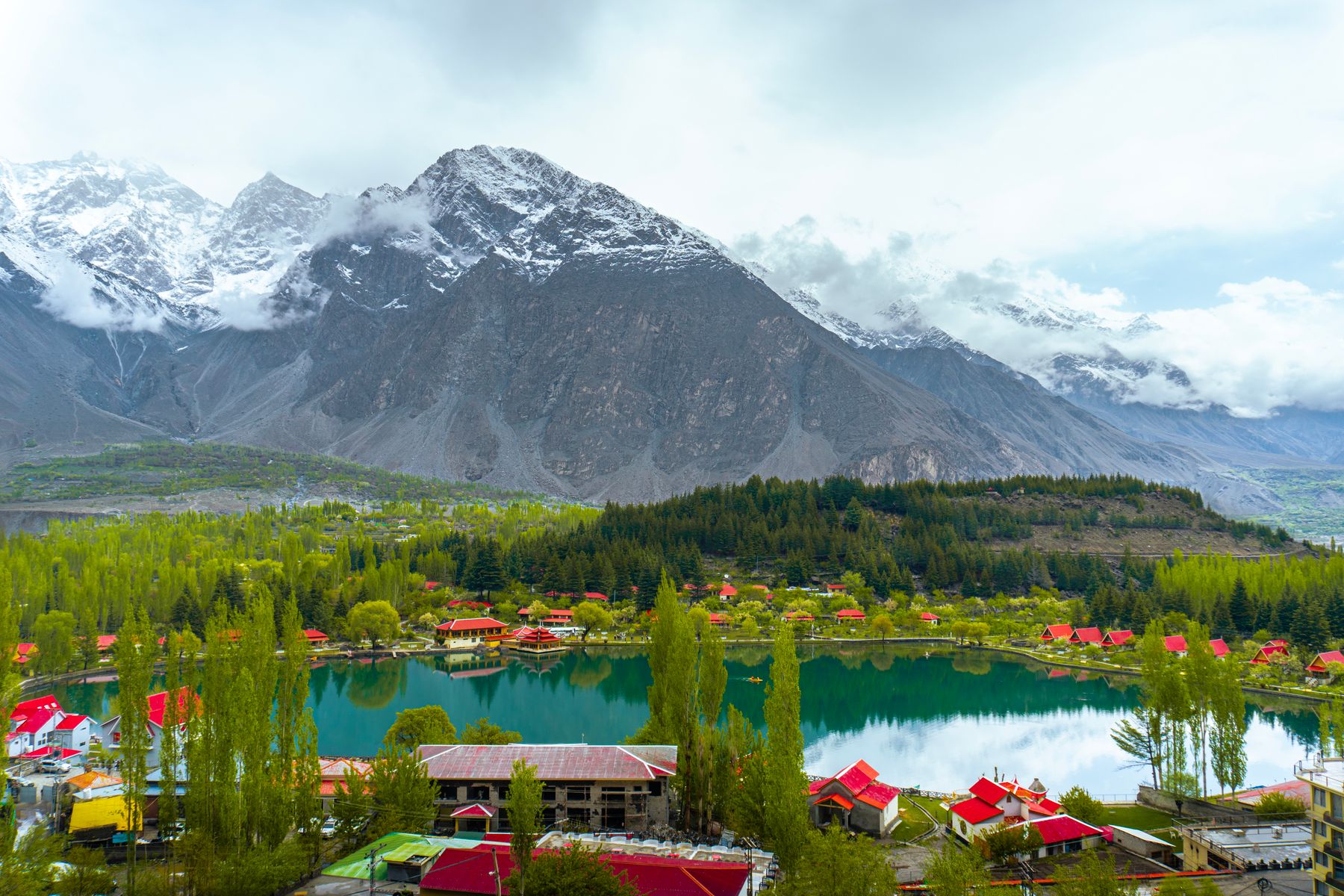 Photo: Arif Esapzai / Pexels
Staying near the plains
There is no formal accommodation on the plateau. Most travellers stay in Skardu or Astore before or after the crossing.