 Photo: maaz kalia / Pexels
Fairy Meadows, two days
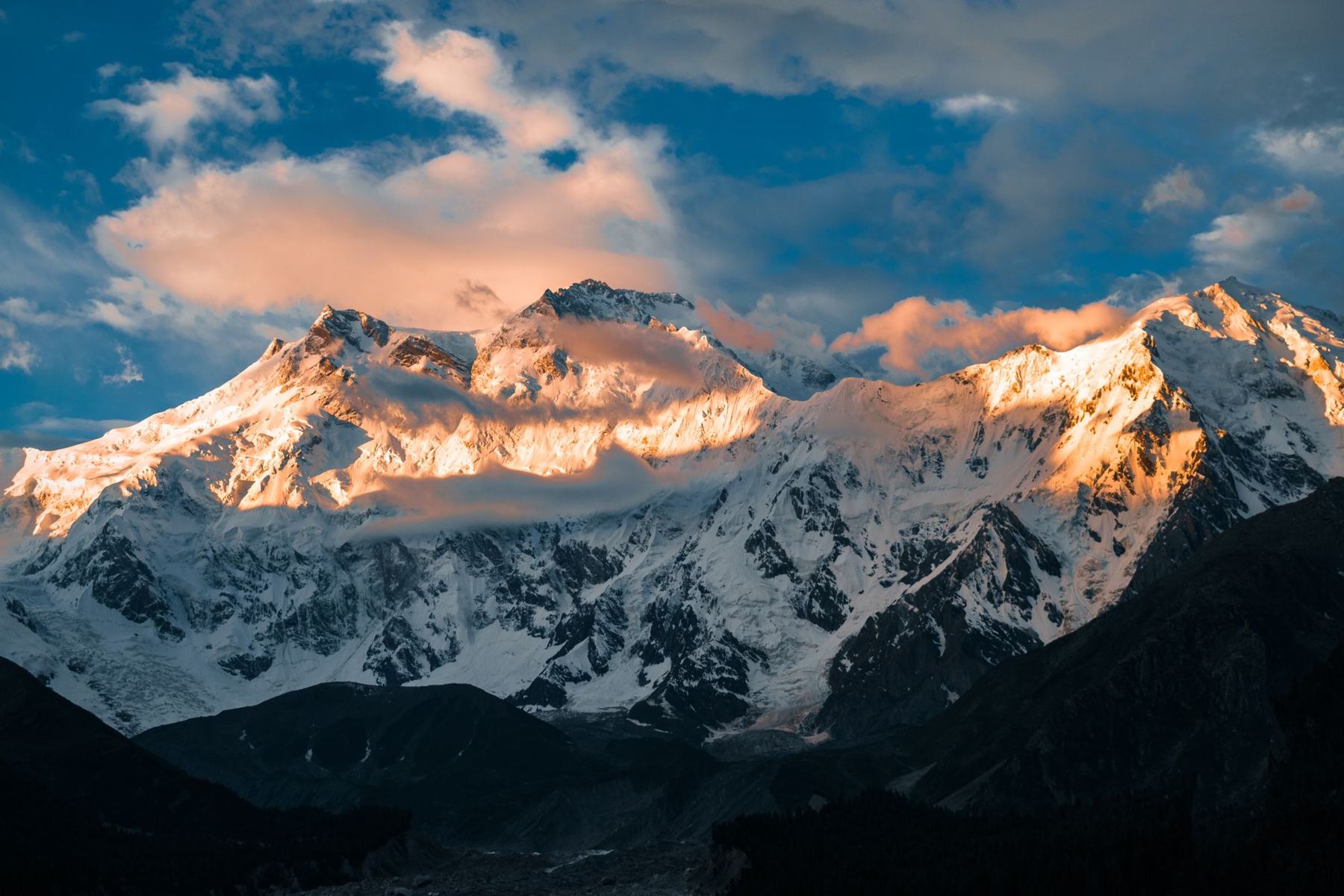
Fairy Meadows is a grassy clearing at about 3,300 m on the north side of Nanga Parbat, 8,126 m. There is no road to it. A rough jeep track from Raikot Bridge and a walk of a few hours bring you to the cabins.
The trip starts on the Karakoram Highway at Raikot Bridge, about 1 hour 30 minutes from Chilas and 2 hours from Gilgit. A local jeep carries you up a narrow track to Tato, where the walking begins. The path climbs through pine and birch to the meadow. Most people stay one night and walk to the Beyal viewpoint on the second morning.
How the two days go
- Day 1, morningRaikot Bridge to TatoMeet a local jeep at the bridge. The track is steep and narrow in places. The ride to Tato takes about an hour.
- Day 1, middayWalk to the meadowFrom Tato a path climbs through forest to Fairy Meadows. The walk takes two to three hours at an easy pace. Porters or ponies can carry bags.
- Day 1, eveningSettle into a cabinLog cabins and simple guest houses stand at the edge of the meadow. The evening is cool. Nanga Parbat is in view from the open ground.
- Day 2, morningBeyal viewpointA path continues beyond the meadow to Beyal, a smaller meadow with a close view of the mountain. The walk takes about an hour each way.
- Day 2, afternoonReturn to the bridgeWalk back down to Tato and take a jeep to Raikot Bridge. Allow time to reach Chilas or Gilgit before dark.
What to bring
- Warm layer and a waterproof shell
- Sturdy walking shoes
- Head torch and spare batteries
- Cash for the jeep, porters and cabin
- Water bottle and snacks
- Sun hat and sunscreen
Know before you go
- A local guide is usually hired at Raikot Bridge or Tato for the walk.
- The jeep track is rough and may be closed by weather; check conditions locally.
- Cabins are basic; bring a sleeping sheet if you prefer.
- Mobile signal is limited beyond the bridge.
- The season runs from June to September; nights are cold even in summer.
Where it starts
The trip starts at Raikot Bridge on the Karakoram Highway, about 1 hour 30 minutes from Chilas and 2 hours from Gilgit. Buses and vans on the highway stop at the bridge. From there, a local jeep goes to Tato.
Getting to Fairy Meadows
Fairy Meadows lies on the north side of Nanga Parbat, in Gilgit-Baltistan. The nearest road point is Raikot Bridge on the Karakoram Highway. From Chilas the drive takes about 1 hour 30 minutes; from Gilgit about 2 hours. Buses and vans on the highway stop at the bridge. There is no road beyond the bridge for public vehicles.
From Raikot Bridge a rough jeep track climbs to Tato, a small settlement on the valley floor. Local jeeps make the trip. The track is narrow and steep in places, and may be closed by landslides or weather. From Tato a walking path climbs through pine and birch forest to Fairy Meadows. The walk takes two to three hours at an easy pace. Porters and ponies can be hired at Tato to carry bags.
The jeep track
The track from Raikot Bridge to Tato is about 16 km and climbs steadily. It is not paved. Local drivers know the conditions. The ride takes about an hour. In early season or after rain, check that the track is open before setting out.
The walk to the meadow
The path from Tato to Fairy Meadows is well worn and easy to follow. It gains about 700 m over two to three hours. The gradient is steady rather than steep. The route passes through forest with views opening towards the mountain. Horses and porters use the same path.
Fairy Meadows itself is a flat clearing of grass at about 3,300 m. Log cabins and simple guest houses are spread along its edge. The meadow is the base for views of Nanga Parbat and for walks to Beyal and beyond. There is no village as such, just the cabins and the people who run them.
Beyal viewpoint
A path continues beyond Fairy Meadows to Beyal, a smaller meadow about an hour away. From Beyal the face of Nanga Parbat is close and clear. The walk is gentle and can be done in the morning before the return to Tato.
When to go and what to expect
The season for Fairy Meadows runs from June to September. In June the track may still be affected by snowmelt, and in September nights turn cold. July and August are the warmest months, but also the busiest. Afternoon cloud often hides the mountain; mornings are usually clearer.
Nights are cold even in summer. Cabins have basic bedding, but a warm layer and a sleeping sheet are useful. There is no town nearby, so bring cash for the jeep, porters and any extras. Mobile signal is limited beyond Raikot Bridge. The area is remote and services are simple.
Weather and closures
The jeep track and the walking path can be affected by rain and landslides. Rules and conditions change; check current official advice and local reports before travelling. In case of closure, alternative dates or routes may be needed.
Frequently asked questions
Do you need a guide for the Fairy Meadows walk?
A guide is not compulsory, but the path from Tato is easier to follow with local knowledge. Travellers usually hire a guide at Raikot Bridge or Tato. Porters and ponies for bags can also be arranged there. Rules can change, so check current advice before going.
How long is the walk from Tato to Fairy Meadows?
The walk from Tato to Fairy Meadows takes about two to three hours at an easy pace. The path climbs steadily through forest and gains roughly 700 m. Ponies and porters can carry bags if needed. The return takes less time.
What is the best time to visit Fairy Meadows?
The season runs from June to September. July and August are warmest but busiest. Mornings are usually clearer for views of Nanga Parbat. Nights are cold even in summer. The jeep track may be closed by weather outside these months.
Is there accommodation at Fairy Meadows?
There are basic log cabins and guest houses at Fairy Meadows, usually with simple bedding and shared facilities. A warm layer and a sleeping sheet are useful. No town is nearby, so bring cash for the jeep, porters and any extras. Mobile signal is limited.
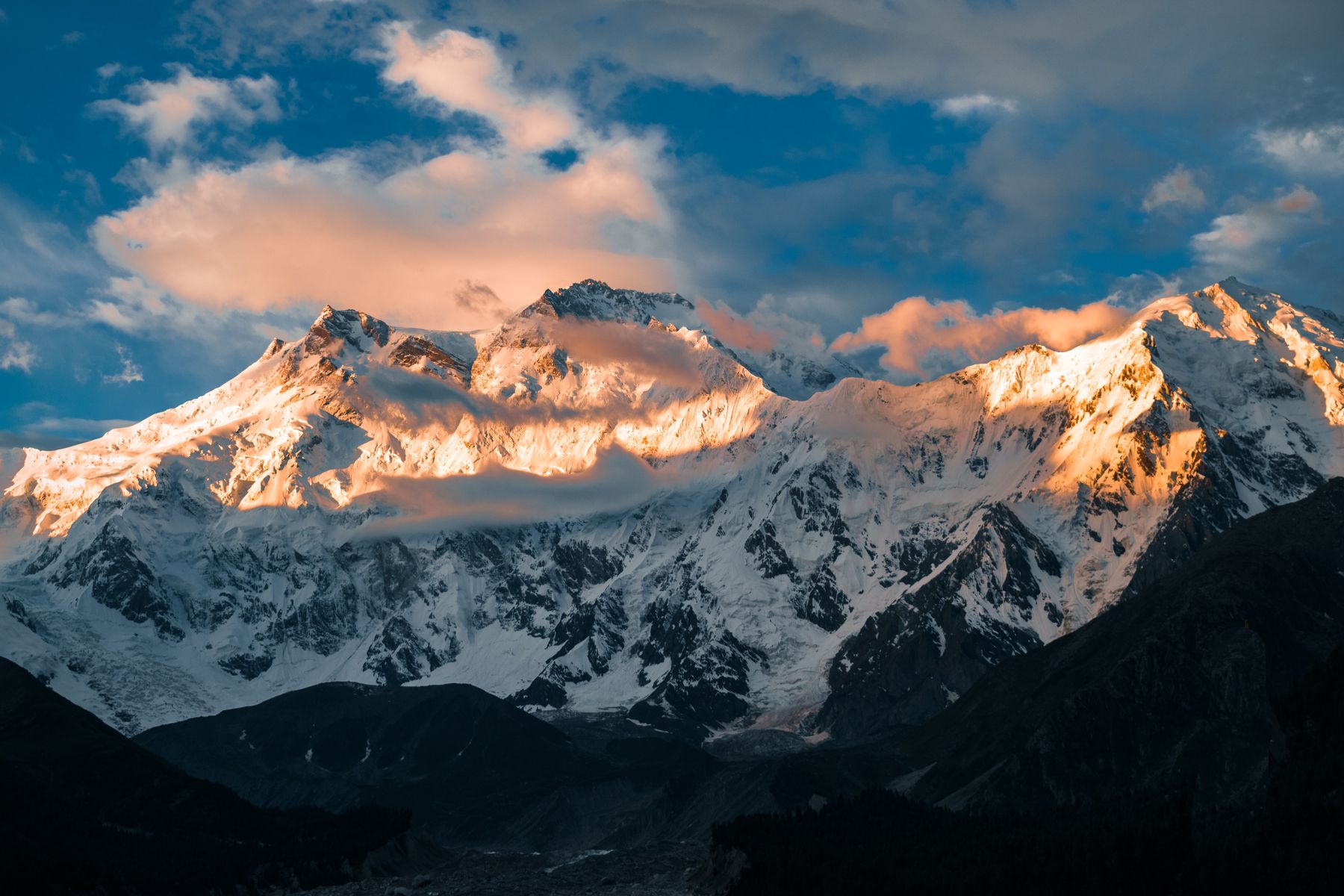 Photo: maaz kalia / Pexels
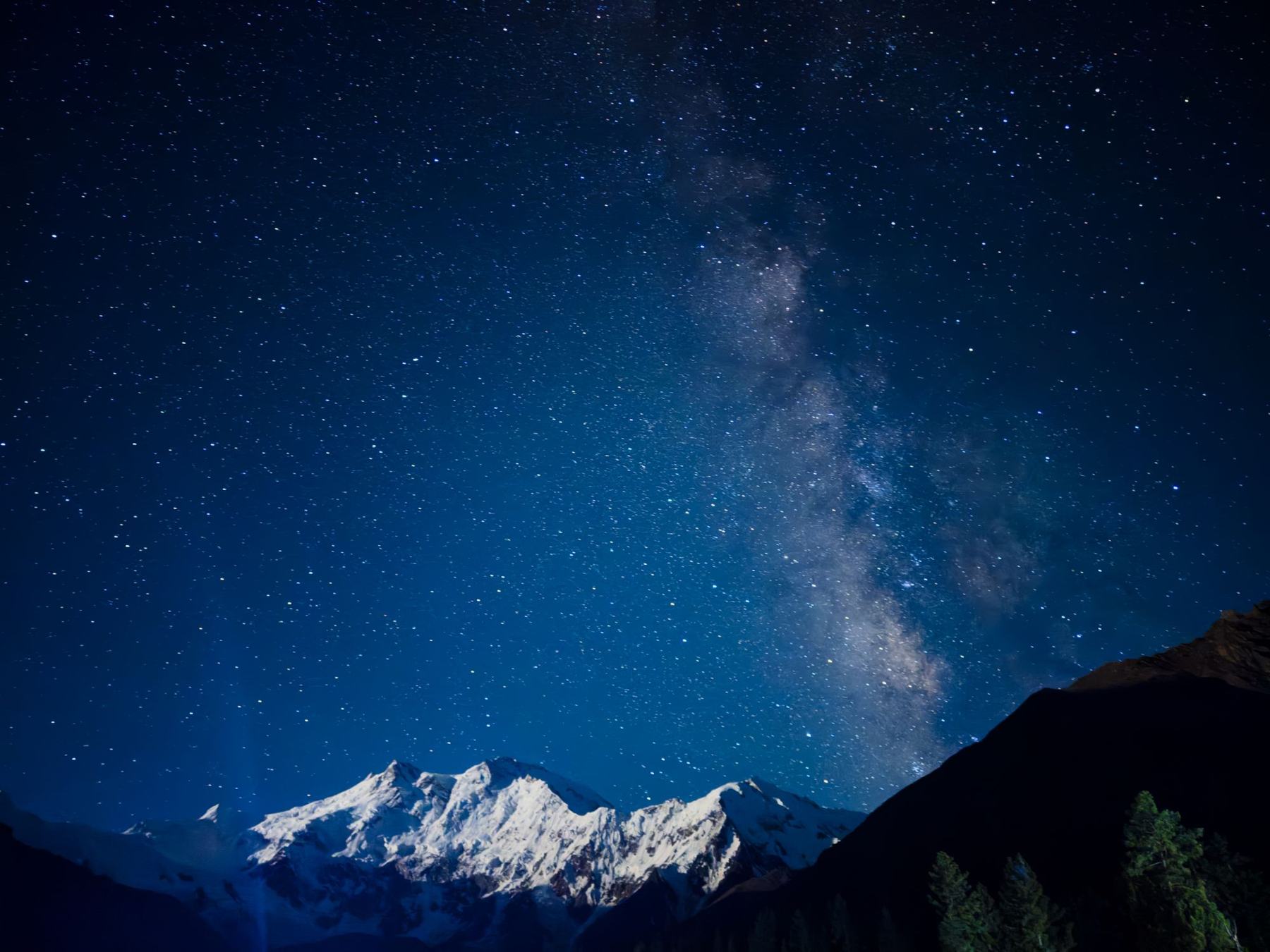
The night is half the trip
No town lights for 30 km. Bring a warm layer and stay up past ten for the stars.