 Photo: Amjad Kamboh / Pexels
Passu Cones and the suspension bridges
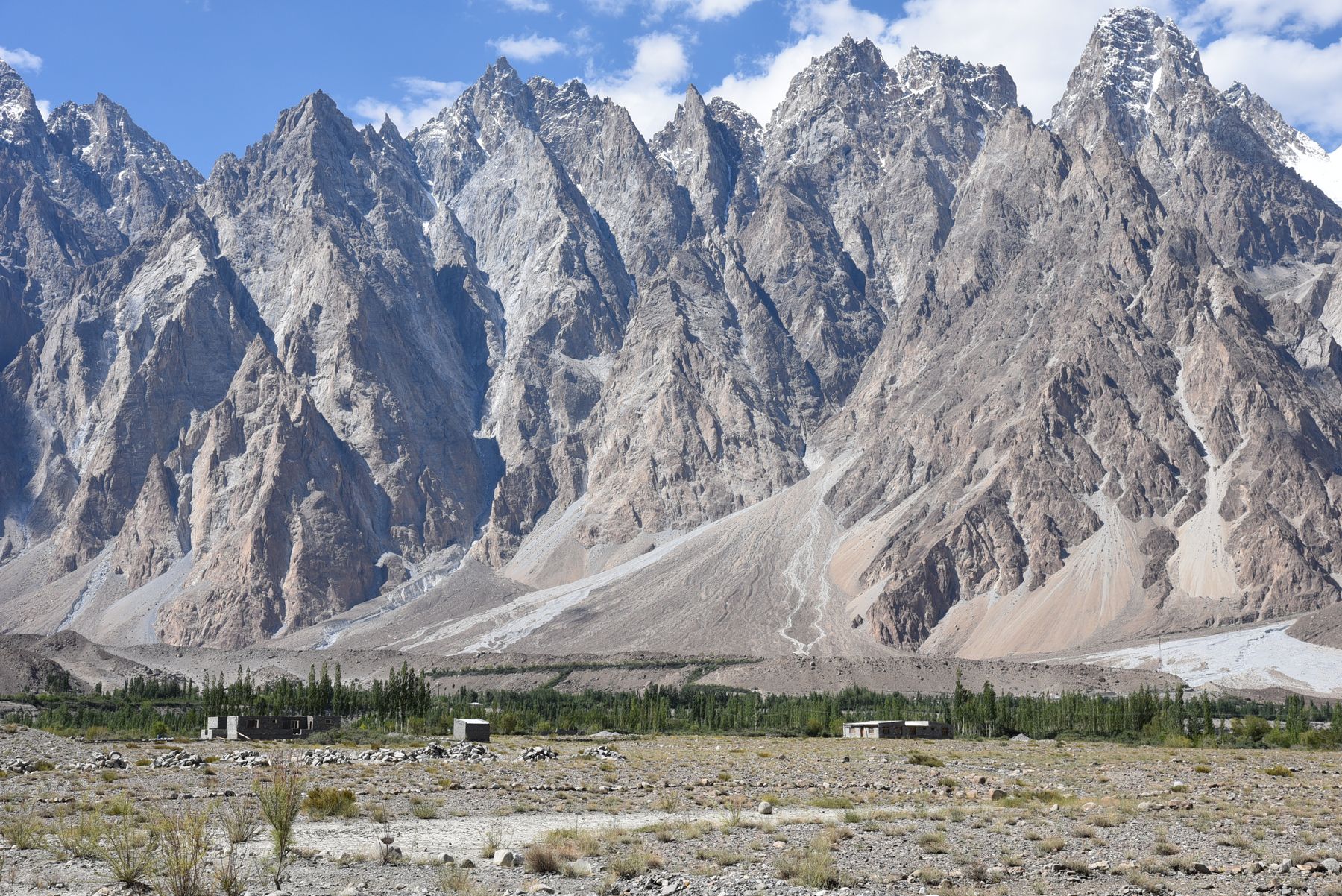
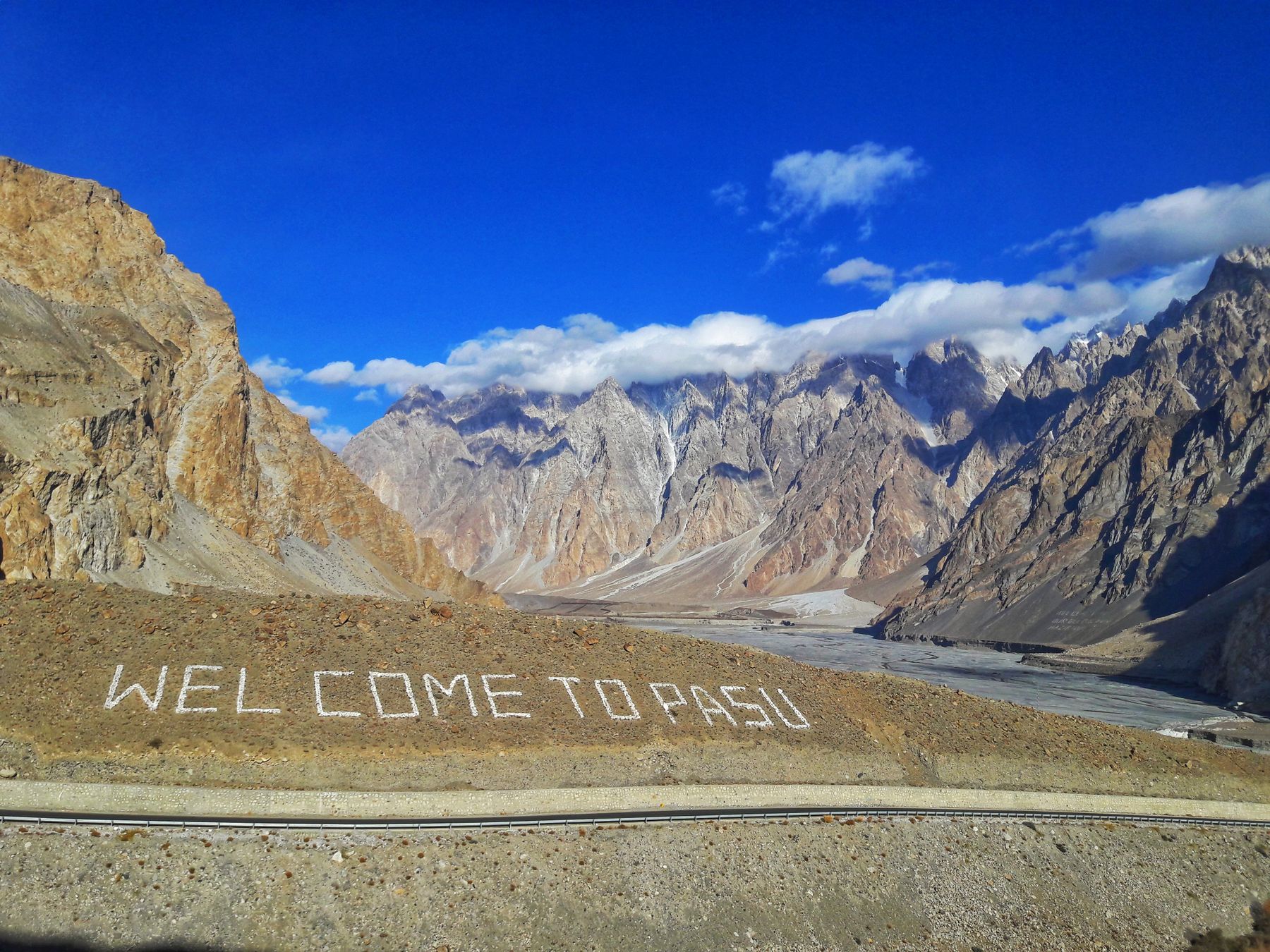
The Passu Cones rise above the Hunza River as a row of sharp, pale peaks. Below them, narrow suspension bridges cross the water between the villages and terraces of the upper valley.
This is a half-day walk rather than a summit route. It follows village tracks and riverbank paths between Passu and the bridges downstream, with the cones in view for most of the way. The ground is rough in places and the bridges move underfoot. Most travellers walk it with a local guide who knows which crossings are in use.
How the walk goes
- MorningStart in PassuSet off from the village on the track towards the river. The cones stand directly above the terraces and orchards.
- First hourDown to the riverThe path drops through apricot and walnut trees to the bank. Loose stone and irrigation channels need care.
- MiddayCross the bridgeThe old suspension bridge sways over the Hunza River. Cross one at a time and keep hands free.
- AfternoonReturn by the terracesClimb back through the fields above the far bank, then follow the track to the road and Passu.
What to bring
- Boots with grip for loose stone and riverbank paths
- A light jacket, as wind picks up along the river
- Water and a packed lunch, as little is available on the route
- Sun hat and high-factor sun cream for the open sections
Know before you go
- The walk is not marked throughout. A local guide is usual for the bridge crossings.
- Suspension bridges here are old and narrow. Cross alone and check planks before stepping on.
- The Karakoram Highway runs through Passu, so the village is easy to reach by road from Hunza.
- Snow and meltwater can raise the river in July and August. Ask locally before crossing.
- Mobile coverage is patchy along the riverbank below the village.
Where it starts
The walk begins in Passu village, on the Karakoram Highway between Gulmit and Sost in upper Hunza. Buses and vans on the highway stop at Passu. From the village, tracks lead down to the river and the bridges.
The Passu Cones
The Passu Cones are a line of jagged peaks on the north side of the Hunza River, close to the village of Passu. Their fluted rock faces give them a distinctive shape, and they are visible from much of the upper valley. The highest points stand well above the village, though the exact height is often quoted differently in local sources.
The cones are not usually climbed by visitors. The rock is loose and the routes are serious. The walk described here stays on the valley floor and lower terraces, where the peaks can be seen without technical climbing. Early morning and late afternoon give the clearest light on the faces.
What you are looking at
The peaks are part of the Karakoram range, formed of layered rock that has been folded and weathered into steep ribs. Snow lies on the upper faces into summer. Below, the Hunza River carries grey glacial silt, which gives the water its colour.
The suspension bridges
Several narrow suspension bridges cross the Hunza River in this part of the valley. They connect villages, fields and tracks that the highway does not reach. The bridges are built of steel cable, wooden planks and wire mesh, and they move as you walk. Some are maintained locally and some are in poor condition.
Crossing one is the point of the walk for many visitors. Go one at a time, hold the side cables and watch for gaps in the decking. Do not cross if the river is high or the bridge looks damaged. Local people use these bridges daily and can tell you which are safe.
Which bridge to use
The bridges nearest Passu change with repairs and seasonal damage. Ask in the village on the day. A guide will know which crossing is currently in use and which tracks connect back to the road.
Season and practical notes
The walk is best from May to October, when the tracks are clear and the bridges are accessible. Late March and April bring blossom to the orchards but can still be cold and wet. From November, snow and ice make the riverbank paths difficult and some crossings are taken down or closed.
Upper Hunza sits at around 2,400 metres, so take the first day easily. The Karakoram Highway is the main road through the valley and is usually open, though landslides can close it for hours or days. Check road conditions before travelling. For areas near borders and some districts, permits or No Objection Certificates may be required, and rules change, so check current official advice before setting out.
Guides and access
Travellers usually hire a local guide in Passu or Gulmit for the bridge walk. A guide is not required for the village tracks, but is useful for finding the current crossings and for judging the state of the bridges.
Frequently asked questions
How long does the Passu Cones and suspension bridges walk take?
Most people allow about three hours for the circuit from Passu village down to the river, across a bridge and back through the terraces. Add time for photographs and for checking which bridge is in use. The route can be shortened by returning along the highway.
Do you need a guide for the Passu Cones and suspension bridges?
A guide is not compulsory, but travellers usually hire a local guide in Passu or Gulmit. The tracks are not marked throughout and the condition of the bridges changes. A guide can confirm which crossing is safe and how to link back to the road.
When is the best season for the Passu Cones and suspension bridges?
May to October is the usual window, when tracks are clear and bridges are accessible. April can be cold and wet, though orchards are in blossom. From November, snow and ice make the riverbank paths difficult and some crossings are closed.
Are the suspension bridges near Passu safe to cross?
The bridges are old and narrow, and condition varies. Cross one person at a time, hold the side cables and check the decking first. Do not cross if the river is high or the bridge looks damaged. Local people and a guide can advise on the day.
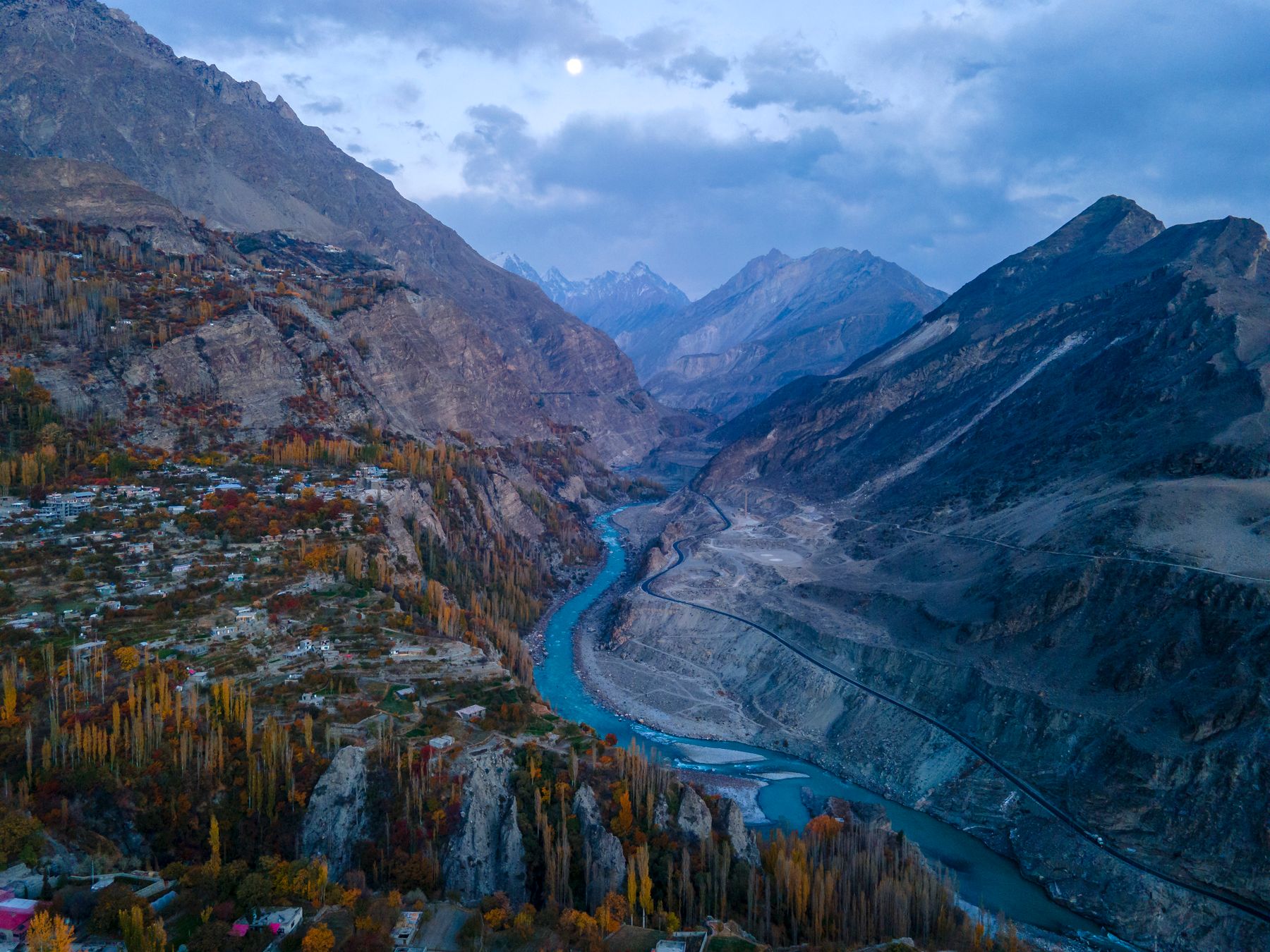 Photo: FAYSAL KHAN / Pexels
Staying in upper Hunza
Passu and nearby Gulmit have simple guesthouses. Most travellers base themselves here for two or three nights to walk and acclimatise.