 Photo: Huzaifa Mustajab / Pexels
Night sky at Fairy Meadows
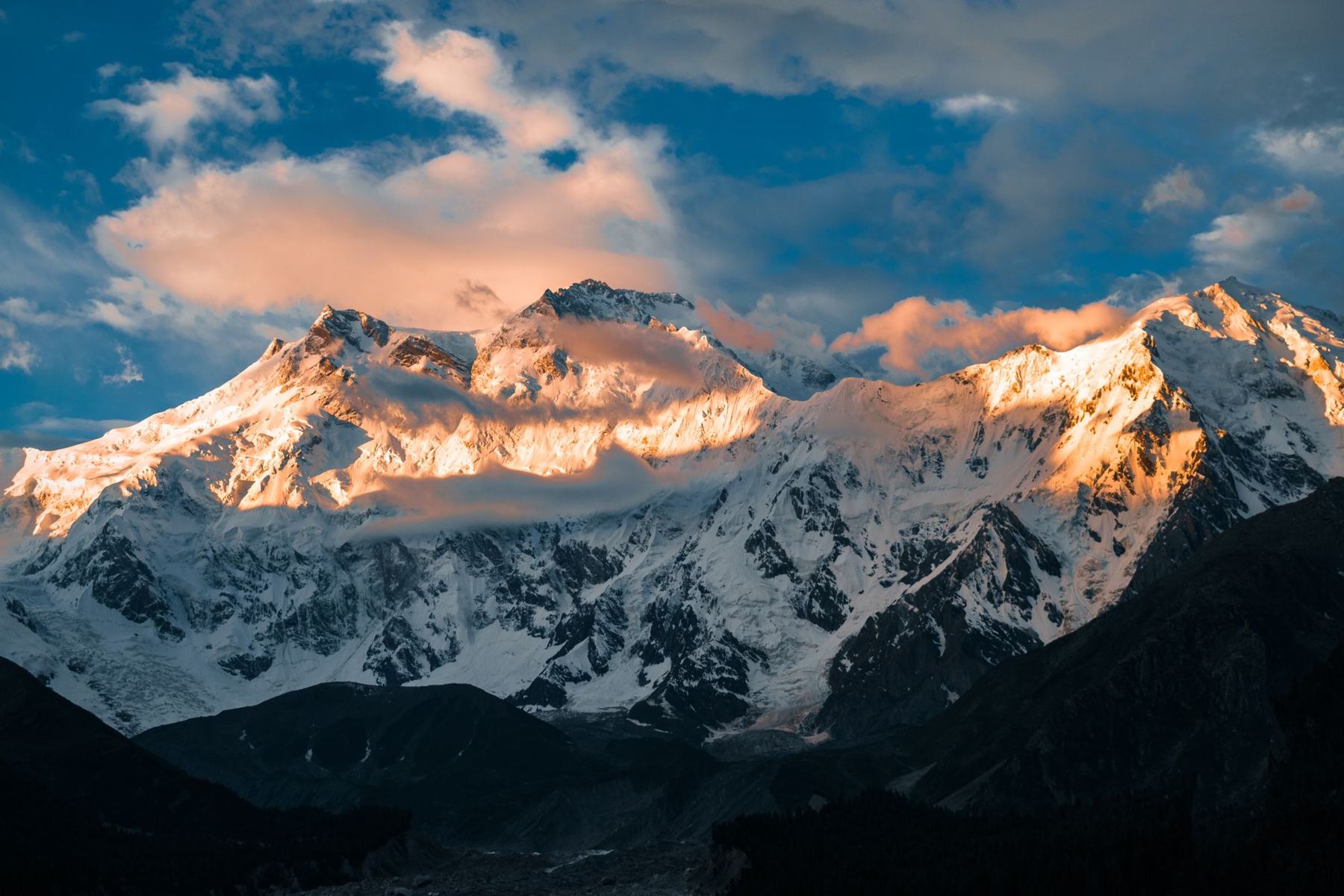
Fairy Meadows is a grassy shelf below the Raikot face of Nanga Parbat. After dark the valley loses most artificial light, and the sky fills with stars.
The meadow sits at roughly 3,300 metres in Diamer district, Gilgit-Baltistan. Access is from the Karakoram Highway at Raikot Bridge, then by local jeep up a rough track and on foot for the last stretch. Nights are clear in summer but cold. Plan to stay overnight so the darkest hours are not lost to the drive back.
How the night goes
- Late afternoonArrive and settleReach the meadow before sunset. Find your accommodation and eat before dark so the evening is free.
- DuskWatch the light fadeFace east as the sky deepens. The first bright stars appear while the last light lingers behind the ridge.
- After darkLet eyes adjustTurn off torches and phone screens for twenty minutes. Faint stars and the Milky Way become visible.
- MidnightDeepest darkThe sky is darkest when the moon is down. Check moonrise before choosing a night.
- Before dawnReturn to warmthTemperatures drop sharply. Keep a layer within reach and walk back with a red torch.
What to bring
- Warm layers, hat and gloves even in summer
- A red-light torch to protect night vision
- A sleeping bag or extra blanket for cold nights
- A thermos of hot drink
- Sturdy shoes for the walk from the jeep track
Know before you go
- The jeep track from Raikot Bridge is rough; travellers usually hire a local jeep and guide.
- Nights are cold at this altitude; frost is possible outside midsummer.
- There is little artificial light, but bring a torch for walking between huts.
- Mobile signal is limited; download maps and forecasts before leaving the highway.
- Check current access advice and any permit rules before travelling.
Where it starts
The trip starts at Raikot Bridge on the Karakoram Highway, about two hours by road from Gilgit. From there, local jeeps climb a rough track to Tato village, and a walk of roughly two hours leads to the meadow.
Why the sky is dark here
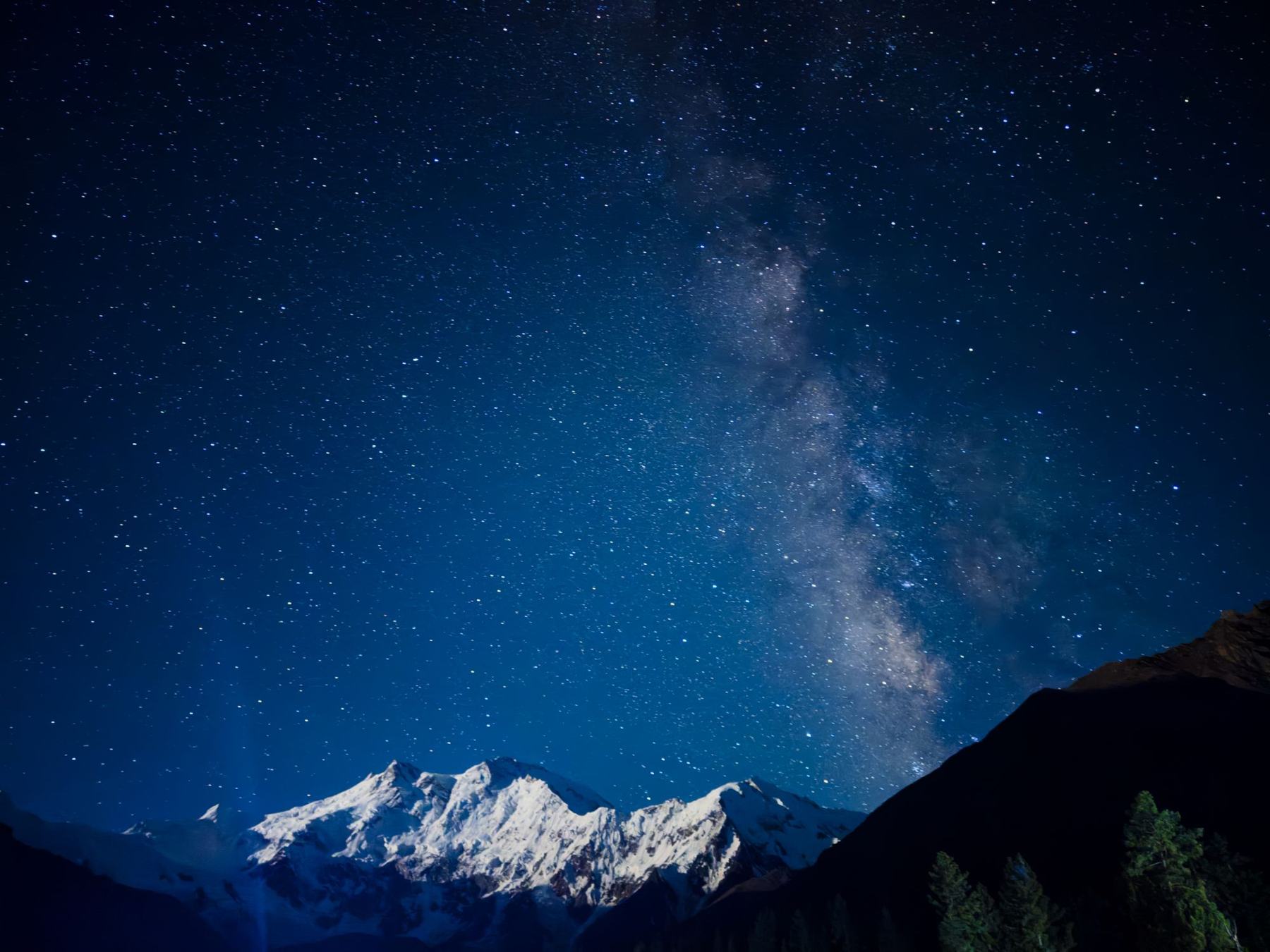
Fairy Meadows lies in a side valley off the Karakoram Highway, away from the larger settlements of Gilgit and Chilas. The nearest villages are small and use little outdoor lighting. On a clear night the Milky Way can be seen as a band across the sky, and fainter stars appear once your eyes adjust.
The meadow faces the Raikot face of Nanga Parbat, which rises steeply to the north. The mountain blocks some northern sky but also blocks any glow from that direction. The result is a dark horizon in most directions and a sky that rewards a simple pair of binoculars.
Moon and season
The darkest skies come when the moon is new or sets early. In summer the Milky Way core is visible in the late evening. Check a moon phase calendar before fixing dates, and remember that summer nights are shorter.
Access and the overnight stay
Most travellers reach Fairy Meadows from Raikot Bridge on the Karakoram Highway. The bridge is roughly two hours by road from Gilgit and three from Chilas. From the bridge, a rough jeep track climbs to Tato village, and a walking trail continues to the meadow. The walk takes about two hours at an easy pace.
Because the return trip is long, a night at the meadow is the practical way to see the sky after dark. Simple guesthouses and camps operate in summer. Travellers usually hire a local jeep and guide at Raikot Bridge. The track is narrow and exposed in places, so local drivers are the norm.
Permits and advice
Rules for travel in Diamer district can change. Some areas may require a No Objection Certificate (NOC) or have advisories. Check current official advice before setting out, and ask locally about the state of the jeep track.
What to expect at night
At about 3,300 metres, nights are cold even in midsummer. Temperatures can fall close to freezing, and frost is possible outside July and August. Bring warm layers, a hat and gloves, and a thermos. Accommodation is basic, with blankets often provided but not always enough for a long night outside.
Light discipline matters. Use a red torch or cover a white torch with red film to keep your night vision. Avoid phone screens where possible. The meadow is open, so you can walk a short distance from the huts for a clearer view. Stay on the paths and let someone know where you are.
Photography notes
A tripod and a camera with manual settings are enough for basic star shots. A wide lens at a fast aperture helps. Practise focusing at infinity before dark. Condensation can form on lenses, so keep a cloth handy.
Frequently asked questions
When is the best time for the night sky at Fairy Meadows?
The main season is June to September, when the track and trail are usually open. July and August give the warmest nights, though still cold. For the darkest skies, choose a night near the new moon. Outside summer the area can be snowbound and access uncertain.
Do you need a guide for the night sky at Fairy Meadows?
A guide is not required to look at the sky, but travellers usually hire a local jeep and guide at Raikot Bridge for the track and trail. A guide helps with route finding and local advice. Rules can change, so check current official guidance before travelling.
How cold does it get at night at Fairy Meadows?
At about 3,300 metres, nights are cold throughout the season. In midsummer temperatures can fall to around freezing, and outside July and August frost is likely. Bring warm layers, a hat and gloves, and a sleeping bag if you plan to stay outside for long.
Can you see the Milky Way from Fairy Meadows?
Yes, on clear moonless nights the Milky Way is visible as a band across the sky. The meadow has little artificial light, and the surrounding ridges block distant glow. Allow twenty minutes for your eyes to adjust, and check the moon phase before planning.
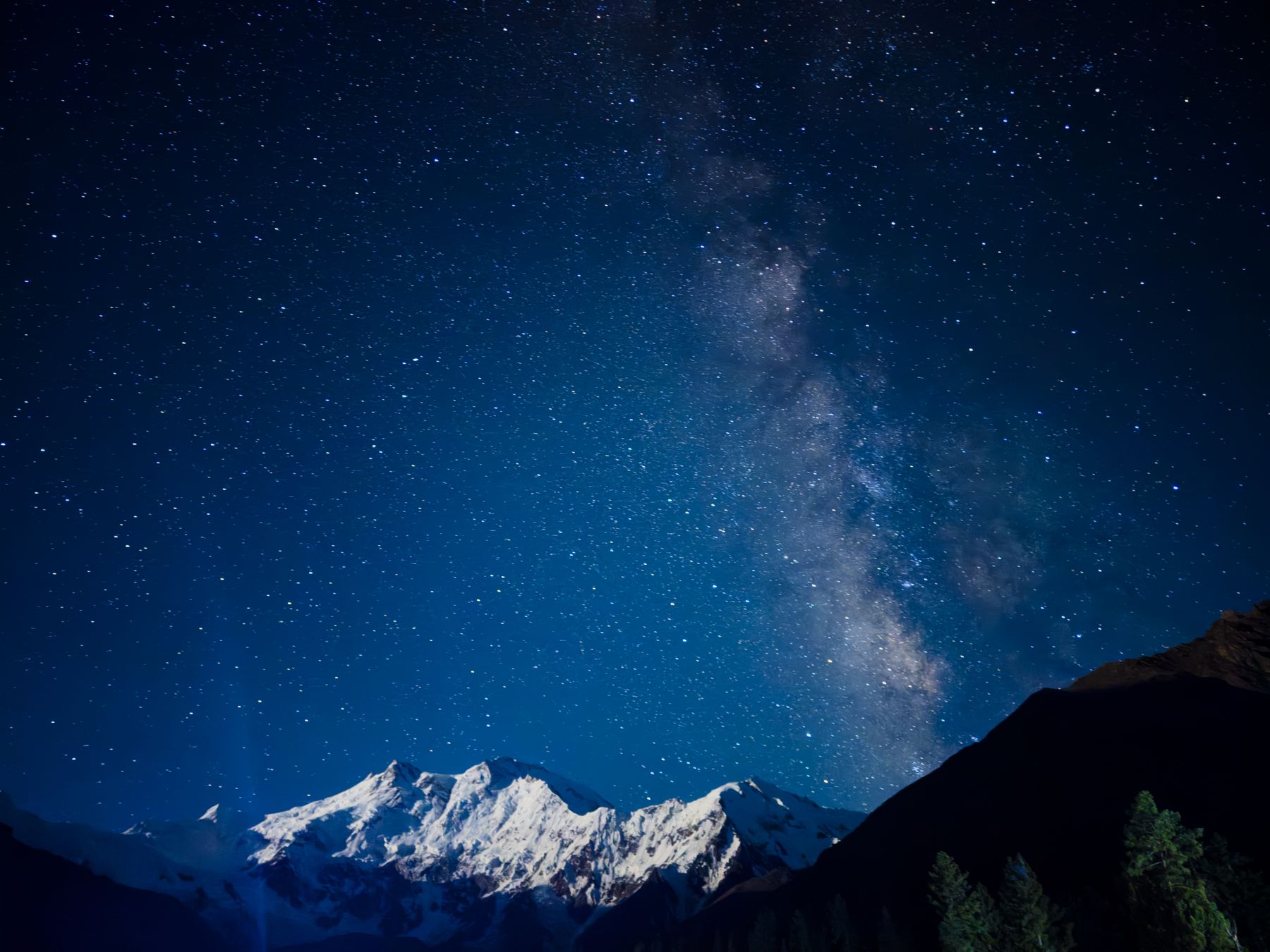 Photo: Huzaifa Mustajab / Pexels
After dark at the meadow
Without nearby town light, the Milky Way stands out on clear moonless nights. Nanga Parbat's outline frames the view.