 Photo:
Visiting Deosai
What the place is like
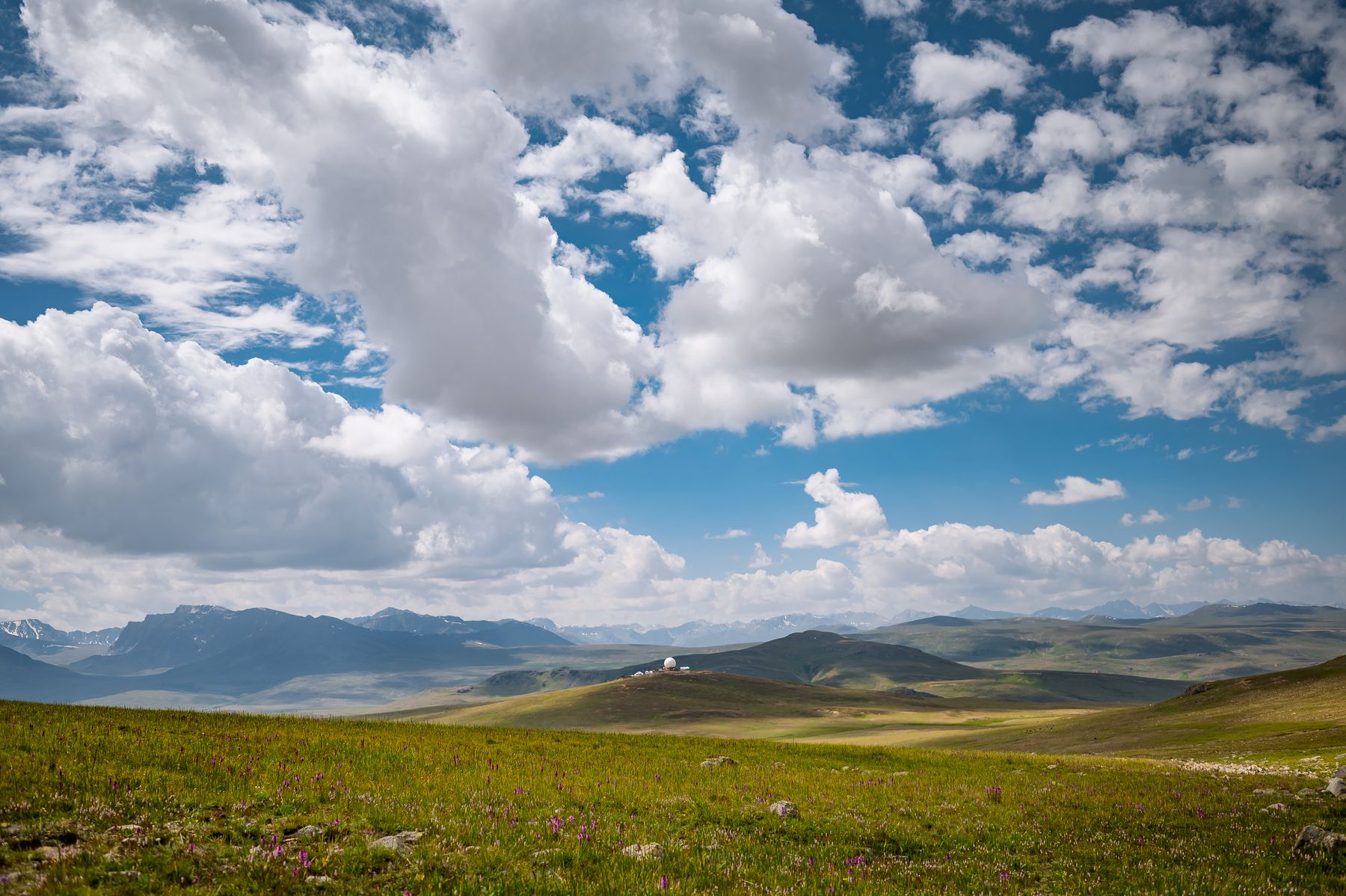
Deosai is a plateau rather than a valley. The land rises gently from the Skardu side to a broad open plain where the horizon is far away and the sky takes up most of the view. There are few trees. Instead there are shallow lakes, braided streams and low grass hills that turn green and flower in July and August.
The air is thin at this height. Walking is slower than on the valley floor, and even short climbs take time. Weather changes quickly: a clear morning can turn to cloud, wind and rain by afternoon. Snow lies on the ground from October or November until May or June, and the access roads are generally closed in winter.
What to see
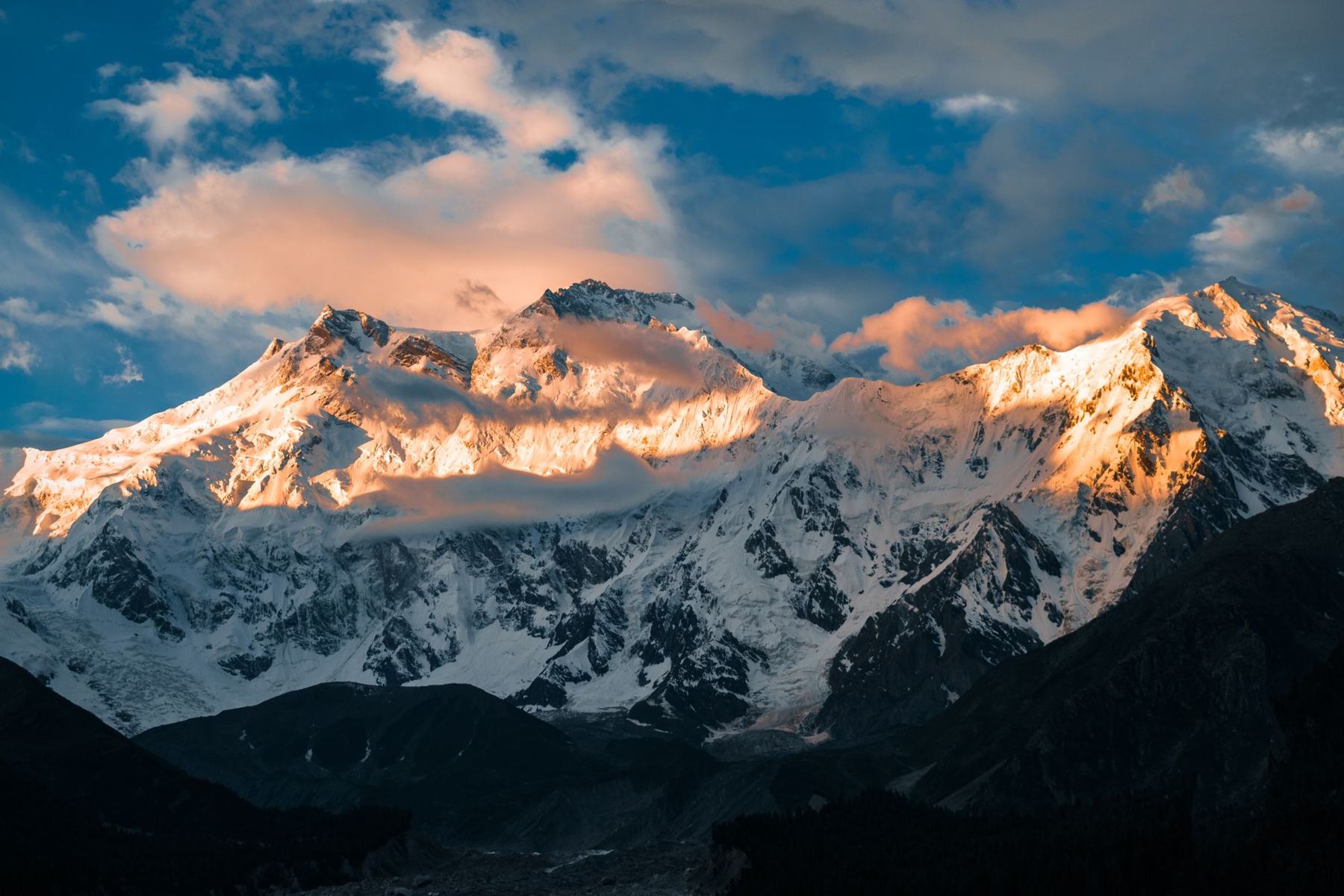
The main draw is the open landscape itself. Sheosar Lake, near the western end, is a common target for day trips from the Astore side. On the Skardu side, the track crosses the plains past Bara Pani and on towards the top, with views back to the Karakoram peaks.
Wildlife is harder to see than the scenery. Himalayan brown bears live on the plateau and are most active in the early morning and evening. Marmots are common and often seen near the tracks. Birds include golden eagles and various summer visitors. Keep a distance from any bear and do not leave food out.
Sheosar Lake
Sheosar is a shallow, oval lake close to the western boundary of the park. It is reached by a rough track from Chilam on the Astore side. The lake is a usual stop for vehicles crossing the plateau, and the surrounding ground is open and exposed.
Brown bear country
The Himalayan brown bear is the largest animal on the plateau. Numbers are low and the animals avoid people where they can. Sightings are not guaranteed. Food storage and waste need care, and bears should never be approached or fed.
A day or two there
Most visitors cross Deosai in a single long day, either from Skardu towards Astore or the reverse. That allows a few stops at Bara Pani, the top and Sheosar Lake, but little walking. The drive is slow on rough track, and the crossing should start early.
Staying a night on the plateau gives a better sense of the place. Camping is possible in summer at recognised flat spots such as Bara Pani, with permission from the park staff. Nights are close to freezing even in August. A second day allows a short walk and a better chance of seeing wildlife at dawn.
Getting there and around
There are two main approaches. From Skardu, a rough road runs south through the Sadpara valley and up onto the plains. From Astore, a track leaves the main valley near Chilam and climbs to the western end of the park. Both are unpaved for long stretches and are usually open only from late June or July to September.
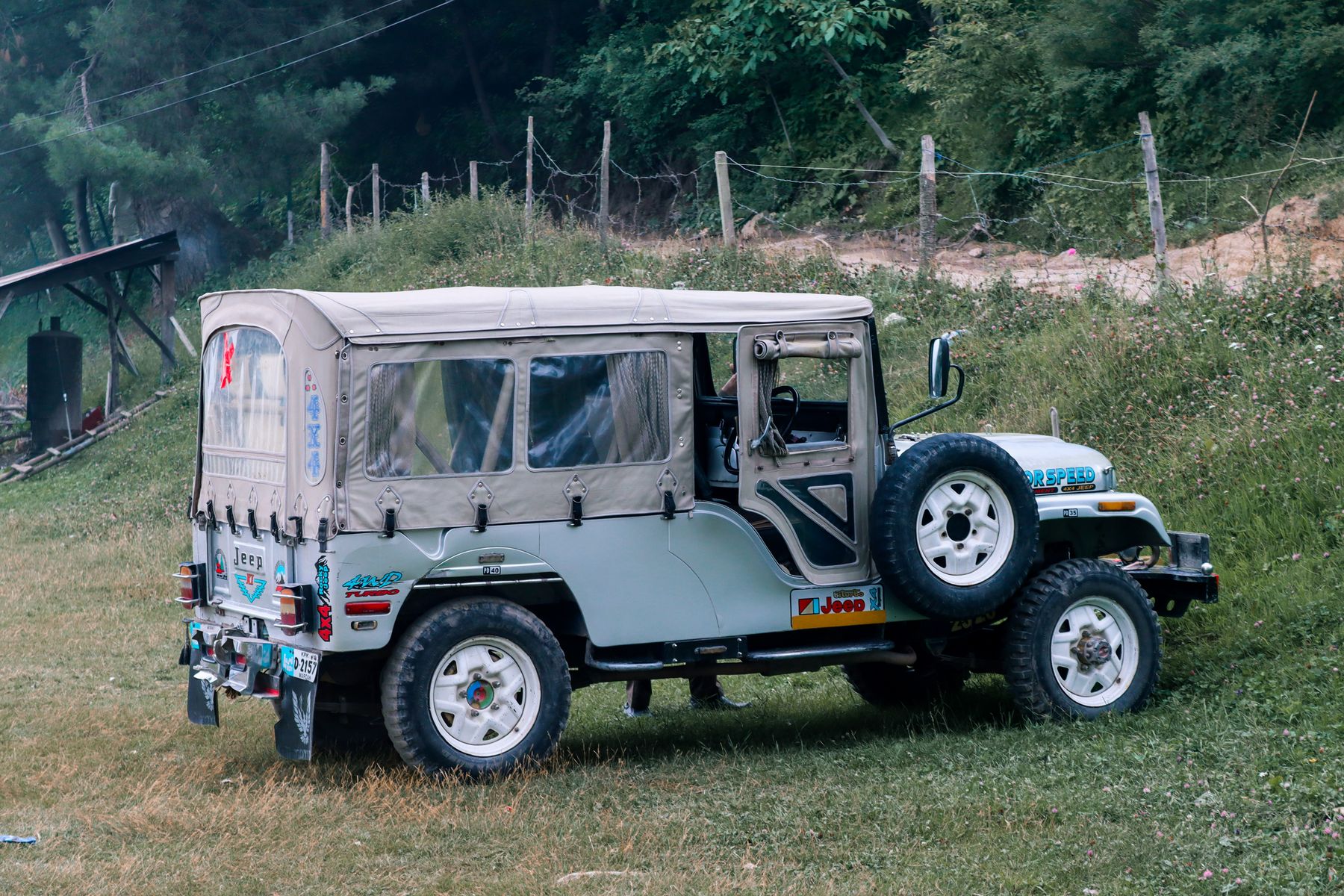
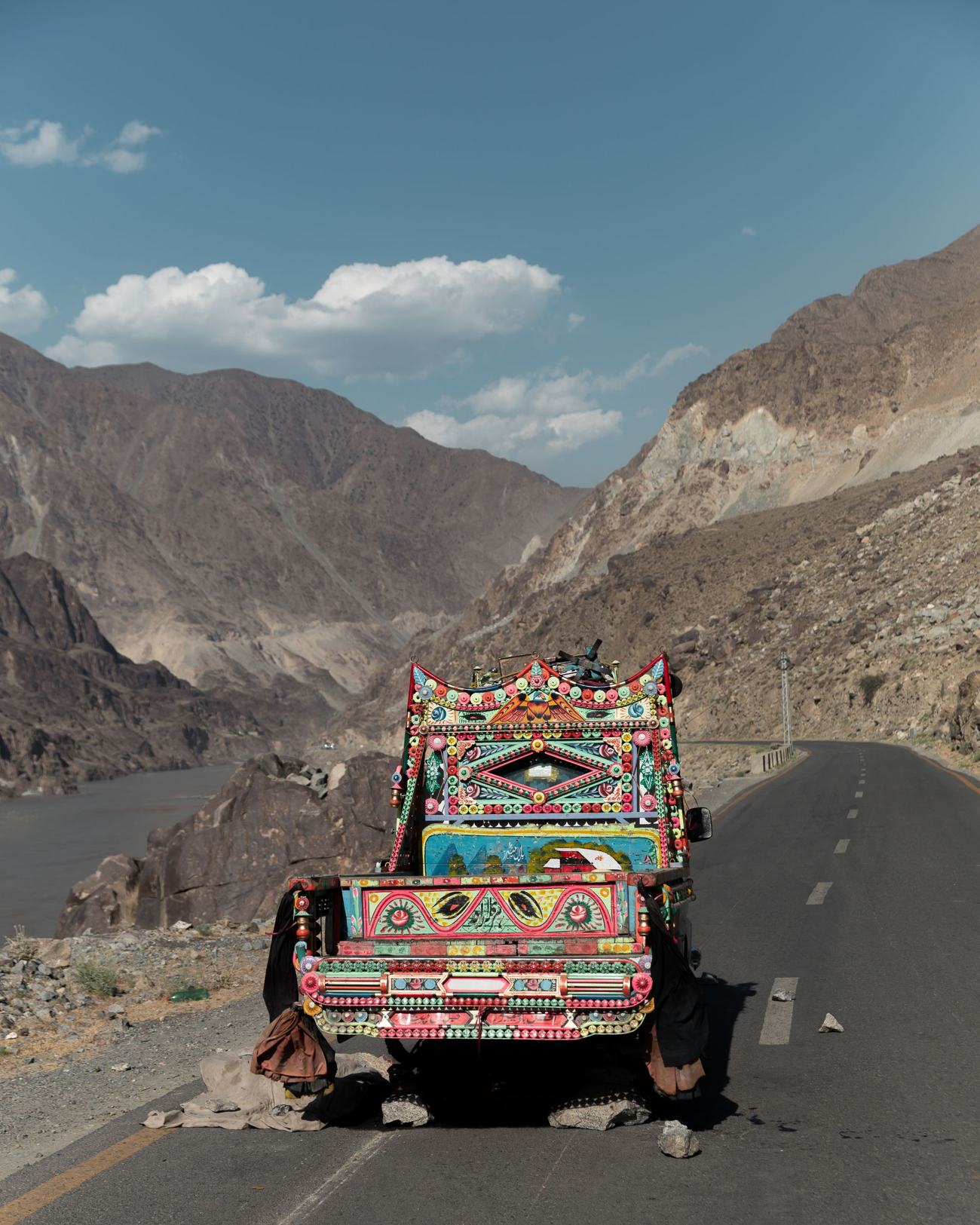
There is no public transport on the plateau. Visitors use a private vehicle, usually a four-wheel drive, with a driver who knows the tracks. Fuel and supplies are available in Skardu and Astore but not on the plateau. The crossing between the two sides takes several hours in good conditions.
From Skardu
The Skardu approach passes through the Sadpara valley and climbs to the plains. The road is rough and steep in places. It is the shorter approach for visitors based in Skardu and is often used for a day trip to the top and back.
From Astore
The Astore approach leaves the main valley near Chilam and reaches Sheosar Lake before continuing east across the plateau. This side is used by travellers linking Gilgit and Astore with Skardu without returning north.
Practical notes
Deosai is a national park. A permit is required and a fee is charged, usually collected at a checkpost on entry. Rules can change, so check with the park office in Skardu or the local administration before setting out. Visitors should carry all waste out and avoid disturbing grazing areas.
The altitude is the main health concern. Spend a night or two in Skardu or Astore before crossing, drink plenty of water and allow for slower walking. Weather can close the tracks even in summer. Carry warm and waterproof clothing, food and a first aid kit. Mobile coverage is limited and unreliable on the plateau.
Permits and access
Permits for Deosai are issued locally. Access rules, including any escort requirements, can vary by season and by approach. Check current official advice before travel, particularly if coming from or heading to areas near the Line of Control.
When to go
The plateau is usually accessible from July to early September. June and late September can be possible but snow may block the tracks. Outside these months the park is generally closed to vehicles and the crossing is not possible.
Frequently asked questions
How high is Deosai?
The plateau averages about 4,100 metres, with higher points on the surrounding ridges. This is high enough for altitude symptoms to affect some visitors. Acclimatise in Skardu or Astore before crossing, and allow extra time for walking.
When is Deosai open to visitors?
The access roads are usually open from July to early September. Snow closes them for the rest of the year. June and late September can be possible, but conditions vary and the tracks may still be blocked. Check locally before planning a crossing.
Do you need a permit for Deosai?
Yes. Deosai is a national park and entry requires a permit, with a fee charged at a checkpost. Rules and any escort requirements can change, so check with the park office in Skardu or the local administration before travelling.
Can you see brown bears in Deosai?
Himalayan brown bears live on the plateau, but they are few and shy. Early morning and evening give the best chance. Sightings are never guaranteed. Keep a safe distance, store food carefully and never approach or feed a bear.