 Photo: Hanif Ali Baluch / Pexels
Sunset at Gwadar’s hammerhead
Gwadar’s hammerhead is a natural rock formation that curves into the Arabian Sea. It is a popular spot for sunset, when the light falls across the water and the rocks turn dark against the sky.
The hammerhead sits at the end of a narrow strip of land south of Gwadar town. The name comes from its shape, which looks like a hammer from above. In the late afternoon, travellers drive or walk out to watch the sun set over the sea. The area is open and exposed, with wide views along the coast.
How the afternoon goes
- Late afternoonLeave GwadarSet out from Gwadar town about two hours before sunset. The drive south along the coast road takes you past fishing beaches and rocky outcrops.
- Before sunsetWalk to the pointPark near the end of the road and walk the last stretch to the hammerhead. The ground is uneven, so wear sturdy shoes and carry water.
- SunsetFind a spotChoose a flat rock or a patch of sand with a clear view west. The sun sets over the Arabian Sea, often with fishing boats on the horizon.
- After sunsetReturn to townLeave before it gets fully dark. The road back is unlit in places, so carry a torch and drive carefully.
What to bring
- Sturdy shoes for walking on rocks
- Drinking water and snacks
- A torch for the walk back
- A jacket for the evening sea breeze
- A camera for the sunset
Know before you go
- The area is open and exposed, with little shade.
- There are no facilities at the hammerhead, so bring what you need.
- Mobile phone signal can be weak along the coast road.
- Check the weather forecast before setting out, as sea mist can obscure the sunset.
Where it starts
The hammerhead is south of Gwadar town, reached by a coastal road that passes fishing beaches. Travellers usually hire a local guide or jeep from Gwadar to cover the rough track. The drive takes around 30 minutes.
Getting to the hammerhead
The hammerhead lies at the end of a narrow peninsula south of Gwadar town. The route follows a coastal road that passes through small fishing settlements. The final section is a rough track, and the last part is best walked. Travellers usually hire a local guide or jeep in Gwadar to cover the track, as the road is not well marked.
The drive from Gwadar takes around 30 minutes. Along the way you pass beaches where fishermen dry their catch and repair nets. The road is paved for most of the distance, but the surface deteriorates near the end. A four-wheel drive is not essential, but a vehicle with good ground clearance is helpful.
When to go
The best months for sunset at the hammerhead are October to March, when temperatures are milder. Summer afternoons can be very hot, and the sea breeze may bring mist. The monsoon months of July and August can bring rough seas and rain, making the track muddy and the sunset uncertain.
What to expect
The hammerhead is a natural rock formation that juts into the Arabian Sea. Its shape is best seen from above, but from the ground you get wide views along the coast. The rocks are dark and jagged, and the sea is often calm in the evening. There is no development here, just open ground and the sound of the waves.
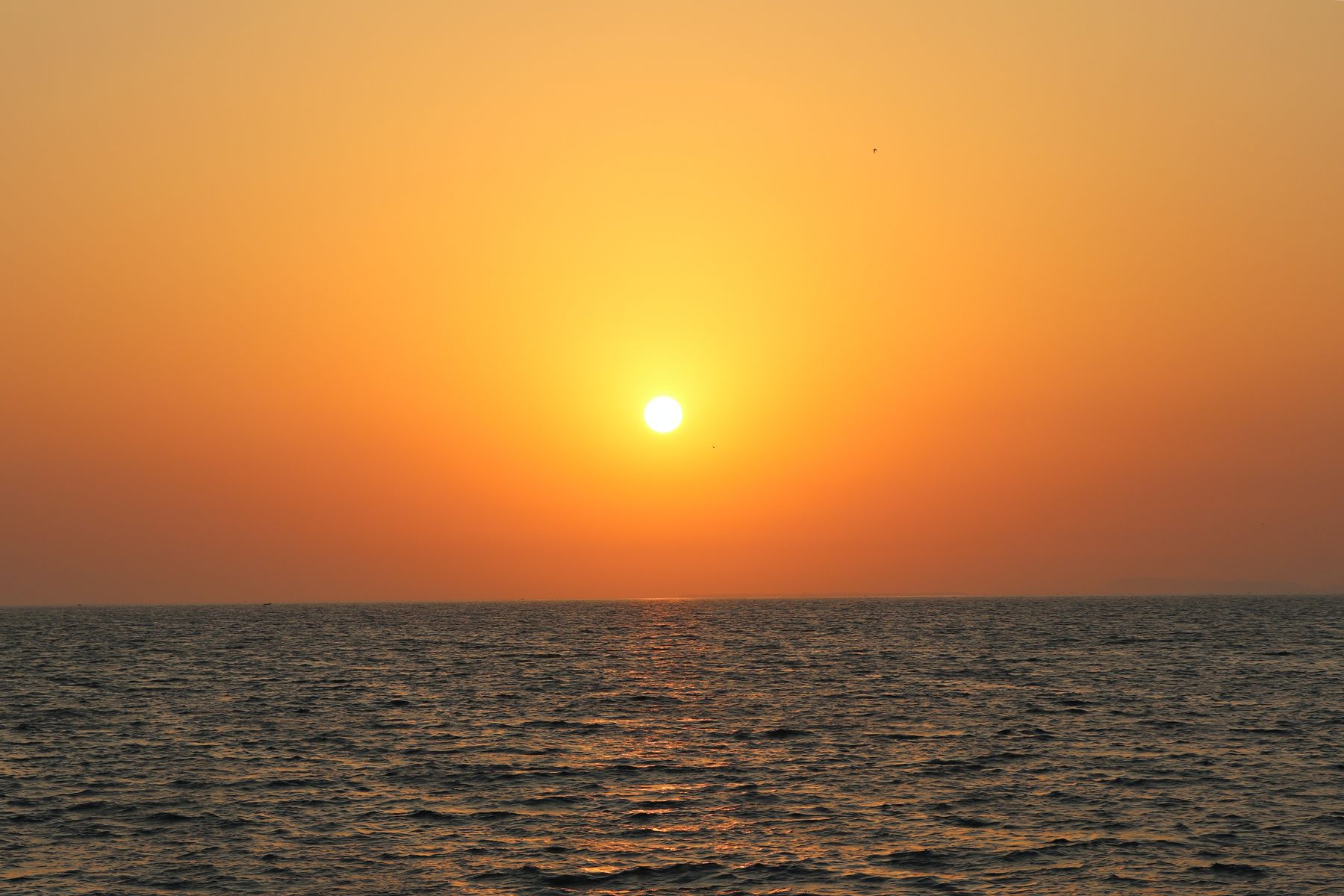
As the sun sets, the light changes quickly. The sky may turn orange and pink, and the sea reflects the colours. Fishing boats sometimes pass in the distance. The area is quiet, with only the wind and the sea for company. Bring a jacket, as the temperature drops after sunset.
Photography
The hammerhead is a good spot for landscape photography. The low light of sunset creates strong contrasts. A tripod is useful for long exposures. Be careful near the edge, as the rocks can be slippery.
Practical points
There are no shops, toilets or drinking water at the hammerhead. Bring everything you need, including water and snacks. The ground is uneven and rocky, so wear sturdy shoes. The walk from the parking area to the point takes about 10 minutes.
The area is not fenced, and the rocks drop into the sea. Keep a safe distance from the edge, especially if it is windy. Children should be supervised. After sunset, the path back to the vehicle is unlit, so carry a torch.
Access and permits
Gwadar is generally open to travellers, but some coastal areas near the border may require a No Objection Certificate (NOC). Rules change, so check current official advice before travelling. The hammerhead itself is usually accessible without a permit.
Frequently asked questions
What is Gwadar’s hammerhead?
Gwadar’s hammerhead is a natural rock formation on the coast south of Gwadar town. It is named for its shape, which resembles a hammer when seen from above. The formation juts into the Arabian Sea and is a popular spot for watching sunset.
How do I get to Gwadar’s hammerhead?
The hammerhead is reached by a coastal road south of Gwadar town. The drive takes around 30 minutes, and the final stretch is a rough track best covered by a local guide or jeep. The last part is walked.
When is the best time to watch sunset at Gwadar’s hammerhead?
The best months are October to March, when temperatures are milder. Summer afternoons can be very hot, and the monsoon months of July and August may bring rough seas and rain. Check the weather forecast before setting out.
What should I bring to Gwadar’s hammerhead?
Bring drinking water, snacks, sturdy shoes, a torch for the walk back and a jacket for the evening sea breeze. There are no facilities at the site, so carry everything you need. A camera is useful for the sunset.
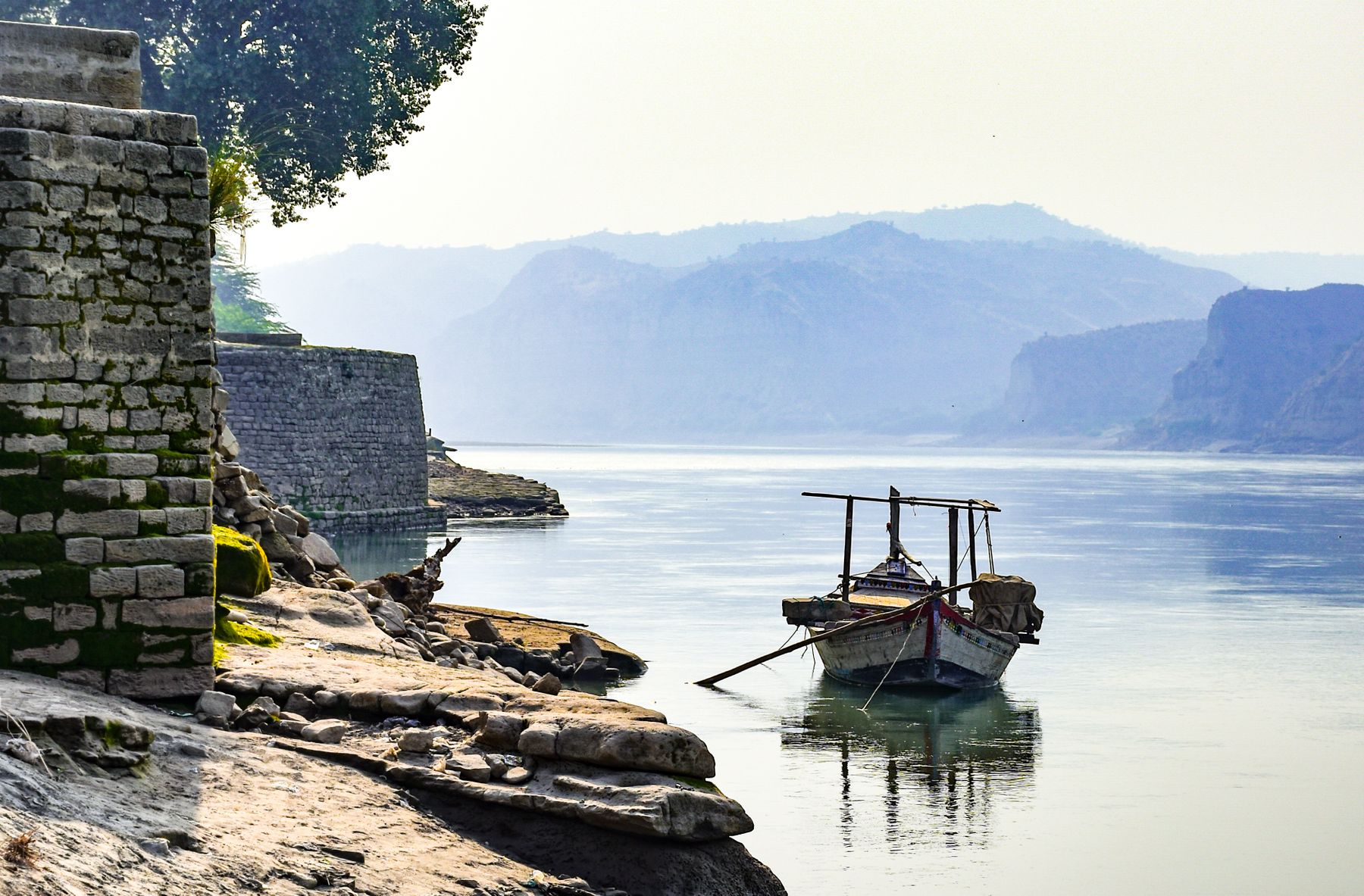 Photo: Iqbal Khattak / Pexels
Where to stay
Gwadar has a range of hotels and guest houses, mostly in the town centre. Book ahead in peak season.