 Photo:
Visiting Gwadar
What Gwadar is like
Gwadar is a small city with a big harbour. The peninsula is rocky and dry, with low hills and a coastline that curves into two bays. The old town is dense and busy, with shops, workshops and tea houses. Further east, newer roads and buildings spread out along the coast. The pace is slower than Karachi, and the sea is never far away.
Fishing drives much of the local economy. Boats go out daily, and the harbour is active from early morning. The town also serves as a gateway to the Makran coastal route, with long empty beaches to the east and west. The area is arid, so greenery is limited to palms and small plots.
Climate and seasons
Summers are hot and humid, with temperatures often above 35°C. The sea breeze helps but can be strong. Winters are mild, with daytime temperatures around 25°C and cooler nights. Rain is scarce. The best time to visit is from November to February, when conditions are most comfortable for walking and beach trips.
What to see
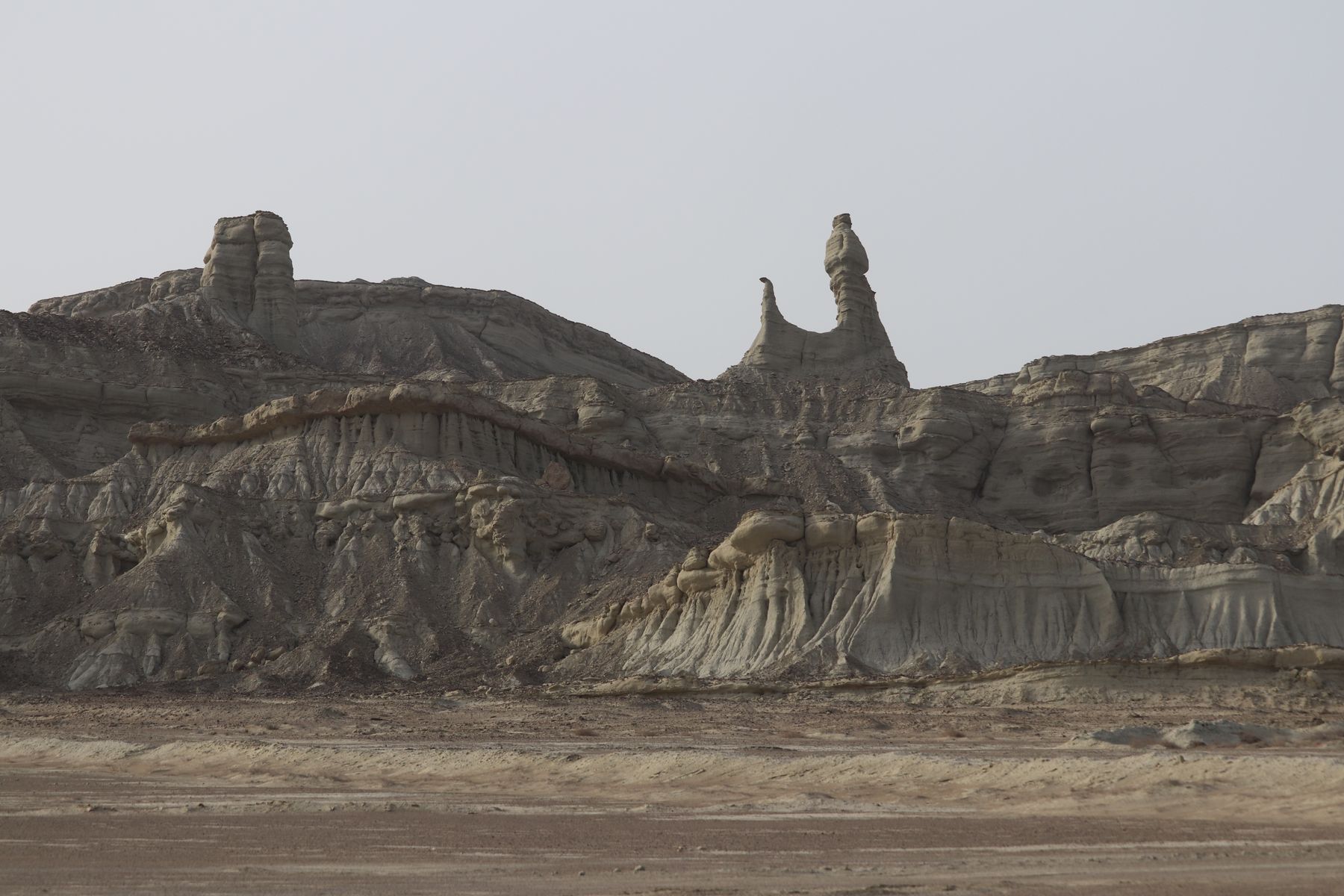
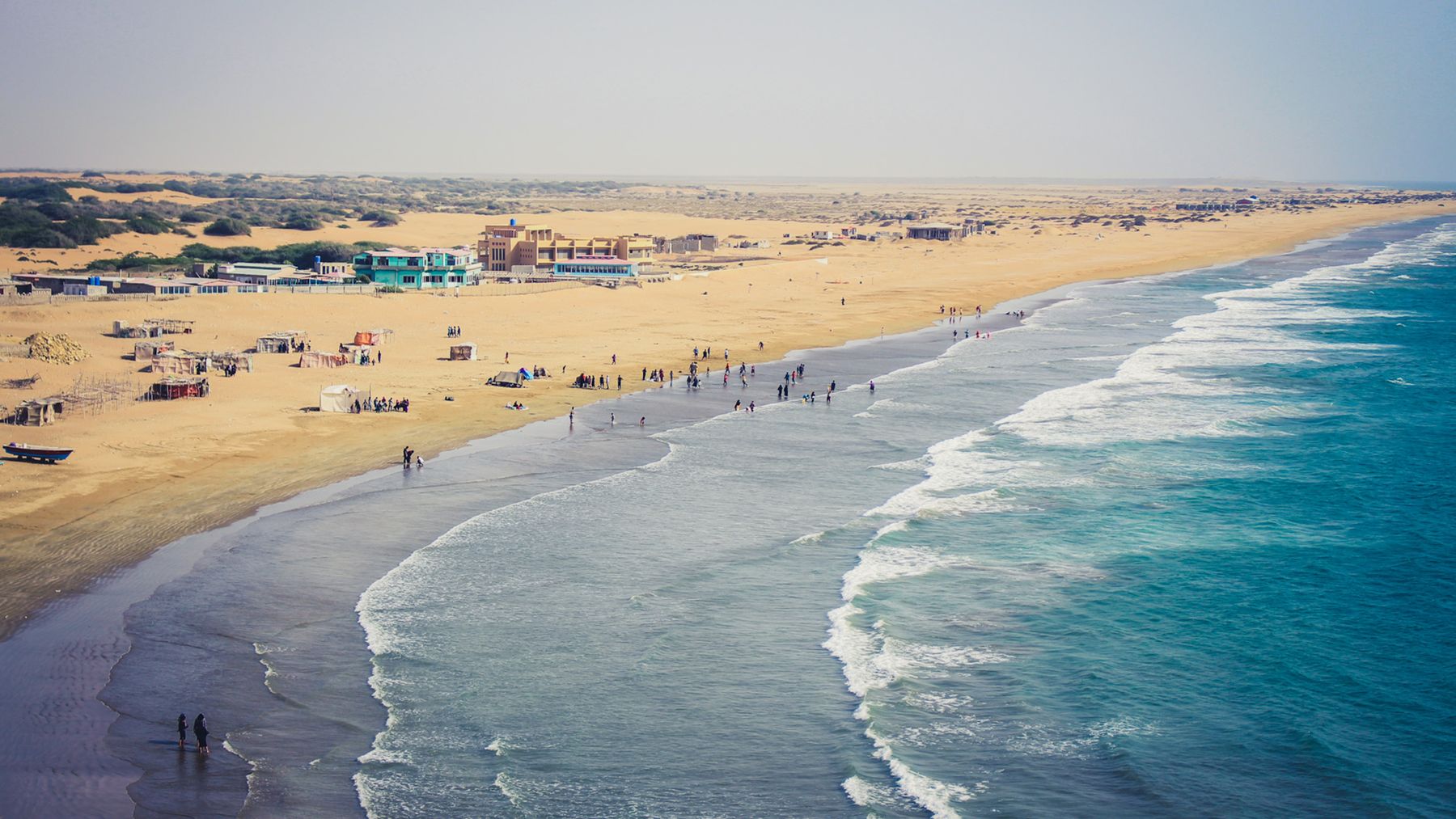
The hammerhead peninsula is the defining feature. A road runs to the tip, where you can see the harbour on one side and the open sea on the other. The fish harbour is worth an early visit to watch the boats unload. The old town has narrow streets and a few small mosques. West Bay and East Bay offer long beaches and calm water.
The port area is visible from the road, but access is limited. For a wider view, head to the higher ground on the peninsula. The coastline outside town has rocky outcrops and quiet coves. Birdlife is present along the shore, especially in winter.
The fish harbour
The harbour is busiest in the early morning when boats return. You can see the catch being sorted and auctioned. The area is working, so keep a distance and ask before taking photos. The smell and noise are part of the experience. It is a short drive from the old town.
A day or two there
A full day covers the peninsula, the fish harbour and one of the bays. Start early at the harbour, then drive to the tip of the hammerhead for views. In the afternoon, walk the old town and take a beach stroll at West Bay. The next day, explore East Bay or take a short trip along the coast towards Kund Malir or Ormara.
If you have more time, use Gwadar as a base for the Makran coastal route. The road east towards Karachi passes long beaches and rocky headlands. To the west, the coast towards Iran is remote and less developed. Check local advice before travelling beyond town.
Sunset spots
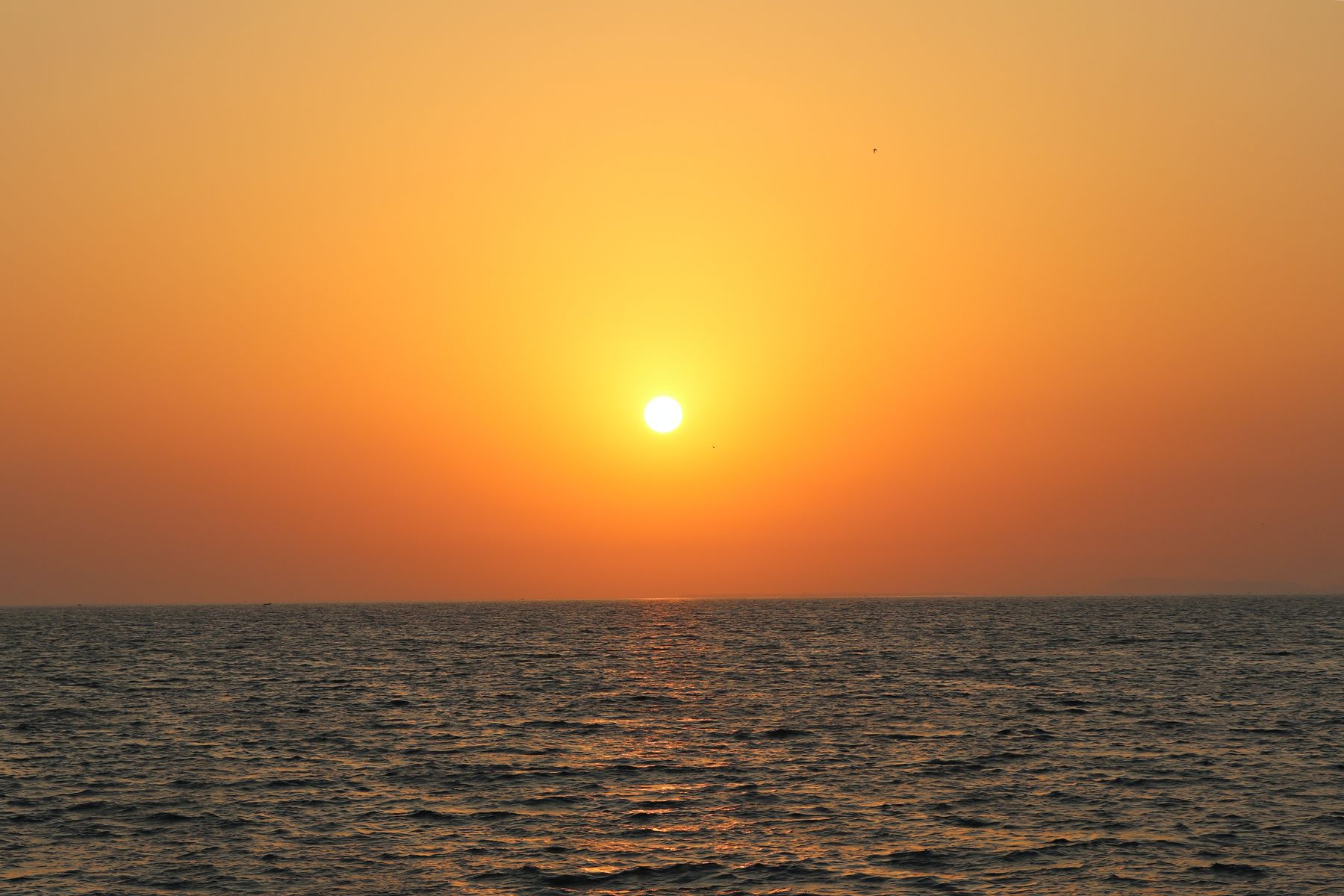
West Bay faces the open sea and is a good place to watch the sun go down. The peninsula tip also offers wide views. Bring a jacket in winter, as the wind can be cool after sunset. The beaches are unlit, so leave before dark or carry a torch.
Getting there and around
Gwadar is reached by road or air. The Makran Coastal Highway runs east to Karachi, a long drive of several hours. From the north, roads connect via Turbat and Quetta. Gwadar International Airport lies a short drive from town. Buses and shared vans serve the coastal route, but schedules can be irregular.
Within town, taxis and auto-rickshaws are the main way to get around. The peninsula is spread out, so walking between the old town and the bays is not practical. Agree on a fare before setting off. Car hire with a driver is available for day trips along the coast.
Permits and advice
Parts of Balochistan, including some coastal and border districts, can require a No Objection Certificate (NOC) or have travel advisories. Rules change, so check current official advice before travelling. Carry identification. For areas near the coast and border, confirm access with local authorities in advance.
Practical notes
Gwadar has a range of accommodation, from basic guest houses to larger hotels. Book ahead in winter, when visitors come for the mild weather. Eating options are limited but include local seafood and small restaurants in the old town. Alcohol is not widely available. Dress modestly, especially in the old town and around the harbour.
The town has a hospital and basic services. Mobile coverage is reasonable in town but patchy along the coast. Bring cash, as card acceptance is limited. The sun is strong even in winter, so use sun protection. The sea can be rough, and currents are strong; swim only where locals do and with caution.
Health and safety
Tap water is not recommended for drinking; use bottled or filtered water. The heat in summer is a serious risk, so avoid midday exposure. The coast is remote in places, and help may be far away. Tell someone your plans if heading out of town. Follow local advice on areas to avoid.
Frequently asked questions
What is Gwadar known for?
Gwadar is known for its hammerhead-shaped peninsula and deep natural harbour on the Makran coast. Fishing is a major part of local life, and the fish harbour is one of the busiest spots. The town also marks a stop on the Makran Coastal Highway, with long beaches nearby.
When is the best time to visit Gwadar?
The most comfortable months are from November to February, when daytime temperatures are mild and humidity is lower. Summers are hot and humid, with strong sea breezes. Winter is also better for walking around the peninsula and visiting the beaches.
How do you get to Gwadar?
Gwadar can be reached by road on the Makran Coastal Highway from Karachi, or via Turbat and Quetta from the north. Gwadar International Airport is a short drive from town. Buses and shared transport run along the coast, but schedules can be irregular.
Do you need a permit to visit Gwadar?
Some parts of Balochistan, including certain coastal and border districts, can require a No Objection Certificate (NOC) or have travel advisories. Rules change, so check current official advice before travelling. Carry identification and confirm access with local authorities if heading beyond town.