 Photo: Tahir Shaw / Pexels
Ziarat juniper forest
The Ziarat juniper forest covers the hills around Ziarat in Balochistan. It is one of the largest remaining juniper woodlands in Pakistan, and a day of walking shows you old trees, dry ridges and open views.
Ziarat sits at about 2,500 metres in the mountains north-east of Quetta. The juniper forest begins at the edge of town and spreads across the surrounding slopes. Trails are informal and unmarked, so most travellers walk with a local guide who knows the tracks. The walking is moderate, on dry ground and open hillside.
How the day goes
- MorningStart from ZiaratLeave town on foot or by short drive to the forest edge. The first hour is a gentle climb through open juniper woodland.
- Mid-morningOld-growth grovesThe track passes stands of mature juniper. Some trees are very old and grow slowly in this dry climate.
- MiddayRidge walkA ridge line gives open views over the hills. The ground is stony and the sun is strong at this altitude.
- AfternoonReturn to townDescend by a different path or retrace the route. Allow two to three hours back to Ziarat.
What to bring
- Sun hat and high-factor sunscreen
- Sturdy walking shoes with grip
- Two litres of water per person
- Light windproof layer for the afternoon
- Packed lunch and snacks
Know before you go
- The forest is a protected area; a fee may be charged at some entry points.
- Trails are unmarked and mobile signal is patchy; a local guide is advised.
- Summer days are mild but nights are cold; winter brings snow and ice.
- Check current travel advice for Balochistan before travelling; some areas need an NOC.
- Do not cut or collect juniper wood; the trees are slow-growing and protected.
Where it starts
The walk starts from Ziarat town, reached by road from Quetta, roughly two to three hours by car. Local guides and jeeps can be arranged in town for the forest tracks.
The juniper forest
The Ziarat juniper forest is a dry woodland of Juniperus excelsa, the Greek juniper. Trees grow slowly here and some stands are centuries old. The forest is not dense. It is open, with grassy clearings and stony ground between the trees, which makes walking easy to follow.
The forest lies on the slopes around Ziarat at roughly 2,400 to 2,800 metres. Lower slopes are drier and more open. Higher up, the trees grow closer together and the ground is cooler. The woodland is a protected area, and cutting or collecting wood is not allowed.
Trees and wildlife
Juniper is the dominant tree. You may also see wild pistachio and low scrub. Birdlife includes partridges and smaller songbirds. Mammals are shy, but foxes and hares live in the area. Keep a quiet, slow pace and you may see more.
Routes and terrain
There is no single marked trail. Local guides use a network of paths that link Ziarat town with the surrounding ridges and valleys. A typical day walk covers eight to twelve kilometres with a few hundred metres of ascent. The ground is dry, stony and sometimes loose on descents.
The walking is moderate. Altitude is not extreme but the dry air and strong sun make it feel harder than the distance suggests. Start early, carry water and take breaks. In winter, snow can lie on the higher slopes and paths become slippery.
Guides and access
Travellers usually hire a local guide in Ziarat. A guide can show the best groves and keep you on the right path. Some entry points to the protected forest may charge a small fee. Rules change, so check current advice before you go.
Season and practicalities
The best months for walking are May to October. Spring brings mild days and some flowering ground cover. Summer is pleasant at this altitude, with warm days and cool nights. Autumn is dry and clear. Winter can be cold, with snow and ice on the higher ground.
Ziarat is reached by road from Quetta. The drive takes roughly two to three hours depending on conditions. Public transport and shared vehicles run to Ziarat, and local jeeps can be hired in town. Mobile signal is patchy in the forest, so do not rely on it for navigation.
Safety and permits
Parts of Balochistan can require a No Objection Certificate (NOC) or have travel advisories. Rules change, so check current official advice before travelling. Walk with a guide, tell someone your route and carry enough water for the day.
Frequently asked questions
What is the best season to trek in the Ziarat juniper forest?
May to October is the most comfortable period. Days are mild to warm and the ground is usually dry. Winter brings snow and ice on higher slopes, which makes walking harder. Spring and autumn are quieter and clear.
Do you need a guide to walk in the Ziarat juniper forest?
Trails are unmarked and mobile signal is patchy, so a local guide is advised. Guides can be hired in Ziarat town. They know the tracks and the protected areas. Walking alone is possible on some lower paths but not recommended without local knowledge.
How difficult is the walking in the Ziarat juniper forest?
The walking is moderate. A day route typically covers eight to twelve kilometres with a few hundred metres of ascent. The ground is dry and stony. Altitude is around 2,500 metres, so take the pace steady and carry water.
Is a permit needed to visit the Ziarat juniper forest?
The forest is a protected area and some entry points may charge a fee. Parts of Balochistan can require a No Objection Certificate (NOC) or have travel advisories. Rules change, so check current official advice before travelling.
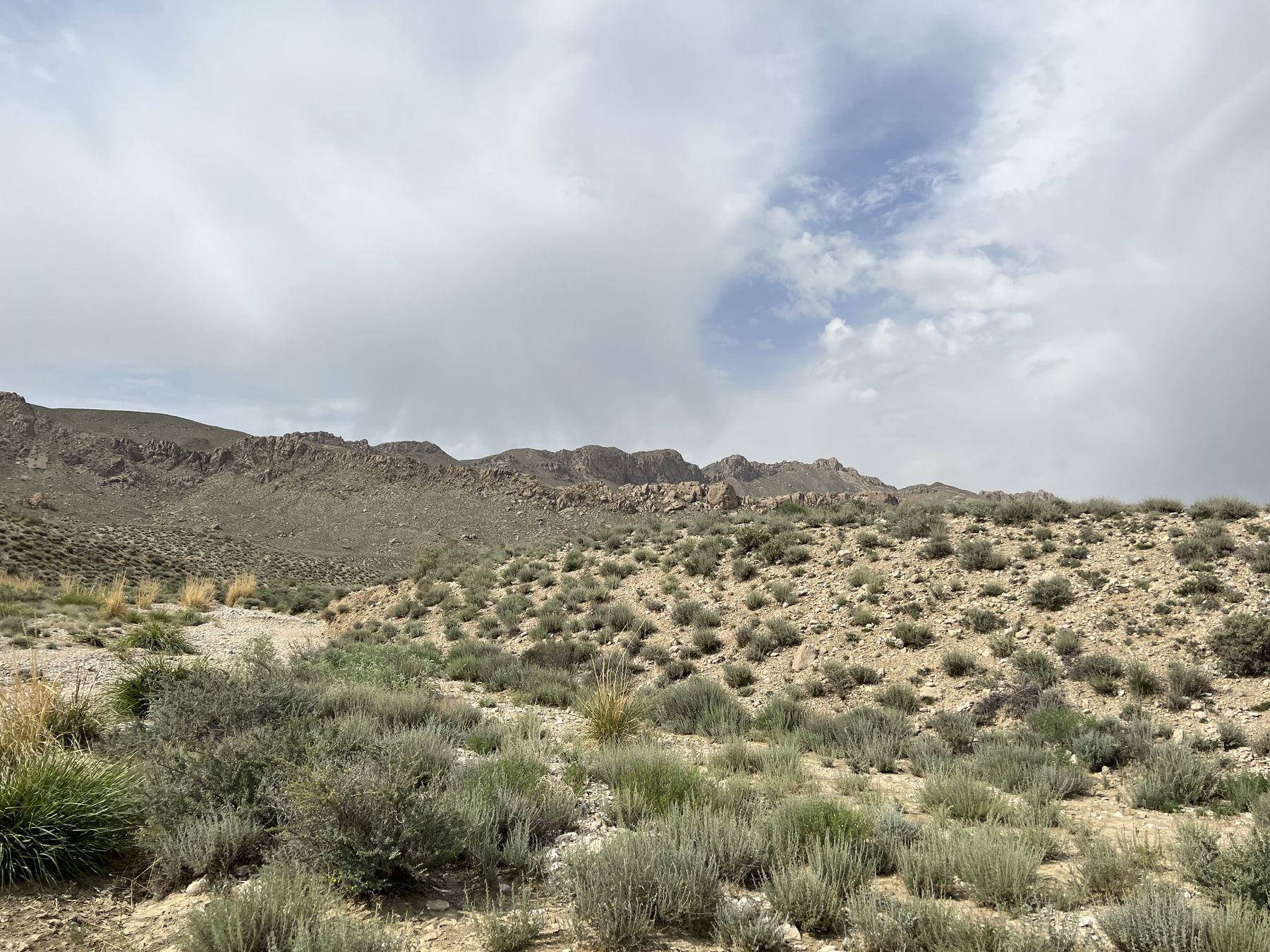 Photo: Jahanzaib Khan / Pexels
Where to stay
Ziarat has simple guest houses and hotels. Nights are cold even in summer, so bring a warm layer.