 Photo:
Visiting Ziarat
What Ziarat is like
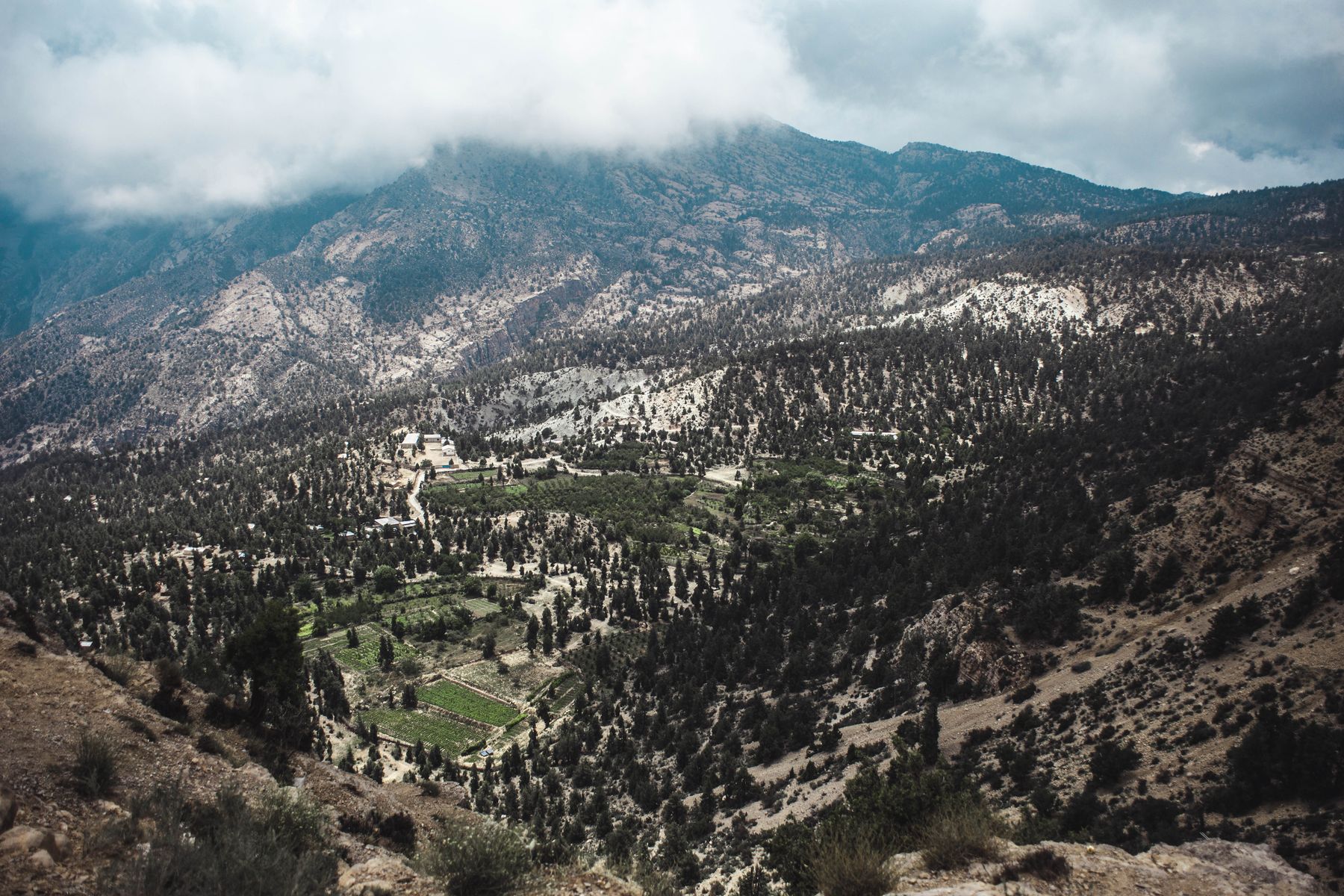
Ziarat is a hill station in Balochistan at about 2,449 m. The town sits on a ridge, with streets that follow the slope and orchards on the edges. Summer temperatures are mild, and the air is cooler than in Quetta. Winters are cold, with snow on the ground at times. The surrounding hills are covered with juniper forest, which gives the area its character.
The town is small enough to walk across in half an hour. Most buildings are low, and the bazaar has a few shops and simple eating places. Outside the centre, the land opens into forest and terraced fields. The pace is slow, and the main reason to come is the setting and the walks.
What to see
The juniper forest is the main draw. Some trees are very old, and the woodland covers slopes on several sides of town. Paths are not always marked, but tracks lead through the trees and along the ridges. The forest is quiet and cool, even in summer.
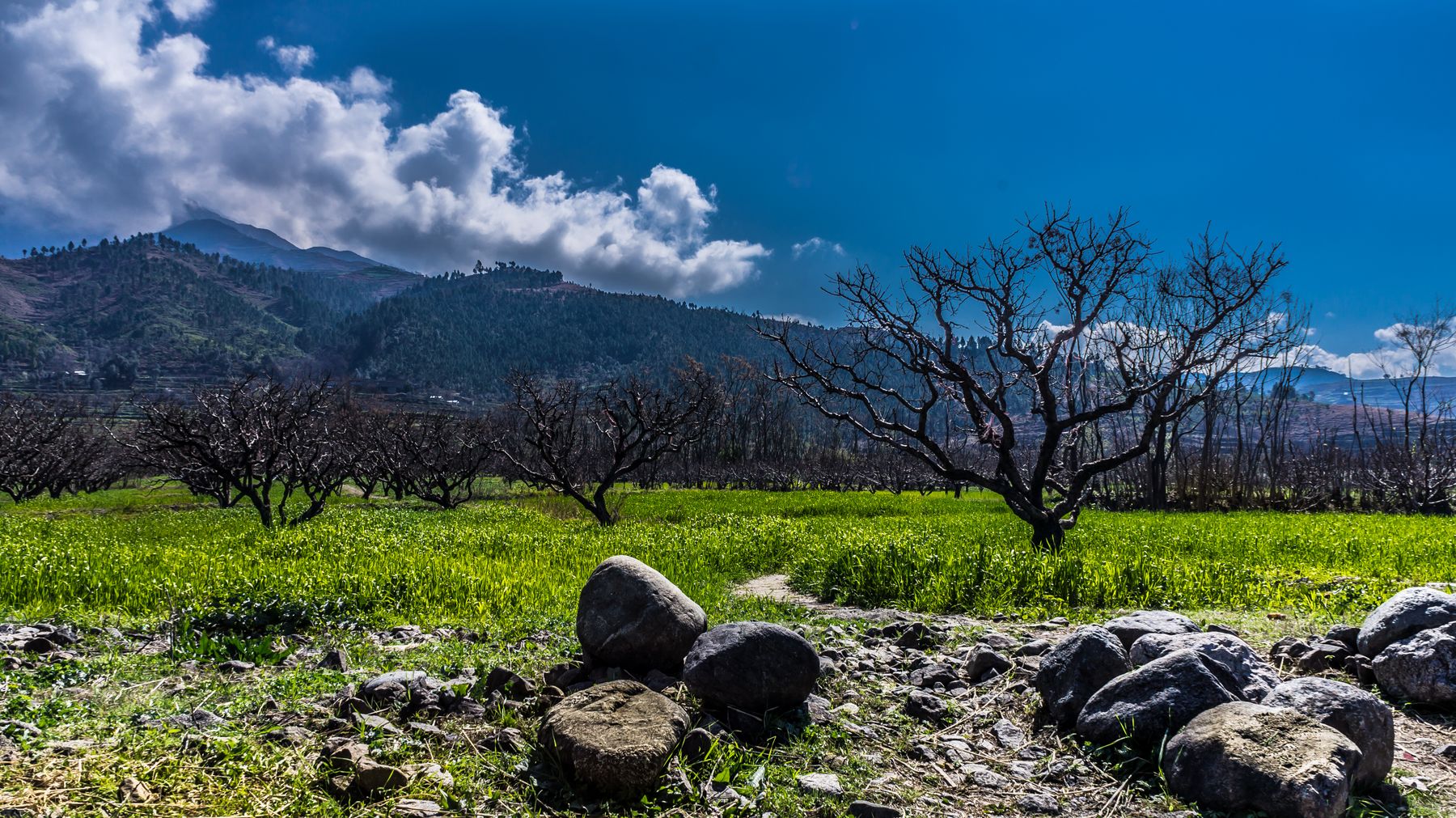
The Quaid-e-Azam Residency is a wooden building on a ridge above the town. It is now a museum and is open to visitors. The building has a veranda and views over the valley. Below the town, orchards of apple and other fruit trees are common. In spring the trees flower, and in autumn the fruit is picked.
Forest walks
Several tracks start near the town and lead into the juniper woodland. Walks can be short or take a few hours. The terrain is uneven, and paths may be faint. A local guide can help with routes. Carry water and a jacket, as weather changes quickly.
The Residency
The Quaid-e-Azam Residency stands on a ridge above Ziarat. The wooden building dates from the colonial period and is now a museum. It is a short drive or walk from the town centre. A fee is charged for entry. Opening hours can vary, so check locally.
A day or two there
With one day, start in the morning at the juniper forest. Walk for two or three hours on the tracks near town, then return for lunch. In the afternoon, visit the Quaid-e-Azam Residency and the bazaar. The evening is cool, and a walk along the ridge road gives views over the valley.
With two days, add a side trip to Kawas or Sasnamana. Both are short drives from Ziarat and give a sense of the wider forest and villages. A second afternoon can be spent on a longer walk, perhaps with a local guide. Nights are cold outside summer, so pack accordingly.
Getting there and around
Ziarat is reached by road from Quetta. The drive takes roughly two hours and climbs through dry hills. The road is paved but winding in places. Shared transport and taxis run from Quetta, and private cars can be hired. The nearest airport is in Quetta, which has connections to other cities in Pakistan.
In town, most places are within walking distance. For the forest and nearby villages, a car or taxi is useful. Local drivers know the tracks and can be hired for half a day. Fuel is available in Ziarat, but it is better to fill up in Quetta before leaving.
From Quetta
The road from Quetta to Ziarat is about 90 km and passes through several small settlements. Shared vans leave from Quetta in the morning. The journey takes around two hours, depending on traffic and weather. In winter, snow can slow the road, so check conditions before setting out.
Practical notes
Ziarat has a range of simple guest houses and small hotels. Book ahead in summer, when visitors from Quetta and other cities come for the cooler weather. Eating options are limited to basic local places. The town has a bank and a small hospital, but for more serious needs, Quetta is the nearest city.
The area is generally calm, but travel advice can change. Some districts in Balochistan require a No Objection Certificate (NOC) or have advisories. Check current official advice before travelling. Mobile coverage is patchy outside town. Bring cash, as card payments are not common. Respect local customs and dress modestly.
Weather and packing
Summers are mild, with daytime temperatures in the low twenties and cool nights. Winters are cold, with snow and sub-zero nights. Spring and autumn are pleasant but can be windy. Pack layers, a waterproof jacket and sturdy shoes for walking. Sun protection is needed at this altitude.
Frequently asked questions
What is the elevation of Ziarat?
Ziarat sits at about 2,449 m above sea level. This gives it cooler summers than Quetta and cold winters with snow. The altitude is high enough that visitors should take it easy on the first day and drink plenty of water.
When is the best time to visit Ziarat?
The best months are from May to October, when days are mild and the forest is green. July and August can bring afternoon cloud and rain. Winters are cold, with snow, and some roads may be affected. Spring and autumn are quieter but cooler.
How do you get to Ziarat from Quetta?
Ziarat is about a two-hour drive from Quetta by road. Shared vans and taxis run from the city, and private cars can be hired. The road climbs through hills and can be winding. In winter, check for snow before travelling.
What is there to see in Ziarat?
The main sights are the juniper forest and the Quaid-e-Azam Residency, a colonial-era building now used as a museum. The bazaar and nearby villages such as Kawas and Sasnamana are also worth a short visit. Walks in the forest are the main activity.