 Photo: Tahamie Farooqui / Pexels
The mud volcanoes of Hingol
The mud volcanoes of Hingol are low cones of grey mud that seep and bubble in the coastal desert of Balochistan, close to the mouth of the Hingol river and the Arabian Sea.
They sit in Hingol National Park, a large protected area of desert, river gorge and coast. The vents are not true volcanoes. Gas and water push up through soft sediment and build small cones that change shape with each wet season. The setting is arid and open, and the ground around the vents is soft.
How the visit goes
- MorningLeave the coast roadTurn off the Makran Coastal Highway near the Hingol river and follow rough tracks inland with a local guide or jeep.
- MiddayWalk to the ventsShort walks over soft, salty ground lead to the main cones. Keep to firm patches and watch where the mud is wet.
- AfternoonLook at the conesThe vents are small, often under a metre high, and grey. Bubbles of gas break the surface slowly, more in some seasons than others.
- Late afternoonReturn before darkTracks are hard to follow after sunset. Plan the return with time to spare and carry water for the drive back.
What to bring
- Sturdy shoes for soft, salty ground
- Sun hat and high-factor sunscreen
- Drinking water for the whole day
- A light jacket for windy coastal afternoons
- A charged phone and a paper map
Know before you go
- The vents lie inside Hingol National Park; a park fee may be charged.
- Some districts of Balochistan can require a No Objection Certificate; rules change, so check current official advice.
- There are no facilities at the site, so carry everything you need and take rubbish away.
- The ground near the vents is soft and can be unstable; keep a safe distance from wet mud.
- Mobile coverage is patchy along this stretch of coast.
Where it starts
The usual start is the Makran Coastal Highway west of Ormara, where rough tracks turn inland near the Hingol river. Travellers normally hire a local guide or jeep from the coastal towns, as the tracks are unsigned.
What the mud volcanoes are
The mud volcanoes of Hingol are not volcanic in the usual sense. They are vents where gas, water and fine sediment rise to the surface under pressure. The gas is mostly methane, produced as organic matter breaks down in the deep sediment of the coastal basin. As the mixture reaches the surface it builds small cones of grey mud, often less than a metre high.
The cones change from season to season. Heavy rain can wash them flat, and dry spells let them build again. The surrounding ground is salty and bare, with patches of cracked mud and low desert scrub. The vents are part of Hingol National Park, which covers desert, river gorge and coastline.
The site is quiet and open. There is no visitor centre and no marked trail. The main cones are reached on foot over soft ground, and the walk is short but uneven.
Why they bubble
Bubbles of gas break slowly through the wet mud. Activity varies with rainfall and underground pressure, so some vents are livelier than others on any given day. The mud is cool to the touch and smells faintly of sulphur in places.
Getting there and access
The vents lie inland from the Makran Coastal Highway, the road that runs along the Arabian Sea between Karachi and Gwadar. The nearest signed turn-offs are near the Hingol river, where rough tracks lead towards the vents. These tracks are sandy and often unsigned, and a local guide or a four-wheel-drive jeep is the usual way to reach the site.
Distances are short in kilometres but slow in time. Allow a full day from the coastal towns for the drive, the walk and the return. Fuel and water should be taken before leaving the highway, as there are no services at the vents.
Hingol National Park lies in Balochistan. Some districts in the province can require a No Objection Certificate for travel, and rules change. Check current official advice before setting out, and carry identification.
When to go and what to expect
The coast here is hot for much of the year. The coolest months are from November to February, when days are mild and nights can be cold. From March onwards the heat builds, and by May and June daytime temperatures are high. The monsoon months of July and August can bring rain and humid conditions, and tracks may be muddy.
The vents can be visited at any time of year, but the cooler months are more comfortable. Early morning and late afternoon are the best hours for walking, and the light is softer for photographs. Wind is common on the coast, and dust can reduce visibility.
There are no facilities at the site. Carry drinking water, food and sun protection, and take all rubbish away. The ground near the vents is soft and can be unstable, so keep a safe distance from wet mud and do not walk on the cones themselves.
What to wear
Sturdy shoes are needed for the soft, salty ground. Loose clothing and a hat help in the heat, and a light jacket is useful for windy afternoons on the coast. A charged phone and a paper map are sensible, as mobile coverage is patchy.
Frequently asked questions
Are the mud volcanoes of Hingol real volcanoes?
No. They are vents where gas, water and fine sediment reach the surface and build small cones of grey mud. The gas is mostly methane from deep sediment. The cones are usually less than a metre high and change shape with the seasons.
How do you reach the mud volcanoes of Hingol?
They lie inland from the Makran Coastal Highway near the Hingol river. Rough, unsigned tracks lead to the site, and travellers usually hire a local guide or jeep. Allow a full day from the coastal towns for the drive and the walk.
When is the best time to visit the mud volcanoes of Hingol?
The cooler months from November to February are the most comfortable, with mild days and cold nights. Heat builds from March, and July and August can bring rain. Early morning and late afternoon are the best hours for walking.
Do you need a permit for the mud volcanoes of Hingol?
Hingol National Park lies in Balochistan, where some districts can require a No Objection Certificate for travel. Rules change, so check current official advice before going. A park fee may also be charged at the site.
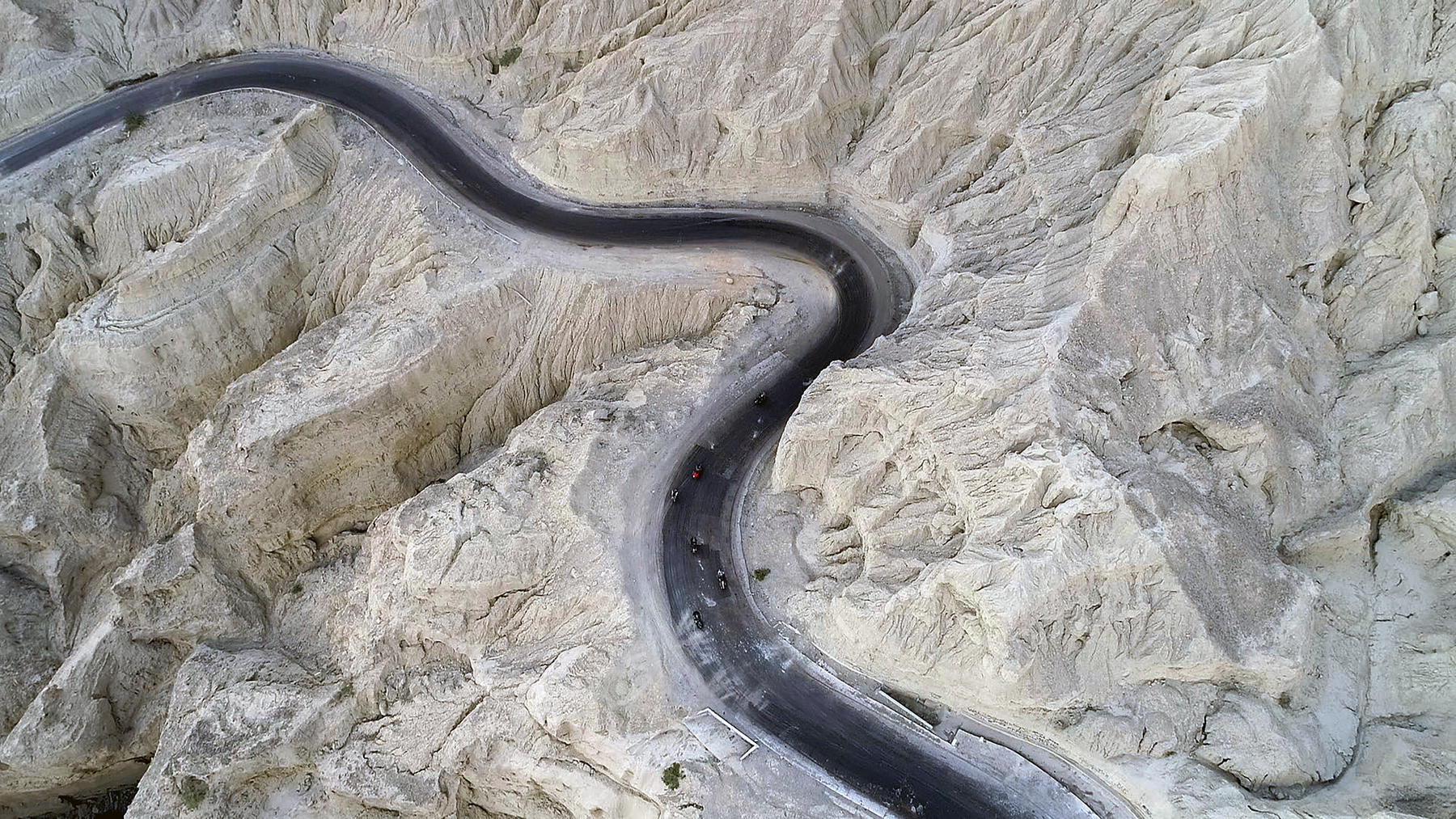 Photo: Faisal Baig / Pexels
Where to stay nearby
There is no accommodation at the vents. Most travellers base themselves on the coastal highway and visit as a day trip.