 Photo: mhtoori .com / Pexels
A visit to the Kalash valleys
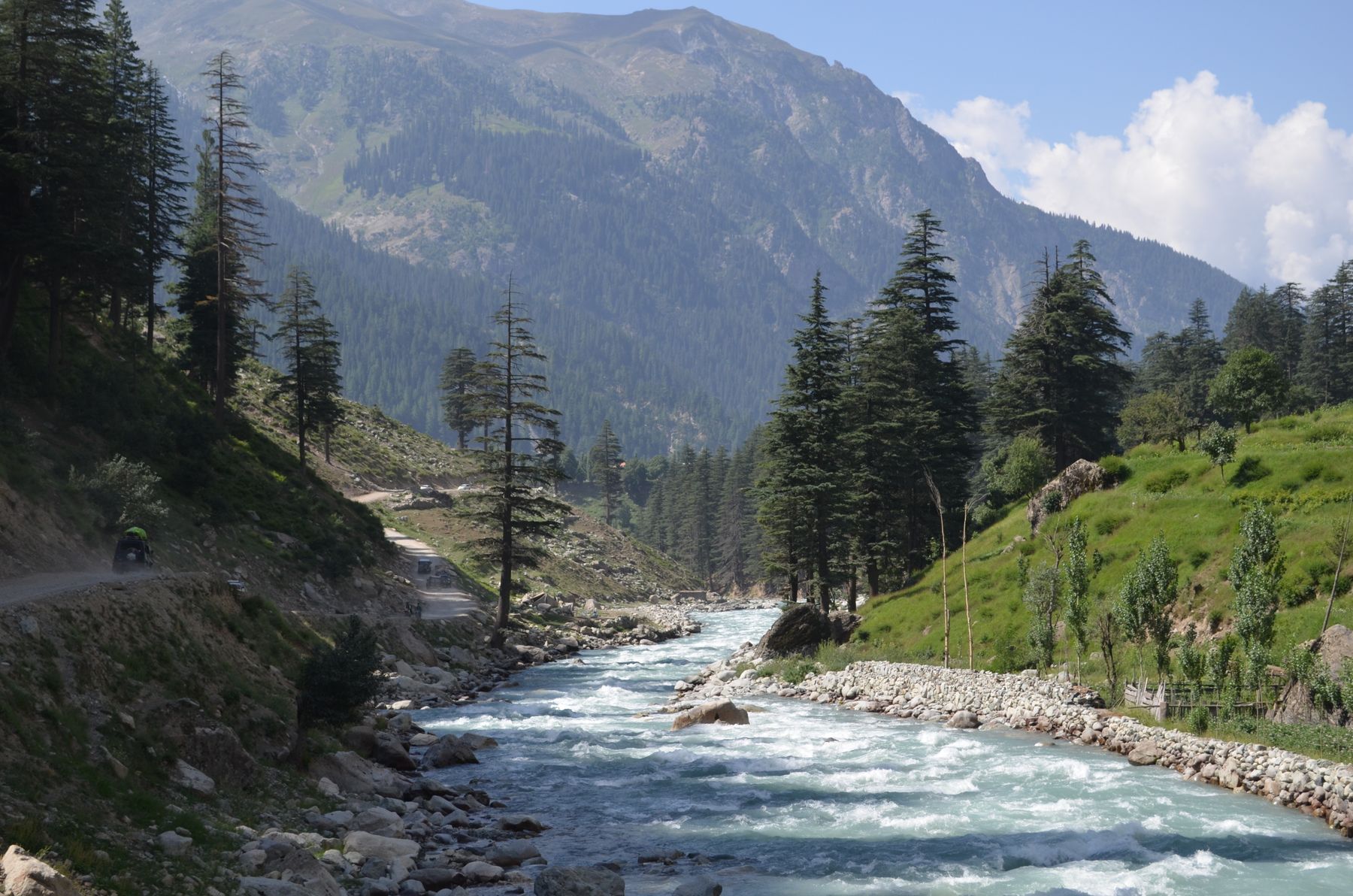
The Kalash valleys lie in the Hindu Kush south of Chitral town. Three valleys, Bumburet, Rumbur and Birir, hold villages of the Kalash people, who follow their own religion and calendar of festivals.
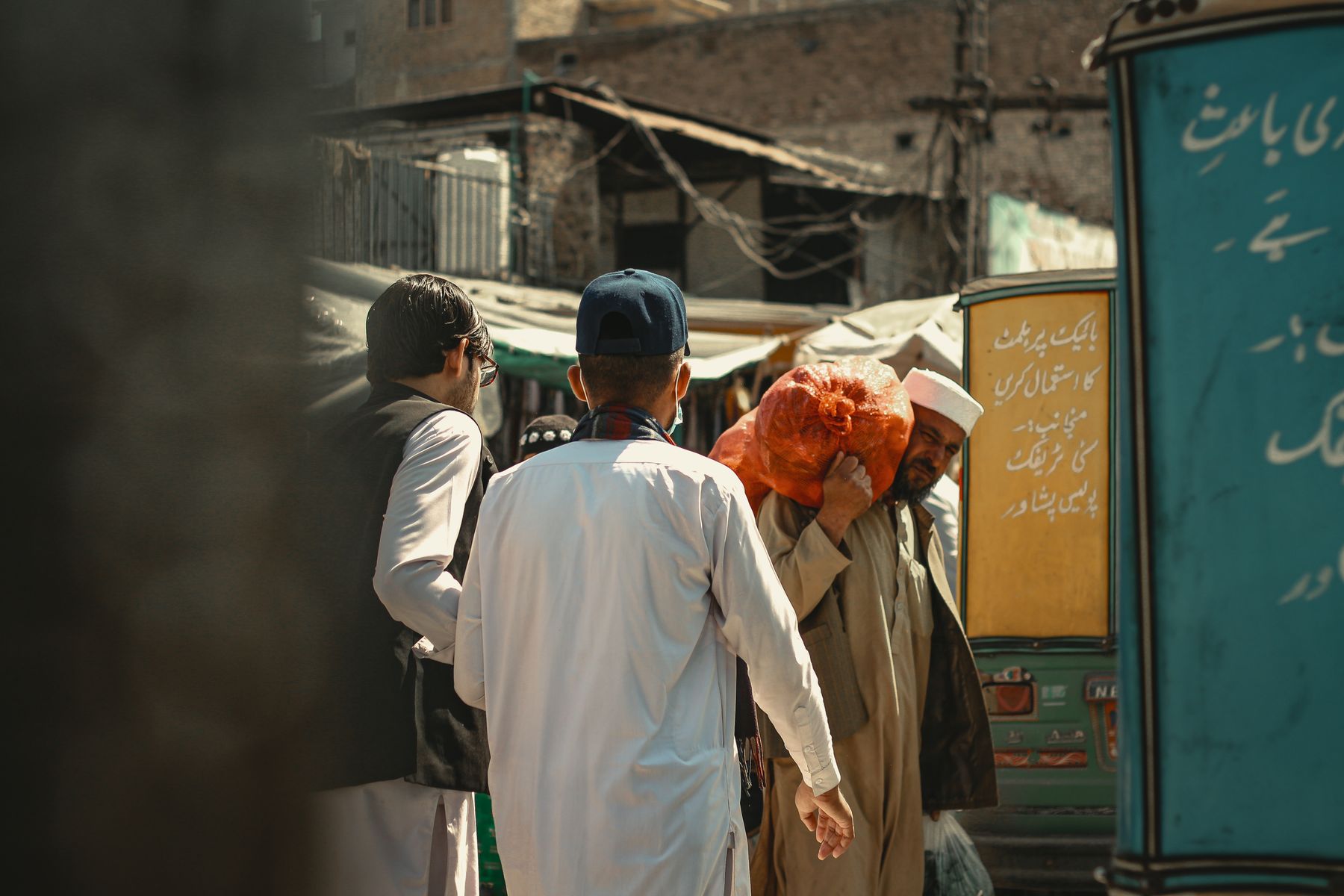
A visit to the Kalash valleys is a chance to see a culture distinct from the rest of Pakistan. The Kalash have their own gods, festivals and customs. Villages sit among terraced fields and walnut trees, with carved wooden temples and grazing land above. The valleys are reached from Chitral by jeep over rough tracks. Travel is slow and the setting is rural. Visitors should respect local customs and ask before taking photographs.
How the visit goes
- MorningLeave ChitralDrive south from Chitral town towards Ayun. The road follows the Kunar river, then turns up the Bumburet valley.
- MiddayArrive BumburetBumburet is the most visited valley. Walk through the main village and see the carved wooden temples and communal halls.
- AfternoonWalk the terracesPaths lead up through fields and orchards. A local guide can explain the calendar of festivals and the layout of the villages.
- EveningStay overnightSimple guest houses in Bumburet or nearby offer rooms. Evenings are cool. Electricity can be limited.
- Next dayRumbur or BirirWith more time, continue to Rumbur or Birir. These valleys are quieter and reached by rougher tracks.
What to bring
- Warm layers for cool evenings, even in summer
- Sturdy shoes for walking on rough paths and terraces
- Cash in small notes, as there are no banks in the valleys
- A torch or head torch for power cuts
- Sun protection and a hat for midday walks
Know before you go
- A local guide is usually hired in Bumburet or Chitral to visit villages and explain customs.
- Photography of people should be with permission. Some villagers may ask for a small fee.
- The valleys are reached by jeep from Ayun. The track is rough and can be affected by landslides.
- Festivals such as Chilam Joshi in spring and Uchal in late summer draw many visitors.
- Mobile signal is limited. Check current road and security advice before travelling.
Where it starts
The valleys start from Ayun, about an hour south of Chitral town by road. From Ayun, jeep tracks climb to Bumburet, Rumbur and Birir. Chitral is reached by air from Islamabad, weather permitting, or by road over the Lowari Pass.
The Kalash culture
The Kalash are a small religious minority in Chitral. They follow a faith with multiple deities and a cycle of festivals tied to the agricultural year. Their language, Kalasha, is distinct. Villages have carved wooden temples and open spaces for dancing and gatherings. The Kalash do not bury their dead in the same way as neighbouring communities, and their customs around birth, marriage and death differ.
Visitors are welcome in many villages, but this is a living culture, not a display. Dress modestly and ask before entering temple areas or photographing people. A local guide can explain which places are open to visitors and how to behave during festivals.
Festivals
Chilam Joshi in spring and Uchal in late summer are the best-known Kalash festivals. They involve music, dancing and processions. Dates follow the Kalash calendar and can shift. Accommodation is busy at these times, so plan well ahead.
The three valleys
Bumburet is the largest and most accessible valley. It has the most guest houses and the easiest road access from Ayun. The main village has several carved temples and a steady flow of visitors in summer. Rumbur and Birir are smaller and quieter. Roads to these valleys are rougher and may require a jeep, especially after rain.
Each valley has its own character. Bumburet is busier and more used to visitors. Rumbur has a more remote feel, with villages set higher on the hillside. Birir is the southernmost and least visited. Walking between villages is possible on footpaths, but a guide is useful for directions and for gaining access to village areas.
Practical points
The best months to visit are May to September, when the Lowari Pass and valley tracks are usually open. Spring brings flowering trees, and autumn is clear and cool. Winters are cold, and some roads may close with snow. Check current conditions before setting out.
Travel in the region can require permits or be subject to advisories. Rules change, so check official advice before travelling. The Kalash valleys are generally reached from Chitral, which has flights from Islamabad when weather allows and a road link over the Lowari Pass. Allow extra days for delays.
Guides and jeeps
Travellers usually hire a local guide and a jeep in Chitral or Ayun. A guide can help with language, customs and access to villages. Jeeps are needed for the rougher tracks to Rumbur and Birir. Agree the route and time in advance.
Frequently asked questions
What is the best time to visit the Kalash valleys?
The best months are May to September, when the Lowari Pass and valley tracks are usually open. Spring has flowering trees, and autumn is clear. Winters are cold and some roads may close with snow. Check current conditions before travelling.
How do you reach the Kalash valleys?
The valleys are reached from Chitral town. Drive south to Ayun, then take a jeep up the tracks to Bumburet, Rumbur or Birir. Chitral has flights from Islamabad when weather permits and a road link over the Lowari Pass. Allow extra days for delays.
Are permits needed for the Kalash valleys?
Rules can change. Some areas of Chitral and nearby districts may require a No Objection Certificate or be subject to travel advisories. Check current official advice before travelling. A local guide can also advise on local requirements.
What should you respect when visiting Kalash villages?
Dress modestly and ask before photographing people or entering temple areas. Some villagers may ask for a small fee for photographs. Follow the guidance of a local guide, especially during festivals, and remember that villages are private homes as well as cultural sites.
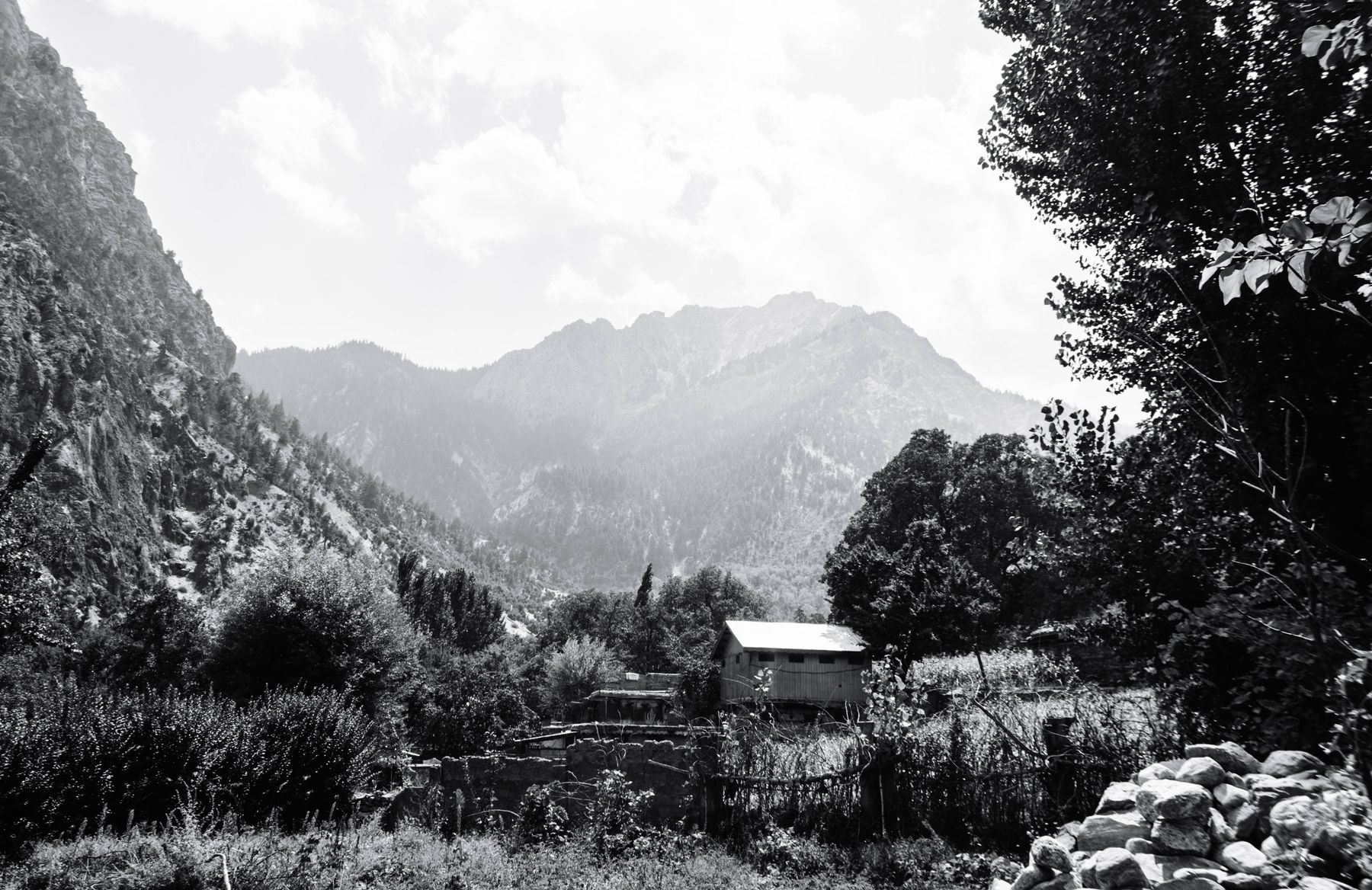 Photo: Aa Dil / Pexels
Staying in the valleys
Guest houses in Bumburet and Chitral offer simple rooms. Book ahead during festival weeks.