 Photo:
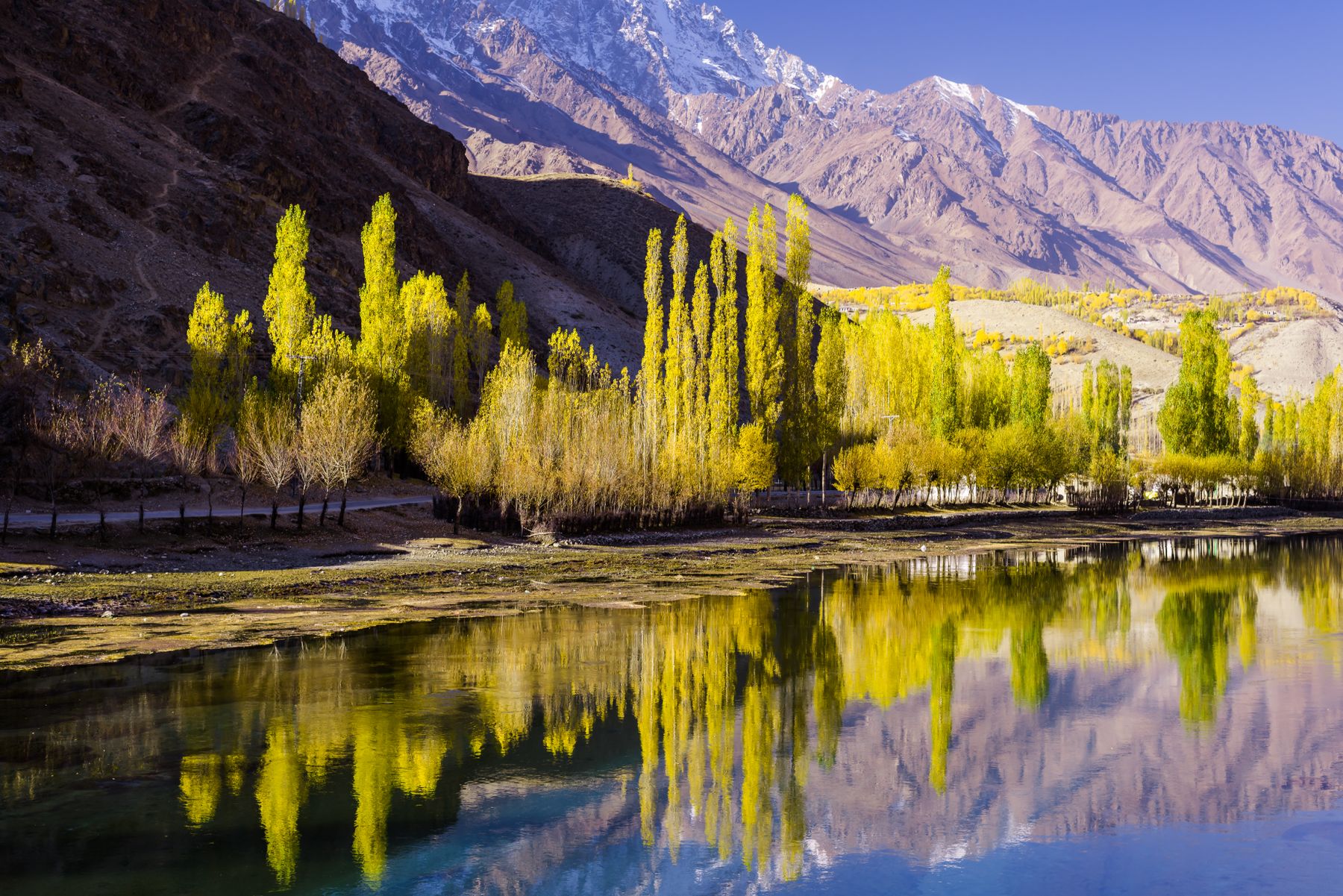
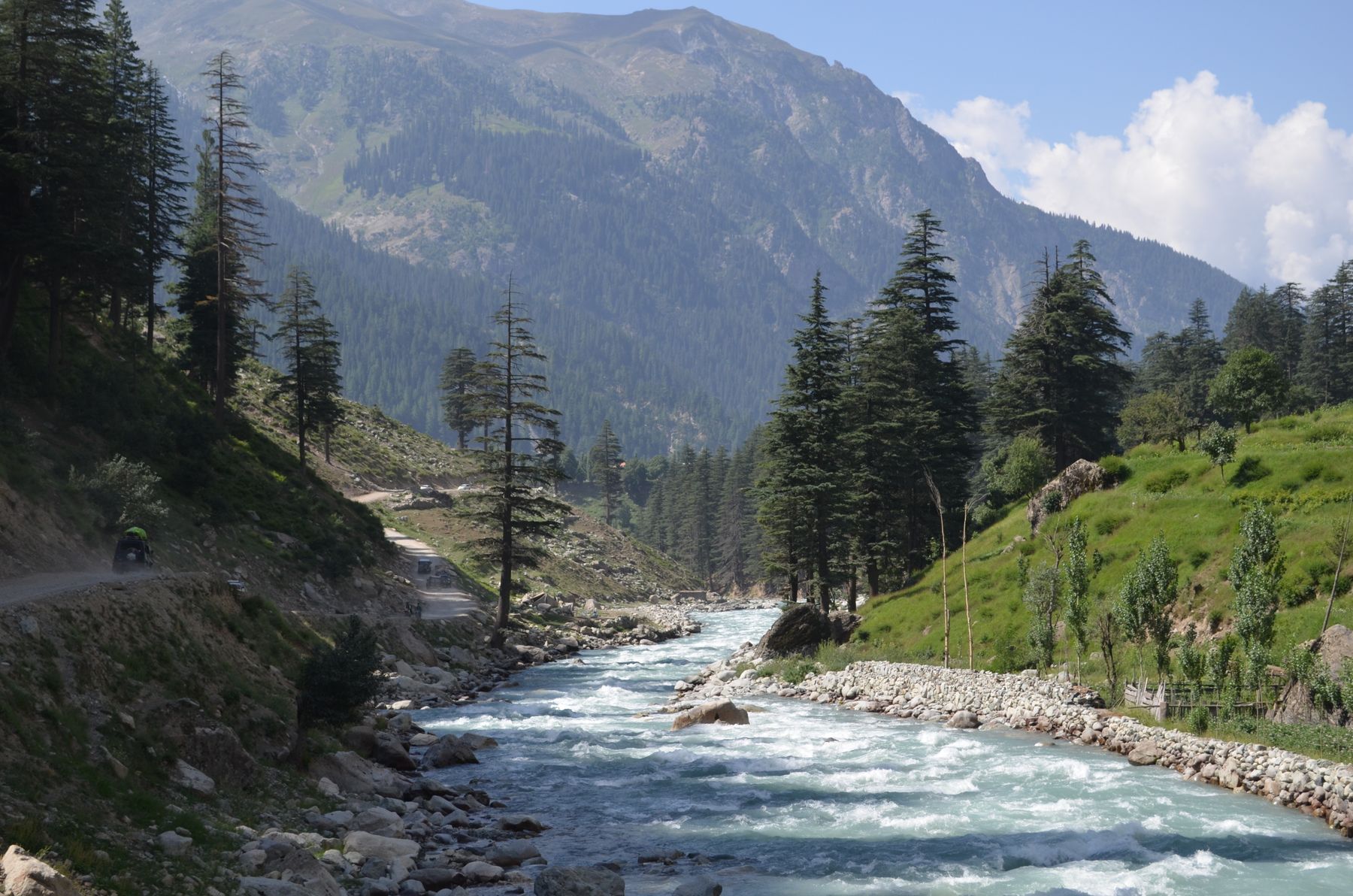
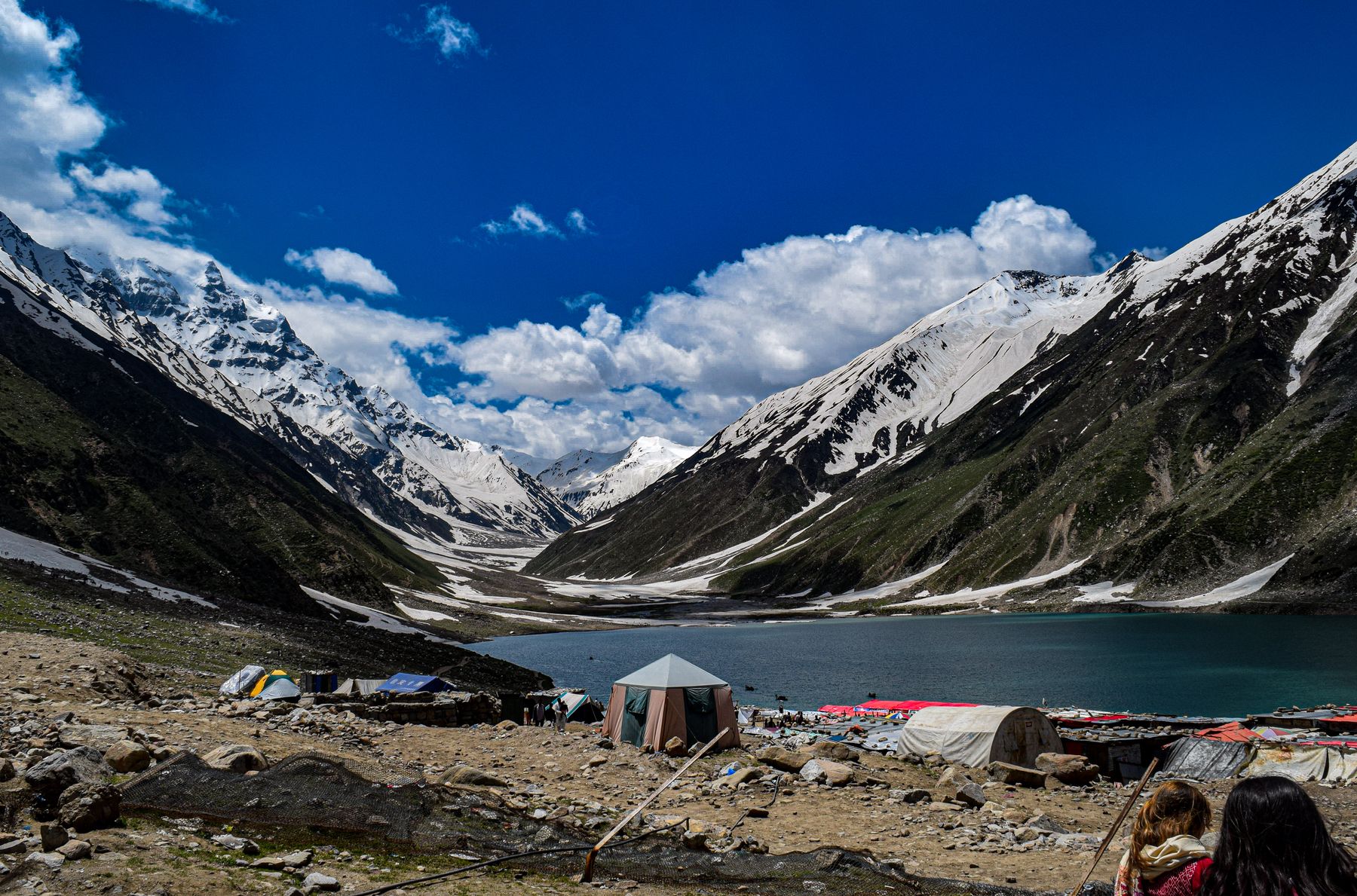
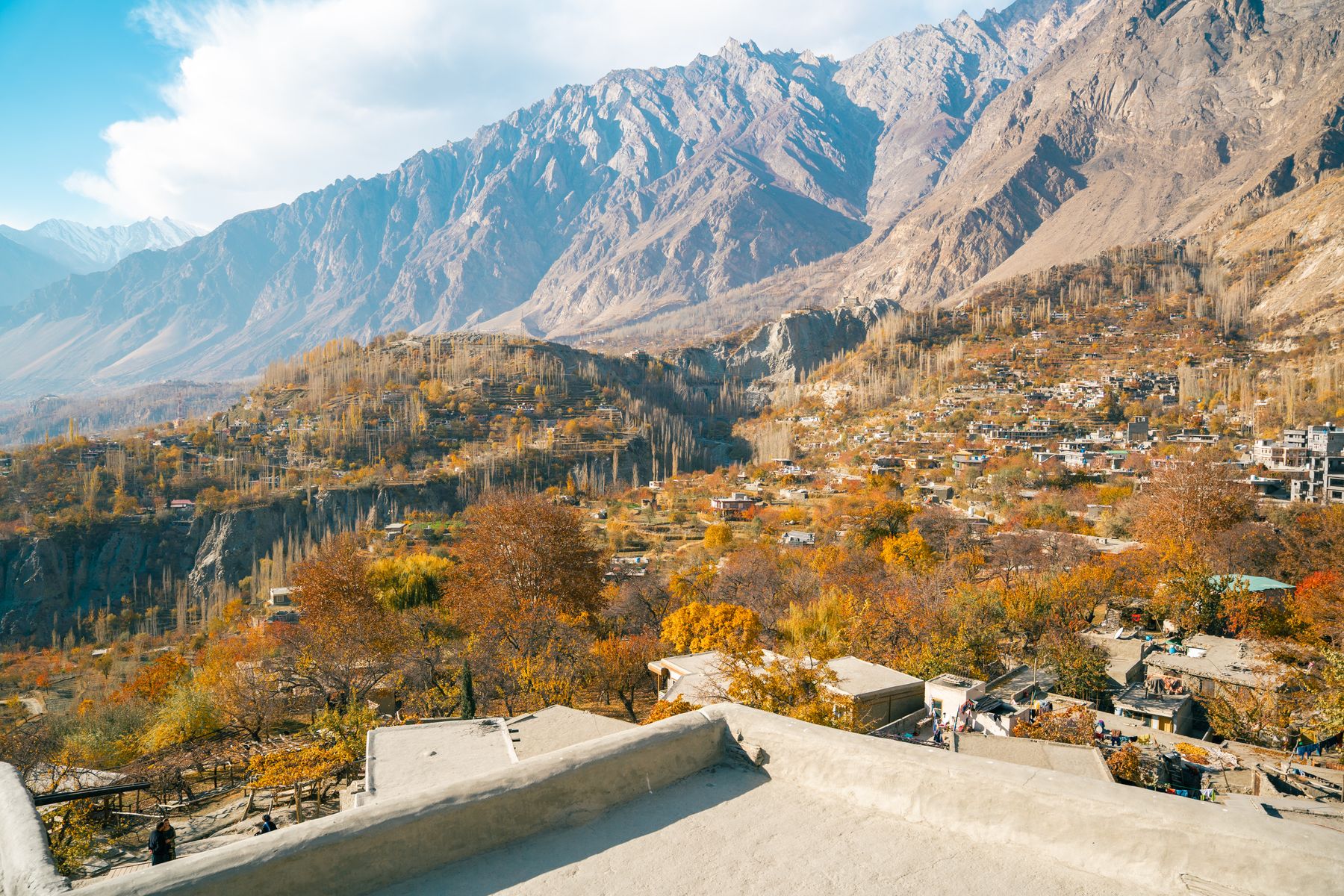
Visiting Kalash Valleys
What to see
The Kalash Valleys are known for their culture and landscape. In Bumburet, the Kalash museum near the main village displays tools, dress and photographs. Traditional houses are built of wood and stone, often with carved pillars. Graveyards hold wooden effigies and carved figures. The fields are terraced and watered by streams from the side valleys.
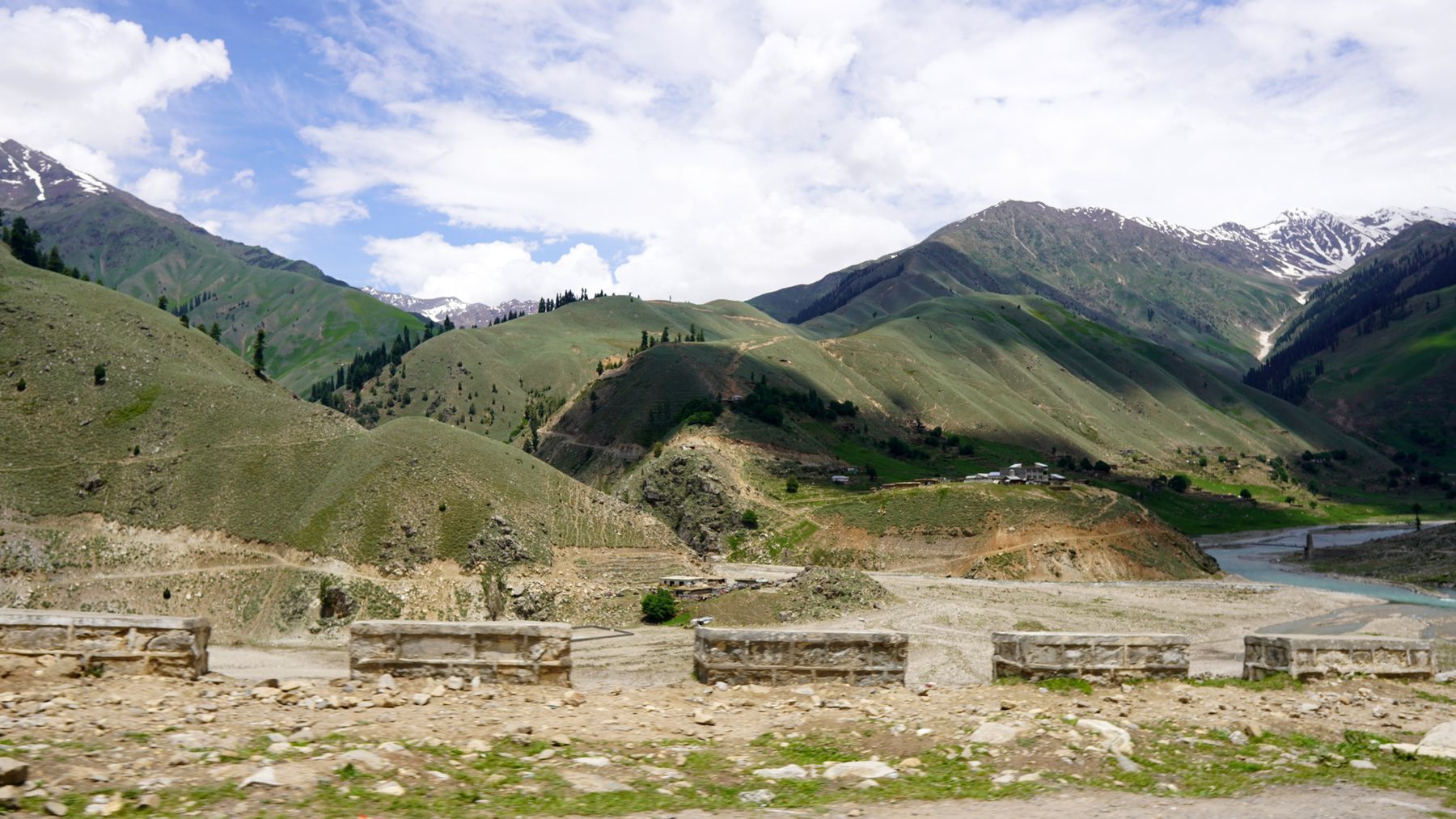
Each valley has its own character. Bumburet is the most developed, with a clear road and more visitors. Rumbur and Birir are quieter, with fewer facilities and more traditional farming. Walnut and apricot trees are common. In spring, the valleys are green and the higher slopes may still have snow.
Kalash festivals
The Kalash hold several festivals through the year. Chilam Joshi in spring, Uchau in late summer and Chaumos in winter are the main ones. Dates follow the Kalash calendar and can vary. Visitors may be allowed to watch some events, but should ask locally and respect customs. Photography may be restricted in some places.
A day or two there
With one day, start early from Chitral town and drive to Bumburet. Walk through the main village, visit the museum and continue to Krakal for the graveyard. Return to Chitral by late afternoon. This gives a first view of the valleys and their culture.
With two days, spend the first day in Bumburet and the second in Rumbur or Birir. Rumbur is reached by a rough road from Ayun and has villages such as Balanguru. Birir is further south and quieter. Both allow walks through fields and villages. Overnight stays are possible in simple guest houses, but facilities are limited.
Walking and views
Walks between villages take an hour or two. Paths cross streams and fields, and climb gently up the valley sides. The higher slopes give views of the Hindu Kush. Carry water and sun protection. In summer, afternoons can be warm, so start early.
Getting there and around
The Kalash Valleys are reached from Chitral town. The road follows the Chitral river south to Ayun, where a side road turns west into Bumburet. The drive to Bumburet takes about 45 minutes to an hour. Rumbur is reached by a rougher road from Ayun, and Birir by a separate road further south. A four-wheel-drive vehicle is useful for Rumbur and Birir.
From Chitral, there are local vans and jeeps to the valleys, but schedules vary. Hiring a vehicle with a driver is more flexible. Within the valleys, walking is the main way to reach villages. Roads are narrow and can be affected by landslides in the rainy season.
From Chitral town
Chitral town has the nearest airport and main road connections. The airport has flights to Peshawar and Islamabad, weather permitting. By road, the Lowari Tunnel links Chitral to Dir and the rest of Khyber Pakhtunkhwa. The journey from Peshawar takes most of a day.
Practical notes
The Kalash Valleys are in Chitral district, Khyber Pakhtunkhwa. Access is generally open to visitors, but rules can change. Some areas near borders may require a No Objection Certificate (NOC). Check current official advice before travel. The valleys are not near the Line of Control, but local restrictions can apply.
Facilities are limited. Bumburet has simple guest houses and a few shops. Rumbur and Birir have fewer options. Bring cash, as there are no banks or ATMs in the valleys. Mobile signals are weak. Electricity may be intermittent. Respect local customs: ask before taking photographs of people, and dress modestly.
When to go
The best months are May to September, when the valleys are green and the roads are clear. Spring brings flowers and the Chilam Joshi festival. Autumn is cooler and quieter. Winter can bring snow, and some roads may be closed. Check conditions before setting out.
People and history
The Kalash are a small non-Muslim people living in the three valleys. Their origins are debated. They speak Kalasha, a language of the Dardic group. Their religion includes festivals, sacrifices and a belief in spirits. The Kalash population is estimated at a few thousand, though numbers vary.
The valleys were part of the former Chitral princely state. Access improved in the twentieth century. Today, tourism is part of the local economy, but farming remains important. The Kalash have faced pressure on their land and culture, and community organisations work to preserve traditions.
Frequently asked questions
Where are the Kalash Valleys?
The Kalash Valleys are in Chitral district, Khyber Pakhtunkhwa, Pakistan. They lie south of Chitral town and west of the Chitral river. The three main valleys are Bumburet, Rumbur and Birir. They are reached by road from Chitral town, via the town of Ayun.
What is the best time to visit the Kalash Valleys?
The best months are May to September, when the weather is mild and the roads are usually clear. Spring and summer bring festivals and green fields. Autumn is cooler and quieter. Winter can bring snow and road closures, so check conditions before travelling.
Do you need a permit for the Kalash Valleys?
Generally, no special permit is needed for the Kalash Valleys, but rules can change. Some border areas of Chitral may require a No Objection Certificate (NOC). Check current official advice before travel. Carry identification and be prepared for checks.
How do you get to the Kalash Valleys?
From Chitral town, take the road south to Ayun, then the side road west to Bumburet. The drive takes about 45 minutes to an hour. Rumbur and Birir are reached by rougher roads from Ayun. Local transport and hired vehicles are available in Chitral.