 Photo: Muhammad Shamaoon Malik / Pexels
Peshawar old city walk
Peshawar's old city is a dense grid of bazaars, mosques and carved timber balconies behind surviving gates. A walk here covers centuries of trade and building in a few hours.
The walled city sits west of the modern centre, around Chowk Yadgar and the bazaars leading to Bala Hisar Fort. Most of the old gates have gone, but the street pattern remains. The route below is a general direction, not a fixed trail. Streets are narrow and busy, and the order can change with closures or crowds.
How the walk goes
- MorningStart at Chowk YadgarBegin at this central square and orient yourself. The bazaars radiate west and north from here. Arrive early before the crowds build.
- Mid-morningQissa Khwani BazaarWalk west along the main bazaar street. Tea houses and cloth shops line the route. The name refers to the storytellers once found here.
- Late morningMahabat Khan MosqueTurn off the bazaar to reach this 17th-century mosque. The interior has painted panels and a large courtyard. Non-Muslim visitors should check access at the entrance.
- MiddaySethi HousesContinue north to the Sethi quarter. Several merchant houses with carved wooden balconies stand on narrow lanes. Some are open to visitors; ask locally which.
- AfternoonBala Hisar and gatesFinish near Bala Hisar Fort, a military area with limited access. Nearby streets hold remnants of the old city walls and gate names.
What to bring
- Comfortable shoes for uneven lanes
- Modest clothing covering arms and legs
- Water and a hat in warmer months
- Small notes for tea and snacks
- A charged phone for maps
Know before you go
- The area is busy and congested; keep valuables close.
- Some mosques and shrines have separate visiting times or restricted entry for non-Muslims.
- Photography may be restricted near military sites such as Bala Hisar Fort.
- Friday mornings are quiet in the bazaars but mosques are busy at prayer times.
- A local guide can be hired informally; agree the route and time beforehand.
Where it starts
Start at Chowk Yadgar in the centre of Peshawar. Most visitors reach it by rickshaw or taxi from the modern city or from Peshawar Cantonment. The square is a short ride from the main bus and railway stations.
The route through the bazaars
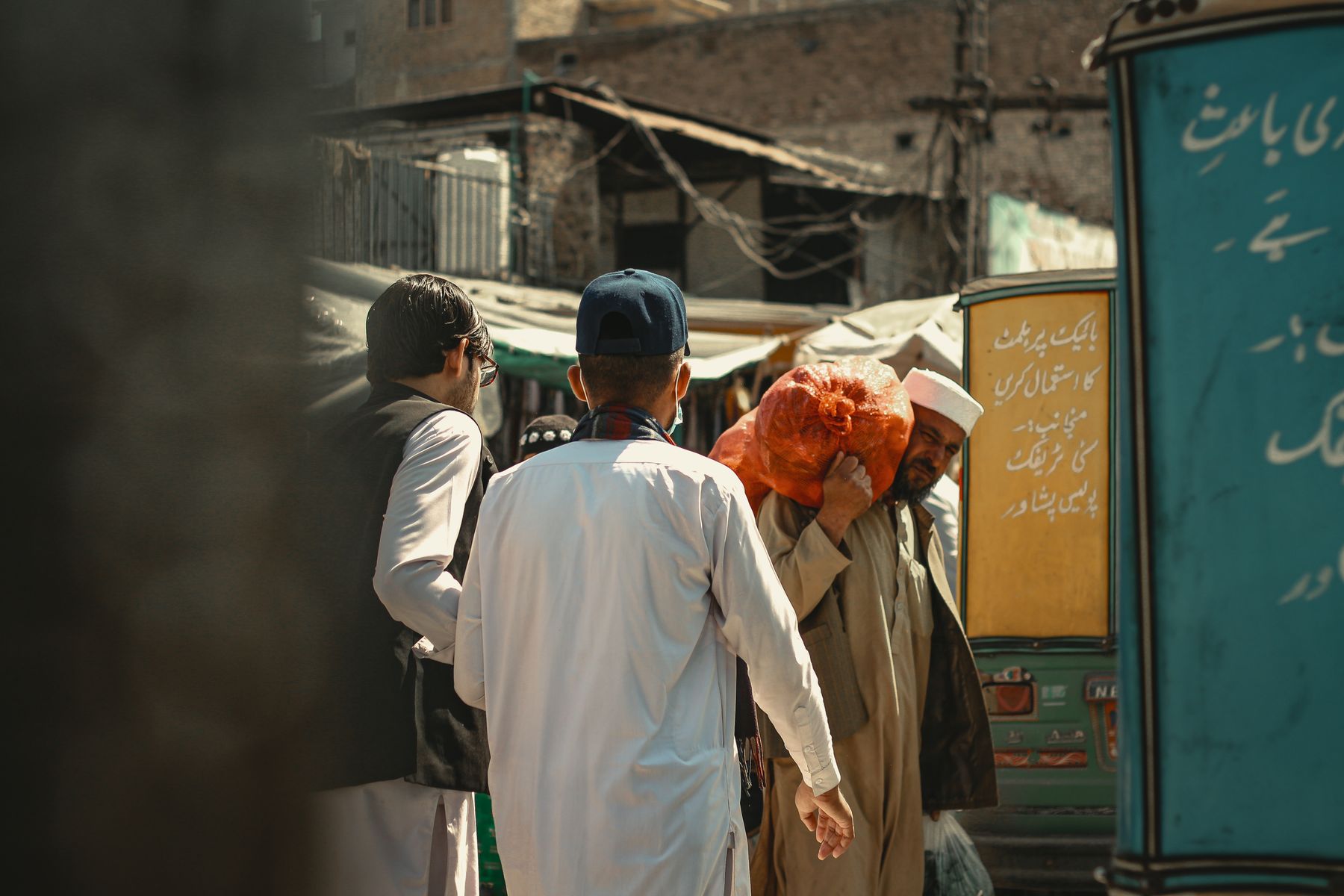
The old city is best entered on foot. From Chowk Yadgar, the main bazaars run west and north. Qissa Khwani Bazaar is the broadest and busiest, lined with cloth shops, tea houses and stalls. Side lanes lead to specialised markets for copper, spices and dry fruit. The streets are narrow and often crowded, so progress is slow. Allow time to stop and look.
The route is not signposted as a heritage trail. Streets change character quickly, and some lanes are closed to traffic at different times of day. A paper map or offline phone map helps, but asking shopkeepers for directions is common practice. The walk can be shortened or extended depending on interest and energy.
Qissa Khwani Bazaar
This bazaar takes its name from the storytellers who once gathered here. Today it is a commercial street with tea houses and shops selling everything from textiles to electronics. The atmosphere is lively in the morning and late afternoon. It is a good place to start or end a walk.
Gates and walls
Peshawar's walled city once had several gates, including Lahori Gate and Sarasia Gate. Most of the walls have gone, but the gate names survive as place names. Some structures remain in part. Walking between these points gives a sense of the old city's extent.
Mosques and old houses
Mahabat Khan Mosque, built in the 17th century, is the most prominent monument in the old city. Its courtyard and painted interior are open to visitors outside prayer times, though access for non-Muslims can be restricted. Nearby, the Sethi quarter holds a cluster of merchant houses with carved timber balconies and internal courtyards. These were built by wealthy trading families and some are still in private use.
Other mosques and shrines are scattered through the lanes. Some are small and easy to miss. The Gor Khatri area, near the old city edge, contains a Hindu temple complex and a Mughal-era caravanserai. These sites are not always open, and opening times are not fixed. It is worth checking locally before making a special trip.
Mahabat Khan Mosque
This mosque sits just off the main bazaar. It has a large courtyard and interior walls decorated with painted panels. Visitors should dress modestly and remove shoes before entering. Non-Muslim access may be limited to certain hours, so ask at the entrance.
Sethi Houses
The Sethi merchant houses are known for their carved wooden balconies and narrow lanes. Several stand in the Sethi quarter north of the main bazaar. Some are open to visitors, often for a small fee, while others remain private homes. Ask locally which are accessible.
Timing, access and safety
The cooler months from October to March are the most comfortable for walking. Summer afternoons are hot, so an early start is better. Fridays are quieter in the bazaars but busy at mosques around prayer times. Most shops open by mid-morning and close around sunset. The old city is generally safe for visitors during the day, but it is a crowded urban area and petty theft can occur.
Some areas near Peshawar, particularly towards the border districts, may require a No Objection Certificate (NOC) or have travel advisories. Rules change, so check current official advice before travelling. Within the old city, no permit is normally needed for the walk described here. A local guide can be hired informally if you want more context, but it is not essential.
Frequently asked questions
How long does the Peshawar old city walk take?
Most people spend three to four hours on the route, including stops at mosques and bazaars. A shorter version covering just Qissa Khwani Bazaar and Mahabat Khan Mosque takes about two hours. The walk can be extended to include the Sethi quarter and Gor Khatri.
Is the Peshawar old city walk suitable for non-Muslim visitors?
Non-Muslim visitors can walk through the bazaars and streets freely. Access to mosques and shrines may be restricted at prayer times or for non-Muslims entirely. Mahabat Khan Mosque, for example, may allow visitors outside prayer times. Always ask at the entrance before entering.
What should I wear for the Peshawar old city walk?
Modest clothing covering arms and legs is respectful and practical. Comfortable shoes are essential because the lanes are uneven and often crowded. In summer, light cotton clothing and a hat help. Women may feel more comfortable with a scarf to cover the head when entering religious sites.
Do I need a guide for the Peshawar old city walk?
A guide is not required, but local guides can be hired informally at Chowk Yadgar or through hotels. They can help with navigation and context, and may know which houses are open. Agree the route and time beforehand. Walking independently is also common with a map or offline app.
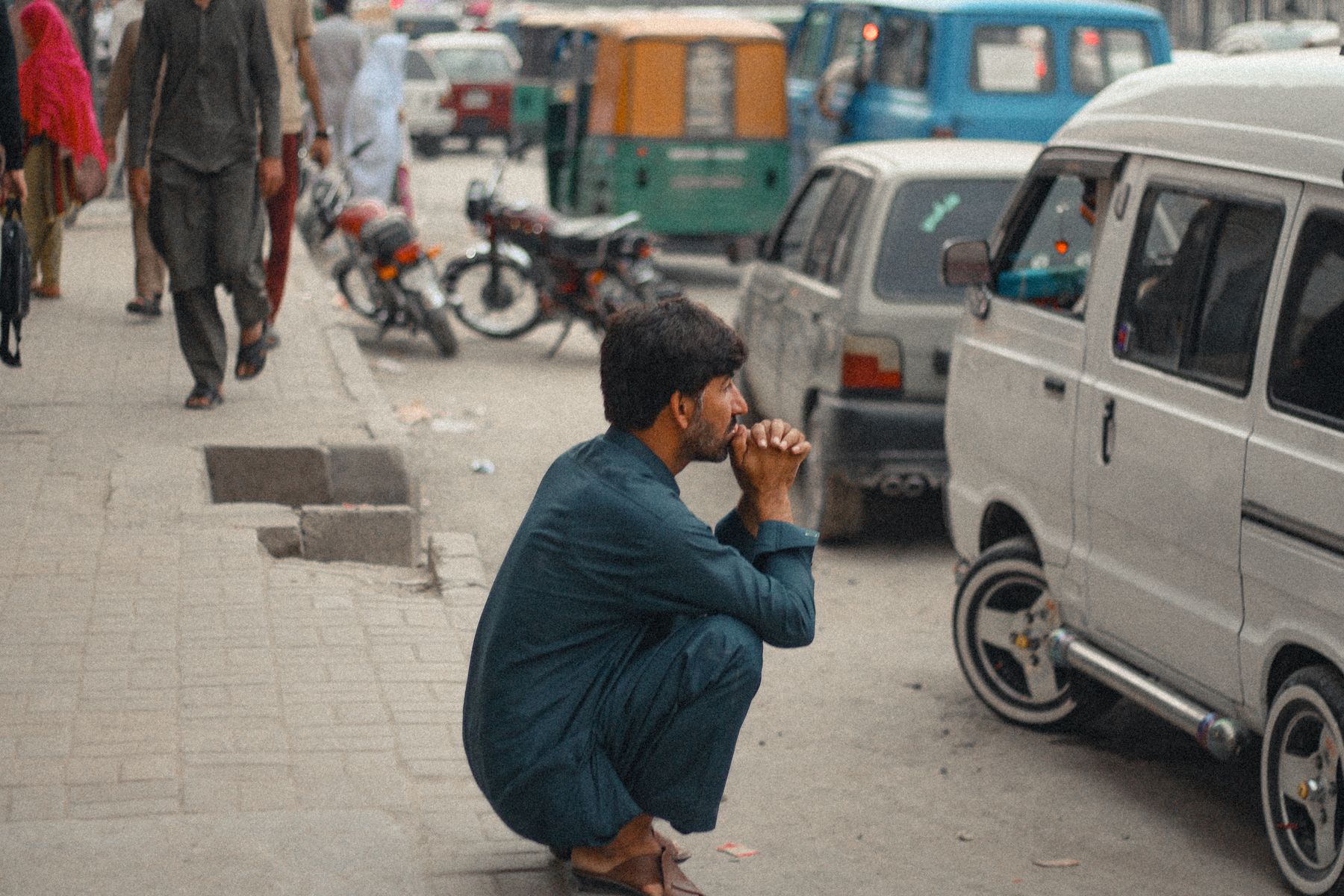 Photo: Muhammad Shamaoon Malik / Pexels
Where to stay
Most visitors stay in the cantonment area or the modern centre, a short ride from the old city.