 Photo:
Visiting Peshawar
What the city is like
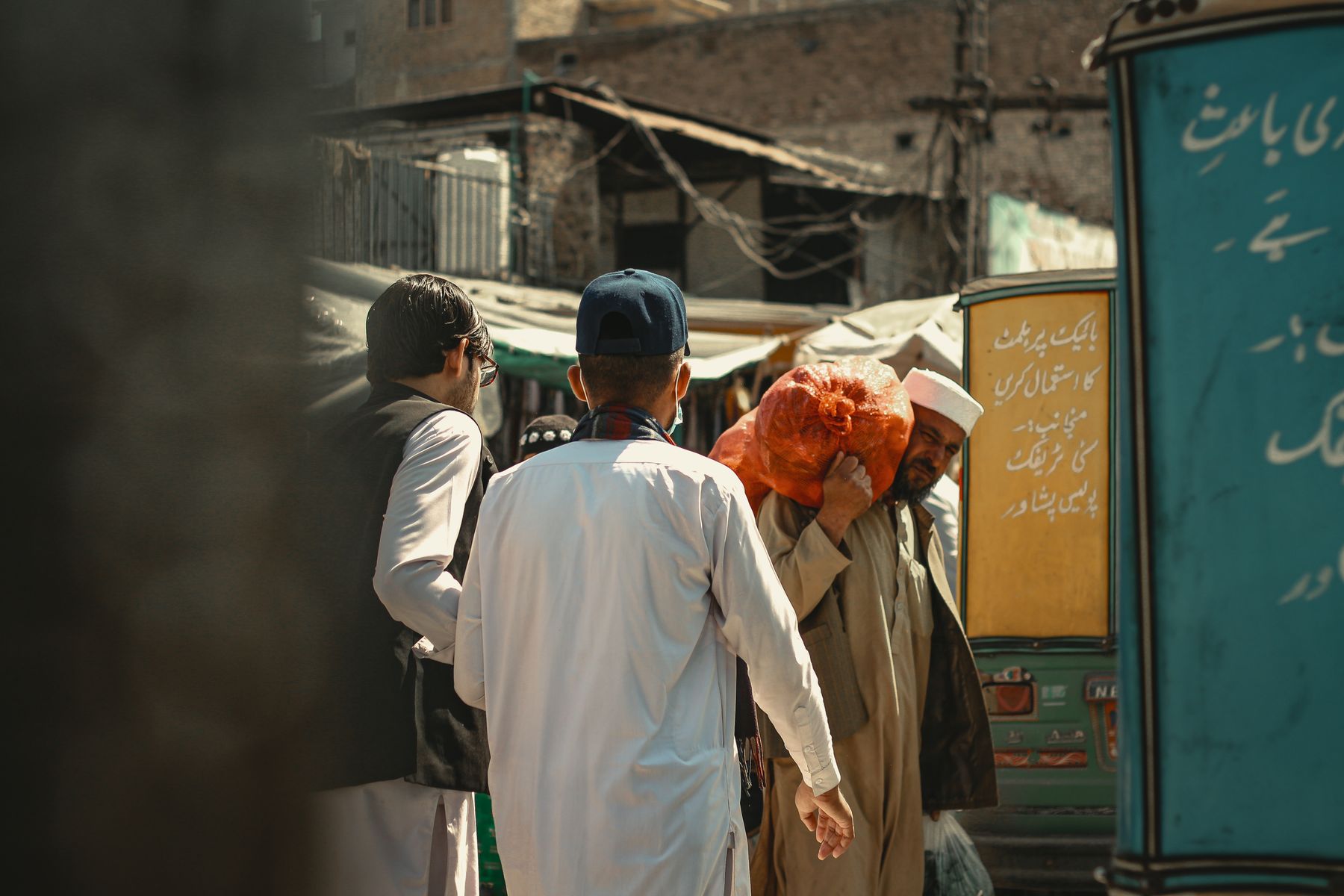
Peshawar is a large, crowded city with a long history as a trading and cultural centre. The old city is a maze of narrow lanes, bazaars and mosques, best explored on foot. The cantonment area, laid out in the British period, has wide roads, gardens and many institutions.
The city is the capital of Khyber Pakhtunkhwa and a gateway to the Khyber Pass. Pashtun culture is prominent, and the bazaars sell textiles, carpets, dried fruit and local crafts. The food is hearty, with grilled meats, rice dishes and green tea.
Old city lanes
The old city is enclosed by historic walls, though little remains. Inside, lanes lead between bazaars and mosques. Qissa Khwani Bazaar is the best-known street, once a meeting place for travellers and traders. Nearby, the Mahabat Khan Mosque stands on a raised platform.
What to see
The Mahabat Khan Mosque is the most prominent Mughal monument in the city, built in the 17th century. Its white marble façade and courtyard are worth a visit. The Peshawar Museum holds a large collection of Gandharan art, including sculptures from nearby Buddhist sites.
Bala Hisar Fort stands on a hill and has been used by successive rulers. The fort is not generally open to visitors, but the exterior can be seen. Sethi House, a restored merchant's mansion, shows the city's domestic architecture of the 19th century.
Bazaars and crafts
The bazaars of the old city are the place to see local crafts. Khyber Bazaar and the adjacent streets sell textiles, pottery, jewellery and dried fruit. The covered bazaars are busy in the late afternoon and early evening.
A day or two there
A full day covers the old city on foot. Start at Qissa Khwani Bazaar, visit the Mahabat Khan Mosque, then walk to Sethi House. In the afternoon, the Peshawar Museum is a short drive away. The evening is a good time to return to the bazaars for food and shopping.
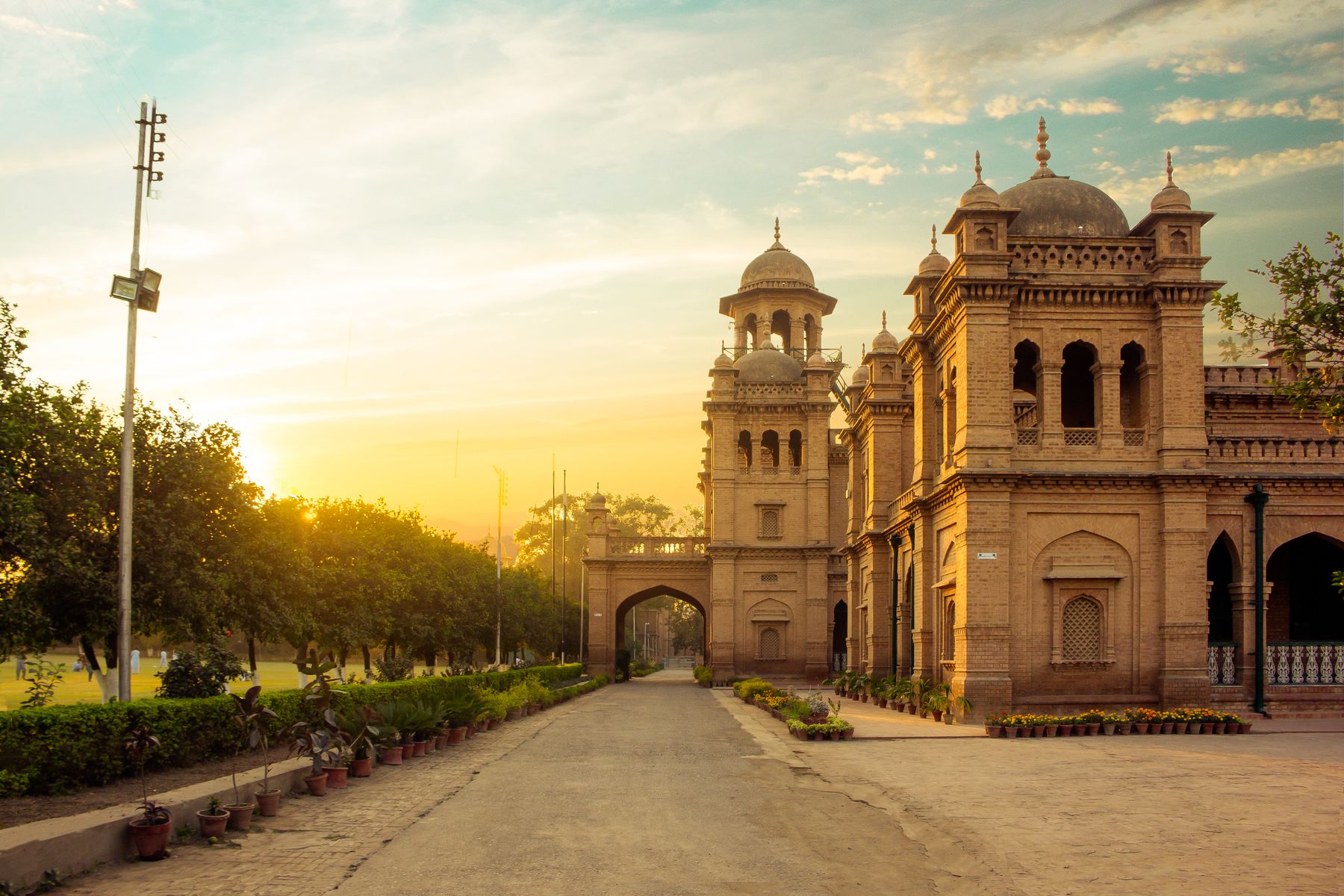
With a second day, add Islamia College and the cantonment area. A trip to the Khyber Pass can be arranged, but permits may be needed. The pass is about 50 km west of the city, and the road climbs through dramatic country.
Getting there and around
Peshawar is connected by road to Islamabad and Rawalpindi, about 150 km to the east via the motorway. The journey takes around two hours. Buses and vans run regularly. The city also has an airport with domestic flights.
Within the city, taxis and auto-rickshaws are common. The old city is best explored on foot, as the lanes are narrow and congested. For the museum and cantonment, a taxi is easier. Ride-hailing apps operate in some areas.
To the Khyber Pass
The Khyber Pass lies west of Peshawar, towards the border with Afghanistan. Access can be restricted, and a permit or escort may be required. Rules change, so check current official advice before planning a trip. The pass is not always open to foreign visitors.
Practical notes
Summers are very hot, with temperatures often above 40°C in May and June. The best time to visit is from October to March, when days are mild. Winters can be cool, with occasional rain. Spring brings flowers to the gardens.
Peshawar is a conservative city. Dress modestly, especially when visiting mosques and the old city. Ask before taking photographs of people. The old city is generally safe during the day, but take care with valuables in crowded bazaars.
Some areas near the border and in parts of Khyber Pakhtunkhwa may require a No Objection Certificate (NOC) or have travel advisories. Check current official advice before travelling. The situation can change, so plan accordingly.
Frequently asked questions
What is the best time to visit Peshawar?
The best months are from October to March, when the weather is mild and pleasant for walking in the old city. Summers are very hot, with temperatures often above 40°C in May and June. Winters are cool but generally dry, with occasional rain.
How do you get to Peshawar?
Peshawar is about 150 km west of Islamabad by motorway, a journey of around two hours by car or bus. The city also has an airport with domestic flights. Within the city, taxis and auto-rickshaws are available, and the old city is best explored on foot.
What are the main sights in Peshawar?
The main sights include the Mahabat Khan Mosque, a 17th-century Mughal mosque, the Peshawar Museum with its Gandharan sculpture, and the bazaars of the old city, especially Qissa Khwani Bazaar. Sethi House and Islamia College are also worth a visit.
Do you need a permit to visit the Khyber Pass from Peshawar?
Access to the Khyber Pass can be restricted, and a permit or escort may be required. Rules change frequently, so check current official advice before planning a trip. The pass is not always open to foreign visitors, and travel advisories may apply.