Astola, the island off the Makran coast
A small, dry island in the Arabian Sea, reached by boat from the Makran coast near Ormara. Seabirds, clear water and a lighthouse, with no hotels and no shade.
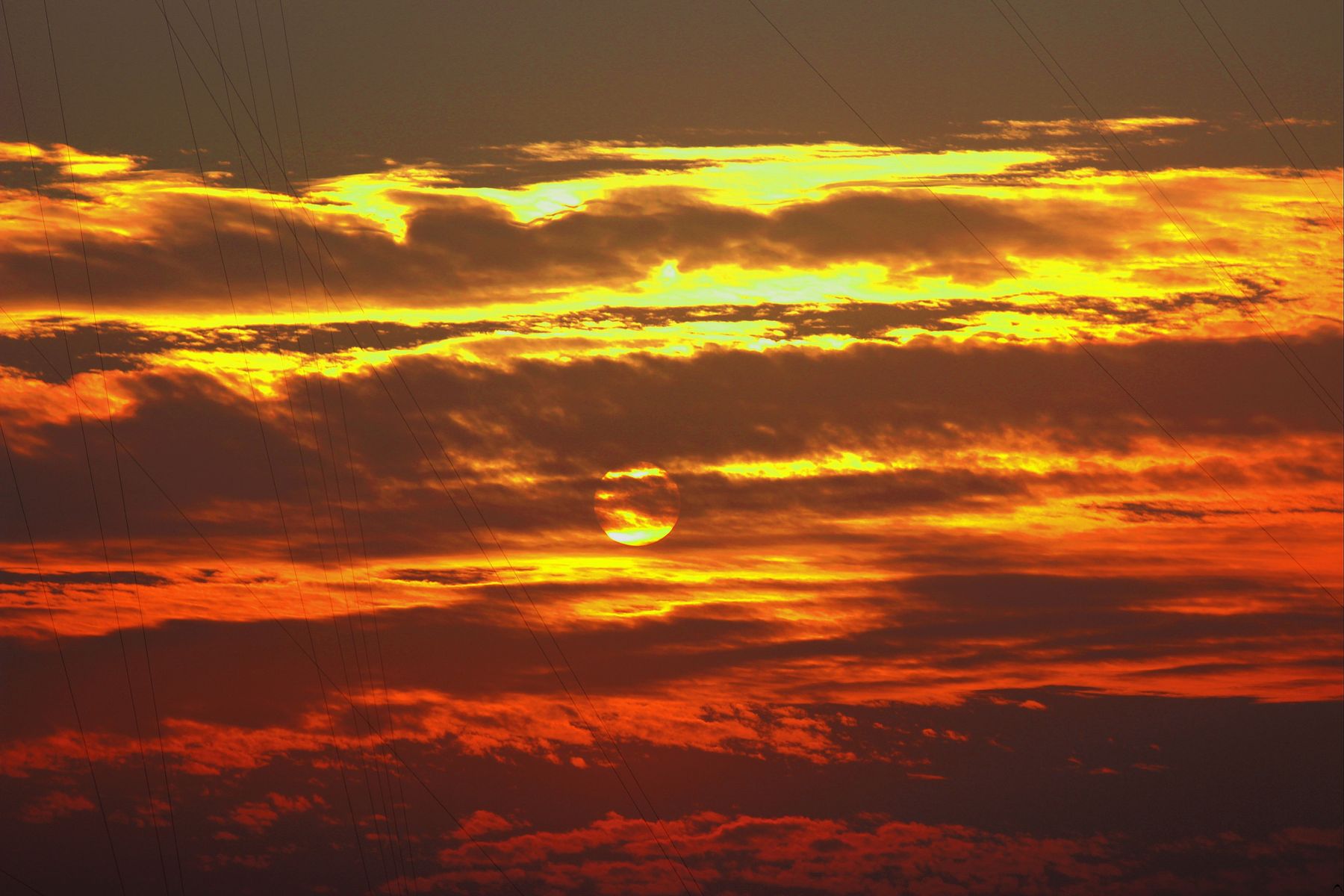
 Photo: Sundar Sham / Pexels
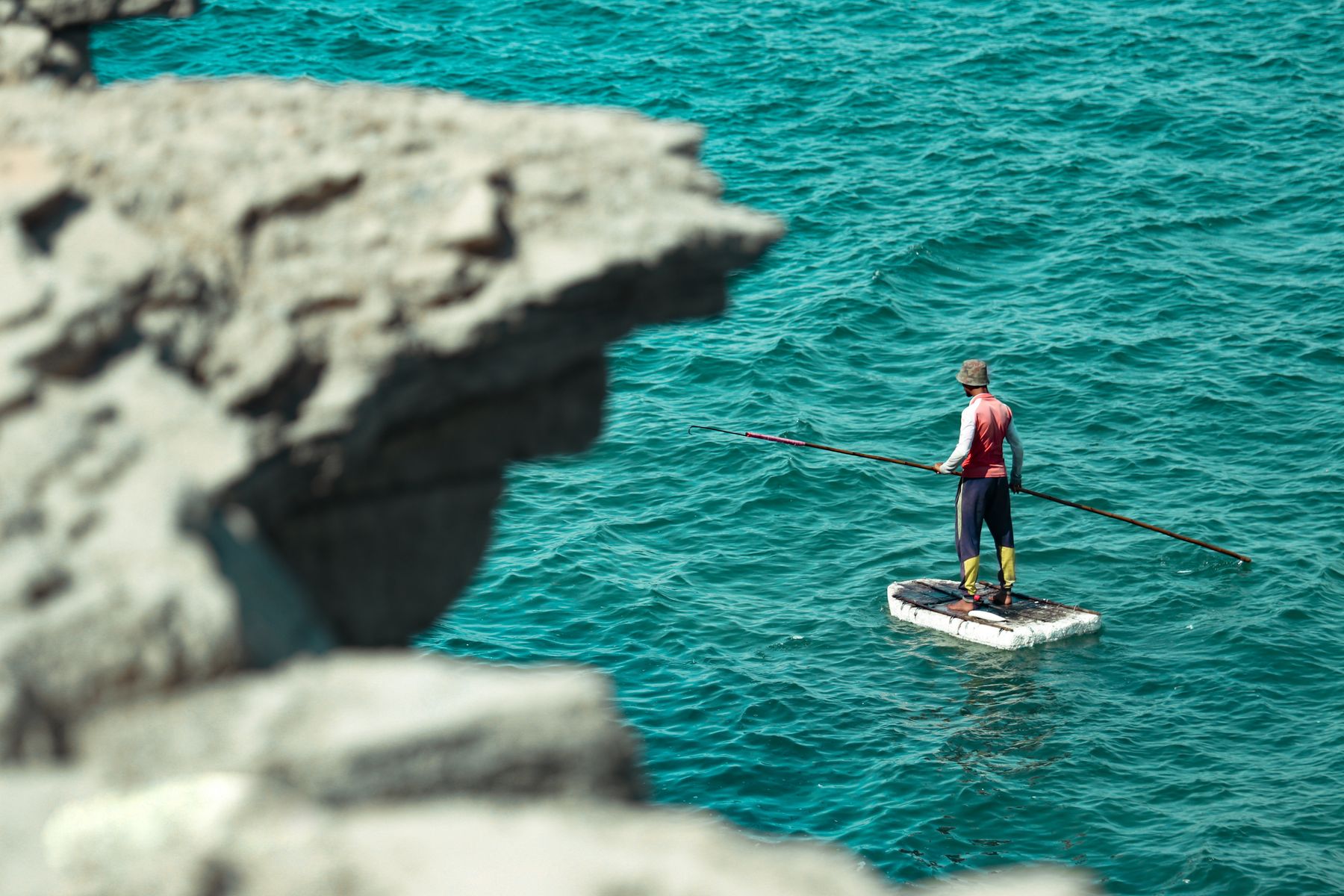
Astola lies in the Arabian Sea, roughly 25 km south of the Makran coast near Ormara in Balochistan. It is the largest island in Pakistani waters, a low, rocky outcrop of about 6 sq km. The island is uninhabited apart from a small coastguard post and a lighthouse. There are no hotels, no restaurants and no fresh water.
Where the island sits
Astola rises from deep water south of the Makran coast. The crossing from Ormara takes a few hours by boat, depending on the sea and the vessel. The island is part of the larger Makran coastal shelf, but its isolation keeps it apart from the mainland beaches. Fishing boats pass it on the way to and from the ports of the coast, and the island appears on charts as a landmark for small craft.
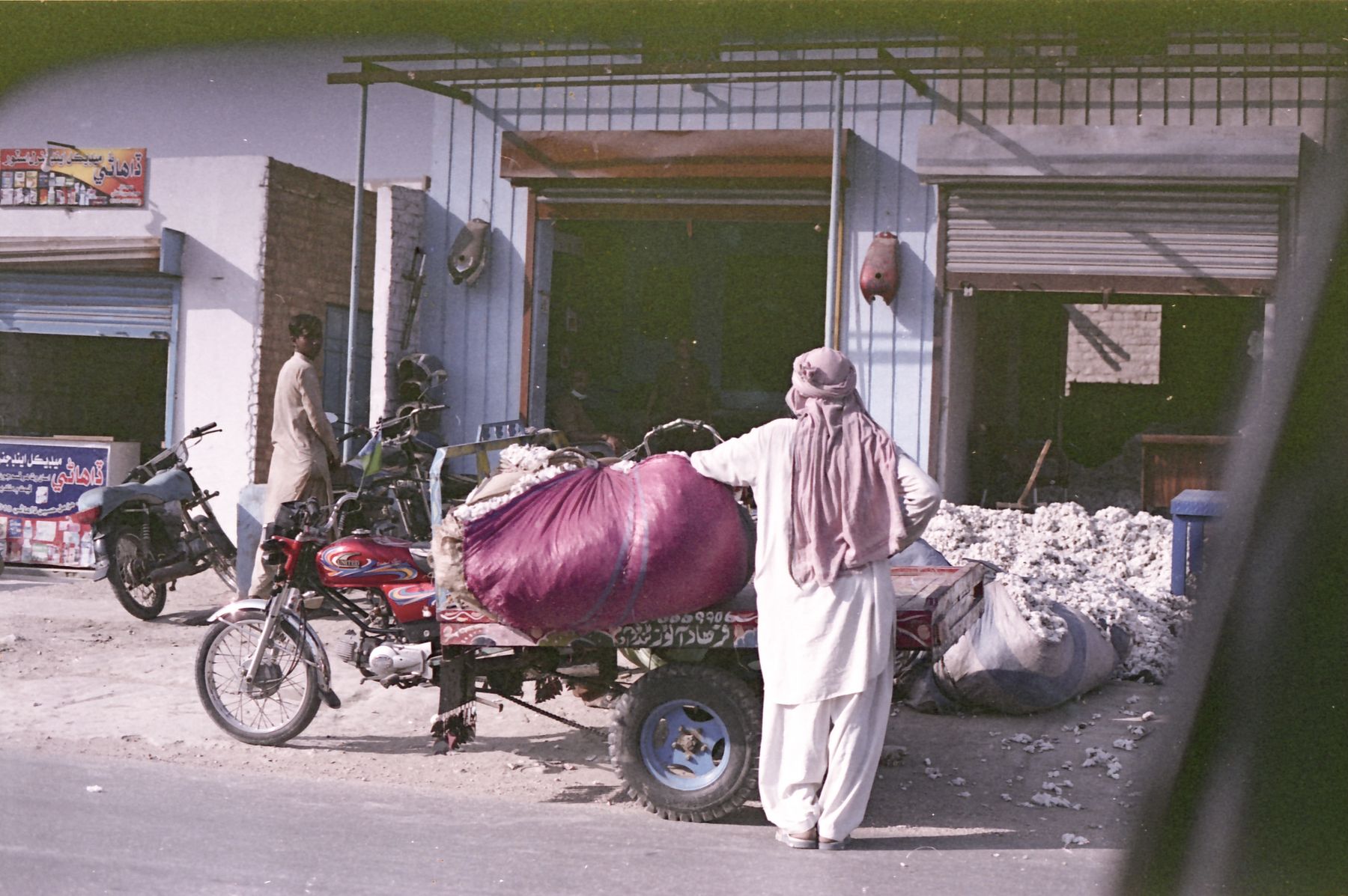
The coast around Ormara is dry and rocky, with long beaches and low hills behind them. The town sits on the Coastal Highway, which runs west from Karachi towards Gwadar. Ormara has a small harbour, a bazaar and basic accommodation. It is the usual starting point for a crossing to Astola, and boats can be arranged locally with fishermen and boat owners.
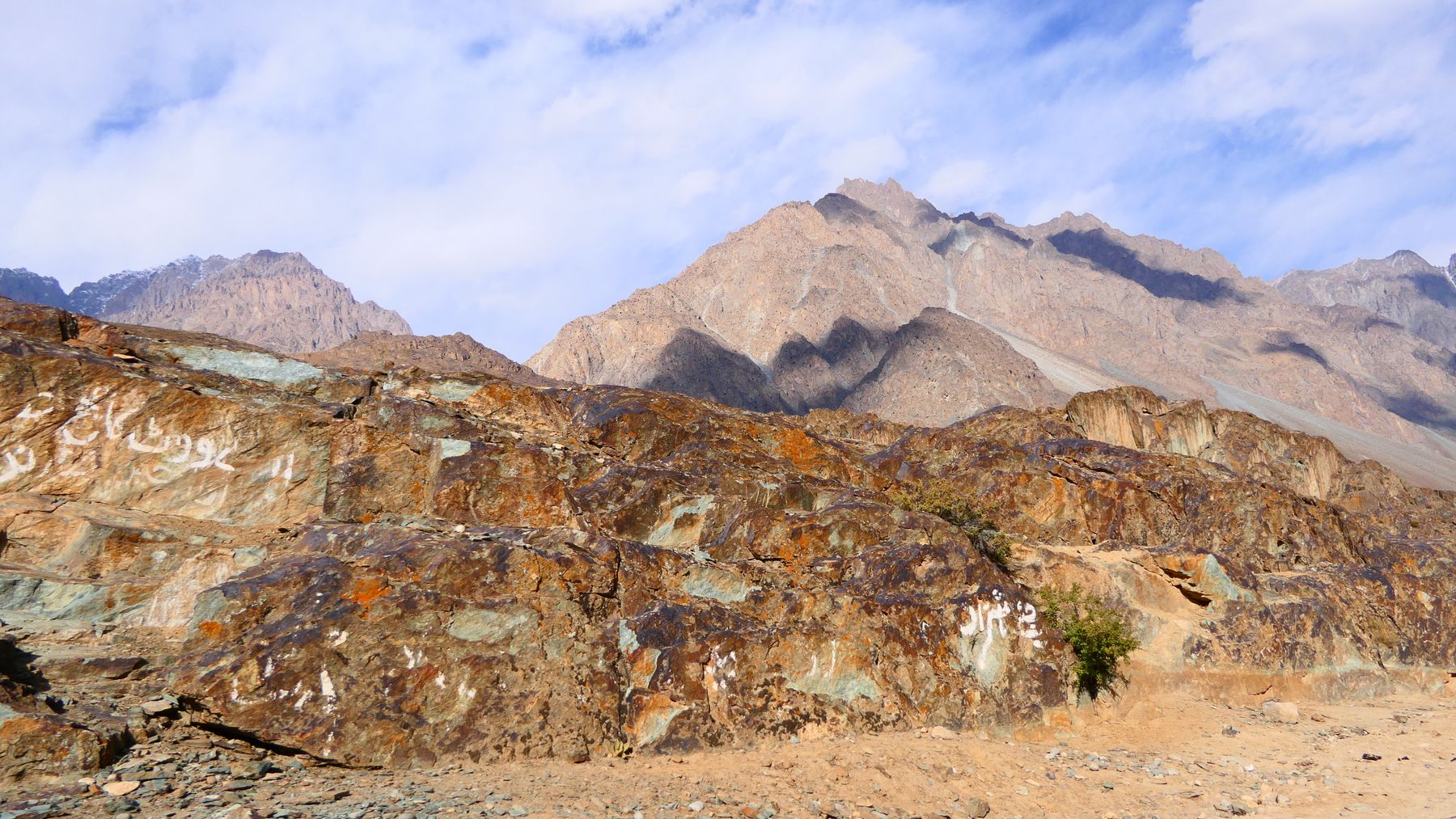
The island itself is low and arid. The rock is mostly limestone and sandstone, with cliffs on parts of the shore and flatter ground in the middle. There is little soil and almost no vegetation apart from low scrub. The name Astola is used for the island and for the surrounding waters, which are known for their marine life.
What you can see
The main draw is the wildlife. Astola is a nesting site for seabirds, including terns, gulls and the larger raptors that hunt over the water. The cliffs and rocky ledges hold nests in season, and the air above the island fills with birds. The surrounding sea has coral, reef fish and turtles, and dolphins are sometimes seen on the crossing. Snorkelling and diving are possible in calm weather, though equipment must be brought from the mainland.
The island has a lighthouse, a simple white structure that marks the approach for shipping. Near it are the remains of older buildings and a small coastguard presence. There are no shops, no cafés and no facilities for visitors. Any food, water and shelter must be carried in and taken out. The heat is strong for much of the year, and shade is scarce.
The beaches on the island are small and rocky, with clear water close to shore. The best time to visit is in the cooler months, from November to March, when the sea is calmer and the heat is less severe. The summer monsoon brings rough seas and restricts boat travel. Even in the cooler months, the crossing depends on the weather and on the judgement of the boat owner.
سمندر کی تیز ہواThe strong sea wind: a reminder that crossings to Astola depend on weather and local judgement.
Getting there from Ormara
Ormara is the practical base. The town lies on the Coastal Highway, and buses and vans run along the route between Karachi and Gwadar. The journey from Karachi takes several hours by road. From Ormara, a boat can be arranged at the harbour. There is no scheduled ferry service to Astola, and no regular passenger boat. Visitors usually join a fishing boat or hire a small vessel with a local crew.
The crossing is open sea and can be rough. Life jackets and a working radio are basic expectations, and it is sensible to ask about both before setting out. The boat owner will know the local conditions. The island has no jetty, so landing is by small boat or on foot from the shore, depending on the sea. The return trip must be planned with the same boat, as there is no other transport from the island.
Permits and access rules can change. Parts of the Makran coast and nearby districts may require a No Objection Certificate or fall under travel advisories. Check current official advice before travelling, and ask locally in Ormara about the latest position. The island is a protected area in part, and visitors should avoid disturbing nesting birds and marine life.
Food and the coast
Food on the coast is simple and centred on the sea. In Ormara and along the Makran coast, fish is grilled or fried and served with rice and flatbread. The catch depends on the day and the season. Small dried fish are sold in the bazaars, and dates grow in the warmer parts of the coast. Tea is served everywhere, strong and sweet.
On Astola there is nothing to buy. Everything for the day must be carried from Ormara, including drinking water. The heat makes water the heaviest item, and a generous supply is wise. Food should be simple and packed to withstand the crossing. Nothing should be left on the island, and any waste should return with the boat.
The coast around Ormara has a few small restaurants and tea shops serving the highway trade. The fare is basic: fish, rice, lentils and bread. Fresh fruit is limited and depends on what has arrived from Karachi or Gwadar. For visitors, the town is a place to eat before the crossing and after the return, not a destination in itself.
When to go and what to take
The cooler months from November to March are the best window. Seas are generally calmer and the heat is manageable. April and October can be hot but are sometimes workable. The monsoon months from June to September bring rough seas and should be avoided for boat travel. Even in the best months, the crossing depends on the day's weather, and plans should stay flexible.
Take sun protection, a hat, long sleeves and strong sunscreen. Carry drinking water, food and a basic first aid kit. Bring a waterproof bag for equipment and shoes that can get wet for landing. Snorkelling gear and a camera in a dry bag are useful. There is no shade on much of the island, so a light shelter is worth carrying if the stay is long.
Astola suits travellers who accept discomfort and uncertainty. It is not a resort island and has no facilities. The reward is a quiet, dry place with birds, clear water and a sense of distance from the mainland. Visitors should travel with a local crew, respect the coastguard post and the wildlife, and leave the island as they found it.
Places on the route
- OrmaraA coastal town on the Makran coast and the usual base for boats to Astola.
- Astola lighthouseA simple white lighthouse on the island, marking the approach for shipping.
- Ormara harbourA small working harbour where fishing boats and local crossings are arranged.
- Makran Coastal HighwayThe road linking Karachi and Gwadar, passing through Ormara and the coastal towns.
Frequently asked questions
How do you reach Astola island from Ormara?
There is no scheduled ferry. Boats are arranged locally in Ormara, usually with fishermen or small vessel owners. The crossing takes a few hours and depends on the sea. Ask about life jackets and a radio before setting out, and plan the return with the same boat, as there is no other transport from the island.
Is Astola island inhabited?
Astola is uninhabited apart from a small coastguard post and a lighthouse. There are no hotels, restaurants, shops or fresh water on the island. Visitors must carry food, drinking water and shelter from Ormara, and take all waste back with them.
When is the best time to visit Astola?
The cooler months from November to March are generally best, with calmer seas and less severe heat. The monsoon from June to September brings rough seas and restricts boat travel. Even in the cooler months, crossings depend on the day's weather, so plans should stay flexible.
Find a stay in Ormara
Live prices and availability open in the IMPT app, in a new tab.