Kund Malir in winter, the beach with nobody on it
Winter brings cool air, clear light and empty sand to Balochistan's Makran coast. The beach at Kund Malir is at its most peaceful from November to February.
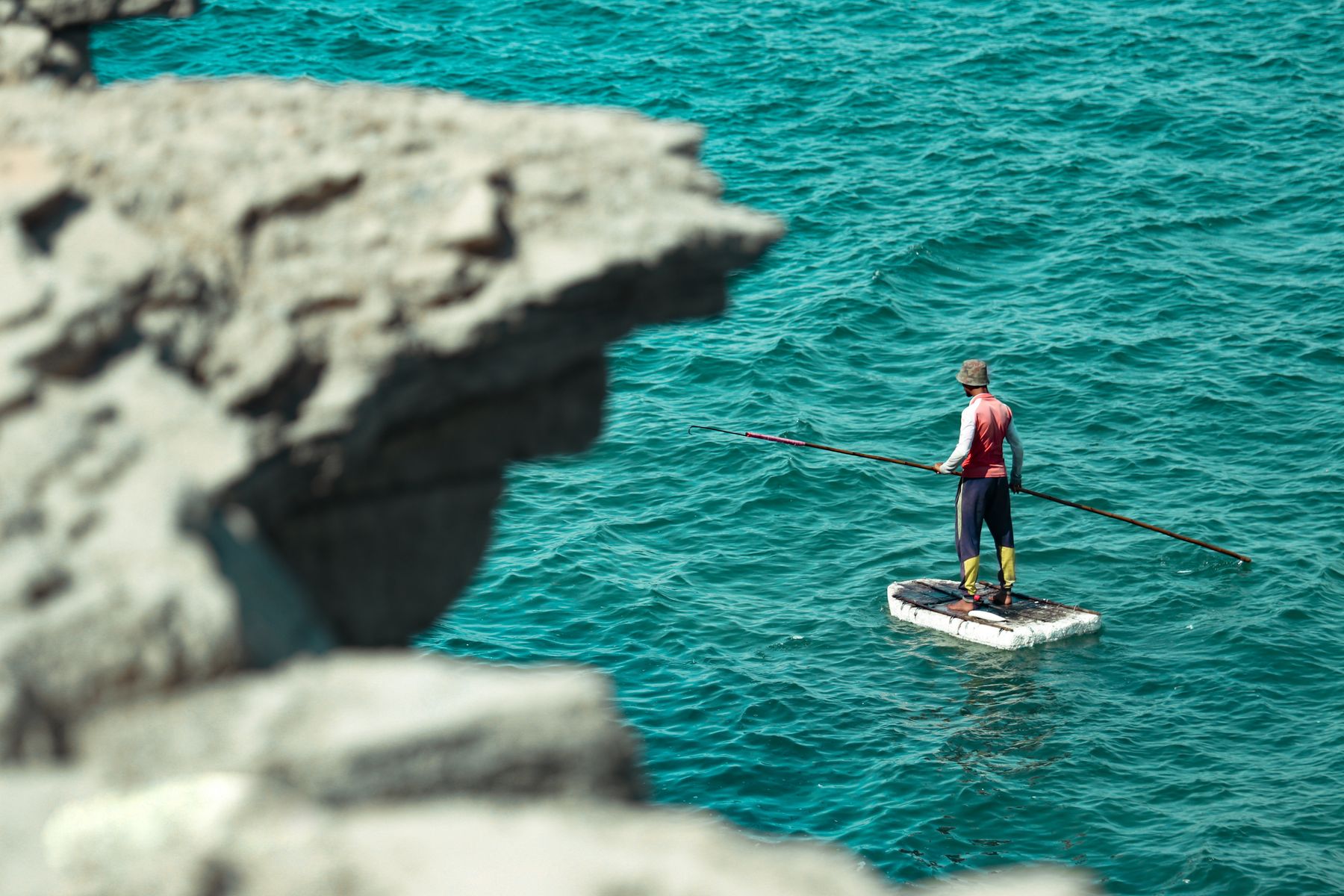 Photo: Meer Bahad / Pexels
Kund Malir sits on the Makran Coastal Highway in Balochistan, roughly 145 km west of Ormara and about 250 km from Karachi. The beach faces the Arabian Sea, backed by the Hingol desert and the mud volcanoes of Hingol National Park. In winter the heat lifts, the wind drops and the sand is largely empty.
The beach and the light
The shoreline at Kund Malir runs for several kilometres, a broad sweep of pale sand between low headlands. The water is shallow close in, with a gentle slope and small waves for much of the winter. Mornings are clear and still, and the light stays soft until mid-morning. By afternoon a light sea breeze usually picks up. The beach is wide enough that even on a busy public holiday you can walk a few minutes and find space.
Winter temperatures along this coast are mild. Days commonly sit in the low twenties Celsius, with nights cool enough for a jacket. Rain is rare, though a passing front can bring cloud and a short shower. The sea remains cold for swimming by most standards, and there are no lifeguards. The sand is firm near the waterline, which makes for easy walking. At low tide the wet sand reflects the sky and the distant headlands.
The beach is not developed in the way of resort coasts. There are no hotels on the sand, no sunbeds and no beach bars. A few simple stalls may open at weekends selling tea and snacks, but nothing is guaranteed. Visitors should bring their own water, food and shade. The absence of facilities is part of the appeal, and it means the beach stays quiet even in the peak winter weeks.
Getting there and access
The usual route is the Makran Coastal Highway from Karachi, which runs west through Gadani and Ormara before reaching Kund Malir. The drive takes several hours and the road is paved for the whole way. Buses and vans run along the coast, but services are not frequent and timings can change. Many visitors come with their own transport or on an organised day trip. The final approach is directly off the highway, with no long detour.
Access rules can change. Parts of Balochistan and some coastal districts may require a No Objection Certificate (NOC) or have travel advisories in place. Check current official advice before setting out, and carry identification. The highway itself is generally busy with traffic, but facilities are sparse between towns. Fuel up in Ormara or other larger settlements. Mobile coverage is patchy along stretches of the coast, so do not rely on a signal for navigation.
There is no entry fee for the beach itself. Some nearby sites within Hingol National Park may charge a fee. The park is Pakistan's largest national park and covers a wide area of desert, river and coast. The highway passes through it, and the scenery changes quickly from dry hills to open sand. Allow extra time for stops. The drive is part of the trip, not just a way to reach the beach.
خاموش سمندرSilent sea, for the quiet winter coast at Kund Malir.
What to see nearby
The Hingol mud volcanoes, sometimes called Chandragup, lie inland from the coast and are reached by a short detour. They are small cones of grey mud that bubble and seep, set in bare ground. The site is a place of local pilgrimage, and visitors should treat it with respect. The surrounding desert is stark and open, with wide views. The turn-off is signed from the highway, though the track can be rough.
The Hingol River cuts through the park and forms pools and small gorges in places. The landscape includes the famous natural arch known as the Princess of Hope, a rock formation on a hillside near the highway. It is a short walk from a parking area. The arch is best seen in low winter light. Other rock formations and dry riverbeds are visible along the road, and the colours change through the day.
Wildlife in the park includes ibex, urial and chinkara, though sightings are not guaranteed. The coastal belt also attracts seabirds and shorebirds. Bring binoculars if you have them. The park is vast and much of it is not accessible by paved road. The main highway corridor gives a taste of the terrain without needing a long expedition. Stay on tracks and avoid disturbing animals or plants.
A winter day on the sand
A typical winter visit starts early. The drive from Karachi or Ormara is long enough that arriving by mid-morning is a good target. The beach is at its quietest then. Walk west along the waterline towards the headland, where the sand is clean and the views open up. The air is cool and the light is clear. Bring a hat and sunscreen anyway, as the sun is strong even in winter.
Midday is a good time for a picnic. There are no restaurants on the beach, so pack food and plenty of water. Take all rubbish away with you. A rug or mat is useful, as the sand can be cool and damp in the shade. After lunch, the light softens and the breeze picks up. This is the time for a short exploration of the nearby mud volcanoes or the Princess of Hope, both a short drive from the beach.
As evening comes, the beach empties further. The sun sets over the sea, and the air cools quickly. Nights can be cold, especially if camping. There are no official campsites, and wild camping requires care and self-sufficiency. Most visitors return to Ormara or Karachi rather than stay overnight. If you do stay, bring warm layers and a good torch. The stars are bright on clear nights, with little light pollution.
Practical notes for winter
The winter window runs from November to February. This is the most comfortable time to visit, with mild days and cool nights. December and January are the coolest months. Avoid the summer months, when heat and humidity are severe. The coast can be windy at any time, and blowing sand is possible. A light scarf or buff is useful. Check the weather forecast before leaving, as rain can make the unpaved tracks slippery.
There is no accommodation at Kund Malir itself. The nearest places to stay are in Ormara, a few hours west, or in Karachi. Some visitors make the trip as a long day from Karachi, but that leaves little time on the beach. Staying in Ormara allows an early start and a more relaxed visit. Book accommodation in advance, as options are limited. The highway is generally safe for travel during daylight hours.
Respect the local environment and communities. The coast is home to fishing villages, and some areas are private land. Ask before crossing fences or entering village areas. Dress modestly away from the beach. Do not remove shells, rocks or plants from the national park. The beach is a public space, and local people use it too. Keep noise low and leave the sand as you found it. That way the emptiness lasts for the next visitor.
Where to find it
- Kund MalirThe main beach on the Makran Coastal Highway, about 250 km from Karachi and 145 km from Ormara.
- Hingol National ParkPakistan's largest national park, covering desert, river and coast around the highway.
- ChandragupMud volcanoes inland from the coast, a short detour from the main road.
- Princess of HopeA natural rock arch near the highway, a short walk from a parking area.
- OrmaraThe nearest town with accommodation and services, west of Kund Malir.
Frequently asked questions
What is the weather like at Kund Malir in winter?
Winter days are mild, often in the low twenties Celsius, with cool nights. Rain is rare but possible. The sea remains cold for swimming. Mornings are usually clear and still, with a light breeze in the afternoon. It is the most comfortable season for visiting the beach and nearby sites.
Do you need a permit to visit Kund Malir?
Rules can change. Parts of Balochistan and some coastal districts may require a No Objection Certificate (NOC) or have travel advisories. Check current official advice before travelling and carry identification. The Makran Coastal Highway is generally open, but always confirm local conditions.
Is there accommodation at Kund Malir beach?
No. There are no hotels or guest houses on the beach itself. The nearest accommodation is in Ormara, a few hours west, or in Karachi. Most visitors come as a day trip or stay in Ormara. Book ahead, as options are limited. Camping is possible but requires full self-sufficiency.
Find a stay in Kund Malir
Live prices and availability open in the IMPT app, in a new tab.