The Princess of Hope and the other rocks of Hingol
Hingol National Park holds a natural rock figure known as the Princess of Hope, along with mud volcanoes, deep gorges and a coastline on the Arabian Sea.
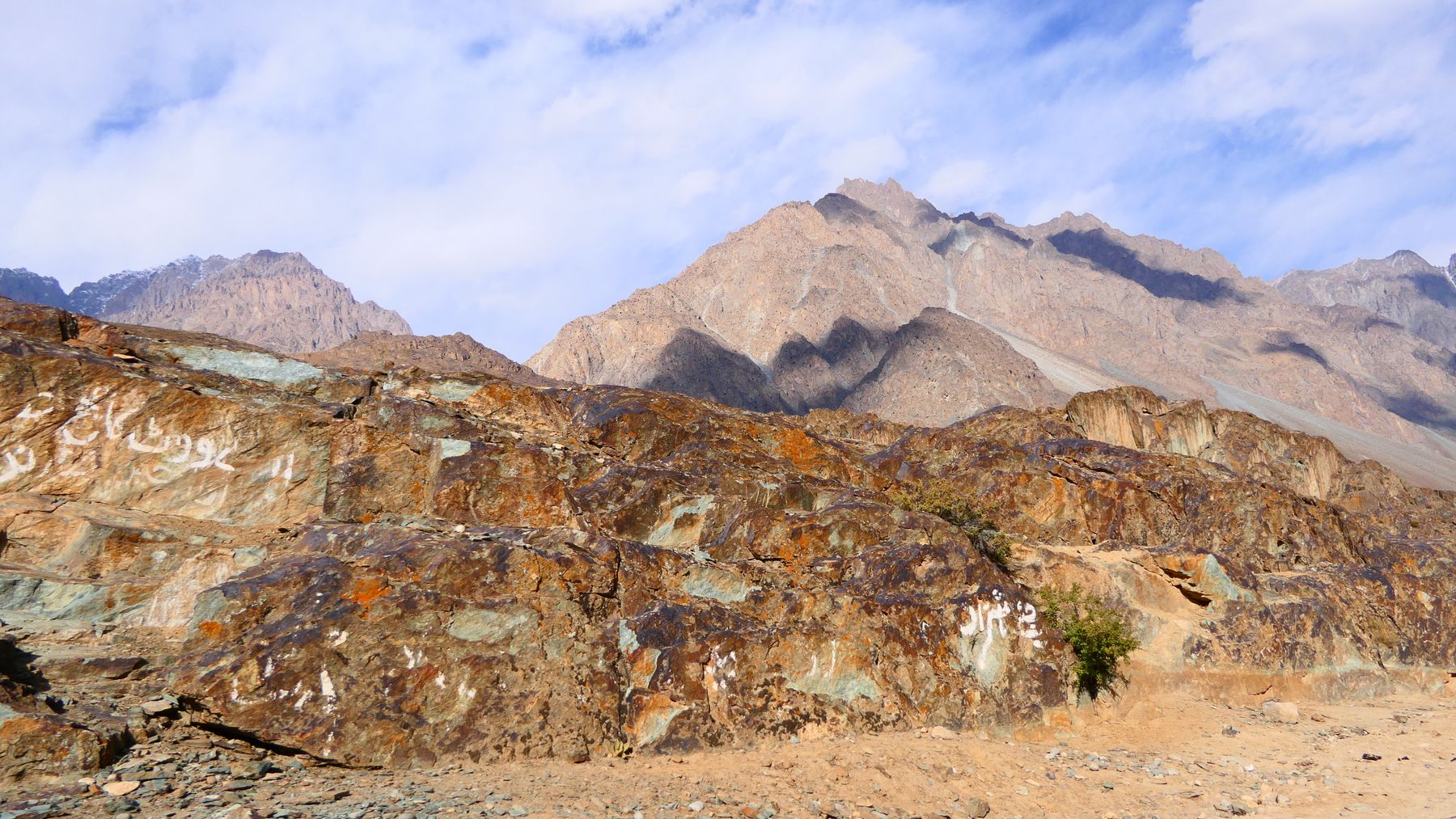 Photo: Kamal Hyder / Pexels
Hingol National Park lies in Balochistan, along the Makran coastal highway that runs from Karachi towards Gwadar. The park covers desert, river valley and coast. Its best-known landmark is a rock outcrop shaped by wind and rain into a figure that people call the Princess of Hope. Nearby are other weathered rocks, mud volcanoes and the Hingol river.
Where the princess stands
The Princess of Hope is a natural rock formation in the Hingol valley, close to the Makran coastal highway. Wind and seasonal rain have worn the soft sedimentary rock into a tall shape that looks like a standing figure. It sits on a slope above the road, so you can see it from the highway and from a short stop at the roadside.
The formation is not a carved statue or a monument. It is a piece of eroded cliff, and its outline changes as you move along the road. Early morning and late afternoon light show the shape most clearly. The rock is fragile, so walking up to it is not encouraged.
The name is recent and local. It is not an ancient name and does not appear in old travel accounts. The princess is one of several named rocks in the park, and the name helps visitors pick it out from the many ridges and pinnacles along the highway.
Other rocks and shapes
The park holds many other weathered forms. Some look like animals, some like towers, and some like walls. Local drivers and guides point out a few with informal names, but these names are not fixed. The shapes depend on the angle of view and the time of day.
The rocks are mostly sandstone and mudstone laid down in layers. The layers are soft and erode at different rates, which is why the park has so many odd outlines. The Hingol river cuts through these layers and has made a gorge with steep sides.
A short walk from the highway can bring you to smaller hoodoos and pillars. Stay on established tracks. The ground can be loose, and the summer heat is severe. Carry water and wear a hat.
شہزادی امیدPrincess of Hope, the local name for the rock figure in Hingol National Park.
Mud volcanoes and the river
Hingol is known for mud volcanoes. These are low cones that release grey mud and gas. They are not true volcanic eruptions and do not throw out lava. The mud bubbles up slowly and dries on the surface. The largest cones are a short drive from the main highway.
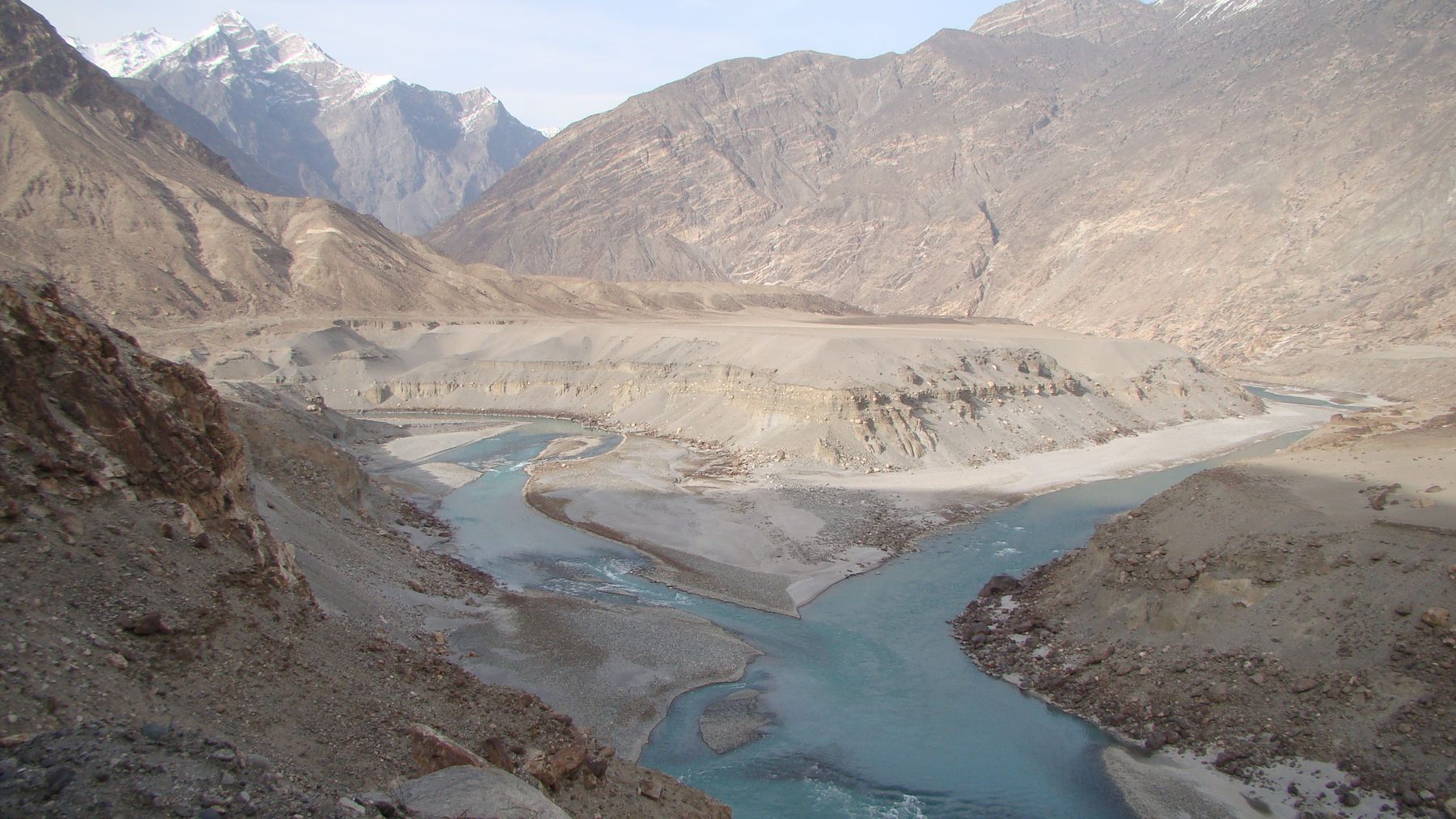
The Hingol river flows through the park for much of the year, though it can shrink in the dry season. The river supports some vegetation and wildlife. Crocodiles live in the lower reaches, and the park is also home to ibex and urial. Sightings are not guaranteed.
The river mouth meets the Arabian Sea near the coastal highway. The mix of river, desert and sea makes the park unusual. The coast here is open and windy, with sandy beaches and rocky points.
Getting there and when to go
The park is reached by the Makran coastal highway, which runs west from Karachi. The drive from Karachi takes several hours. The road is paved and passes through the park. Most visitors come by car or on a organised day trip. There is no public transport inside the park.
The best months are from November to February, when daytime temperatures are milder. Summer is very hot, and the rocks and mud flats give off heat. The park can be visited in a day from Karachi, but an early start is needed.
Some parts of Balochistan and areas near the coast can require a No Objection Certificate (NOC) or have travel advisories. Rules change, so check current official advice before setting out. Travel in daylight and with a local driver who knows the road.

What to see and taste
Apart from the princess, look for the Sphinx-like rock and the many small pinnacles along the highway. The mud volcanoes are a short detour. The Hingol river gorge is another stop. The park also has a small museum and a rest area near the main road.
Food options are limited. There are a few roadside stalls near the park entrance and at the mud volcano site. They sell tea, biscuits and simple meals. The tea is strong and sweet. For a proper meal, eat in Karachi before leaving or carry your own food and water.
The park is a day trip, not a resort. There are no hotels inside the park. Most visitors return to Karachi or continue to Ormara or Gwadar. The coastal highway has a few basic guest houses in nearby towns, but these are simple.
Where to find it
- Hingol National ParkThe park entrance is on the Makran coastal highway, about 190 km west of Karachi. The princess rock is a short drive inside.
- Princess of HopeA natural rock formation on a slope above the highway, best seen in morning or late afternoon light.
- Mud volcanoesLow cones of grey mud near the highway, a short detour from the main road. They bubble slowly and dry in the sun.
- Hingol river gorgeThe river cuts through soft rock layers, making steep sides and a green ribbon in the desert.
Frequently asked questions
What is the Princess of Hope in Hingol?
The Princess of Hope is a natural rock formation in Hingol National Park, Balochistan. Wind and rain have eroded the soft rock into a tall shape that looks like a standing figure. It is not a carved statue. The name is local and recent, and the rock is best seen from the Makran coastal highway.
How do you get to Hingol National Park?
Hingol National Park is on the Makran coastal highway, west of Karachi. The drive takes several hours by car. There is no public transport inside the park. Most visitors come by private car or on a day trip from Karachi. Check current official advice before travelling, as some areas may need a permit.
When is the best time to visit Hingol?
The best months are from November to February, when daytime temperatures are milder. Summer is very hot. The park can be visited in a day from Karachi, but an early start is needed. Carry water, food and sun protection, as facilities are limited.
Find a stay in Hingol
Live prices and availability open in the IMPT app, in a new tab.