The Makran coast at sunset
The Makran coast runs along the Arabian Sea from Karachi to Gwadar. At sunset, the light softens over Ormara and the fishing harbours, and the day's catch comes in.
 Photo: Haris Hussain / Pexels
The Makran coast stretches along the Arabian Sea from near Karachi to Gwadar in Balochistan. Ormara, a small town on the coastal highway, sits on a hammerhead peninsula with beaches on both sides. As the sun drops, the light turns the water and the sand to warm tones, and the fishing boats return. The pace is slow, and the horizon is wide.
Where the coast runs
The Makran coast is the southern edge of Balochistan and part of Sindh, facing the Arabian Sea. The coastal highway runs from Karachi west through Sonmiani, Ormara, Pasni and Gwadar. Ormara lies about 350 kilometres west of Karachi, roughly halfway to Gwadar. The road is paved and mostly flat, with the sea on one side and the dry hills of the Makran range on the other.
The coastline is a series of bays, headlands and river mouths. The Dasht River reaches the sea near Pasni, and the Hingol River cuts through the Hingol National Park before meeting the coast. Sandy beaches alternate with rocky stretches. The water is warm for much of the year, and the air is salty.
The area is sparsely populated. Fishing towns and small settlements dot the shore, with long empty stretches between them. The Makran coastal range rises inland, dry and rocky. The coast is not a resort strip. It is a working coastline, and the sea is central to daily life.
Ormara at sunset
Ormara sits on a peninsula that ends in a hammerhead shape. The town has beaches on both the eastern and western sides. The western beach faces the open sea and is a good place to watch the sun go down. The eastern side looks across the bay towards the hills. The light changes quickly in the last hour before dusk.
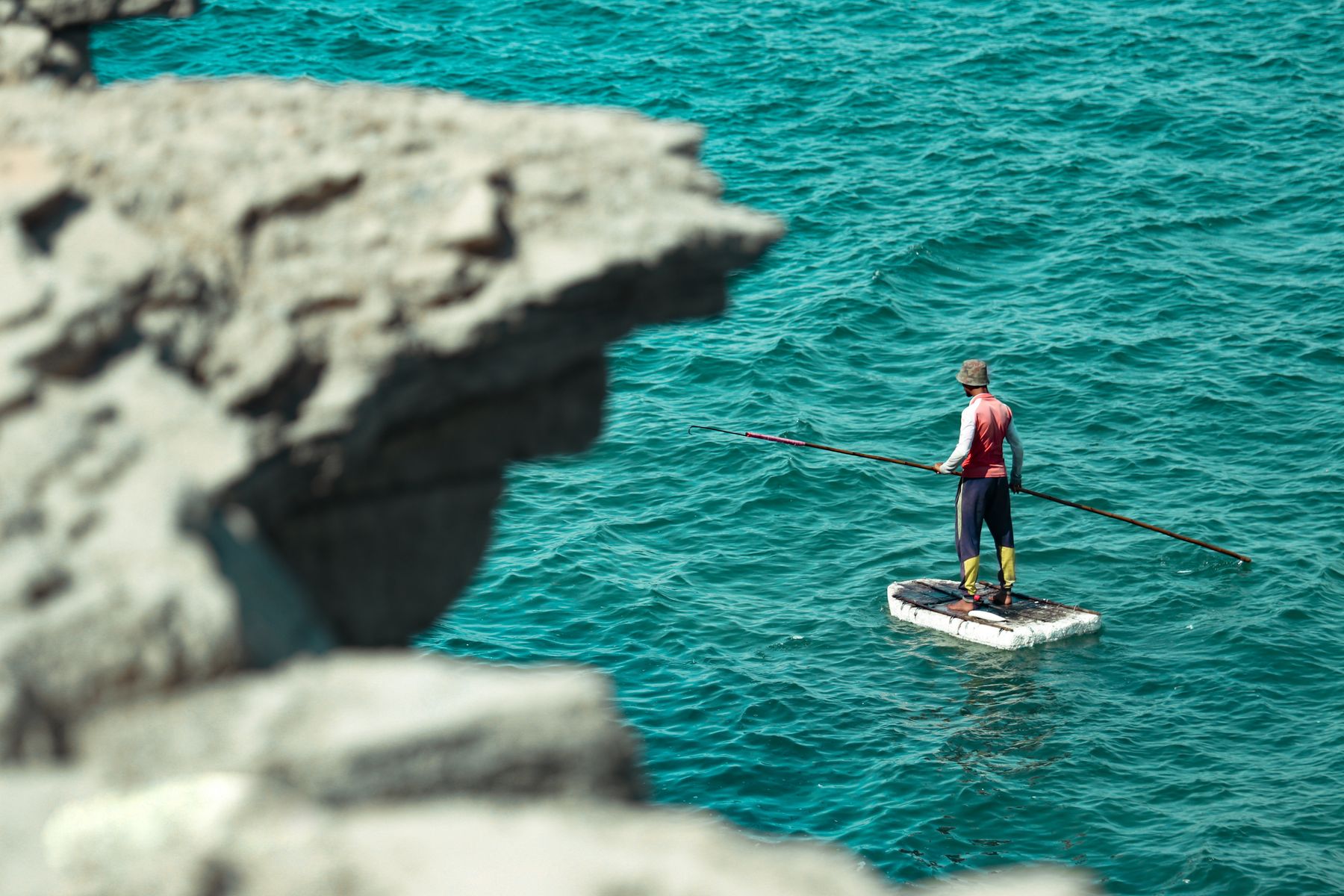
Fishing boats come in around this time. The harbour is busy with small vessels, and the catch is landed on the beach. The smell of fish and salt is strong. The sand is firm and dark. The horizon is clear, and the sun sets directly over the water on the western side.
The town itself is small. There are a few streets, a bazaar and a handful of places to eat. The pace is slow. The call to prayer from the mosque can be heard across the water. The sunset is the main event, and people gather on the beach to watch it.
سورج ڈوبتا ہےThe sun sets. A common phrase used at dusk along the coast.
What to see along the way
Travelling west from Karachi, the coastal highway passes through Sonmiani, a small town with a lagoon and fishing boats. Further on, the road enters Balochistan. The landscape becomes drier. The Hingol National Park is a detour inland, with rock formations and the Hingol River. The park is large and mostly undeveloped.
Near Ormara, the coastline has several beaches. The hammerhead peninsula is the main feature. Beyond Ormara, the road continues to Pasni, a larger fishing town with a natural harbour. Gwadar lies further west, with its own peninsula and a deep-water port. The coast between these towns is mostly empty, with occasional fishing villages.
The Makran coast is also known for its marine life. Dolphins can sometimes be seen from the shore or from boats. The area is not a major tourist destination, so facilities are limited. The reward is space and quiet. The sea and the sky dominate the view.
Tastes of the coast
Fish is the staple. The catch varies with the season, but common fish include sardines, mackerel, snapper and grouper. In Ormara and other fishing towns, fish is often grilled or fried simply, with rice and flatbread. The flavour is fresh and direct. The local bazaars sell dried fish, which is used in curries.
Dates are grown in parts of Makran, and date palms are a common sight. The fruit is eaten fresh in season and dried for later. Tea is drunk throughout the day, usually with milk and sugar. Small eateries serve basic meals, often based on what is available that day.
The food is not elaborate. It is the food of a coastal community, shaped by what the sea and the land provide. Bread is baked in local bakeries. The emphasis is on sustenance rather than presentation. A meal at sunset, with the sea in view, is the main pleasure.
Planning a visit
The best time to visit the Makran coast is from October to March, when temperatures are milder. Summers are hot and humid. The monsoon season, from July to September, can bring rough seas and rain. The coastal highway is generally open, but check conditions before travelling, especially after rain.
Ormara is reachable by road from Karachi. The journey takes several hours. There are basic guest houses in Ormara and Pasni, but no large hotels. It is advisable to carry cash, as ATMs are scarce. Fuel is available at intervals along the highway. Mobile coverage can be patchy.
Some areas near the coast, particularly near the border with Iran and parts of Balochistan, may require a No Objection Certificate (NOC) or have travel advisories. Rules change, so check current official advice before travelling. The coast is generally peaceful, but it is wise to be informed. The sunset, however, is free for all.
Where to watch the sunset
- OrmaraThe western beach on the hammerhead peninsula faces the open sea and is a prime spot for sunset views.
- PasniA fishing town with a natural harbour. The beach near the harbour offers a view of the sun setting over the Arabian Sea.
- GwadarThe peninsula has several beaches. The western side looks out to sea, making it good for sunset.
- SonmianiA small town with a lagoon and fishing boats. The lagoon side can be calm at sunset.
Frequently asked questions
What is the best time to visit the Makran coast for sunset?
The best time is from October to March, when the weather is milder and skies are often clear. Summer months are hot and humid, and the monsoon season from July to September can bring clouds and rough seas. Sunset can be enjoyed year-round, but comfort is higher in the cooler months.
Is Ormara a good place to watch the sunset on the Makran coast?
Yes, Ormara is well known for its sunset views. The town sits on a peninsula with beaches on both sides. The western beach faces the open sea, giving a clear view of the sun setting over the water. The fishing boats returning add to the scene.
Do I need a permit to visit the Makran coast?
Some areas near the Makran coast, especially close to the Iranian border and parts of Balochistan, may require a No Objection Certificate (NOC) or have travel advisories. Rules can change, so check current official advice before travelling. Main towns like Ormara and Pasni are generally accessible.
Find a stay in Ormara
Live prices and availability open in the IMPT app, in a new tab.