Autumn on the Karakoram: a week of gold poplars
A week in Hunza when the poplars turn gold, the walnut harvest comes in and the high peaks stand clear above the valley.
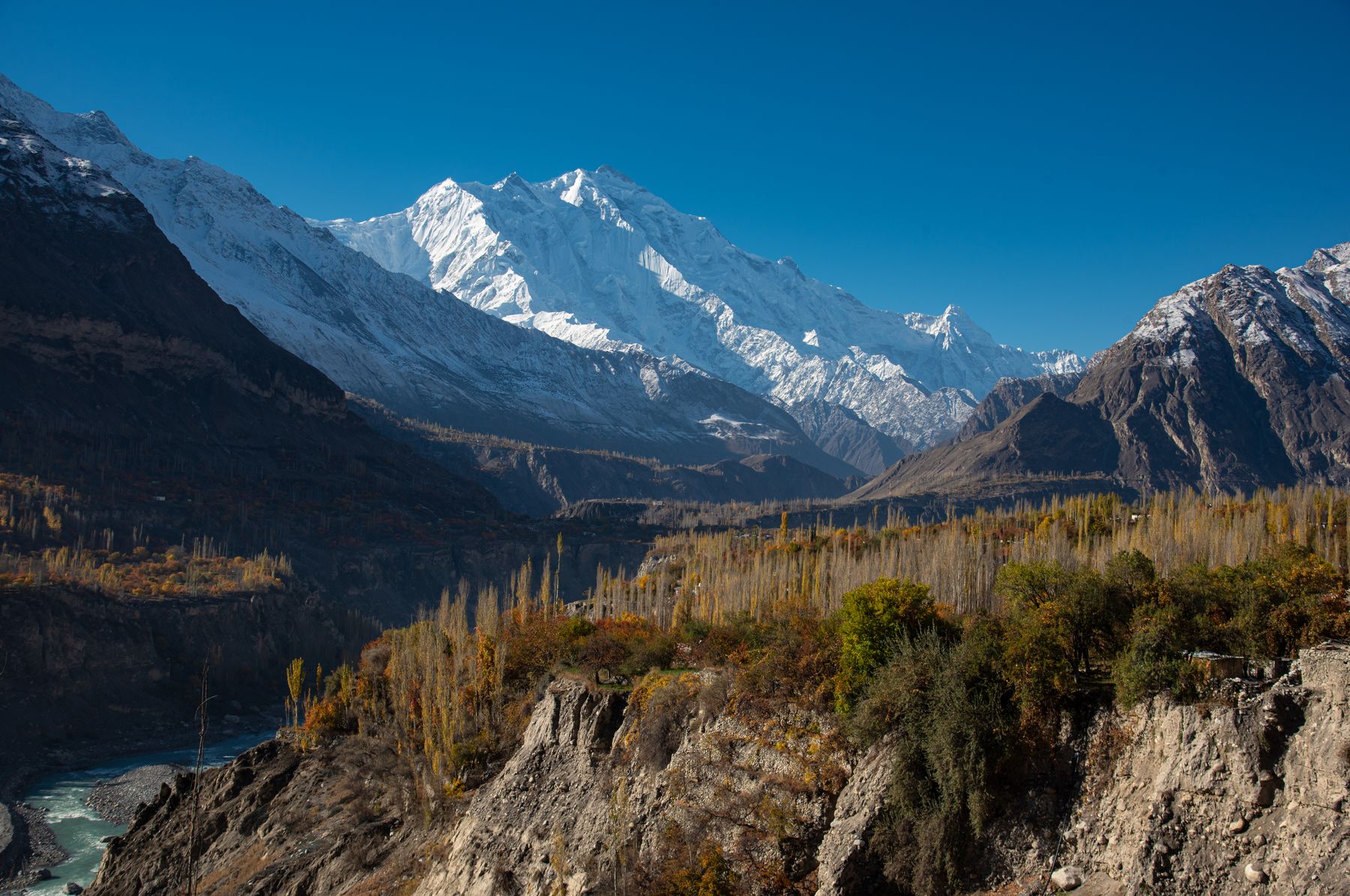 Photo: Wasif Mehmood / Pexels
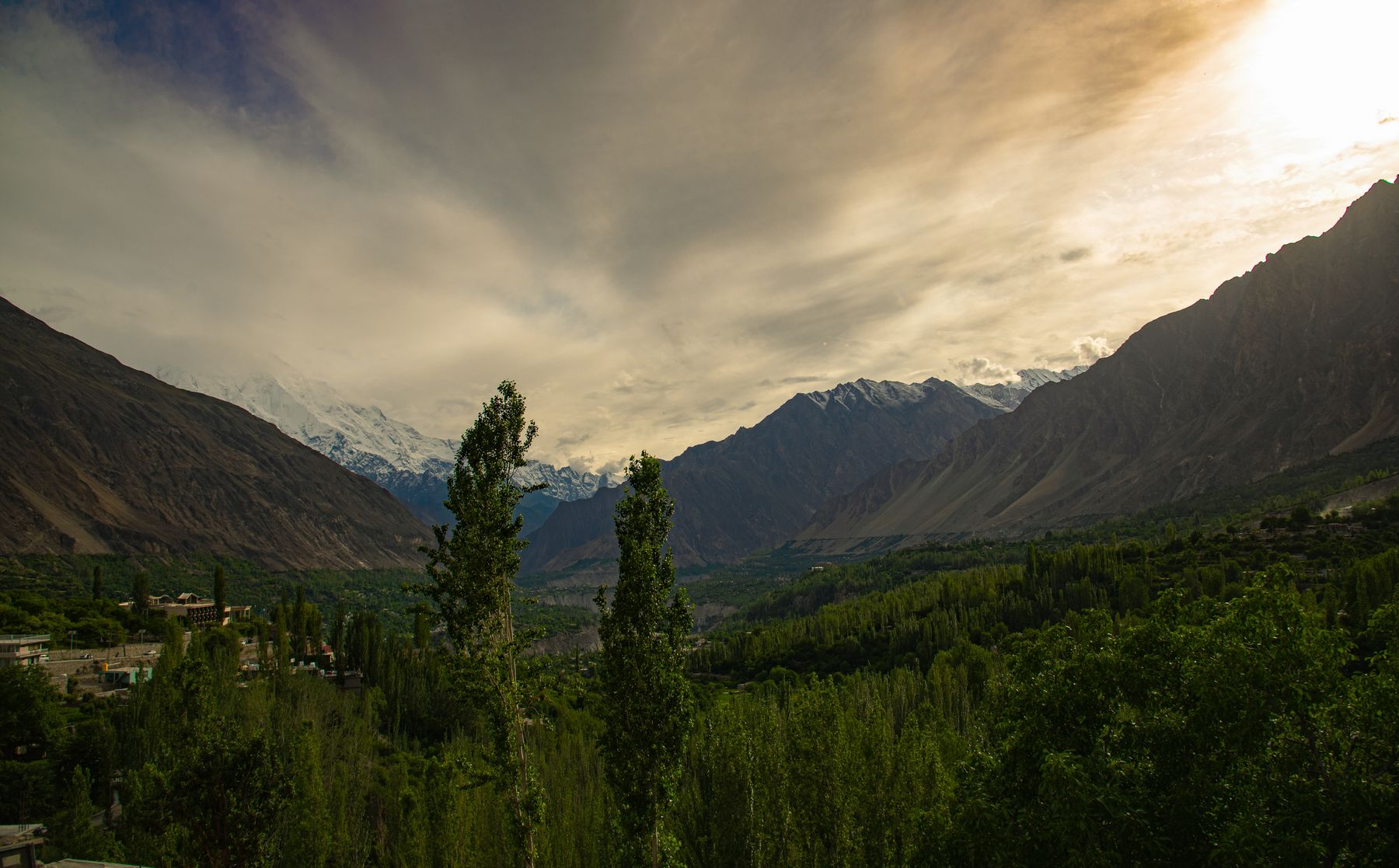
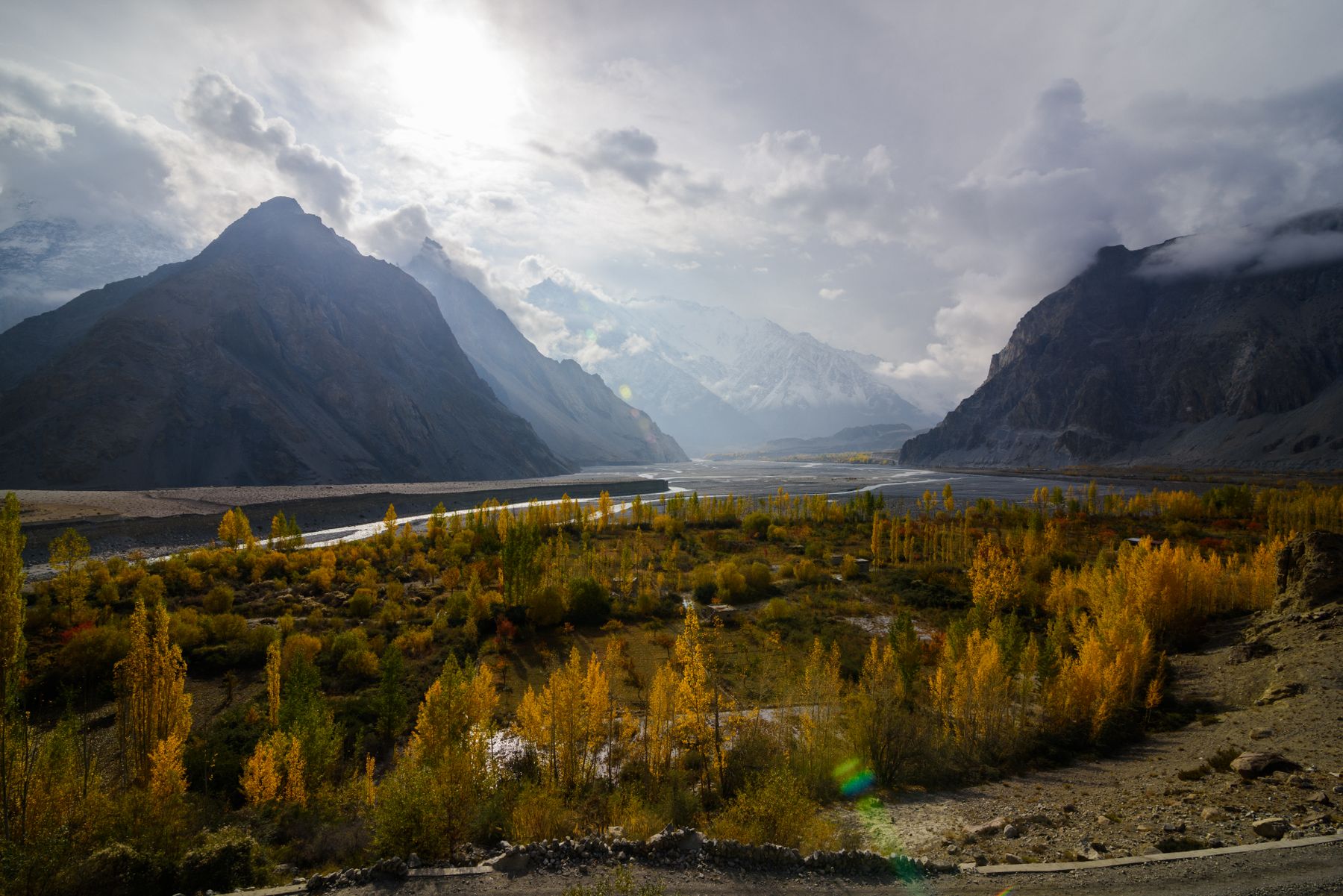
Autumn arrives in Hunza in the second half of October. The poplar plantations that line the irrigation channels turn from green to gold within a few days. The walnut harvest is under way and the apricots are already drying on rooftops. Days are mild, nights are cold, and the high peaks are often clear.
When the poplars turn
The colour change starts in the upper valleys and moves down. In Gulmit and Passu, poplars and apricot trees begin to turn in early October. In Karimabad and Aliabad, the main show is usually from the third week of October to the first week of November. The exact timing shifts with the weather each year.
Poplars are planted in rows along the water channels that feed the terraced fields. They grow fast and are cut for timber and firewood. In autumn the leaves turn a deep yellow, and the rows become long corridors of gold. The best light is in the early morning and late afternoon, when the sun is low and the peaks cast long shadows.
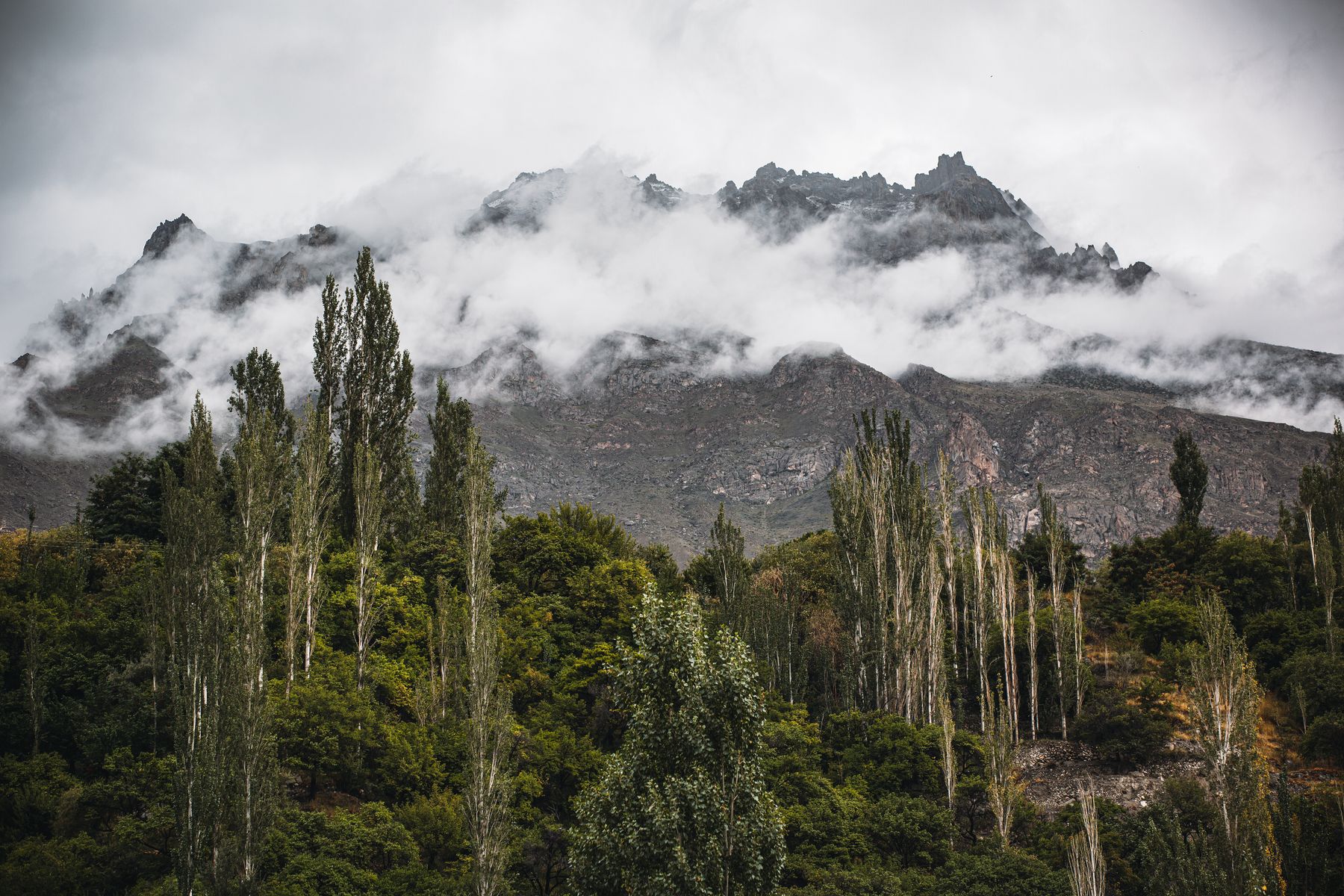
The weather is generally dry, but a passing front can bring cloud and a dusting of snow to the higher slopes. Daytime temperatures are comfortable for walking, while nights can drop near freezing. Pack layers and a warm hat for the evening.
Walnuts, apricots and the harvest
October is walnut harvest time. Families spread the nuts on flat roofs and on cloths in the sun to dry. The shells are cracked by hand, and the kernels are used in breads and sweets. In the bazaars, fresh walnuts are sold by the scoop from open sacks.
Apricots were picked in summer, but the dried fruit is still being prepared. Apricot kernels are pressed for oil, which is used for cooking and for skin care. Some households still dry apricots on rooftops, and the smell of wood smoke and drying fruit hangs in the air.
Autumn is also the time for turning the soil and preparing the fields for winter. You may see ploughing with bullocks or small tractors. The potato harvest is mostly finished, but some fields still have late crops. The pace of work is steady and unhurried.
خزاں کی سنہری دھوپThe golden sunlight of autumn. A phrase used for the bright, clear days of October in Hunza.
Walking the old channels
The irrigation channels, known locally as kuls, are the lifelines of the valley. Many were built centuries ago and are maintained by the villages. Walking along a channel takes you through poplar groves, past fields and into small hamlets. The paths are mostly flat and easy to follow.
A good half-day walk goes from Karimabad to the village of Ganish, following the channel that runs above the main road. Another route climbs from Aliabad to the old watchtower at Altit, passing through terraced fields and orchards. These walks are best done in the morning, before the afternoon wind picks up.
For a longer outing, the trail from Gulmit to Ghulkin crosses a wide alluvial fan and passes several small settlements. The views of the surrounding peaks are open, and the autumn colours are strong. Carry water and a snack, as there are few shops along the way.
Views and high passes
Autumn often brings clear skies, which means good views of the high peaks. From Karimabad, the view of Rakaposhi (7,788 m) and Ultar Sar (7,388 m) is direct. The fort at Baltit offers a raised viewpoint over the valley and the surrounding mountains.
The Khunjerab Pass, which leads to the border with China, is usually open until late November, but snow can close it earlier. The road to the pass climbs through the upper Hunza valley and offers wide views of the Karakoram. Check road conditions locally before setting out, as the pass can close without much notice.
The road to Shimshal turns off the Karakoram Highway near Passu. The track is rough and the journey is slow, but the valley is quiet in autumn. Permits may be needed for travel beyond certain points, and rules change, so check with the local authorities before going.
Planning the week
A week gives time to see the main valleys without rushing. Start in Karimabad, where there are places to stay and eat, and use it as a base for the central Hunza valley. After a few days, move up to Gulmit or Passu for the upper valley and the views towards the Khunjerab.
Travel along the Karakoram Highway is by road. The journey from Islamabad takes a full day, and the road can be affected by landslides or construction. Domestic flights to Gilgit are available but are often cancelled due to weather. Build some flexibility into the schedule.
Autumn is a popular season, so it is worth booking accommodation in advance. Many guest houses close for the winter, so check that they are still open. The season ends when the cold sets in, usually by mid-November, and the valley becomes quiet.
Where to see the gold
- KarimabadCentral Hunza. Poplar-lined channels and orchards. Views of Rakaposhi and Ultar Sar.
- GulmitUpper Hunza. Wide fields and old houses. A good base for walks to Ghulkin and Passu.
- PassuVillage near the Passu Cones. Poplars and apricot trees against a backdrop of peaks.
- GanishOld settlement near Karimabad. A historic watchtower and narrow lanes. Quiet in autumn.
- AltitVillage below the old fort. Terraced fields and a network of channels. Good for short walks.
Frequently asked questions
When is the best time to see the gold poplars in Hunza?
The poplars usually turn gold from the third week of October to the first week of November. The timing varies with the weather each year. Early October is best in the upper valleys, while late October is better in the lower valleys around Karimabad.
What is the weather like in Hunza in autumn?
Days are generally mild and sunny, with temperatures comfortable for walking. Nights can be cold, often near freezing. Rain is uncommon, but a passing front can bring cloud and light snow to higher slopes. Pack layers and a warm hat.
Do I need a permit to visit Hunza in autumn?
Most of Hunza does not require a permit for foreign visitors. However, some areas near the border, such as the Khunjerab Pass and parts of the upper valley, may require a No Objection Certificate (NOC). Rules change, so check current official advice before travelling.
Find a stay in Hunza
Live prices and availability open in the IMPT app, in a new tab.